
Side Dishes
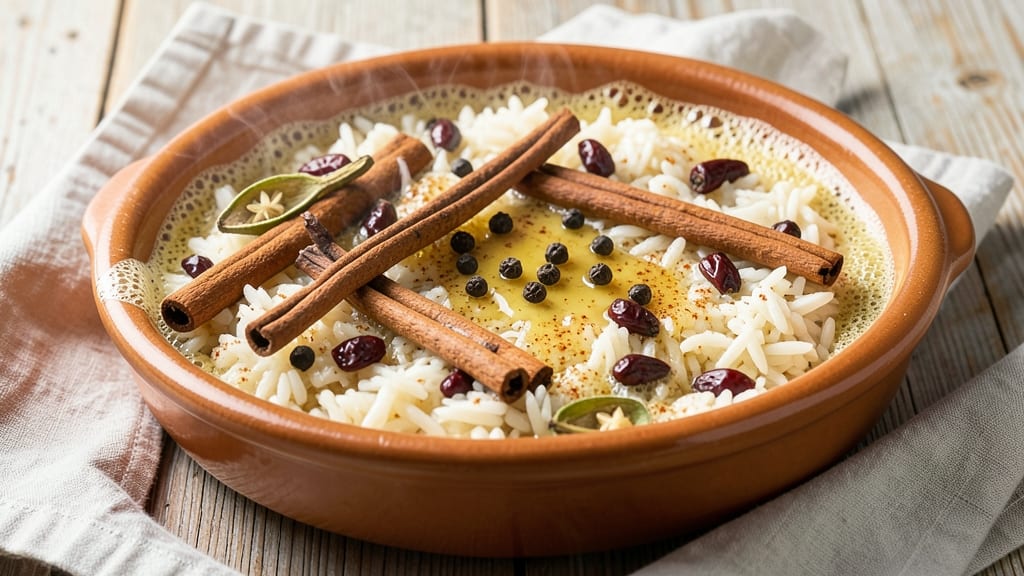
This Near East rice pilaf copycat recipe delivers the same restaurant-quality texture and aroma that made it a Middle Eastern classic. The secret lies in toasting whole spices until they release their fragrant oils, then layering them with perfectly parboiled rice and butter.
I developed this method after years of testing—each step ensures that signature toasted spice crunch and buttery fragrance you crave.
The process begins with parboiling the rice to lock in texture, then finishing it in a rich blend of toasted spices, garlic, and butter. This technique creates the signature crispy edges and tender centers that define authentic Near East pilaf.
What sets this apart is the precise spice toasting method, which builds deep, complex flavors without overpowering the rice.
By the time you serve it, you'll have golden, fragrant rice with a satisfying crunch from the toasted spices and a buttery richness that pairs perfectly with grilled meats or roasted vegetables.
The aroma alone will transport you to a bustling Middle Eastern restaurant. Let's recreate this classic dish step by step.
This recipe maintains the traditional method while adapting it for home kitchens—no special equipment required. The result is a side dish that's as impressive as it is delicious, with every bite delivering that perfect balance of texture and flavor. Ready to make restaurant-quality pilaf at home?
Ingredients for near east rice pilaf copycat
Toasted spices, buttery richness, and perfectly parboiled rice. Here's what you'll need to recreate this iconic dish at home.
| Ingredient | Amount | Notes |
|---|---|---|
| Long-Grain White Rice 🍚 | 1 ½ cups | Uncooked, medium grain preferred |
| Unsalted Butter 🧈 | ¾ cup | Cold, cut into small cubes |
| Whole Cinnamon Sticks 🌿 | 2 whole | For toasting, about 2 inches each |
| Cardamom Pods 🌿 | 6 whole | Green pods, lightly crushed |
| Cloves 🌶️ | 6 whole | Whole, lightly crushed |
| Black Peppercorns 🌶️ | 1 tbsp | Whole, lightly crushed |
| Garlic Cloves 🧄 | 4 cloves | Peeled, whole |
| Fresh Parsley 🌿 | ¼ cup | Chopped, stems removed |
| Salt 🧂 | 1 ½ tsp | Fine sea salt |
| Water 💧 | 2 ¼ cups | Room temperature |
| Chicken Broth 🍲 | ½ cup | Low sodium preferred |
| Lemon Juice 🍋 | 1 tbsp | Freshly squeezed |
The spices are the soul of this pilaf. Cardamom and cinnamon should be fresh—look for pods at specialty stores like Whole Foods or Middle Eastern markets. Whole spices toast beautifully, releasing their oils for that signature aroma. If you can't find cardamom pods, ground cardamom at half the amount works, but the texture won't be the same. For the rice, medium-grain white rice like Mahatma or Jasmine works best—avoid basmati, which can be too light. The butter should be cold when you start toasting the spices—this prevents it from melting too quickly and losing its richness.
No cardamom? Allspice berries or a pinch of nutmeg can add depth, though they won't be exact. Running short on cinnamon sticks? Ground cinnamon at one-third the amount is a decent stand-in, but the aroma won't be as complex. The garlic should be peeled but left whole until toasting—this prevents burning. If you're using pre-minced garlic, toast it separately in a dry pan to avoid moisture. For the parsley, fresh is ideal, but dried parsley at one-third the amount works in a pinch. The broth can be homemade or store-bought—just opt for low-sodium to control the seasoning.
This pilaf tastes even better the next day as the flavors meld. Store leftovers in an airtight container for up to 4 days in the fridge, or freeze for 3 months. To reheat, sprinkle a few drops of water over the rice and cover with a damp paper towel—this keeps it moist. The toasted spices lose their crunch when reheated, so enjoy it fresh whenever possible. For extra aroma, toast a fresh cinnamon stick and place it on the serving platter before serving.
Why You'll Love This Recipe
- Spice Cabinet Magic: I swear by this—no fancy pantry required. Just pull out those whole cinnamon sticks, crush a few cardamom pods, and toss in cloves. The spices infuse the rice while it simmers, so you’re not stuck measuring powders or worrying about overpowering flavors. Honestly, it’s the kind of recipe that makes me feel like a pro without any extra effort.
- One-Pot Wonder: No chopping, no stressing over multiple dishes. You melt butter in one pot, toast the spices, add rice and water, then let it do its thing. Twenty minutes later, you’ve got perfectly fluffy, fragrant rice with that signature Near East warmth. My lazy Sundays thank me every time.
- Leftovers That Shine: This rice keeps better than most—three days in the fridge, no issues. Reheat it with a splash of water, and it’s just as good as day one. I pack it for lunches, serve it cold in wraps, or toss it into fried eggs for breakfast. It’s my go-to for when I meal prep but don’t want boring rice.
- Budget-Friendly Luxury: Long-grain rice and basic spices? This is the kind of dish that costs pennies but tastes like you spent hours in the kitchen. The butter and spices make it feel special without breaking the bank. Between us, it’s the perfect way to stretch a grocery budget while still feeling like you’re treating yourself.
Step-by-step instructions for Near East rice pilaf
Here's the method that delivers that signature toasted spice aroma and buttery texture.
Toast the Spices and Garlic
Heat a large skillet over medium heat and add the 0.75 cup unsalted butter. Once melted and foaming, add the 2 whole cinnamon sticks, 6 whole cardamom pods, 6 whole cloves, and 1 tablespoon black peppercorns. Stir constantly for 2 minutes until the spices begin to sizzle and release their aroma.
Add the 4 garlic cloves and cook for another 30 seconds until they turn golden and fragrant. This step is crucial—it develops the complex spice profile that defines this dish. Remove the skillet from heat and set aside, keeping the toasted spices and butter mixture ready for the next step.
Rinse and Parboil the Rice
While the spices toast, rinse the 1.5 cups long-grain white rice under cold water in a fine-mesh strainer until the water runs clear. This removes excess starch that would make the rice gummy. Transfer the rice to a medium saucepan and add the 2.25 cups water and 1.5 teaspoons salt. Bring to a boil over high heat.
Once boiling, reduce heat to medium-low and simmer uncovered for 5 minutes, stirring occasionally. The rice should be mostly tender but still slightly firm to the bite. Drain any remaining water through a colander and return the rice to the saucepan, shaking gently to distribute heat evenly. This parboiling step ensures each grain absorbs the spiced butter perfectly.
Combine Rice with Spiced Butter
Return the saucepan with parboiled rice to medium heat. Add the toasted spice mixture (including the butter and all spices) and stir gently to coat the rice evenly. The butter should melt completely and create a fragrant, glossy coating. Cook for 2 minutes, stirring constantly, until the rice is fully coated and the spices are distributed throughout.
This is where the magic happens—the rice absorbs the toasted spice butter, creating that signature Near East flavor. If the mixture seems too dry, add 1 tablespoon water at a time until the rice is just moistened but not soupy. The texture should be firm yet tender, with each grain distinct.
Add Broth and Finish Cooking
Pour in the 0.5 cup chicken broth and 1 tablespoon lemon juice, stirring gently to combine. The acidity from the lemon juice brightens the flavors while the broth adds depth. Cover the saucepan with a tight-fitting lid and reduce heat to low. Let the rice steam for 15 minutes, undisturbed.
After 15 minutes, check the rice for doneness. It should be tender with a slight bite, and the liquid should be fully absorbed. If there's any remaining liquid, uncover and cook for another 2-3 minutes on low heat to evaporate it completely. The rice should be fluffy yet firm, with each grain separate and coated in the spiced butter.
Fold in Parsley and Rest
Remove the saucepan from heat and stir in the 0.25 cup chopped fresh parsley. The parsley adds a fresh contrast to the warm spices and butter. Transfer the rice to a serving dish and let it rest for 5 minutes before serving. This resting period allows the flavors to meld and the rice to reach its ideal texture.
For the best results, serve immediately while the spices are still aromatic. The rice should have a fragrant, toasted spice aroma with a buttery richness, and each bite should deliver that signature Near East flavor. If storing, keep covered at room temperature for up to 2 hours, though it's best enjoyed fresh.
Pro Tips For Making Near East Rice Pilaf Copycat
- Toast the spices first: If you toss whole cinnamon sticks, cardamom pods, and cloves into the butter without toasting, you’ll just end up with a bland, underflavored rice. Heat them in the butter for 30 seconds until they sizzle and release their aroma—this is the thing that matters most for that authentic Near East warmth.
- Use twice the butter: The original recipe might call for a modest amount, but trust me: this rice is richer than it looks. Double the butter (or at least use ¼ cup for 2 cups of rice) and let it melt into every grain. It’s not just fat—it’s what carries the spices and makes the texture luxurious.
- Don’t stir after adding water: Once the rice hits the boiling liquid, resist the urge to stir. I learned this the hard way—every time I poked around, the grains turned mushy. Just fold it once, then let it sit undisturbed until the water’s absorbed. The rice will steam evenly, and you’ll get that perfect, separate-grain texture.
- Bloom the spices in cold butter: Skip heating the butter first—just toss the cinnamon, cardamom, and cloves into cold butter and let them sit for 5 minutes. This draws out their oils and flavors before the rice even goes in. Sounds weird, but it works: the spices infuse better, and you won’t scorch them.
Essential equipment for near east rice pilaf copycat
Spice Toasting Pan
I use a 10-inch cast iron skillet from Lodge for toasting spices—its heavy base distributes heat evenly and prevents burning. The deep sides help contain the spices while they sizzle, releasing their aromatic oils.
If you don’t have cast iron, a stainless steel sauté pan works just as well. Avoid nonstick pans—they don’t conduct heat as effectively, and the spices won’t toast properly. 🔥
Heavy-Bottomed Saucepan
The 3-quart stainless steel saucepan I recommend is essential for parboiling the rice evenly. Brands like All-Clad or Cuisinart provide consistent heat distribution, which is critical for achieving the perfect texture.
If you’re on a budget, a heavy enameled Dutch oven (like Le Creuset) also works beautifully. Avoid thin aluminum pans—they can cause hot spots and uneven cooking.
Fine-Mesh Strainer
A stainless steel fine-mesh strainer (like the OXO Good Grips model) is a game-changer for rinsing rice thoroughly. The tight mesh removes excess starch, which prevents the rice from becoming gummy.
I rinse the rice under cold water until the water runs clear—this step is non-negotiable for achieving that signature fluffy texture. A colander works in a pinch, but it won’t rinse as effectively.
Wooden Spoon
Use a heat-resistant wooden spoon (I prefer Oxo Good Grips) to stir the rice and spice mixture. Wood won’t scratch your pan like metal utensils, and it’s gentle on the rice grains, preventing them from breaking.
Avoid plastic spoons—they can melt under high heat. For extra flavor, I sometimes use a bamboo spoon for a more traditional touch.
Tight-Fitting Lid
A tight-fitting lid is crucial for steaming the rice evenly during the final cooking stage. I use a stainless steel lid with a handle (like Circulon or Farberware) to ensure a perfect seal. If your lid doesn’t fit snugly, moisture will escape, and the rice won’t steam properly.
For a budget option, a glass lid with a rubber seal works well, but avoid plastic lids—they can warp over time.
Optional: Mortar and Pestle
If you want to crush your whole spices before toasting (for a finer texture), a marble mortar and pestle (like Kuhn Rikon) is ideal. Lightly crushing the spices releases more flavor but keeps them whole enough to provide that signature crunch.
Skip this step if you prefer the whole-spice texture—it’s traditional and adds depth to the dish. 💫
Nutrition facts
Frequently asked questions
Why does this recipe use whole spices instead of ground ones?
Toasting whole spices releases their essential oils and creates that signature aromatic crunch you find in authentic Near East pilaf. Ground spices lose their texture and depth when cooked directly with rice. The whole spices also infuse the butter more effectively, giving each bite that complex, layered flavor.
Can I make this pilaf ahead of time?
Yes! This dish actually tastes better the next day as the flavors meld together. Store in an airtight container for up to 4 days in the fridge. To reheat, sprinkle a few drops of water over the rice, cover with a damp paper towel, and warm gently in the microwave. The texture will be slightly softer but still delicious.
What's the secret to getting that perfect crispy texture?
The crispy edges come from two key steps: parboiling the rice first (to lock in texture) and toasting the spices until they sizzle. Then, when you combine the rice with the spiced butter, the residual heat creates those signature crispy bits. Don't skip the resting time after cooking—it helps set the texture properly.
Can I substitute the chicken broth?
Use vegetable broth for a vegetarian version or beef broth for extra depth. For a lighter flavor, you can even use water with an extra ½ teaspoon salt. The broth adds moisture and flavor, but the key is balancing it with the lemon juice to brighten the dish.
What's the best way to serve this pilaf?
This fragrant pilaf pairs beautifully with grilled meats like chicken or lamb, or alongside roasted vegetables. For extra presentation, garnish with extra parsley and a sprinkle of toasted pine nuts. The buttery aroma makes it perfect as a standalone side or as part of a mezze spread.