
Side Dishes
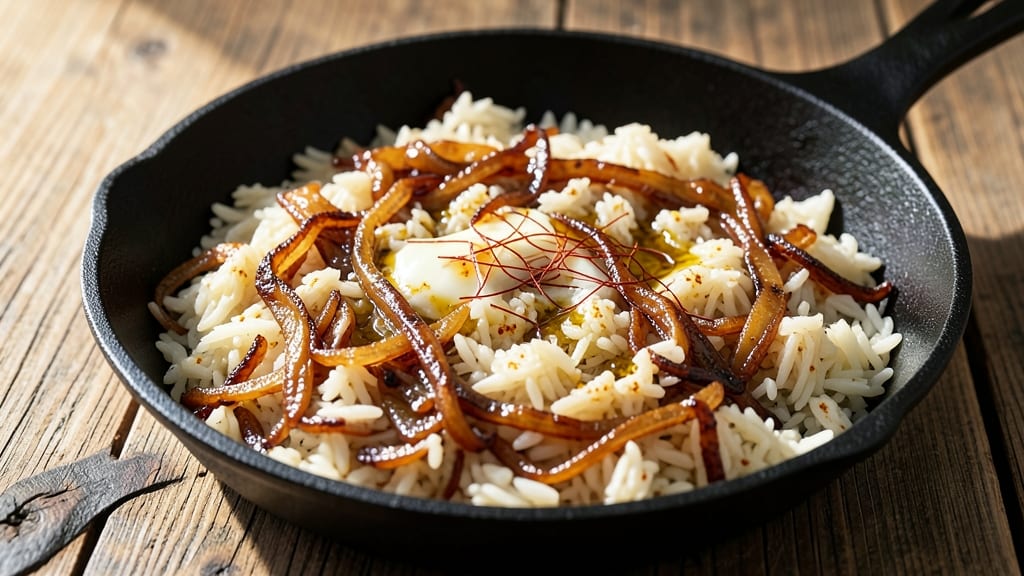
This Russian rice recipe transforms simple grains into a fragrant, golden pilaf that belongs at every holiday table. The secret lies in slow-toasting onions until they caramelize into deep amber threads, then layering them with saffron-infused rice and aromatic spices.
I first made this version during a winter visit to a family friend's dacha, where the scent of simmering rice filled the kitchen—now it's my go-to side dish for special occasions.
The beauty of this pilaf is its versatility—it works as a standalone dish or pairs perfectly with grilled meats, fish, or even caviar for a luxurious touch.
Traditional Russian techniques ensure the rice stays separate and fluffy, while the toasted onions add a sweet, caramelized depth that balances the dish's subtle spice. What makes this recipe special is how it captures the essence of Russian home cooking: simple ingredients elevated through patience and technique.
By the time you serve this dish, you'll have a golden, saffron-kissed pilaf with perfectly toasted onions scattered throughout—each grain distinct yet harmonious. The aroma alone will transport you to a winter dinner in Moscow, where this dish is a staple.
It's the kind of recipe that feels both comforting and impressive, requiring just 45 minutes of hands-off cooking time once you've prepped the onions.
Serve it alongside roasted chicken, beef stroganoff, or even as a standalone vegetarian centerpiece. The leftovers reheat beautifully, making it ideal for meal prep or entertaining. Here's how to make it—step by step, just like in a Russian grandmother's kitchen.
Ingredients for russian rice
Twelve ingredients transform into a fragrant, golden pilaf that captures Russian holiday tradition.
| Ingredient | Amount | Notes |
|---|---|---|
| Long-Grain White Rice 🍚 | 2 cups | Uncooked, preferably basmati or jasmine |
| Yellow Onions 🧅 | 3 whole | Medium size, thinly sliced |
| Saffron Threads 🌼 | ¼ tsp | High-quality, culinary grade |
| Unsalted Butter 🧈 | ½ cup | Cold, cut into small cubes |
| Vegetable Oil 🫒 | 2 tbsp | For high-heat toasting |
| Water 💧 | 3 ½ cups | Room temperature preferred |
| Diamond Crystal Kosher Salt 🧂 | 1 ½ tsp | Adjust to taste |
| Ground Black Pepper 🌶️ | ½ tsp | Freshly cracked |
| Ground Cinnamon 🌿 | ¼ tsp | Optional, traditional touch |
| Fresh Dill 🌿 | ¼ cup | Chopped, stems removed |
| Chicken or Vegetable Broth 🍲 | 1 ½ cups | Low-sodium preferred |
| Lemon Zest 🍋 | 1 tbsp | From 1 organic lemon |
The saffron threads are the heart of this dish—Spanish or Iranian saffron delivers the most vibrant color and floral aroma. Purchase from Penzeys Spices or specialty markets to ensure potency, as supermarket varieties often contain fillers. Toast the onions slowly until deep amber, a process that takes 20-25 minutes. This caramelization creates the dish's signature sweetness. For the rice, jasmine or basmati varieties are ideal due to their distinct grains and mild flavor. If using basmati, rinse thoroughly to remove excess starch, which can make the pilaf gummy. The butter should be cold when cubed to prevent premature melting during toasting.
No saffron? Turmeric at one-quarter teaspoon mimics the golden hue, though it lacks floral notes. Substitute yellow onions with shallots or leeks for a milder flavor profile, but increase the toasting time by 5 minutes. Fresh dill can be swapped for dried dill at one-tenth the quantity, though fresh imparts brighter flavor. For broth, low-sodium versions prevent over-salting, but homemade with chicken or vegetable stock elevates the dish. The lemon zest adds brightness—organic lemons have more vibrant zest than conventional varieties. If unavailable, 1 teaspoon lemon juice provides acidity without zest's texture.
Store the pilaf in an airtight container with a damp paper towel over the surface to retain moisture. Reheats beautifully in the microwave or oven, though oven reheating at 350°F for 10 minutes preserves texture better. This dish freezes for up to 3 months—portion into individual servings before freezing for easy reheating. The saffron-infused rice keeps for 4-5 days in the refrigerator, though flavor peaks within the first two days. For a restaurant-quality presentation, garnish with extra dill and a sprinkle of toasted sesame seeds before serving.
Why You'll Love This Recipe
- No-Sweat Saffron Magic: I swear, the saffron threads do all the heavy lifting here. Just a pinch—literally 4 or 5—steeped in warm butter, and suddenly you’ve got that golden, luxurious aroma that makes everything feel special. No fancy techniques, just patience while it blooms.
- Buttery Onion Bliss: That slow-cooked onion base? It’s the secret weapon. Caramelized until deep amber, then finished with butter—it’s sweet, rich, and melts into the rice like a hug. Honestly, I’ll eat this plain if I’m in a rush, and it’s still satisfying.
- Weeknight Workhorse: This feeds four for under $5 and takes less time than waiting for takeout. Double the batch, store it, and reheat with a splash of water—perfect for lazy nights or when unexpected company shows up. (Yes, even on a Tuesday.)
- Leftovers That Lie: Between us, the second day is even better. The rice softens just enough to soak up extra butter, while the onions get even more mellow. Pack it for lunches or freeze portions—no one will guess it’s not fresh. My secret weapon for busy mornings.
Step-by-step instructions for golden saffron-infused pilaf
This method transforms simple rice into a fragrant, golden pilaf with caramelized onions and saffron's signature aroma.
Toast the Onions and Infuse the Saffron
Heat 2 tablespoons vegetable oil in a large, heavy-bottomed pot over medium-high heat. Add the 3 whole yellow onions, sliced into even rounds, and cook undisturbed for 8-10 minutes until the edges turn deep golden brown and caramelized. Stir occasionally to prevent burning, but let them develop that rich, sweet color—this builds the pilaf's foundation.
While the onions toast, dissolve the 0.25 teaspoon saffron threads in 2 tablespoons warm water (from the 3.5 cups water) in a small bowl. The heat will release the saffron's vibrant color and floral notes. Let it steep for 5 minutes—this ensures maximum infusion before combining with the rice. The liquid will turn a striking golden hue, signaling it's ready to join the pilaf.
Parboil the Rice and Layer Flavors
Add the 2 cups long-grain white rice to the pot with the caramelized onions. Stir to coat the grains evenly in the onion oil, which prevents sticking and adds depth of flavor. Pour in the remaining 3.3 cups water (reserving 2 tablespoons for later) and the saffron infusion. Bring to a boil over high heat, then immediately reduce to medium-low heat and simmer for 8 minutes—this partial cooking ensures the rice absorbs the onion and saffron flavors deeply.
After 8 minutes, drain the rice in a fine-mesh strainer, shaking gently to remove excess water. Return it to the pot and set aside. Here's the thing—this step prevents mushy rice while building layers of flavor. The rice should be al dente but not fully cooked, with a slight bite remaining.
Finish with Butter, Broth, and Aromatics
Add the 0.5 cup unsalted butter, cut into small cubes, to the pot with the drained rice. Stir over medium heat for 2-3 minutes until the butter melts and coats the grains evenly. This creates a luxurious texture and rich mouthfeel. Next, sprinkle in the 1.5 teaspoons diamond crystal kosher salt, 0.5 teaspoon ground black pepper, 0.25 teaspoon ground cinnamon, and 1 tablespoon lemon zest. The cinnamon adds warmth, while the lemon zest brightens the dish.
Pour in the 1.5 cups chicken or vegetable broth and the reserved 2 tablespoons water. Stir gently to combine, then cover the pot with a tight-fitting lid. Reduce heat to low and simmer for 12-15 minutes, or until the rice is tender and the liquid is fully absorbed. The pot should feel dry to the touch when you lift the lid—this indicates perfect doneness. Avoid peeking during cooking, as steam escape prolongs the process.
Fold in Fresh Dill and Rest
Once the rice is fully cooked, remove the pot from heat and let it sit covered for 5 minutes. This resting period allows the grains to plump and the flavors to meld. Then, gently fold in the 0.25 cup chopped fresh dill using a wooden spoon. The dill's bright, herbal notes contrast beautifully with the saffron and caramelized onions, balancing the dish's richness.
Serve immediately, fluffing the rice with a fork to separate the grains. The pilaf should be fragrant with saffron's floral aroma, golden from the caramelized onions, and infused with the buttery richness of the finished dish. Each bite should deliver a harmonious blend of toasted, spiced, and citrusy flavors—this is the essence of a well-executed Russian pilaf.
Pro Tips For Making Russian Rice
- TOAST THE ONIONS LOW AND SLOW: I learned this the hard way—burnt onions ruin the whole dish. Cook them in the oil over medium-low heat until deep golden, not brown, stirring every 30 seconds. That caramelized base is what makes Russian rice sing, so don’t rush it.
- SOAK THE SAFFRON RIGHT: Skip the dry threads—crush them first, then steep in 2 tablespoons warm water for 10 minutes. This guarantees the color and aroma infuse evenly into the rice. (Yes, even if you’re impatient like me, wait the full time.)
- USE A 1:2 RATIO FOR RICE: Too much rice? It’ll turn mushy. Too little? Dry and sad. Stick to 1 cup rice per 2 cups liquid (broth or water). My grandmother swore by this, and she was right: the texture stays firm and fluffy every time.
- STIR ONCE AFTER BOILING: After adding rice to the pot, bring to a boil, then stir just once—this separates the grains. Resist the urge to keep checking or stirring; you’ll break the rice and end up with glue. Let it cook undisturbed until the liquid’s absorbed.
Flavor customization for these flavors
Spiced Variations
For a winter spiced twist, add ½ teaspoon ground allspice and ¼ teaspoon cloves when simmering the rice. These warm spices echo traditional Russian holiday flavors, especially when paired with roasted duck or venison. I find the allspice adds a subtle piney note that complements the saffron beautifully. 🌟
Herb-Forward Adaptations
Swap the dill for fresh tarragon or chives for a lighter, more delicate profile. Use 2 tablespoons chopped tarragon or ¼ cup chives> folded in at the end. Tarragon brings an anise-like sweetness, while chives add a bright, grassy freshness. Both work exceptionally well with seafood or chicken-based meals.
Smoky Charcoal Touch
For a modern smoked adaptation, toast 1 teaspoon smoked paprika> with the onions until fragrant. The smoky depth pairs surprisingly well with the saffron's floral notes. I recommend Penzeys Smoked Spanish Paprika> for its balanced, medium heat. This version shines alongside grilled meats or hearty stews.
Citrus-Infused Brightness
Boost the lemon zest to 2 tablespoons> and add 1 teaspoon orange zest> for a zesty, vibrant pilaf. The citrus cuts through the richness, making it perfect for summer entertaining.
I also add a splash of 1 tablespoon fresh orange juice> with the broth for extra brightness. This variation works beautifully as a vegetarian centerpiece.
Nutty Crunch Finish
For texture contrast, fold in 2 tablespoons toasted pine nuts or slivered almonds> with the fresh herbs. The nuts add a satisfying crunch that balances the creamy rice.
Toast them separately in a dry pan for 2-3 minutes> until golden, then sprinkle over the finished pilaf. This works especially well with mushroom-based versions of the dish.
Mushroom-Inspired Depth
Add 1 cup finely chopped wild mushrooms> (like cremini or shiitake) to the onions during toasting. The umami-rich mushrooms deepen the pilaf's earthy profile. I recommend 8 ounces sliced mushrooms> sautéed until golden before adding the rice.
This variation pairs perfectly with beef stroganoff or as a vegetarian main dish.
Nutrition facts
Frequently asked questions
Why does the recipe call for toasting onions for so long?
Slow-toasting onions until deep amber develops their natural sugars into sweet, caramelized threads that become the pilaf's flavor foundation. This 20-25 minute process creates the signature golden color and rich depth that sets traditional Russian rice apart from other pilafs.
Can I use regular white rice instead of basmati or jasmine?
While possible, basmati or jasmine rice is recommended for their distinct grains and mild flavor. Regular white rice may absorb too much liquid and become mushy. If substituting, rinse thoroughly and reduce water by 0.25 cup to maintain texture.
What if I don't have saffron? Can I make this without it?
Yes! Use ¼ teaspoon turmeric for color, though it lacks saffron's floral aroma. For flavor, add ½ teaspoon ground cardamom instead—it complements the caramelized onions beautifully. The dish will still taste rich and aromatic, just with a different color profile.
How do I prevent the rice from becoming mushy?
Three key techniques:
- Parboil the rice for only 8 minutes before draining,
- Use a heavy-bottomed pot to distribute heat evenly, and
- Avoid peeking while cooking. The resting period after cooking also helps grains firm up properly.
Can I make this pilaf ahead of time?
Store in an airtight container with a damp paper towel over the surface to retain moisture. It reheats beautifully in the oven at 350°F for 10 minutes, preserving texture better than microwave reheating. Flavor actually improves overnight as ingredients meld.