
Side Dishes
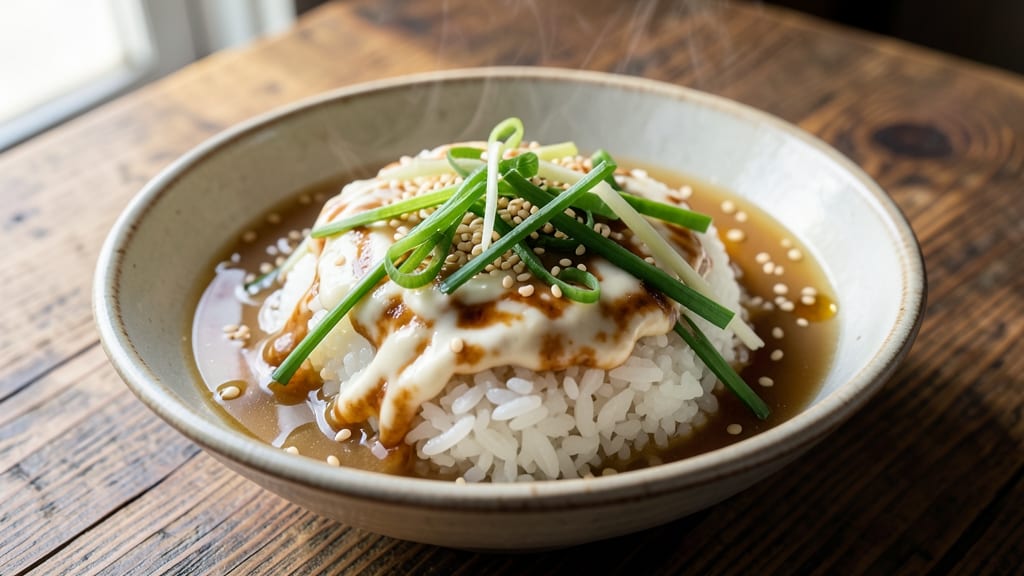
This miso rice recipe transforms ordinary grains into a deeply savory, umami-rich side dish that elevates any meal in just 15 minutes. The secret lies in balancing fermented miso paste with aromatic ingredients—like toasted sesame oil and green onions—to create a dish that’s both traditional and versatile.
I developed this version after realizing how often miso rice gets overlooked in favor of plain steamed rice, and it’s become a staple in my kitchen for its ability to add depth without overpowering the main dish.
What makes this recipe stand out is its vegan-friendly approach, using a simple kombu broth instead of dashi while still delivering that signature umami punch. The rice absorbs the miso’s rich flavor while staying tender, and the finishing touches of sesame seeds and scallions add texture and freshness.
Perfect for serving alongside grilled proteins, stir-fries, or even as a hearty standalone bowl, this miso rice is a game-changer for anyone looking to add complex flavor with minimal effort.
Ingredients for miso rice
Fermented depth meets simple grains—this umami-rich miso rice delivers restaurant-quality flavor in minutes.
| Ingredient | Amount | Notes |
|---|---|---|
| Short-Grain White Rice 🍚 | 1 ½ cups | Uncooked, jasmine or sushi rice preferred |
| White Miso Paste 🍶 | ¼ cup | Fermented, unsweetened variety |
| Kombu Dried Seaweed 🍃 | 1 piece | 8-inch strip, cut into thirds |
| Toasted Sesame Oil 🫒 | 1 tbsp | Lightly toasted for aroma |
| Green Onions 🧅 | ¼ cup | Thinly sliced, white and green parts |
| White Sesame Seeds 🥜 | 1 tbsp | Toasted for crunch |
| Water 💧 | 3 cups | Filtered preferred for clarity |
| Diamond Crystal Kosher Salt 🧂 | ½ tsp | For seasoning rice |
| Rice Vinegar 🍶 | 1 tsp | Seasoned preferred |
| Fresh Ginger 🧄 | 1 tsp | Finely grated, aromatic |
| Vegetable Oil 🫒 | ½ tbsp | Light, neutral flavor |
| Nutritional Yeast 🍞 | 1 tbsp | For umami depth |
The miso paste is the heart of this dish, so opt for high-quality white miso—brands like Hodo or Miso Master deliver consistent depth. Kombu seaweed, the vegan dashi substitute, should be lightly toasted in a dry pan for 30 seconds to enhance its umami before steeping. For rice, jasmine or sushi rice absorbs the miso best, but short-grain white rice works perfectly. Whole Foods or Asian markets carry premium options, but even standard grocery store brands perform well. Toast your sesame seeds in a dry skillet until golden—just 30 seconds—to maximize their nutty aroma.
No kombu? Dried shiitake mushrooms steeped in hot water make a decent substitute, though the flavor profile shifts slightly. Short on miso? Soy sauce plus a pinch of sugar mimics its saltiness, though you’ll lose some complexity. The rice vinegar can be swapped for apple cider vinegar, but seasoned rice vinegar adds subtle sweetness that balances the miso’s intensity. For extra umami without nutritional yeast, a splash of coconut aminos works in a pinch. Fresh ginger is ideal, but ground ginger at half the amount suffices if you’re in a hurry.
This miso rice keeps beautifully—4-5 days refrigerated in an airtight container, or up to 3 months frozen if portioned into individual servings. Reheat gently with a splash of water to restore moisture. For best texture, rinse the rice before cooking to remove excess starch, which prevents gumminess. The kombu-infused water can be saved for broths or sauces—don’t discard it. Double the recipe for meal prep; it reheats just as flavorfully the next day.
Why You'll Love This Recipe
- Five-Ingredient Magic: I swear, this recipe is my lazy-day hero. Toss in rice, kombu, miso, a drizzle of sesame oil, and green onions—no fancy techniques, no stress. The kombu dissolves into the water while you cook, infusing that oceanic depth without extra effort.
- Umami Bomb: That first spoonful of miso paste? Pure flavor payoff. The salty-sweet richness blends into the rice like a secret handshake, while the toasted sesame oil adds a nutty finish that makes every bite feel like a little reward. Honestly, it’s the kind of taste that lingers just enough to make you close your eyes.
- Weeknight Swiss Army Knife: Between us, this rice is my go-to for everything. Serve it under grilled fish for a restaurant-worthy plate, pile it next to stir-fried veggies for a quick dinner, or just eat it straight from the pot with chopsticks—no judgment. It’s the side dish that does it all.
- Leftovers That Don’t Suck: Cold miso rice the next day? Still delicious. Reheat it with a splash of water, and the flavors tighten up like a fresh batch. I make a big pot on Sundays because it’s cheap, filling, and by Wednesday, I’m still happy to see it in the fridge. Budget win, flavor win.
Step-by-step instructions for fermented umami rice
This method delivers perfectly balanced miso rice with deep umami flavor and satisfying texture.
Prepare the Kombu and Rice for Hydration
In a medium saucepan, combine the 3 cups water with the 1 piece kombu dried seaweed (cut into thirds). Bring to a boil over medium-high heat, then immediately remove from heat and let steep for 20 minutes. This infusion imparts subtle oceanic notes to the rice while preventing overcooking.
While the kombu steeps, rinse the 1.5 cups short-grain white rice thoroughly under cold water until the water runs clear. This removes excess starch that would make the rice gummy. Drain well in a fine-mesh strainer and transfer to the saucepan with the kombu water. Return to medium heat and bring just to a simmer.
Cook the Rice to Perfect Texture
Once simmering, reduce heat to low and maintain a gentle boil. Cover tightly with a lid and cook for exactly 12 minutes. The rice should absorb all liquid without sticking to the bottom. Avoid lifting the lid during cooking—steam escape causes uneven texture.
After 12 minutes, turn off heat and let the rice steam undisturbed for 10 minutes. This resting period allows starch to redistribute, resulting in individual grains that remain distinct yet tender. The rice should be fully cooked but still slightly firm to the tooth—this prevents mushiness when mixed with miso.
Build the Miso Paste and Aromatics
In a small bowl, whisk together the 0.25 cup white miso paste, 1 tbsp toasted sesame oil, 1 tbsp nutritional yeast, 1 tsp rice vinegar, 1 tsp finely grated fresh ginger, and 0.5 tsp diamond crystal kosher salt. The miso should be fully emulsified with the oil, creating a smooth paste. This blend forms the flavor foundation for the rice.
In a separate small bowl, combine the 0.25 cup green onions (thinly sliced) and 1 tbsp toasted white sesame seeds. The sesame seeds should be lightly toasted to enhance their nutty aroma. Keep these separate until the final step to maintain texture contrast.
Combine and Finish with Crunch
Using a wooden spoon or rice paddle, gently fold the miso paste mixture into the cooked rice. Work quickly but carefully to distribute evenly—this prevents clumping while ensuring each grain absorbs the umami-rich paste. The rice should take on a glossy sheen from the sesame oil.
Transfer the miso rice to a serving dish and immediately sprinkle with the green onion and sesame seed mixture. The heat from the rice will toast the seeds slightly upon serving, adding an extra layer of crunch. Serve immediately while the rice maintains its distinct grain structure and vibrant aroma.
Pro Tips For Making Miso Rice
- SOAK THE KOMBU FIRST: Toss that dried kombu into warm water 10 minutes before cooking—it’ll soften and release its umami punch without turning your rice into a murky swamp. I used to just chuck it in raw, and half the time it stayed stubbornly chewy. Trust me, the extra two minutes makes the broth sing.
- USE COLD RICE FOR MISO: Mix miso into cooled rice, not hot—otherwise, you’ll kill the probiotics and end up with a gluey mess. Spread the rice on a tray to cool faster if you’re impatient (yes, even if you’re me). The texture stays light, and the miso flavor integrates without fighting for space.
- STIR THE MISO PASTE: White miso is thick—don’t just dollop it in. Whisk it with a splash of water or dashi first to break up clumps, or you’ll get gritty bits in every bite. I learned this after finding a pea-sized chunk in my third bite. Now I mix it like I’m painting a wall—smooth and even.
- TOAST THE SESAME OIL LAST: Add toasted sesame oil right before serving—heat kills its delicate aroma, and you’ll end up with a dish that smells like a sad, overcooked stir-fry. A quick drizzle at the end keeps that nutty, toasty brightness intact. (Pro move: warm the oil in the bowl first so it melts into the rice.)
Perfect pairings for miso rice
Umami Protein Pairings
This miso rice pairs beautifully with vegan proteins like marinated tofu or tempeh. Toss ½ lb extra-firm tofu in 2 tbsp soy sauce, 1 tbsp maple syrup, and 1 tsp grated ginger, then pan-fry until golden.
The miso’s deep flavor complements the tofu’s savory texture perfectly. For a heartier option, try miso-glazed seitan—simmer 1 lb seitan in ¼ cup miso paste and 2 tbsp tamari for 15 minutes on low heat. 🍛
Fresh Vegetable Contrasts
Light, crisp vegetables balance the richness of miso rice. Sauté 1 cup shiitake mushrooms in 1 tbsp sesame oil with 2 minced garlic cloves until tender. Add ½ cup baby spinach and wilt just until vibrant. The earthy mushrooms and peppery spinach create a stunning contrast to the umami rice.
For a brighter option, serve with quick-pickled cucumbers—slice 1 Persian cucumber and toss with 1 tbsp rice vinegar, 1 tsp sugar, and a pinch of red pepper flakes.
Warm Broth Bowls
Transform this into a complete meal by serving over hot kombu broth. Simmer 4 cups kombu-infused water (from cooking the rice) with 1 tbsp grated ginger and 2 slices fresh turmeric for 10 minutes.
Top with sliced avocado, crispy fried shallots, and a drizzle of chili oil. The warmth of the broth enhances the miso’s depth while keeping the dish light. For extra richness, add silken tofu cubes poached in the broth for 5 minutes.
Crunchy Toppings
Add texture with toasted nuts or crispy vegetables. Lightly toast ½ cup peanuts in a dry skillet until fragrant, then sprinkle over the rice. For a vegan "crispy egg" alternative, pan-fry ½ cup chickpea flour into small patties until golden.
The nutty crunch contrasts the creamy miso rice beautifully. Another favorite is quick-pickled radishes—slice ½ cup radishes thin and soak in 1 tbsp rice vinegar with 1 tsp sugar for 10 minutes.
Sweet and Tangy Accents
Brighten the dish with citrus or fruit. A sprinkle of mandarin orange segments adds a refreshing sweetness that cuts through the umami.
For a tropical twist, serve with mango salsa—dice 1 ripe mango and mix with 2 tbsp chopped cilantro, 1 tbsp lime juice, and a pinch of salt. The natural sweetness balances the miso’s saltiness perfectly.
A drizzle of yuzu kosho (if available) adds a spicy-sweet kick that elevates every bite. 🌿
Beverage Pairings
Pair this dish with cool, refreshing drinks to cleanse the palate. A green tea latte with oat milk complements the umami without overpowering it. For something lighter, try sparkling yuzu soda—its citrus notes refresh between bites.
If you prefer alcohol, a dry sake or Japanese lager like Asahi enhances the miso’s depth. Avoid heavy wines or dark beers, as they can clash with the dish’s delicate balance. 🍶
Nutrition facts
Frequently asked questions
Can I use brown rice instead of white rice for this miso rice?
Yes, but adjust the cooking time and liquid ratio. Brown rice takes longer—cook it for 45-50 minutes with 3.5 cups water (instead of 3) and use 1.25 cups uncooked brown rice for the same serving size. The nuttier flavor pairs well with miso’s umami, but the texture will be chewier. Rinse thoroughly first to remove excess starch.
How do I prevent the miso rice from turning mushy when mixing?
Undercook the rice slightly by 1-2 minutes before mixing with miso—it’ll finish cooking from the heat. Use a wooden spoon or rice paddle to fold gently, and work quickly to distribute the paste evenly. If the rice feels sticky, add 1 tsp sesame oil to the mix to help bind the grains while keeping them separate. Let it rest 5 minutes after mixing before serving.
What’s the best way to store leftover miso rice?
Transfer to an airtight container and refrigerate for up to 4-5 days. Reheat gently in a skillet with 1 tbsp water over low heat to restore moisture—microwaving can make it gummy. For longer storage, freeze portions for up to 3 months. Thaw overnight in the fridge before reheating. The miso flavor actually deepens slightly when stored!
Can I make this miso rice without kombu for a vegan dashi alternative?
Try these substitutes: 1 tbsp soy sauce + 1 tsp sugar (for saltiness/sweetness), or ½ cup shiitake mushroom broth (simmer 4 dried shiitakes in 1 cup water for 20 minutes). For depth, add 1 tsp nutritional yeast to the rice water. The kombu’s oceanic notes are hard to replicate, but these options add umami without animal products.
Why does my miso rice taste too salty?
Miso is naturally salty, so balance it with acidity or sweetness. Add 1 tsp rice vinegar or ½ tsp sugar to the miso paste before mixing. If using a very salty miso (like red miso), reduce the amount to 2 tbsp instead of ¼ cup. For serving, pair with pickled vegetables or fresh fruit to cut the saltiness. Taste as you mix—the rice should have depth, not overpowering salt.