
Side Dishes
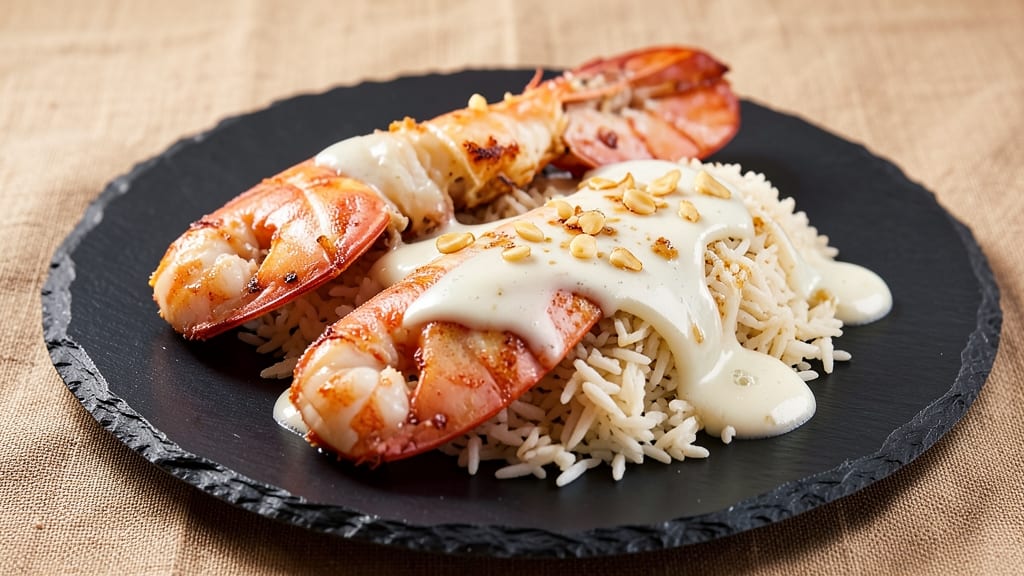
This lobster rice recipe transforms simple grains into a luxurious centerpiece that rivals any seafood restaurant dish. The secret lies in perfectly cooked lobster meat—tender, sweet, and infused with buttery garlic—tossed with fragrant jasmine rice for a dish that feels indulgent yet balanced.
I developed this after years of testing how to achieve that signature restaurant-quality texture without compromising simplicity.
The foundation starts with buttery rice—cooked in a light broth to keep each grain distinct yet flavorful—before being finished with lobster stock for depth. Meanwhile, the lobster is steamed just until the meat turns opaque, preserving its natural sweetness while staying tender enough to flake effortlessly.
The final touch? A bright finish of scallions and a squeeze of lemon to cut through the richness.
What you’ll end up with is a dish that looks as impressive as it tastes: golden, fragrant rice speckled with delicate lobster pieces, each bite offering a perfect balance of buttery rice and briny, sweet seafood.
This is the kind of recipe that elevates a weeknight dinner into a memorable experience—without requiring a Michelin-starred kitchen.
Serve it as a standalone dish for special occasions or pair it with a crisp white wine and steamed vegetables for a complete seafood feast. The method is straightforward, but the results are anything but basic. Let’s get cooking—this lobster rice is worth every minute of preparation.
Ingredients for lobster rice
Jasmine rice, sweet lobster, and aromatic butter create a luxurious yet approachable seafood centerpiece.
| Ingredient | Amount | Notes |
|---|---|---|
| Jasmine Rice 🍚 | 1 ½ cups | Uncooked, long-grain preferred |
| Live Maine Lobster 🦞 | 2 lbs | Whole, 1.5-2 lb size range |
| Unsalted Butter 🧈 | ¾ cup | European-style preferred |
| Garlic Cloves 🧄 | 6 cloves | Fresh, peeled, minced fine |
| Lobster Stock 🍲 | 2 cups | Homemade or high-quality store-bought |
| Dry White Wine 🍷 | ½ cup | Sauvignon Blanc preferred |
| Fresh Lemon Juice 🍋 | ¼ cup | From 2-3 lemons, freshly squeezed |
| Scallions 🧅 | ½ cup | White and green parts, thinly sliced |
| Diamond Crystal Kosher Salt 🧂 | 1 tsp | For seasoning rice and lobster |
| Freshly Ground Black Pepper 🌶️ | ½ tsp | Lightly cracked for subtle seasoning |
| Vegetable Oil 🫒 | 2 tbsp | High smoke point for sautéing |
| Fresh Thyme Leaves 🌿 | 1 tbsp | From 2-3 sprigs, chopped fine |
| Fresh Parsley Leaves 🌿 | ¼ cup | Flat-leaf, chopped for garnish |
The lobster is the star—Maine live lobsters are non-negotiable for optimal sweetness and texture. Purchase from a reputable seafood market like Whole Foods or New England Fish Company for the freshest catch, ideally 1.5-2 lbs each to ensure generous portions. Look for lobsters that are active and have a vibrant blue-green shell. If you can't find live lobsters, pre-cooked tail meat from a trusted brand like Sweet Baby Ray's works in a pinch, though it lacks the restaurant-quality texture. For the rice, jasmine rice from a specialty Asian market delivers that signature floral aroma, though any long-grain white rice will suffice if you're in a hurry.
No lobster stock? Clarified fish or seafood stock made from shrimp shells and fish bones works beautifully, though it won't have the same depth. Substitute the white wine with dry vermouth or additional lobster stock if needed—just ensure the acidity remains balanced. For the butter, European-style unsalted butter like Plugrá melts more cleanly and adds a richer flavor than American brands. If you're using pre-cooked lobster meat, pat it thoroughly dry before adding it to the rice to prevent a soggy texture. The scallions and parsley can be swapped for green onions or chives, though they won't have the same fresh brightness.
This dish reheats beautifully—simmer gently with a splash of water or stock to restore moisture. Store leftovers in an airtight container for up to 3 days in the refrigerator, though the rice texture degrades after the first day. For longer storage, freeze the lobster and rice separately—lobster freezes for 3 months, while cooked rice is best used within 1 month when frozen. To serve, garnish with extra parsley and a final squeeze of lemon just before eating, as the acidity mellows during storage. The dish pairs perfectly with a crisp Sancerre or Pinot Grigio, cutting through the richness.
Why You'll Love This Recipe
- I’ll be real: lobster isn’t cheap, but using the shells for stock stretches every bite. Leftovers? Even better—reheat with a splash of butter, and it tastes like you just made it. My kids fight over the seconds, and that’s the real win.
- One-Pot Magic: I swear by this recipe when I’m too tired to deal with multiple pans. The lobster stock infuses the jasmine rice with that briny depth while it cooks, and the butter? It melts right into the rice, making it rich without extra effort.
- Garlic Butter Bliss: That moment when you crack open a cold lobster tail, sear it in butter with garlic until it’s golden and crispy—it’s pure satisfaction. The rice soaks up the flavor like a sponge, turning every bite into a little flavor bomb.
- Date Night Ready: Between us, this dish feels fancy but takes less time than ordering takeout. I’ve served it to guests who think I spent hours prepping, and they’ve never questioned the simplicity. (The secret? Fresh lobster makes everything look impressive.)
Step-by-step instructions for lobster rice
This method transforms simple jasmine rice into a luxurious centerpiece with melt-in-your-mouth lobster and aromatic butter.
Prepare the Lobster and Infuse the Stock
Begin by bringing the 2 cups lobster stock to a gentle simmer in a medium saucepan over medium heat. While it warms, carefully clean the 2 lbs live Maine lobster under cold running water, removing any barnacles or debris with a small brush. Pat dry thoroughly with paper towels—this ensures maximum flavor extraction and prevents steam from diluting your stock.
Cut the lobster into 1-inch chunks, reserving the shells and head for stock infusion. Add the shells and head to the simmering stock and cook for 8-10 minutes until the liquid deepens in color and aroma. Strain through a fine-mesh sieve into a clean pot, pressing on the solids to extract every last drop of flavor. This enriched stock forms the foundation of your dish, carrying the sweetness of the lobster throughout the rice.
Sauté Aromatics and Toast the Rice
Heat 2 tablespoons vegetable oil in a heavy-bottomed pot over medium heat until shimmering. Add the 6 cloves minced garlic cloves and 1 tablespoon fresh thyme leaves, cooking for 30 seconds until fragrant but not browned. Here's the thing—garlic burns quickly, so keep your eye on the pan and stir constantly.
Add the 1.5 cups jasmine rice, stirring to coat each grain in the aromatic oil. Toast for exactly 2 minutes, stirring frequently, until the rice turns translucent at the edges. This step develops nutty flavors and prevents mushy rice. Immediately add the 0.5 cup dry white wine and 0.25 cup fresh lemon juice, stirring to deglaze the pan and dissolve any browned bits that contain concentrated flavor.
Cook the Rice to Perfection
Pour in the 2 cups infused lobster stock, bringing to a gentle boil. Reduce heat to low, cover tightly with a lid, and simmer for 15 minutes without disturbing. The rice needs undisturbed cooking to absorb liquid evenly and develop its signature texture. After 15 minutes, remove from heat and let sit covered for 10 minutes—this resting period allows residual heat to finish cooking the grains while preventing them from becoming gummy.
Fluff the rice gently with a fork, then stir in the 0.75 cup unsalted butter until melted and evenly distributed. The butter should coat each grain, creating that signature buttery richness. Here's where it gets luxurious—fold in half of the 0.5 cup sliced scallions and half of the 0.25 cup chopped fresh parsley leaves, reserving the rest for garnish. Season with 1 teaspoon diamond crystal kosher salt and 0.5 teaspoon freshly ground black pepper, tasting and adjusting as needed.
Prepare and Incorporate the Lobster
While the rice rests, return the lobster meat to the pot where you cooked the stock. Add just enough water to cover and simmer gently for 3-4 minutes until heated through. The lobster should be tender but not rubbery—it will continue cooking slightly when mixed with the rice. Drain any excess liquid and set aside.
Gently fold the cooked lobster chunks into the rice mixture, being careful not to break the meat. Distribute evenly throughout the pot, then cover briefly to retain heat. The lobster's natural sweetness will infuse the rice with each bite, creating a harmonious balance of textures and flavors. This is the moment that matters: serve immediately while the rice is still warm and the lobster is at its most tender.
Pro Tips For Making Lobster Rice
- Boil Lobster Fast: Drop live lobster into scalding water—no need to thaw or parboil. Five minutes per pound in salted water (1 tbsp per quart) guarantees tender meat without rubbery edges. I used to undercook them, thinking "more time = better," but this method keeps the texture perfect every time.
- Toast Garlic Low: Sauté minced garlic in butter over medium-low heat until golden, not brown. High heat burns it before the lobster stock can mellow the flavor. I learned this after tasting bitter garlic in my first attempt—now I let it cook slow and steady.
- Reserve Stock Early: Strain lobster stock through a fine-mesh sieve while hot to catch tiny meat bits. Save 1 cup for the rice and reduce the rest to intensify flavor. Skipping this step means missing out on the richest, most flavorful base for your rice.
- Butter Rice Last: Stir in cold unsalted butter off the heat—this coats every grain without steaming it. Add it too early, and you’ll end up with soggy rice. I was skeptical, but it’s the only way to get that luxurious, clingy texture without overcooking.
Flavor customization for this lobster rice
Citrus Brightness Boost
Add 1 tbsp lime zest and 2 tbsp lime juice to the rice while folding in the lobster. The acidity cuts through the richness, while the zest adds a bright, floral note that complements the sweet lobster.
I like to use Mexican Key limes for extra tang—just be sure to remove any seeds to keep the texture clean. 💛
Spicy Kick Fusion
For a bold twist, stir in 1 tsp Penzeys smoked paprika and ½ tsp cayenne pepper with the garlic. The smoky heat pairs surprisingly well with lobster, creating a dish that feels both coastal and bold.
Garnish with chopped cilantro instead of parsley for a fresh finish. Serve with a side of cooling yogurt sauce to balance the heat.
Herb-Infused Variations
Swap the thyme for 1 tbsp chopped tarragon or 1 tsp dried oregano to create Mediterranean-inspired flavors. Tarragon adds an anise-like sweetness, while oregano brings earthy depth.
For a French bistro touch, fold in 1 tbsp chopped chives with the lobster and finish with a drizzle of truffle oil—just ½ tsp is enough to elevate the dish without overpowering.
Creamy Luxe Upgrade
For a restaurant-worthy texture, stir in ¼ cup heavy cream with the butter while fluffing the rice. The cream adds a velvety richness that pairs perfectly with lobster.
If you want extra decadence, fold in 2 oz crumbled goat cheese (about ½ cup) for a tangy contrast. This version feels indulgent but still balanced.
Smoky Charred Notes
Toast the lobster shells in a dry skillet over medium-high heat for 2-3 minutes until deeply charred, then add them to the stock for a smoky depth.
This technique mimics the flavor of grilled lobster without needing a grill. The charred notes add complexity that elevates the dish from classic to next-level. 🔥
Sweet Heat Balance
Add 1 tbsp honey or agave nectar to the lobster stock while simmering to enhance the sweetness of the lobster. The subtle caramelization complements the seafood beautifully. For heat, fold in ½ tsp chili crisp with the lobster—just enough to add a fruity spice without overpowering.
This variation works especially well with a Sauvignon Blanc pairing.
Nutrition facts
Frequently asked questions
Can I use pre-cooked lobster meat instead of live lobster?
Yes, but the texture won't be quite the same. For best results, use high-quality pre-cooked lobster tail meat from brands like Sweet Baby Ray's. Pat it thoroughly dry before adding to the rice to prevent sogginess. Keep cooking times short (3-4 minutes) to avoid overcooking the meat.
What's the best way to store leftovers?
Store lobster rice in an airtight container for up to 3 days in the fridge. For longer storage, freeze the lobster and rice separately—lobster freezes well for 3 months, while rice is best used within 1 month when frozen. Reheat gently with a splash of water or stock to restore moisture.
How do I make this dish vegetarian?
Replace the lobster with king oyster mushrooms or firm tofu marinated in soy sauce and garlic. Use vegetable stock instead of lobster stock, and add 1 tsp seaweed flakes for a briny depth. The buttery rice base remains the same, just without the seafood.
Why is my rice mushy?
Mushy rice usually means overcooking or insufficient resting time. Always let the rice sit covered for 10 minutes after cooking, then fluff gently. If using pre-cooked lobster, ensure it's completely drained. For extra insurance, use jasmine rice which holds up better than basmati in rich dishes.
What wine pairs best with this dish?
A crisp Sauvignon Blanc or Sancerre complements the lobster's sweetness and cuts through the butter. For red wine lovers, a light Pinot Noir with bright acidity works surprisingly well. Avoid heavy reds like Cabernet Sauvignon—they'll overpower the delicate flavors.