
Side Dishes
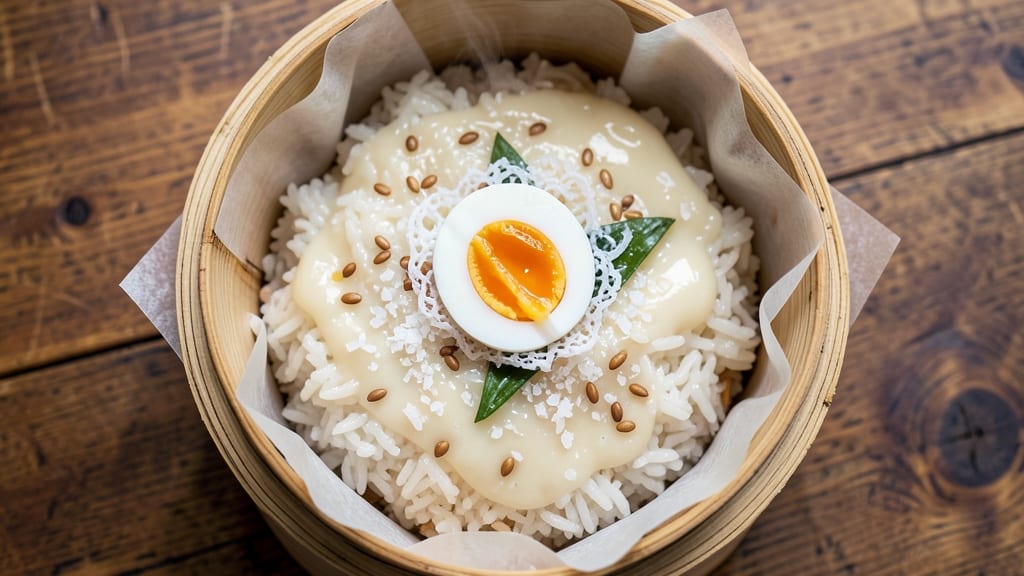
This Chinese steamed sticky rice recipe delivers the fragrant, perfectly clingy texture that makes it a staple at every Asian table. The secret lies in soaking jasmine rice for hours before steaming—this transforms ordinary grains into tender, slightly sticky bites with an intoxicating aroma that fills your kitchen.
I’ve perfected this method over years of testing, ensuring every batch turns out restaurant-quality without requiring a bamboo steamer.
What sets this recipe apart is its versatility—you can keep it simple with just rice and water, or elevate it with coconut milk for a tropical twist, pandan leaf for floral notes, or even savory fillings like salted egg yolk.
The key technique is steaming the rice in layers with just enough water to create that signature clingy texture while keeping the grains distinct. This method works equally well in a bamboo steamer, rice cooker, or even a covered pot on the stove.
By the time you’re done, you’ll have golden, fragrant rice that clings together just enough to hold its shape but still offers that satisfying resistance with each bite. The aroma alone makes this dish irresistible, and the texture—soft yet slightly chewy—is what makes it unforgettable.
Whether you’re serving it alongside dim sum or as a standalone dish, this sticky rice will become a weekly favorite.
For those short on time, I’ll share my foolproof shortcuts, including how to adapt this recipe for modern appliances while maintaining authenticity. Let’s get started on creating sticky rice that tastes like it came from a bustling Cantonese kitchen.
Ingredients for chinese steamed sticky rice
Jasmine rice, coconut milk, and a few simple touches create fragrant, clingy rice worthy of any dim sum spread.
| Ingredient | Amount | Notes |
|---|---|---|
| Jasmine Rice 🍚 | 2 cups | Uncooked, long-grain preferred |
| Water 💧 | 2 ½ cups | Room temperature preferred |
| Coconut Milk 🥥 | 1 cup | Full-fat for creaminess (optional) |
| Pandan Leaf 🌿 | 1 whole | Tied in knot for aroma (optional) |
| Salt 🧂 | ½ tsp | Fine sea salt preferred |
| Salted Egg Yolk 🍳 | 2 whole | Optional for savory filling |
| Sesame Oil 🫒 | 1 tbsp | Toasted for finishing (optional) |
| White Sugar 🍬 | 1 tbsp | Or coconut sugar for depth |
| Vegetable Oil 🫒 | 1 tbsp | For greasing steamer basket |
| Lemon Zest 🍋 | 1 tsp | Brightens flavor (optional) |
Jasmine rice is non-negotiable here—Thai Kitchen or Lotus Foods brands are my go-tos, but any long-grain jasmine works. The key is soaking it for at least 4 hours (overnight is best) to break down the starches for that signature sticky texture. For coconut milk, full-fat canned (like Aroy-D) gives the best creaminess, but light works in a pinch. Pandan leaves? Find them in the Asian aisle—frozen is fine, just thaw before tying. If you can't find them, skip or use a drop of pandan extract (but it's not the same).
No coconut milk? Substitute extra water and a splash of vanilla extract for sweetness. Missing pandan? Vanilla bean or lemongrass adds aroma, though nothing matches the real thing. Salted egg yolks are a game-changer for flavor—look for them in the Asian foods section (or make your own by boiling duck eggs in saltwater). For a sweeter version, swap the sugar for coconut sugar or palm sugar. Sesame oil should be toasted—heat it gently in a pan until fragrant, then cool before using. And if you're short on time, reduce soaking to 2 hours, but texture won't be as perfect.
This rice keeps beautifully—3 days in the fridge (covered tightly) or 3 months frozen (portion into airtight containers). Reheat gently with a splash of water to restore moisture. Pro tip: Grease your steamer basket well so the rice doesn’t stick. For extra aroma, add a cinnamon stick or star anise to the water during steaming. And if you’re serving with dim sum, warm the rice again before plating—it tastes best fresh from the steamer.
Why You'll Love This Recipe
- Steam-and-Go Magic: I swear by this—just rice, coconut milk, and a pandan leaf tied in a knot. No fancy gadgets, no waiting for hours. The rice steams in 30 minutes while I sip tea, and honestly? That’s my kind of dinner.
- Fragrant Every Bite: The pandan leaf infuses this rice with that unmistakable floral sweetness—like a whisper of vanilla and grass all at once. And the coconut milk? It turns the jasmine rice into something so tender and slightly sweet, you’ll forget it’s just rice.
- Leftover Goldmine: Between us, this rice reheats like a dream. Cold or warm, it’s perfect for packed lunches, picnic spreads, or even breakfast the next day. I’ve had it three days in a row, and no one’s complained—yet.
- Budget Bright Spot: Jasmine rice and coconut milk are cheap staples, and a single pandan leaf lasts for multiple batches. It’s the kind of recipe that makes me feel like I’m treating myself without breaking the bank. Plus, it stretches for side dishes or mains.
Step-by-step instructions for Chinese steamed sticky rice
Here's how to achieve that signature fragrant, clingy texture that makes this dish unforgettable.
Prepare the Jasmine Rice and Flavor Base
Rinse the 2 cups of jasmine rice under cold water until the water runs clear. This removes excess starch that would make the rice gummy. Drain thoroughly in a fine-mesh strainer, then transfer to a large mixing bowl.
In a small bowl, whisk together the 1 cup coconut milk, 1 tbsp white sugar, 0.5 tsp salt, and 1 tsp lemon zest until smooth. Pour this mixture over the drained rice and gently fold with a spatula until every grain is evenly coated. The rice should look moist but not wet—just enough to absorb the coconut milk completely. This step ensures each bite will be sweetly aromatic and perfectly tender.
Assemble and Steam the Rice
Lightly grease a heatproof steamer basket or metal colander with the 1 tbsp vegetable oil, then spread the oiled rice mixture evenly in a single layer. If using a pandan leaf, tie it into a knot and place it directly on top of the rice—this infuses that signature floral aroma throughout.
Set the prepared basket over a pot of boiling water, ensuring the bottom doesn't touch the water. Cover with a tight-fitting lid and steam over medium-high heat for 20 minutes. You'll know it's ready when the rice is tender but still slightly underdone—it will finish cooking from residual heat as it rests. The steam should be gentle but steady; if it's too vigorous, reduce the heat slightly to prevent uneven cooking.
Add the Salted Egg Yolk and Finish
Once steamed, remove the rice from the heat and let it sit covered for 5 minutes. This resting period allows the rice to absorb any remaining moisture and develop its signature clingy texture. Gently fold in the 2 whole salted egg yolks using a fork, breaking them into small pieces as you incorporate them. The yolks should distribute evenly without overmixing—you want pockets of salty richness throughout.
Drizzle the 1 tbsp sesame oil over the rice and toss lightly with a spatula. The oil should coat the grains evenly, adding a nutty aroma and helping to bind the rice together. Serve immediately while still warm, or cover and refrigerate for up to 2 days if you prefer the rice chilled. The texture will be perfect whether served warm or cold—just avoid reheating, as it can make the rice dry.
Pro Tips For Making Chinese Steamed Sticky Rice
- Soak the Rice Overnight: I learned this the hard way—rushing the soak (even 4+ hours isn’t enough) leaves your sticky rice gummy instead of tender. Use 1.5 cups water per 1 cup rice, cover, and let it sit in the fridge overnight. The extra time breaks down the starch properly, and you’ll notice the texture difference immediately.
- Split the Pandan Leaf: Whole pandan leaves sink to the bottom and burn. Tear them into 2-inch strips first—this releases the fragrance evenly without scorching. Toss the strips into the coconut milk mixture early, then strain them out before pouring over the rice (yes, even if you’re impatient like me).
- Steam on Low Heat: High heat = uneven cooking. After the initial 10 minutes on medium, switch to low and let it steam for 20-25 minutes. The water should simmer gently, not boil furiously. I used to rush this and ended up with dry edges and soggy centers—don’t make that mistake.
- Use Full-Fat Coconut Milk: Light coconut milk won’t give the same creamy richness. The fat is what makes this rice truly sticky and luxurious. If you’re short on time, blend a can of full-fat coconut milk with 2 tablespoons of extra coconut cream—it’s a game-changer for texture. (Your future self will thank you.)
Troubleshooting perfect results
Rice Too Dry
If your sticky rice turns out dry, you likely didn’t soak the rice long enough or used too much heat during steaming. I recommend soaking jasmine rice for at least 4 hours (overnight is ideal) to break down the starches properly.
Also, ensure your steamer isn’t boiling too vigorously—keep the heat at medium-high and maintain a steady, gentle steam. If using a rice cooker, select the "steam" or "sticky rice" setting instead of the standard cook function. 💧
Rice Too Mushy
Overly mushy rice usually means too much liquid or insufficient draining after rinsing. Start by rinsing the rice until the water runs completely clear—this removes excess starch. When mixing with coconut milk, ensure the rice is just moist, not soggy.
For steaming, use a 1:1.25 ratio of rice to liquid (2 cups rice to 2.5 cups total liquid). If your rice still turns out mushy, reduce the coconut milk by ¼ cup next time. A well-greased steamer basket also prevents sticking and uneven cooking.
Uneven Cooking
Uneven cooking often happens when the heat source isn’t consistent. If using a stovetop steamer, make sure the water in the pot doesn’t touch the basket—keep it at least 1 inch below. For rice cookers, avoid overfilling the steamer basket, as this can block steam circulation.
If your rice cooker lacks a steamer function, place the rice in a heatproof bowl inside the cooker and use the "keep warm" setting after cooking to finish steaming gently. A digital meat thermometer can help monitor internal temperature—aim for 205-210°F at the center.
Lack of Aroma
The fragrant aroma comes from proper soaking and steaming techniques. For maximum flavor, soak the rice in room-temperature water (not cold) for at least 4 hours. Add a pandan leaf tied in a knot or a cinnamon stick to the water during steaming to infuse aroma.
If your kitchen isn’t filling with scent, try adding 1 tsp pandan extract to the coconut milk mixture or a pinch of vanilla bean powder for depth. Steaming over a pot of salted water with a splash of coconut milk also enhances the fragrance. 🌿
Rice Sticking to Steamer
Sticking happens when the steamer basket isn’t properly greased or the rice isn’t spread evenly. Always grease the basket with vegetable oil or sesame oil before adding rice, focusing on the edges and corners.
Spread the rice in a single, even layer—don’t pile it high, as this traps steam and causes sticking. If using a metal colander, place a parchment paper circle on the bottom for easy release.
For stubborn sticking, run the steamer under cold water for 10 seconds before removing the rice to loosen it gently.
Salted Egg Yolk Issues
If your salted egg yolks are too runny or break apart when folding, chill them for 15 minutes before adding to the rice. For extra stability, mix the yolks with 1 tsp cornstarch before folding into the rice.
If the yolks are too salty, balance the flavor by adding ½ tsp sugar to the rice mixture. For a firmer texture, use duck eggs instead of chicken eggs—they hold their shape better during steaming. 🍳
Nutrition facts
Frequently asked questions
What’s the secret to getting that perfect clingy texture?
The key is soaking the jasmine rice for at least 4 hours (overnight is best) before steaming. This breaks down the starches, creating that signature sticky yet slightly resistant bite. Also, use a 1:1.25 rice-to-liquid ratio (2 cups rice to 2.5 cups total liquid) and steam over medium-high heat for 20 minutes—not too vigorous!
Can I make this without a bamboo steamer?
Use a metal colander or heatproof bowl with a tight lid in a rice cooker (set to "steam" mode), or even a covered pot on the stove. Just ensure the bottom doesn’t touch the water and maintain gentle steam. A well-greased container prevents sticking, too.
How do I store leftover sticky rice?
Keep it in an airtight container in the fridge for up to 3 days or freeze for 3 months. Reheat gently with a splash of water (microwaving dries it out). For best texture, serve warm or at room temperature—never reheated from cold.
What’s the best way to add sweet toppings?
For dessert-style rice, fold in diced mango, toasted coconut flakes, or crushed peanuts after steaming. Keep portions small—just enough to brighten each bite. For extra richness, drizzle with condensed coconut milk> or a touch of pandan-infused syrup.
Why does my rice turn out dry or mushy?
Dry rice usually means insufficient soaking (4+ hours) or too much heat. Mushy rice often comes from over-rinsing or too much liquid. Stick to the 1:1.25 ratio and rinse until water runs completely clear—no cloudiness! A greased steamer basket helps too.