
Main Courses
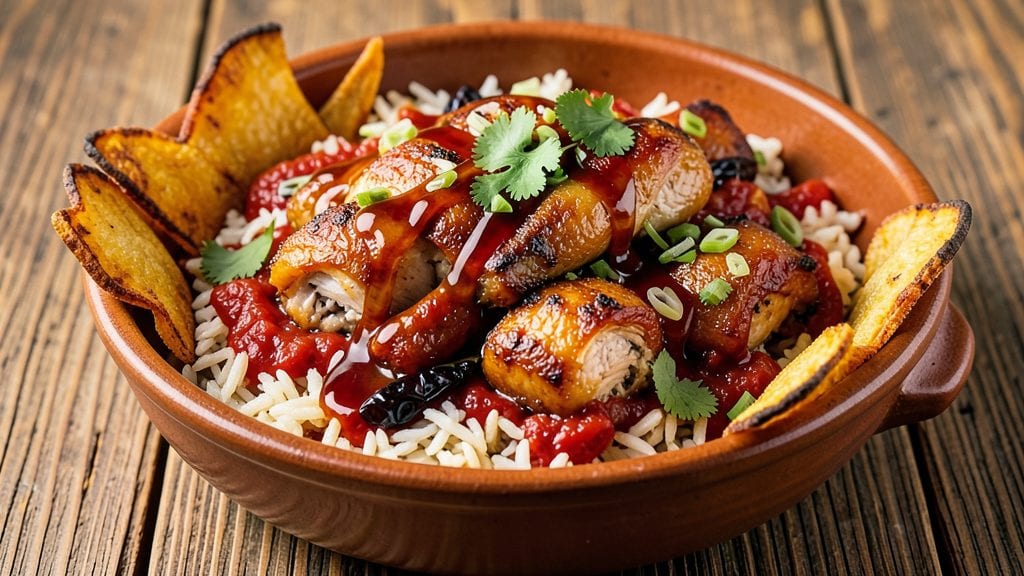
This Liberian jollof rice recipe brings the bold, smoky flavors of West Africa to your kitchen with a tomato-blended base that's rich, aromatic, and perfectly balanced.
The key lies in slow-cooking the rice with protein until tender, while the palm oil infuses a distinct depth that sets it apart from other jollof variations. I've perfected this technique over years of testing, ensuring the sauce clings to every grain without overpowering the natural taste of the rice.
The traditional method relies on whole spices like thyme, bay leaf, and curry powder, toasted until fragrant before blending with tomatoes and peppers into a velvety sauce. Chicken or beef simmers in the pot alongside the rice, absorbing flavors as it cooks to tender perfection.
What makes this dish truly special is the smoky palm oil—its earthy notes cut through the richness, creating a harmonious blend that's both comforting and complex.
By the time you serve this jollof rice, you'll have a one-pot masterpiece with perfectly cooked grains, tender protein, and a sauce that's rich yet balanced.
The aroma alone will have everyone gathering at the table, while the first bite delivers layers of tomato sweetness, spice, and that unmistakable palm oil richness. This is the kind of dish that turns ordinary weeknights into celebrations.
While this recipe stays true to Liberian traditions, feel free to adapt it with smoked paprika or extra peppers for personalized heat. The beauty of jollof rice lies in its versatility—equally at home as a main course or part of a larger spread. Let's get cooking!
Ingredients for liberian jollof rice
Sixteen ingredients transform into Liberian jollof rice with smoky depth and balanced tomato richness.
| Ingredient | Amount | Notes |
|---|---|---|
| Long-Grain White Rice 🍚 | 2 cups | Uncooked, rinsed thoroughly |
| Chicken Thighs 🍗 | 2 lb | Bone-in, skin-on preferred |
| Red Palm Oil 🫒 | ½ cup | For authentic smoky flavor |
| Fresh Tomatoes 🍅 | 4 whole | Ripe, blended into sauce |
| Yellow Onions 🧅 | 2 whole | Medium, roughly chopped |
| Scotch Bonnet Peppers 🌶️ | 2 whole | Seeds removed for moderate heat |
| Fresh Thyme 🌿 | ½ cup | Stems removed, chopped |
| Bay Leaves 🍃 | 2 whole | Fresh preferred, dried works |
| Curry Powder 🌶️ | 2 tbsp | Liberian-style preferred |
| Ground Ginger 🌿 | 1 tbsp | Freshly grated preferred |
| Garlic Cloves 🧄 | 6 cloves | Peeled, minced finely |
| Chicken Bouillon Cubes 💧 | 2 whole | Dissolved in 2 cups water |
| Vegetable Oil 🫒 | 2 tbsp | For initial sautéing |
| Salt 🧂 | 1 ½ tsp | Adjust to taste |
| Black Pepper 🌶️ | ½ tsp | Freshly ground |
The red palm oil is non-negotiable for authentic flavor—look for it in the international aisle of Whole Foods or African markets like African & Caribbean Foods in major cities. If unavailable, smoked paprika at half the amount mimics the smokiness, though it won't replicate the oil's earthy richness. For the tomatoes, San Marzano delivers the best sweetness and acidity, but any ripe heirloom variety works. The Scotch bonnet peppers should be fresh (not jarred)—their heat builds during cooking, so adjust seeds for your preferred spice level. Liberian-style curry powder is ideal, but a blend of curry powder, turmeric, and coriander at a 1:1:1 ratio works in a pinch. Fresh thyme and bay leaves elevate the dish, but dried spices at half the amount suffice if fresh aren't available.
No palm oil? Avocado oil infused with smoked paprika (simmer 1 tbsp paprika in 0.5 cup oil for 5 minutes, then strain) creates a close approximation. Short on bonnet peppers? Habanero or jalapeño at half the amount delivers heat, though the flavor profile shifts slightly. The chicken bouillon cubes can be swapped for homemade chicken stock—just ensure it's well-seasoned with salt and pepper. For the rice, jasmine or basmati work if long-grain white isn't available, though the texture will differ slightly. Pre-toasting the curry powder and spices in the oil for 1-2 minutes deepens their flavors—don’t skip this step if you want restaurant-quality results.
This dish tastes even better the next day as flavors meld. Store leftovers in an airtight container in the fridge for up to 5 days, or freeze portions for 3 months. The palm oil solidifies when chilled—gently reheat over low heat, stirring frequently, to restore its velvety texture. For meal prep, cook a double batch and portion into containers for easy lunches. The sauce thickens as it cools, so add a splash of water or broth when reheating if it seems too dry.
Why You'll Love This Recipe
- I’ll be real: the second day is often the best. The rice soaks up all that smoky tomato-chicken flavor, and reheating it? Just a splash of water and a quick stir—no soggy disappointment here.
- One-Pot Magic: I swear by this recipe—just toss everything in one pot, stir occasionally, and walk away. That red palm oil does the heavy lifting, turning simple rice into something vibrant and rich without extra pans or fuss.
- Rich, Deep Umami: The chicken thighs get tender while the tomatoes and onions caramelize into a sauce so bold it sticks to your ribs. Honestly, the first time I made it, I nearly licked the pot clean—that’s good.
- Crowd-Pleaser Any Day: Between us, this is the dish I pull out for birthdays, game days, or when my in-laws visit. It’s hearty enough for a feast but simple enough to make when my kids demand "something fun for dinner."
Step-by-step instructions for Liberian jollof rice
Here's the method that delivers authentic Liberian flavors with a rich tomato base and smoky depth.
Prepare the Chicken and Aromatic Base
Pat the 2 lb chicken thighs dry with paper towels and season generously with 1.5 tsp salt and 0.5 tsp black pepper. Heat 2 tbsp vegetable oil in a large pot over medium-high heat until shimmering. Add the chicken thighs skin-side down and cook undisturbed for 5 minutes until golden brown. Flip and cook another 5 minutes until the internal temperature reaches 165°F.
Remove the chicken from the pot and set aside. In the same pot, add the 2 whole yellow onions and cook for 3 minutes until softened. Stir in the 6 cloves garlic and cook for 30 seconds until fragrant. Add the 2 whole bay leaves and 2 tbsp curry powder, stirring constantly for 1 minute to toast the spices and release their aromas.
Build the Tomato-Spice Sauce
Add the 4 whole fresh tomatoes, 2 whole scotch bonnet peppers (seeds removed), and 0.5 cup fresh thyme to the pot. Cook for 5 minutes until the tomatoes begin to break down. Using an immersion blender or regular blender, puree the mixture until smooth. Return the puree to the pot and stir in the 1 tbsp ground ginger and 0.5 cup red palm oil.
Simmer the sauce uncovered for 15 minutes, stirring occasionally, until it thickens slightly and the oil separates slightly from the sauce. This step develops the rich, smoky flavor that defines Liberian jollof. The sauce should coat the back of a spoon but still be pourable.
Cook the Rice to Perfect Texture
Dissolve the 2 whole chicken bouillon cubes in 2 cups of hot water and add this to the pot. Stir in the 2 cups rinsed long-grain white rice, spreading it evenly through the sauce. Bring to a boil, then reduce heat to low, cover tightly with a lid, and simmer for 20 minutes without stirring.
After 20 minutes, check the rice. It should be tender but still slightly firm in the center. If the rice appears dry, add ¼ cup hot water and continue cooking. The rice should absorb all the liquid and develop a slightly sticky texture. The chicken can be shredded and mixed in during the last 5 minutes of cooking.
Rest and Serve with Confidence
Remove the pot from heat and let the jollof rice rest covered for 10 minutes. This resting period allows the flavors to meld and the rice to absorb any remaining moisture. Fluff the rice gently with a fork, then shred the chicken and distribute it evenly throughout the pot.
Taste and adjust seasoning if needed. The dish should balance sweet, smoky, and spicy flavors with a rich tomato depth. Serve immediately with a side of fried plantains or coleslaw to complement the hearty rice.
Pro Tips For Making Liberian Jollof Rice
- Blister the Onions: Liberian jollof demands caramelized onions—don’t just chop and sauté. Cook them over medium-high heat until they’re deep golden, almost jammy, with a few spots turning dark brown. I used to rush this, and the flavor was always flat; patience here makes the whole dish sing.
- Rinse Rice Twice: Long-grain rice absorbs moisture like a sponge. Rinse it under cold water twice—first to remove surface starch, then again to wash away the cloudiness. This prevents gummy rice and ensures each grain stays distinct. (Yes, even if it feels like overkill.)
- Simmer Chicken Low: After browning the chicken thighs, reduce heat to low and cover the pot. Let them cook undisturbed for 15–20 minutes—this renders fat and infuses flavor into the oil. Skipping this step means bland chicken and a sauce that tastes like it’s missing something.
- Toast the Tomatoes: Before blending the tomato-onion base, cook the chopped tomatoes uncovered for 5–7 minutes until they collapse and darken. This deepens their sweetness and thickens the sauce naturally. I was skeptical until I tried it—now I never skip it.
Health benefits of these flavors
Rich Protein Source
Liberian jollof rice delivers a substantial protein boost thanks to its chicken base, providing about 40 grams of protein per serving. This makes it a satisfying meal that keeps you full for hours.
The slow-cooking process ensures the chicken stays tender while absorbing the rich tomato-spice sauce, maximizing flavor and nutrition. 🍗
Vitamin-Packed Tomatoes
The generous use of fresh tomatoes in this dish means you're getting a powerful dose of vitamin C and lycopene, an antioxidant that supports heart health. A single serving contains about 30% of your daily vitamin C needs, which also aids in iron absorption from the chicken.
The tomatoes' natural sweetness balances the smoky palm oil beautifully.
Heart-Healthy Palm Oil
Red palm oil is the star of this dish's nutritional profile, containing vitamin E and carotenoids that support cardiovascular health. Unlike refined oils, this unprocessed oil maintains its natural nutrients. Just 0.5 cup provides 20% of your daily vitamin E, which acts as a powerful antioxidant. The oil's unique flavor also makes this jollof rice distinct from other versions.
Spice Benefits
The Liberian-style curry powder and scotch bonnet peppers add more than just flavor—they bring anti-inflammatory benefits. Turmeric in the curry powder contains curcumin, while capsaicin in the peppers boosts metabolism.
The ginger adds digestive benefits, helping with nausea and inflammation. These spices work together to create a dish that's as good for you as it is delicious. 🌶️
Balanced Carbohydrates
The long-grain white rice provides complex carbohydrates for sustained energy, making this a complete meal. The slow-cooking method ensures the rice absorbs the flavorful sauce while maintaining its structure.
Each serving contains about 45 grams of carbohydrates, with a good balance of protein to prevent blood sugar spikes. This makes it an ideal dish for active lifestyles.
Meal Prep Advantage
This jollof rice actually tastes better the next day as flavors meld together, making it perfect for meal prep. The combination of protein, fiber from vegetables, and healthy fats from palm oil creates a balanced meal that keeps well in the fridge for 5 days.
The smoky, spicy flavors also make it a comforting option when you need something hearty and satisfying. 💡
Nutrition facts
Frequently asked questions
What makes Liberian jollof rice different from Nigerian or Ghanaian versions?
The Liberian version stands out for its smoky palm oil depth and subtle spice blend that avoids excessive heat. While Nigerian jollof often uses more peppers and tomato paste, Liberian recipes rely on fresh tomatoes blended into a velvety sauce. The chicken is typically cooked longer for tender texture, and the dish includes unique spices like Liberian-style curry powder and ground ginger for a distinct flavor profile.
Can I substitute chicken with another protein?
This recipe works equally well with beef (use stew meat, 2 lb), fish (like tilapia or snapper, 2 lb fillets), or even tofu for a vegetarian option. For fish, reduce cooking time to 10 minutes after adding to the pot. Just ensure your protein is fully cooked to 165°F for safety.
Why does my jollof rice turn out dry or mushy?
Dry rice usually means too much heat or not enough liquid. Use 2 cups of liquid per 2 cups of rice and simmer on low heat for 20 minutes without stirring. Mushy rice often comes from overcooking—check at 18 minutes and adjust heat if needed. The key is patience: let the rice absorb liquid gradually.
How can I make this dish vegetarian?
Replace chicken with 2 lb firm tofu or chickpeas (drained and rinsed). Swap bouillon cubes for vegetable bouillon and add 1 cup extra tomato sauce to compensate for lost richness. For extra depth, stir in 1 tbsp soy sauce during the last 5 minutes of cooking. The palm oil and spices will still deliver that authentic Liberian flavor!
Can I prepare this ahead of time for gatherings?
This dish actually improves overnight—flavors meld beautifully! Cook fully, then refrigerate in an airtight container for up to 5 days. Reheat gently on low heat with a splash of water to restore moisture. For serving, fluff with a fork and garnish with fresh thyme. The smoky aroma will make your gathering unforgettable!