
Main Courses
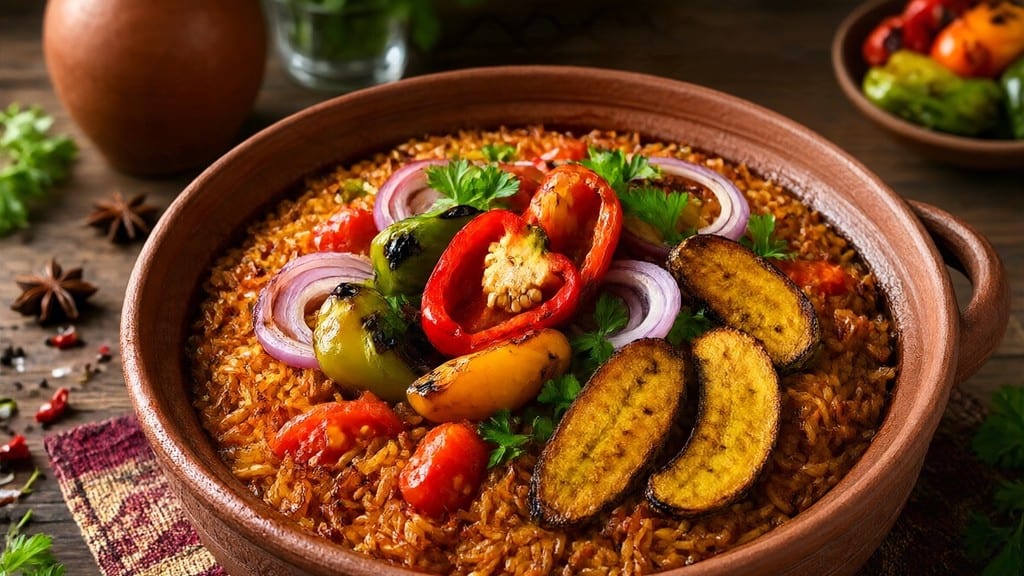
This authentic Nigerian jollof rice recipe delivers the bold, smoky-sweet flavors that make it West Africa's most beloved dish. The secret lies in slow-cooked tomatoes and peppers that develop deep, complex notes while caramelizing into that signature red hue.
My version includes crispy fried plantains on the side—a perfect balance of savory and sweet that transforms dinner into a celebration.
What sets this recipe apart is the careful layering of spices: thyme, curry powder, and bay leaves create that signature jollof aroma, while smoked paprika adds depth without overpowering. The rice absorbs the rich tomato-pepper sauce perfectly, resulting in grains that are tender yet distinct.
This isn't just a side dish—it's the star of the meal, designed to feed a crowd with restaurant-quality results at home.
By the time you serve this dish, your kitchen will smell like a Lagos street market, and every bite will deliver that perfect harmony of smoky, spicy, and slightly sweet flavors. The fried plantains add a crispy contrast that keeps the meal exciting from first to last bite.
Whether you're cooking for family gatherings or weeknight dinners, this recipe delivers authenticity that stands up to any comparison.
Ready to master the art of jollof rice? Let's break down each step to ensure you achieve that perfect balance of colors, textures, and flavors. The key is patience—allowing the sauce to develop its full depth before adding the rice.
Trust the process, and you'll have a dish that's as impressive as it is delicious.
Ingredients for authentic nigerian jollof rice
Sixteen ingredients, one unforgettable flavor explosion—this jollof rice brings Lagos street vibes to your kitchen.
| Ingredient | Amount | Notes |
|---|---|---|
| Long-Grain Parboiled Rice 🍚 | 2 cups | Uncooked, rinsed thoroughly |
| Fresh Tomatoes 🍅 | 4 whole | Medium-sized, Roma preferred |
| Bell Peppers 🌶️ | 2 whole | Red or yellow, seeds removed |
| Scotch Bonnet Peppers 🌶️ | 2 whole | Seeds removed for less heat |
| Onions 🧅 | 2 whole | Yellow, chopped finely |
| Garlic Cloves 🧄 | 8 cloves | Minced finely for depth |
| Thyme Leaves 🌿 | ½ cup | Fresh, stems removed |
| Curry Powder 🌶️ | 2 tbsp | Mild, for authentic flavor |
| Smoked Paprika 🌶️ | 1 tbsp | For that signature smokiness |
| Bay Leaves 🍃 | 2 whole | Fresh for best aroma |
| Ground Ginger 🌿 | 1 tsp | Freshly grated preferred |
| Salt 🧂 | 1 ½ tsp | Adjust to taste |
| Black Pepper 🌶️ | ½ tsp | Freshly cracked |
| Ripe Plantains 🍌 | 2 whole | For crispy frying |
| Vegetable Oil 🫒 | 2 cups | For frying plantains |
| Chicken Stock 💧 | 1 ½ cups | Homemade or quality store-bought |
The tomatoes and peppers are non-negotiable—Roma tomatoes and Scotch bonnet peppers give you that signature deep red color and smoky heat. Whole Foods or African markets carry the best varieties, but don't stress if you can't find them—regular tomatoes and bell peppers work in a pinch. The secret? Roasting them first—charred edges mean caramelized sweetness. Costco sells Roma tomatoes in bulk, perfect for this. If you're using canned tomatoes, San Marzano is worth the splurge for that rich flavor. The plantains? Look for ripe but firm ones—they'll fry up golden and crispy instead of mushy.
No Scotch bonnet? Habanero or jalapeño at half the amount gets you close. Fresh thyme hard to find? Dried works at one-third the quantity. The curry powder should be mild, not hot—Madras or berbere blends work too. For the plantains, vegetable oil is best, but canola works. Want extra smokiness? Add a quarter teaspoon of liquid smoke to the sauce. The rice? Parboiled is key—it stays firm and absorbs the sauce perfectly. And trust me, don't skip the bay leaves—they're what makes it taste authentically Nigerian.
This sauce keeps for 3 days in the fridge—tastes even better the next day as flavors meld. The fried plantains? Eat them fresh—they lose crispiness fast. For leftovers, store rice and plantains separately. The plantains reheat beautifully in a 350°F oven for 10 minutes. Freeze the sauce (without rice) for up to 3 months—just thaw and reheat before adding fresh rice.
Why You'll Love This Recipe
- One-Pot Magic: I swear by this—just chop, sauté, and let it simmer. No fancy gadgets, no extra bowls. That rich tomato-pepper base builds itself right in the pot while the rice cooks through.
- Scotch Bonnet Heat: Between us, the Scotch bonnet peppers are the star. They give it that signature smoky kick that lingers—just enough to wake up your taste buds without burning your mouth (unless you’re going for that, honestly).
- Party in a Box: This is my go-to for gatherings. Serve it with fried plantains or grilled chicken, and suddenly you’re the hero of any event. The leftovers? Even better the next day—if there are any.
- Budget Powerhouse: Long-grain rice and fresh tomatoes stretch into a full meal for a fraction of the cost. I’ve fed my whole family (plus neighbors) with one big pot—minimal ingredients, maximum satisfaction.
Step-by-step instructions for authentic Nigerian jollof rice
Here's how to create that legendary tomato-pepper blend and perfectly cooked rice everyone raves about.
Fry the Plantains Until Golden and Crispy
Slice the 2 whole ripe plantains diagonally into ½-inch thick pieces. Heat 2 cups vegetable oil in a deep frying pan over medium-high heat until it reaches 350°F. You'll know it's ready when a small piece of plantain sizzles immediately upon contact.
Carefully add the plantain slices in batches, turning them occasionally for even browning. Fry for 8-10 minutes until they develop a deep golden color and crispy texture. Remove with a slotted spoon and drain on paper towels. These will add that irresistible sweetness and crunch to your finished dish.
Blend the Tomato-Pepper Base
In a food processor, combine the 4 whole fresh tomatoes, 2 whole bell peppers, 2 whole scotch bonnet peppers (seeds removed), 2 whole onions, and 8 cloves garlic. Pulse until you achieve a smooth, vibrant red puree. This is the foundation of your jollof's signature flavor.
Transfer the puree to a large pot and cook over medium heat for 10 minutes, stirring occasionally. You're developing the flavors here—don't rush this step. The mixture should reduce slightly and deepen in color. This concentrated base will carry all those amazing tomato and pepper flavors through the cooking process.
Build the Spice Mixture
In a small bowl, combine 2 tablespoons curry powder, 1 tablespoon smoked paprika, 0.5 cup thyme leaves, 2 whole bay leaves, 1 teaspoon ground ginger, 1.5 teaspoons salt, and 0.5 teaspoon black pepper. This blend is what gives jollof its distinctive, complex flavor profile.
Add this spice mixture to the tomato-pepper puree in the pot. Stir well and cook for 5 minutes until the spices are fragrant and fully incorporated. You should notice the aroma filling your kitchen—that's when you know the spices are working their magic. This is where all the authentic flavors come together.
Cook the Rice to Perfect Texture
Add the 2 cups long-grain parboiled rice to the pot and stir to coat each grain with the spiced tomato mixture. Pour in 1.5 cups chicken stock, ensuring the rice is fully submerged. Bring to a boil, then reduce heat to low, cover tightly with a lid, and simmer for 25 minutes.
After 25 minutes, check the rice. It should be tender but still have a slight bite. If it's not quite done, add ¼ cup water and cook for another 5 minutes. The rice should be perfectly cooked with just enough moisture—neither mushy nor dry. This is the key to authentic jollof texture.
Rest and Serve with Crispy Plantains
Remove from heat and let the rice rest covered for 10 minutes. This resting period allows the flavors to meld completely and the rice to absorb any remaining liquid. Fluff gently with a fork before serving.
Plate the jollof rice with the crispy fried plantains on the side. The contrast between the rich, spiced rice and sweet, crunchy plantains is what makes this dish so irresistible. Serve immediately while the plantains are still crispy and the rice is hot.
Pro Tips For Making Authentic Nigerian Jollof Rice
- Blister the Tomatoes: I learned this the hard way—skipping this step means your jollof will taste bland. Heat your pot until the oil shimmers, then add the chopped tomatoes whole. Let them sizzle and burst open, releasing their juices before crushing them with your hands. This caramelizes the sugars and builds that deep, smoky base flavor. (Yes, it’ll look messy, but that’s how you know it’s working.)
- Rinse Rice Twice: Parboiled rice is stubborn about starch. Give it two cold water rinses before cooking—swirl it around, drain, repeat. This removes excess starch that would otherwise turn your jollof into glue. Trust me, your rice will stay separate and fluffy, not mushy. (And no, "one rinse" doesn’t count.)
- Don’t Rush the Stock: After the tomatoes and peppers cook down, resist the urge to dump in all your stock at once. Let the onions and spices toast for 5 minutes first—until they’re fragrant and slightly darkened. This develops their flavor before the liquid hits. I used to skip this, and my jollof always tasted flat. Patience here makes a real difference.
- Seal with Oil: Once your rice is cooked and the steam’s died down, drizzle a thin layer of hot oil over the top. This traps moisture and gives that signature glossy finish. (Use about 1 tablespoon—enough to coat the surface but not drown it.) It’s the non-negotiable step that turns "good" jollof into "restaurant-quality" jollof.
Creative variations of authentic nigerian jollof rice
Ghanaian Jollof
Ghanaian jollof, known as "red-red," swaps smoked paprika for ginger and nutmeg, giving it a distinct earthy warmth. Use 1 tsp ground ginger and ½ tsp nutmeg in the spice blend, plus 1 tbsp tomato paste for extra richness.
The sauce is thicker—simmer until it reaches a glossy, paste-like consistency before adding rice. Serve with shito (black pepper sauce) for that authentic Ghanaian kick. 🌶️
Lebanese-Style Jollof
For a Middle Eastern twist, replace curry powder with 1 tbsp ground cumin and 1 tsp cinnamon, plus ½ cup pine nuts toasted in the oil. Use chicken thighs instead of stock for deeper flavor, and finish with chopped parsley and lemon wedges.
The result is a fragrant, nutty jollof that pairs perfectly with hummus and tabbouleh. 🌿
Spicy Nigerian "Party Jollof"
This version cranks up the heat with extra Scotch bonnet peppers (use 3 whole, seeds in) and adds 1 tbsp grated ginger and 1 tsp cayenne to the spice mix. For extra richness, stir in 2 tbsp peanut butter at the end—trust me, it balances the heat beautifully.
Serve with fried puff-puff (beaten dough balls) for a true Lagos street-food experience. 🔥
Vegetarian Jollof
Skip the meat entirely and use 1 cup mixed vegetables (carrots, bell peppers, zucchini) sautéed in the oil before blending. Boost umami with 1 tbsp soy sauce in the spice mix and ½ cup coconut milk instead of stock.
Top with toasted cashews and fresh cilantro for a vibrant, protein-packed dish that still delivers that signature jollof depth. 🌱
One-Pot Jollof with Chicken
For a hands-off version, brown 2 chicken thighs in the oil before blending the tomatoes and peppers. Add the chicken back to the pot after the sauce develops, then cook the rice as directed.
The chicken infuses the sauce with incredible flavor while staying juicy. Serve with a side of cucumber salad to cut through the richness. 🍗
Smoky Grilled Jollof
Take your jollof to the next level by finishing it on the grill. After cooking the rice, spread it on a heavy-duty foil-lined tray and grill over medium heat for 5-7 minutes until slightly charred.
The smoky char adds a whole new dimension to the dish. Pair with grilled corn on the cob and blackened shrimp for a full outdoor feast. 🌽
Nutrition facts
Frequently asked questions
Why does authentic Nigerian jollof have that deep red color?
The vibrant red hue comes from slow-cooking fresh tomatoes and bell peppers until they caramelize. Roasting them first adds charred sweetness, while smoked paprika deepens the color naturally. Never use canned tomatoes—their acidity prevents that rich, glossy finish.
Can I make jollof rice without Scotch bonnet peppers?
Use habanero or jalapeño at half the quantity, or skip them entirely for a milder version. The heat comes from cooking the peppers until sweet—not spicy. For extra depth, add 1 tsp cayenne to the spice blend. The dish will still taste authentic without the fire!
What's the secret to perfectly cooked rice that's not mushy?
Use parboiled rice (like Uncle Ben's Converted) and cook it in 1:1.5 ratio with stock (2 cups rice to 1.5 cups stock). Simmer covered on low heat for 25 minutes, then let it rest 10 minutes before fluffing. Never stir while cooking—this breaks the grains.
How do I store leftovers without drying out the rice?
Store rice and plantains separately in airtight containers. The rice keeps for 3 days in the fridge—reheat with 2 tbsp water per cup in a pot on low heat. For plantains, reheat in a 350°F oven for 10 minutes to restore crispiness. Freeze the sauce (without rice) for up to 3 months.
What's the best way to adjust spice levels for picky eaters?
Remove seeds from all peppers and reduce smoked paprika to ½ tbsp. Add 1 tsp honey or sugar to the sauce to balance heat. For extra mildness, use yellow bell peppers only in the blend. The plantains' sweetness will naturally complement the gentler flavors.