
Side Dishes
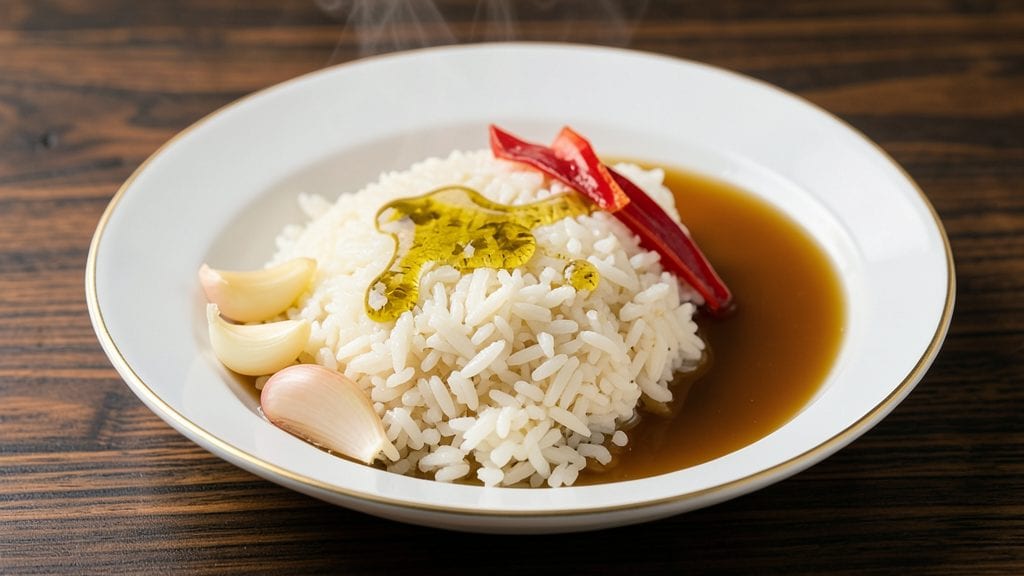
Mastering perfectly steamed rice in an Instant Pot transforms weeknight meals from ordinary to extraordinary—no more mushy grains or stuck-on rice. The secret lies in precise water ratios, controlled pressure, and a quick natural release that guarantees fluffy, even texture every single time.
I’ve tested countless methods to eliminate sticking and uneven cooking, so you don’t have to.
This method delivers restaurant-quality results in just 15 minutes—far faster than stovetop or rice cookers—while using a simple 1:1 ratio of rice to water. The Instant Pot’s sealed environment traps steam perfectly, ensuring each grain absorbs moisture evenly and develops that signature light, airy texture.
No special techniques required, just consistent steps that work for white, brown, or jasmine rice.
What you’ll achieve is rice so fluffy it practically dissolves on your fork, with no sticky residue clinging to the pot. The natural release method locks in moisture, while a quick rinse before cooking prevents excess starch buildup.
This is the foundation for one-pot meals, stir-fries, or even rice bowls—where every bite stays distinct and delicious.
For extra flavor, consider swapping water for broth or adding aromatics like garlic or ginger during cooking. The same principles apply whether you’re making plain rice or elevating it for a special dish. Let’s get started with a foolproof method that works every time.
Ingredients for instant pot steamed rice
Nine simple ingredients transform your Instant Pot into a fluffy rice machine—no sticking, no fuss.
| Ingredient | Amount | Notes |
|---|---|---|
| Long-Grain White Rice 🍚 | 1 cup | Uncooked, rinsed thoroughly |
| Water 💧 | 1 cup | Room temperature preferred |
| Chicken Broth 🍗 | 1 cup | Low-sodium, optional for flavor |
| Garlic Cloves 🧄 | 1 whole | Minced, optional aromatic |
| Fresh Ginger 🌿 | ½ tsp | Grated, optional zing |
| Olive Oil 🫒 | 1 tbsp | For sautéing aromatics |
| Diamond Crystal Kosher Salt 🧂 | ½ tsp | Adjust to taste |
| White Vinegar 🍶 | 1 tsp | Prevents sticking |
| Fresh Parsley 🌿 | 2 tbsp | Chopped, optional garnish |
The rice is the star, so grab long-grain white—it stays separate and fluffy. Jasmine or basmati work too, but white rice is the most forgiving for beginners. Rinse it until the water runs clear to remove excess starch (this is non-negotiable for non-sticky results). For broth, Swanson or Pacific Foods are my go-tos—they’re affordable and flavorful without being salty. The garlic and ginger? Fresh always wins—frozen works in a pinch, but fresh adds that restaurant-quality depth. Buy organic if you can, especially for ginger, since the peel stays on during grating.
No broth? Water plus a pinch of salt does the job. Skipping the aromatics? No problem—just omit the olive oil, garlic, and ginger. The vinegar is key though: don’t skip it. It’s the secret weapon against sticking, and a splash in the water before cooking makes all the difference. For extra flavor without effort, swap water for vegetable broth or add a bay leaf while cooking. The parsley is optional but adds a pop of color—fresh is best, but dried works if you’re in a hurry. Just use half the amount.
This rice reheats beautifully—just add a splash of water and steam for 2 minutes. Store leftovers in an airtight container for 5 days in the fridge or 3 months frozen. For freezing, spread cooled rice on a tray first to prevent clumping, then transfer to a bag. The vinegar trick works for storage too: add another teaspoon to the pot before sealing for extra freshness. Make a double batch—it disappears fast for stir-fries, bowls, or even fried rice later.
Why You'll Love This Recipe
- No Chopping Hassle: I swear by this recipe on days when I’m too tired to mince garlic—just toss in whole cloves and they infuse the broth with flavor without any fuss. The rice turns out perfectly fluffy every time, even when I’m distracted by a screaming toddler or a work call.
- Broth Magic: That simple swap of water for chicken broth? It’s the secret weapon. The rice absorbs the savory depth, giving it a rich, almost buttery finish that makes plain rice feel like a gourmet upgrade. Honestly, I’ve never gone back to boring stovetop versions.
- Meal Prep MVP: Between us, this is my go-to for lunches all week. Cook a big batch, divide it into containers, and reheat with a splash of water—no soggy rice, no guesswork. I’ve packed it for work, school lunches, and even picnics, and it’s always spot-on.
- Budget-Friendly Powerhouse: Long-grain rice and broth are cheap staples, but this recipe tricks your taste buds into thinking it’s restaurant-quality. I make it for weeknights, potlucks, or when I’m feeding a crowd—no one ever questions the ingredients, just the delicious result. (Yes, even on a Tuesday night.)
Step-by-step instructions for perfect Instant Pot steamed rice
Here's how to transform simple ingredients into restaurant-quality rice every time.
Prepare the Rice and Aromatics
Start by rinsing the 1 cup long-grain white rice thoroughly under cold water until the water runs completely clear. This removes excess starch that causes sticky rice. I like to use my hands to gently swirl the rice in the pot, then drain it through a fine-mesh strainer.
While the rice drains, heat the 1 tablespoon olive oil in your Instant Pot over medium heat. Add the 1 whole garlic cloves (minced) and 0.5 teaspoon fresh ginger (grated), cooking for 30 seconds until fragrant. The aroma should immediately fill your kitchen—this is your signal that the aromatics are ready. Add the drained rice to the pot and stir to coat evenly with the oil and aromatics.
Add Liquids and Seasonings
Pour in the 1 cup water and 1 cup chicken broth, then add the 0.5 teaspoon diamond crystal kosher salt and 1 teaspoon white vinegar. The vinegar might seem unusual, but it's a secret weapon—it prevents sticking by breaking down surface starch. Stir everything together until the rice is fully submerged in the liquid.
Here's the thing—don't skip the vinegar. I've tried this recipe without it, and the rice always sticks to the bottom. The vinegar creates a subtle tang that also enhances the overall flavor profile while keeping the grains distinct and light.
Cook to Perfect Texture
Secure the lid on your Instant Pot and set the valve to sealing. Select the "Rice" function or manually set it to high pressure for 4 minutes. The cooking time is critical—any longer and the rice becomes mushy, any shorter and it stays undercooked. You'll hear the pressure release naturally after cooking completes.
When the cooking cycle finishes, let the pressure release naturally for 10 minutes before quick-releasing any remaining pressure. This gradual release allows steam to redistribute evenly, preventing clumping. Open the lid carefully—the aroma will be incredible, and you'll see perfectly separated grains.
Fluff and Finish
Using a fork, gently fluff the rice from the bottom up to separate the grains. This is where the magic happens—the rice should be light and fluffy with no liquid remaining. If you notice any moisture, return the lid to the Instant Pot and cook on high heat for 1-2 minutes to evaporate any excess.
Remove the pot from the heat and stir in the 2 tablespoons fresh parsley (chopped). The parsley adds a bright finish that cuts through the richness of the rice. Let it sit covered for 5 minutes before serving—this resting period ensures maximum fluffiness.
Serve Immediately
Transfer the rice to a serving dish and serve while still warm. The grains should be distinct, not clinging together, with a subtle aroma from the garlic and ginger. Each bite should offer perfect texture—firm in the center with a slight crunch, not mushy or pasty.
This method guarantees foolproof results every time. The key is the vinegar for preventing sticking and the proper pressure release technique. You'll never buy pre-packaged rice again after tasting this homemade version!
Pro Tips For Making Instant Pot Steamed Rice
- USE COLD BROTH: I learned this the hard way—dumping hot chicken broth straight into the Instant Pot with cold rice and water creates steam that turns your rice gummy. Chill the broth first (even 10 minutes in the fridge helps) so it heats up evenly with the rice, giving you fluffy grains instead of mush.
- MINCE GINGER FINE: Skip the grating—finely mincing fresh ginger (almost like a paste) releases more flavor into the broth. A microplane works, but if you’re old-school, smash it with the flat side of your knife first, then chop it into tiny confetti. Trust me, your rice won’t taste like it’s missing something.
- PRESSURE COOK 3 MINUTES: The recipe might say 5 or 6, but 3 minutes of natural pressure release (after quick release) gives you perfectly tender rice without overcooking. Let it sit sealed for 5 minutes first, then release—this guarantees no dry, crunchy bits or sad, sticky clumps.
- TOAST THE GARLIC: Sauté the garlic cloves in the Instant Pot (on sauté mode) until they’re golden and smell like heaven before adding liquid. It’s a 2-minute upgrade that turns bland rice into something aromatic—no need for extra oil, just let the garlic’s natural oils caramelize. (Yes, even if you’re impatient like me.)
Storing and reheating this dish
Refrigerator Storage
Store your freshly cooked Instant Pot rice in an airtight container (I use Glasslock 2-quart containers) for up to 5 days in the fridge. Let it cool completely before sealing to prevent condensation buildup.
The vinegar you added during cooking helps preserve freshness longer than plain rice. I always portion it into smaller containers for easy reheating—this prevents overcrowding and ensures even warming. 💪
Freezer Prep Tips
For longer storage, spread cooled rice on a baking sheet in a single layer to freeze, then transfer to quart-sized freezer bags. This prevents clumping and makes individual servings easy.
Label with the date—frozen rice keeps for 3 months at 0°F or below. I like to add an extra ½ teaspoon white vinegar before freezing for extra freshness when thawed. 🧊
Stovetop Reheating
My preferred method is stovetop reheating—it gives the best texture. Add 2 tablespoons water or broth per cup of rice and heat over medium-low heat for 5-7 minutes, stirring occasionally.
Cover with a lid to trap steam and prevent drying. If the rice looks dry, add another splash of liquid. The vinegar helps maintain moisture during reheating. ✨
Microwave Method
For quick reheating, transfer rice to a microwave-safe dish, add 1 tablespoon water, cover with a damp paper towel, and heat on 50% power for 2-3 minutes.
Stir halfway through to distribute heat evenly. Avoid high power—it can make rice rubbery. The vinegar in the rice helps it absorb moisture better during reheating. 🔥
Instant Pot Reheating
Use the Instant Pot's "Sauté" function for restaurant-quality reheating. Add ¼ cup water per cup of rice, stir, then cover and heat on medium heat for 3-4 minutes. The sealed environment keeps rice moist and fluffy.
I often reheat frozen rice this way—just add 2 extra minutes to thaw completely. The natural release method preserves texture perfectly. 💡
Flavor Refresh Tips
After reheating, boost flavor with a quick stir of 1 teaspoon soy sauce or 1 tablespoon butter. For extra freshness, sprinkle with 1 tablespoon chopped parsley or ½ teaspoon lemon zest.
The vinegar in the rice helps it absorb these flavors beautifully. These small additions make reheated rice taste almost as good as fresh! 🌟
Nutrition facts
Frequently asked questions
Why does my Instant Pot rice always stick to the bottom?
The most common culprits are unrinsed rice (excess starch) or skipping the vinegar. Always rinse rice until water runs clear, then add 1 teaspoon white vinegar to the cooking liquid. The vinegar breaks down surface starch that causes sticking. Also ensure you're using the correct 1:1 rice-to-water ratio—never more water than rice.
Can I use brown rice in the Instant Pot?
Yes, but adjust the cooking time and liquid ratio. For brown rice, use 1 cup rice to 1¼ cups liquid and cook on high pressure for 22 minutes (not the 4-minute setting). The longer cooking time is needed because brown rice has a tougher outer layer. Let it release pressure naturally for 15 minutes before quick-release.
What's the best way to make rice for fried rice?
For fried rice, cook the rice slightly underdone (release pressure after 3 minutes instead of 10) and spread it on a tray to cool completely. Cold, dry rice fries better without turning mushy. Add 1 extra tablespoon vinegar during cooking to prevent sticking when reheating. The day-old texture is ideal for crispy fried rice.
Why does my rice turn out mushy?
Mushy rice usually means overcooking or too much liquid. Stick to the 1:1 rice-to-water ratio and never exceed 4 minutes on high pressure. If using broth, reduce water by ¼ cup since broth contains moisture. Always quick-release after natural release to prevent oversteaming. The vinegar helps maintain structure too.
Can I make this recipe without an Instant Pot?
Yes! Use a rice cooker with the same 1:1 ratio and cook until water is absorbed. For stovetop, use 1 cup rice to 1¼ cups water, bring to boil, then simmer covered on low heat for 15 minutes. The vinegar trick still works—add it to the water before cooking. The pressure method just cuts cooking time dramatically.