
Main Courses
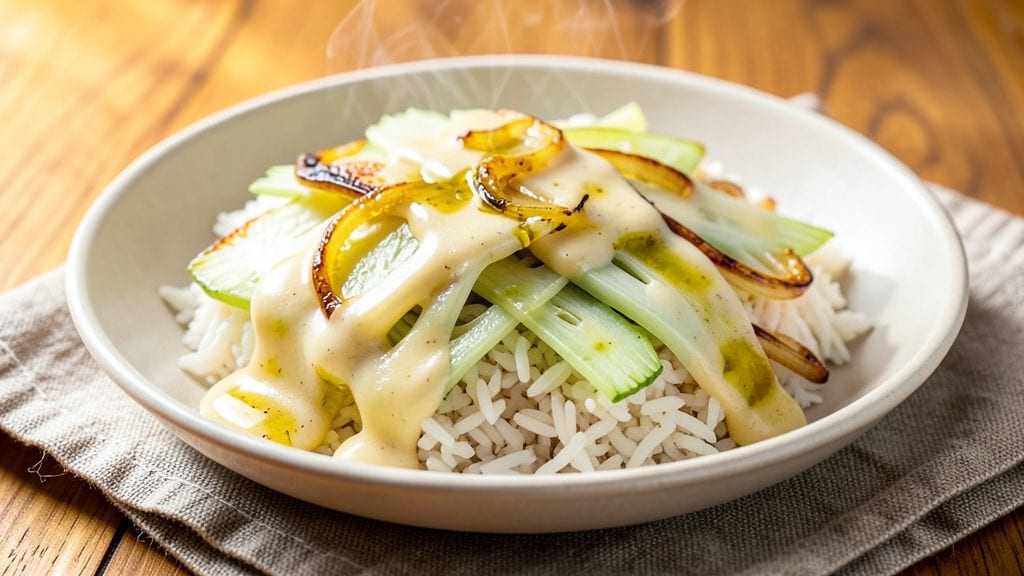
This hearts of palm rice recipe transforms simple ingredients into a tropical, one-pan dish that feels like a vacation in every bite. The tender, shredded hearts of palm blend seamlessly with fluffy rice, creating a creamy yet light texture that’s both satisfying and elegant.
I developed this dish after discovering how versatile hearts of palm could be—no more boring rice bowls here.
The secret lies in balancing the natural sweetness of the hearts of palm with toasted coconut and a touch of lime, resulting in a dish that’s vibrant, aromatic, and packed with texture.
Ready in 30 minutes, it’s perfect for weeknight dinners or meal prep, offering a restaurant-quality experience without the fuss. Let’s bring this tropical flavor to your table.
Ingredients for hearts of palm rice
Simple ingredients that deliver tropical flavors without exotic shopping trips.
| Ingredient | Amount | Notes |
|---|---|---|
| Long-Grain White Rice 🍚 | 1 ½ cups | Uncooked, rinsed thoroughly |
| Canned Hearts of Palm 🌿 | 14 ½ oz | Drained, shredded with fork |
| Unsweetened Coconut Milk 🥥 | 13 ½ oz | Full-fat, well-shaken |
| Extra-Virgin Olive Oil 🫒 | ¼ cup | Light, fruity variety |
| Yellow Onion 🧅 | 1 whole | Medium, finely diced |
| Fresh Lime Juice 🍋 | 2 tbsp | Freshly squeezed |
| Toasted Coconut Flakes 🥥 | ¼ cup | Unsweetened, lightly toasted |
| Fresh Cilantro 🌿 | ¼ cup | Chopped, stems removed |
| Garlic Cloves 🧄 | 3 cloves | Minced, fresh preferred |
| Vegetable Broth 💧 | 1 ½ cups | Low-sodium, homemade or quality brand |
| Diamond Crystal Kosher Salt 🧂 | 1 tsp | Adjust to taste |
| Ground Black Pepper 🌶️ | ½ tsp | Freshly ground |
| Honey 🍯 | 1 tbsp | For subtle sweetness |
The hearts of palm are the star—opt for Goya or Del Monte brands for consistent quality. Look for cans with no added preservatives, and always drain them thoroughly to avoid excess moisture. Yellow Onion should be firm with no sprouting; store it in a cool, dark place. For unsweetened coconut milk, Thai Kitchen or Aroy-D brands offer the best balance of creaminess and flavor. Fresh garlic cloves should be plump and free from sprouts, while lime juice should be bright yellow with a firm, heavy feel—avoid those with soft spots. Vegetable broth is crucial; Pacific Foods or Swanson low-sodium options work perfectly without overwhelming the dish.
No hearts of palm? Substitute with artichoke hearts (drained and chopped)—they add a similar texture. Running low on coconut milk? Light coconut milk plus 1 tbsp extra olive oil mimics the richness. Fresh lime juice unavailable? Bottled lime juice works in a pinch, but add a pinch of sugar to balance the tartness. Cilantro can be swapped for parsley if you prefer a milder flavor. For toasted coconut flakes, skip the toasting and use unsweetened shredded coconut if needed, though the texture will differ slightly. Honey can be replaced with maple syrup for a vegetarian-friendly alternative, though it adds a distinct flavor profile.
Store uncooked rice in an airtight container in a cool, dark place for up to 6 months. Coconut milk should be refrigerated after opening and used within 5 days. Fresh herbs like cilantro and lime juice are best used immediately, but hearts of palm keep for up to 3 months unopened in the pantry. This dish reheats beautifully—cover with a damp paper towel and microwave for 2 minutes to restore moisture. For meal prep, portion into glass containers to maintain freshness for up to 5 days in the refrigerator.
Why You'll Love This Recipe
- I’ll be real: this tastes like a restaurant dish, but the ingredients won’t break the bank. Canned hearts of palm and coconut milk are affordable, and a single batch stretches easily for two meals. Plus, the olive oil adds depth without needing expensive spices—simple, but never boring.
- Pantry Magic: I swear by this recipe when I’m staring into an empty fridge. Hearts of palm and coconut milk do the heavy lifting—no fancy ingredients, just a can, a carton, and a few staples. The rice comes out creamy without extra fuss, and honestly? That’s my kind of cooking.
- Creamy Without the Work: The coconut milk makes this dish silky smooth, but here’s the twist: you don’t need to strain or blend anything. Just chop the onion, drain the hearts of palm, and let the rice simmer. That crisp-tender texture from the hearts of palm? It’s the perfect contrast to the rich, velvety rice.
- Lunchbox Hero: Between us, this is my go-to for meal prep. The flavors stay fresh for days, and it’s the kind of dish that tastes just as good cold as it does hot. Pack it in containers, and you’ve got a satisfying lunch that doesn’t require reheating—just grab and go.
Step-by-step instructions for hearts of palm and rice
This one-pan tropical dish delivers creamy coconut rice with tender hearts of palm in under 40 minutes.
Sauté Aromatics in Olive Oil
Heat the 0.25 cup extra-virgin olive oil in a heavy-bottomed skillet over medium heat. Add the 1 whole yellow onion and 3 cloves garlic cloves, cooking for 5-6 minutes until the onion becomes translucent and the garlic releases its fragrant aroma. This foundational step builds the flavor base for your dish.
Real talk: Don't rush this step. You'll notice the onions soften and the garlic turns golden—that's when you know they're ready. If you smell burning, reduce the heat slightly and give it another minute. The goal is to develop flavor without color loss.
Toast the Rice and Add Broth
Add the 1.5 cups long-grain white rice to the skillet and toast for 2-3 minutes, stirring constantly, until the grains become slightly translucent at the edges. This dry toasting prevents mushy rice and enhances nutty flavors.
Pour in the 1.5 cups vegetable broth and stir once to distribute evenly. Bring to a gentle simmer, then reduce heat to low. Cover the skillet tightly with a lid and cook for 12-15 minutes until the liquid is nearly absorbed. The rice should be tender but still slightly firm—this ensures it finishes cooking perfectly in the coconut milk.
Incorporate Hearts of Palm and Coconut Milk
Remove the lid and stir in the 14.5 oz canned hearts of palm (shredded with a fork) and 13.5 oz unsweetened coconut milk. Return to a gentle simmer over low heat for 8-10 minutes, stirring occasionally, until the rice absorbs all remaining liquid and becomes creamy.
Here's the thing—you want the rice to be tender but not mushy. If it's still slightly underdone, cover and cook for another 2-3 minutes. The coconut milk should create a luscious, velvety texture that coats each grain perfectly. Taste and adjust seasoning with 1 tsp diamond crystal kosher salt and 0.5 tsp ground black pepper as needed.
Finish with Lime and Honey
Remove the skillet from heat and stir in the 2 tbsp fresh lime juice and 1 tbsp honey. The acidity brightens the dish while the honey adds subtle sweetness that balances the tropical flavors. Let it sit for 2-3 minutes to allow the lime to mellow slightly.
This is the moment that matters: the lime juice should cut through the richness of the coconut milk, creating a perfect balance. If you find the dish too acidic, add a pinch more honey. The goal is a harmonious blend where each ingredient shines without overpowering the others.
Garnish and Serve Immediately
Transfer the rice mixture to a serving dish and top with 0.25 cup toasted coconut flakes and 0.25 cup fresh cilantro. The toasted coconut adds texture contrast while the cilantro brings freshness that elevates the entire dish.
Serve immediately while warm. The toasted coconut flakes should be crisp against the creamy rice, and the cilantro should add a vibrant pop of color. This dish is best enjoyed fresh, as the flavors meld beautifully in the first 10 minutes after cooking. Pair with grilled shrimp or a simple side salad for a complete tropical meal.
Pro Tips For Making Hearts Of Palm Rice
- Sear the Onion First: Hit the pan with medium-high heat and cook the diced onion in olive oil until it’s deep golden—not just soft, but actually caramelized. I used to skip this, and the dish tasted flat; the extra effort makes the coconut and palm flavors pop.
- Drain and Rinse the Palm: Hearts of palm come packed in brine or syrup—drain them, then rinse under cold water to cut the saltiness. Skip this, and your rice will taste like a sad, salty soup instead of a bright, balanced dish.
- Use Full-Fat Coconut Milk: The can says “unsweetened,” but if you grab the light version, your rice will turn out dry and mealy. The fat is what makes it creamy and rich—don’t skimp, even if it’s a splurge.
- Toast the Rice Briefly: Before adding liquid, stir the dry rice in the pot for 30 seconds on medium heat. This toasts the grains slightly, giving them a nuttier base that holds up better to the coconut milk’s richness. (Yes, it smells weird at first—trust it.)
Common mistakes when making great hearts of palm rice
Overcooking the Rice
One of the biggest mistakes is letting the rice absorb all the liquid too quickly, especially when adding coconut milk. The rice can turn mushy if you don’t monitor the heat carefully. I’ve seen this happen when people increase the heat too high after adding the coconut milk.
Instead, keep the heat at low and stir occasionally to ensure even cooking. If the rice starts sticking to the pan, add a splash of water or broth to loosen it up. 🍚
Skipping the Toasting Step
Many people rush through the rice toasting step, but this is where the nutty flavor develops. Skipping it results in bland rice that lacks depth. Toast your 1.5 cups long-grain white rice for 2-3 minutes over medium heat until it’s just translucent at the edges.
This step is non-negotiable for achieving that perfect texture and flavor in your hearts of palm rice. 🔥
Using Low-Quality Coconut Milk
The quality of your coconut milk makes a huge difference in the final dish. Light or watery coconut milk won’t give you that creamy, rich texture you’re aiming for. Always use full-fat, unsweetened coconut milk like Thai Kitchen or Aroy-D.
Shake the can well before opening to ensure the cream is evenly distributed. If you’re using a carton, give it a good stir to avoid a watery consistency. 🥥
Not Draining Hearts of Palm Properly
Hearts of palm come packed in brine, and if you don’t drain them thoroughly, your rice dish will turn out watery. Always drain and rinse the 14.5 oz canned hearts of palm under cold water before shredding them with a fork.
This removes excess sodium and moisture, ensuring your rice stays perfectly balanced. I like to press them gently with a paper towel to remove any remaining liquid. 🌿
Ignoring the Lime Juice Timing
Adding lime juice too early can make your dish taste overly acidic. The key is to stir it in just before serving, or at the very least, right after removing the dish from heat. This lets the flavors meld together naturally.
If you add it too soon, the acidity can overpower the coconut and hearts of palm. Trust me, this small detail makes a big difference in the final taste. 🍋
Overcomplicating the Garnish
While garnishes elevate a dish, overdoing it can distract from the star ingredients—hearts of palm and coconut rice. Stick to simple, fresh toppings like toasted coconut flakes and cilantro.
Avoid heavy garnishes like cheese or nuts, which can weigh down the dish. The goal is to enhance, not overpower, the natural flavors you’ve worked so hard to perfect. ✨
Nutrition facts
Frequently asked questions
Can I use brown rice instead of white rice in this recipe?
Yes, but you'll need to adjust the cooking time. Brown rice takes longer—about 20-25 minutes after adding broth—since it absorbs liquid more slowly. Use the same ratio but check for doneness 5 minutes before the suggested time. The texture will be nuttier and heartier, which pairs beautifully with the tropical flavors.
How do I store leftovers to keep them creamy?
Store in an airtight container with a damp paper towel pressed on top to retain moisture. Reheat covered in the microwave for 2 minutes, then stir in a splash of water or coconut milk to restore creaminess. Leftovers keep well for 4-5 days in the fridge. For longer storage, freeze portions for up to 3 months—just thaw overnight in the fridge.
What's the best way to shred hearts of palm for even texture?
Drain and rinse the hearts of palm first, then use a fork to gently pull apart into ¼-inch strands. For a finer texture, pulse in a food processor for 10 seconds—just enough to break them down without turning them into a paste. Avoid over-processing, or they'll lose their natural texture.
Can I make this dish in a rice cooker?
Cook the rice portion normally, then transfer to a skillet to add the hearts of palm, coconut milk, and remaining ingredients. The rice cooker handles the initial toasting and broth phase perfectly. Just monitor the coconut milk stage closely to prevent overcooking. The final result will be just as creamy and flavorful!
What are the best protein pairings for this dish?
Grilled shrimp or chicken work beautifully, but for vegetarian options try marinated tofu or chickpeas. The tropical flavors also complement avocado slices or a simple mango salsa. Keep portions balanced—this creamy rice is rich enough to stand alone as a main dish.