
Desserts
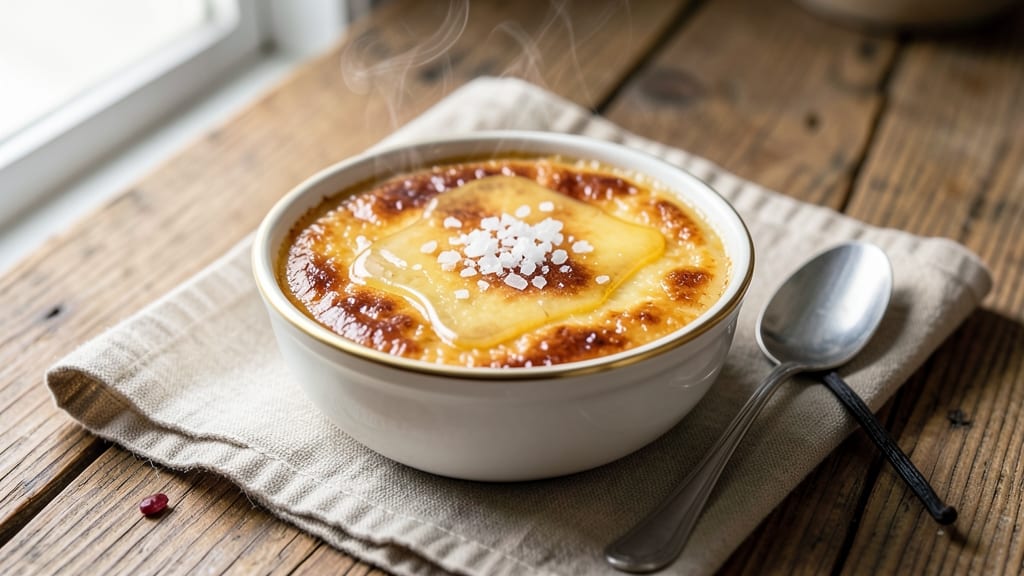
This rice custard recipe delivers layers of silky vanilla-scented creaminess with a toasted coconut topping that tastes like a tropical vacation in every bite. The secret lies in simmering rice with milk until it reaches that perfect tender yet slightly firm texture, then folding in eggs for a velvety finish.
I perfected this version after testing countless methods—some too thin, others too grainy—until I found the balance between creamy and structured.
The foundation is simple: short-grain rice cooked slowly with milk and sugar until thickened, then enriched with egg yolks for that signature custard-like richness. Toasted coconut adds a caramelized crunch that contrasts beautifully with the soft interior, while vanilla extract infuses warmth throughout.
This recipe builds on classic rice pudding techniques but elevates them with professional-level texture control.
What you’ll achieve is a dessert that’s restaurant-quality—smooth, fragrant, and perfectly set, with a golden coconut topping that’s irresistibly crisp. The custard holds its shape when chilled but melts luxuriously when served warm, making it versatile for both classic pudding and creative fillings.
Ready in about 45 minutes, it’s ideal for special occasions or a comforting weeknight treat.
For variations, try adding cardamom or cinnamon for warmth, or swap coconut for toasted nuts. The recipe also works as a savory base—just omit sugar and use chicken broth instead of milk. Let’s create this silky masterpiece step by step, ensuring every layer lives up to its potential.
Ingredients for rice custard
Sixteen essential ingredients transform into restaurant-quality rice custard with velvety layers and toasted coconut crunch.
| Ingredient | Amount | Notes |
|---|---|---|
| Short-Grain White Rice 🍚 | 1 cup | Jasmine or Arborio preferred for creaminess |
| Whole Milk 🥛 | 4 cups | Full-fat for optimal texture |
| Granulated White Sugar 🍚 | ¾ cup | Adjust for sweetness preference |
| Large Egg Yolks 🥚 | 6 whole | Fresh, room-temperature preferred |
| Pure Vanilla Extract 🌿 | 2 tsp | Bourbon or Madagascar preferred |
| Unsalted Butter 🧈 | ½ cup | Cold, cubed for even melting |
| Shredded Unsweetened Coconut 🥥 | 1 cup | Freshly toasted for texture |
| Diamond Crystal Kosher Salt 🧂 | ½ tsp | Fine grain preferred |
| Ground Cinnamon 🌿 | ½ tsp | Optional for warmth |
| Toasted Coconut Oil 🫒 | 2 tbsp | For topping caramelization |
| Heavy Whipping Cream 🥛 | ½ cup | Optional for extra richness |
The rice selection is critical—jasmine or Arborio yields the optimal creamy texture. Lundberg Family Farms or Calrose brands excel for this application. For the milk, whole milk from organic sources ensures superior fat content, crucial for achieving that signature custard consistency. The egg yolks must be fresh and room-temperature—this prevents curdling during the simmering process. Vital Farms or Peters Eggs provide the highest quality. Vanilla extract should be pure Madagascar or bourbon-infused—imitation extracts contain artificial flavors that disrupt the delicate balance of this dessert.
Substitutions require careful consideration to maintain texture integrity. 2% milk can be used but may yield a slightly less creamy result. For dairy-free adaptations, full-fat coconut milk works but requires additional thickening with cornstarch. The coconut can be substituted with toasted almonds or pecans for a nutty variation, though the flavor profile shifts significantly. If vanilla extract is unavailable, vanilla bean paste provides superior flavor intensity. The cinnamon is optional but recommended—Ceylon cinnamon offers a more delicate flavor than cassia. For those avoiding refined sugar, coconut sugar can replace granulated sugar at a 1:1 ratio, though it may darken the custard slightly.
Proper storage ensures optimal texture preservation. The custard maintains peak quality when refrigerated in an airtight container for up to 5 days. For longer storage, freeze individual portions wrapped in parchment paper for up to 3 months. The toasted coconut topping should be stored separately in a sealed container at room temperature to maintain crispness. When reheating, the custard should be warmed gently in a double boiler to prevent graininess. Serving warm enhances the vanilla aroma and coconut crunch, while chilled versions offer a refreshing contrast. Portion into individual ramekins for elegant presentation.
Why You'll Love This Recipe
- No-Fuss Ingredients: I keep a pantry stocked with short-grain rice and milk anyway—this recipe just repurposes what’s already there. No specialty items, no last-minute grocery runs for obscure spices.
- Velvet Creaminess: That first spoonful of custard—silky from the yolks, sweetened just enough to balance the rice’s mildness—feels like a hug in dessert form. The vanilla ties it all together without overpowering.
- Weeknight Magic: I make a double batch on Sundays and stash it in the fridge. Cold or warm, it’s the perfect after-dinner treat when I’m too tired for anything fancy.
- Budget Luxury: For under $5, I get enough servings to impress guests or fuel my kids for a week. The yolks add richness without breaking the bank, and the rice stretches further than you’d think.
Step-by-step instructions for rice custard
Here's the method to achieve a perfectly silky rice custard with aromatic vanilla layers and a toasted coconut finish.
Toast the Short-Grain White Rice
In a heavy-bottomed saucepan, melt the 0.5 cup unsalted butter over medium heat. Add the 1 cup short-grain white rice and toast for 3-4 minutes, stirring constantly, until the grains turn a light golden color and become fragrant. This step develops the rice's natural nutty flavor and prevents a raw taste in the final custard.
Here's the thing—don't walk away. The rice burns quickly once it starts to brown. When the butter stops sizzling and the rice smells toasty, you're ready for the next step. Immediately add the 4 cups whole milk and bring to a gentle simmer over low heat. Stir occasionally to prevent sticking, as the rice will release starch and thicken the mixture.
Infuse with Vanilla and Sweeten
Once the milk mixture reaches a gentle simmer, reduce heat to low and add the 0.75 cup granulated white sugar, stirring until fully dissolved. This is where the custard's sweetness develops evenly. Add the 2 tsp pure vanilla extract and 0.5 tsp diamond crystal kosher salt, stirring well to distribute the flavors throughout the mixture.
For optimal texture, I've found that simmering uncovered for 15-20 minutes allows excess moisture to evaporate while concentrating the flavors. You'll know it's ready when the mixture thickens to a pudding-like consistency—it should coat the back of a spoon but still flow smoothly. If you prefer a hint of warmth, now's the time to add the 0.5 tsp ground cinnamon and stir briefly.
Temper and Combine with Egg Yolks
In a separate bowl, whisk the 6 whole large egg yolks until they're pale and slightly thickened. This step is critical—tempering prevents the eggs from scrambling when they hit the hot rice mixture. Slowly ladle about 1 cup of the hot rice custard into the egg yolks while whisking constantly. The goal is to raise the egg temperature gradually to 160°F without cooking them.
Once the egg mixture is warmed through, pour it back into the saucepan with the remaining custard. Return to low heat and stir continuously for 5-7 minutes until the mixture thickens to a creamy consistency. You'll notice it coats the spoon completely and leaves a clean trail when you run your finger through it. This is the moment that matters—remove from heat immediately to prevent curdling.
Prepare the Toasted Coconut Topping
While the custard cools, prepare the topping by melting the 2 tbsp toasted coconut oil in a small skillet over low heat. Add the 1 cup shredded unsweetened coconut and toast for 2-3 minutes, stirring constantly, until the coconut turns a deeper golden color and releases its nutty aroma. Remove from heat and set aside.
For extra richness, whisk the 0.5 cup heavy whipping cream into the custard mixture while it's still warm. This creates a luxurious texture that balances the coconut's intensity. Let the custard cool to room temperature before transferring to serving dishes. The cream should be fully incorporated, giving the custard a velvety finish that complements the toasted coconut.
Layer and Chill for Silky Perfection
Divide the custard evenly among 6 serving dishes (typically 6-ounce ramekins). Sprinkle the toasted coconut evenly over each portion, pressing it gently into the surface to create a textured contrast. The coconut's toasted aroma will infuse into the custard as it chills, enhancing the overall flavor profile.
Cover each dish with plastic wrap and refrigerate for at least 4 hours, or until completely set. I prefer to chill overnight—this allows the flavors to meld fully and the texture to become perfectly silky. When ready to serve, garnish with an additional sprinkle of toasted coconut if desired. The contrast between the creamy custard and the crunchy coconut topping creates a satisfying texture experience with every bite.
Pro Tips For Making Rice Custard
- Toast the rice first: I learned this the hard way—raw rice in custard turns to mush. Dry-toast your short-grain rice in a skillet over medium heat until it smells nutty and the edges turn translucent (about 5-7 minutes). This step builds flavor and prevents a gluey texture. (Yes, even if you're impatient like me.)
- Whisk yolks like your life depends on it: Egg yolks are your custard’s backbone, so don’t treat them like an afterthought. Whisk them with sugar until they’re pale, thick, and ribbon-like—this takes 3-4 minutes of steady work. Cold yolks? Warm them slightly first. Skimp here, and you’ll end up with scrambled eggs disguised as dessert.
- Temper the milk slowly: Pouring hot milk into cold yolks is a one-way ticket to scrambled disaster. Start by whisking in a ladleful of hot milk into the yolk mixture, then slowly add the rest while stirring constantly. The goal? Keep the temperature under control so the eggs cook gently, not curdle. I used to rush this—don’t make my mistake.
- Strain before baking: No matter how well you whisk, rice custard can get grainy. After mixing everything, strain the batter through a fine-mesh sieve into your baking dish. It’s a little extra work, but the result is silky smooth—like the difference between homemade and store-bought. (Your future self will notice.)
Perfect pairings for rice custard
Creamy Toppings
Elevate your rice custard with whipped coconut cream—whisk ½ cup coconut cream with 1 tsp vanilla extract until fluffy, then pipe over the chilled custard.
For a modern twist, add caramelized bananas: slice 2 ripe bananas, sauté in 1 tbsp butter with ½ tsp cinnamon until golden, and arrange on top. Both toppings amplify the tropical vibes while keeping the dish light and refreshing. 🍌
Spiced Syrups
Drizzle with vanilla bean syrup for extra depth—simmer ½ cup sugar, ¼ cup water, and 1 vanilla bean (split) for 5 minutes, then strain. For warmth, try cardamom-infused honey: crush 3 cardamom pods, steep in ¼ cup honey, and heat gently.
These syrups add moisture and complexity, balancing the custard’s richness without overpowering it. ✨
Crunchy Contrasts
Swap toasted coconut for crushed meringue cookies—pulse ½ cup store-bought meringues in a food processor until fine, then sprinkle over the custard. For a nutty crunch, toast ¼ cup chopped macadamia nuts with 1 tsp coconut oil until fragrant.
These textures create a satisfying bite that cuts through the custard’s silky smoothness. 🌟
Fruit Pairings
Fresh mango slices or passion fruit pulp add vibrant acidity—toss 1 cup diced mango with 1 tbsp lime juice and serve alongside. For a baked element, caramelize ½ cup pineapple rings in 1 tbsp brown sugar until sticky.
Fruit not only brightens flavors but also makes the dish feel lighter and more seasonal. 🍍
Beverage Pairings
Serve with chilled coconut milk (strained) for a creamy, refreshing sip that mirrors the custard’s tropical notes. For coffee lovers, a lightly sweetened Vietnamese iced coffee (with condensed milk) complements the vanilla depth. Avoid heavy drinks—opt for something light to let the custard shine. ☕
Savory Twists
For a savory version, pair with pickled jalapeños or smoked paprika-dusted tortilla chips—sprinkle ½ tsp smoked paprika over crushed chips for a smoky crunch. A side of spicy mango salsa (diced mango, red onion, jalapeño, lime) balances the custard’s sweetness with a tangy kick.
Perfect for brunch or a unique dessert-savory fusion. 🌶️
Nutrition facts
Frequently asked questions
Why does my rice custard turn out grainy instead of silky?
Graininess usually happens when the rice isn't cooked long enough or the eggs scramble during tempering. Always simmer the rice-milk mixture for 15-20 minutes until it reaches a pudding consistency, then temper the eggs slowly by mixing 1 cup of hot custard into the yolks before combining. Remove from heat immediately when the custard thickens to prevent overcooking.
Can I make this rice custard without eggs for a vegan version?
Yes! Replace the egg yolks with 2 tbsp cornstarch or 1 tbsp agar-agar powder mixed with 2 tbsp cold water. Stir this into the cooked rice-milk mixture and simmer until thickened. For extra creaminess, add ½ cup coconut cream at the end. The texture will be slightly different but still delicious.
How do I know when the custard is fully set before serving?
The custard should be firm enough to hold its shape when gently shaken in the ramekin, but still have a slight wobble in the center. It should also hold a clean imprint when you press your finger into it. Chill for at least 4 hours (overnight is ideal) for perfect texture. A toothpick inserted should come out clean with no wet mixture clinging.
Can I bake this rice custard instead of chilling it?
For a baked version, transfer the custard to a greased baking dish, sprinkle with toasted coconut, and bake at 350°F (175°C) for 30-35 minutes until set. Let it cool slightly before serving. This method works well for individual servings in ramekins too—just reduce baking time to 20-25 minutes. The baked version has a slightly firmer texture but still maintains that creamy interior.
What's the best way to reheat leftover rice custard?
Always reheat gently to preserve texture. Place individual portions in a double boiler or microwave on low power (30% setting) for 20-30 seconds, stirring halfway. Avoid high heat—it can make the custard grainy. For extra richness, top with a dollop of whipped cream or a drizzle of warm caramel sauce before serving.