
Main Courses
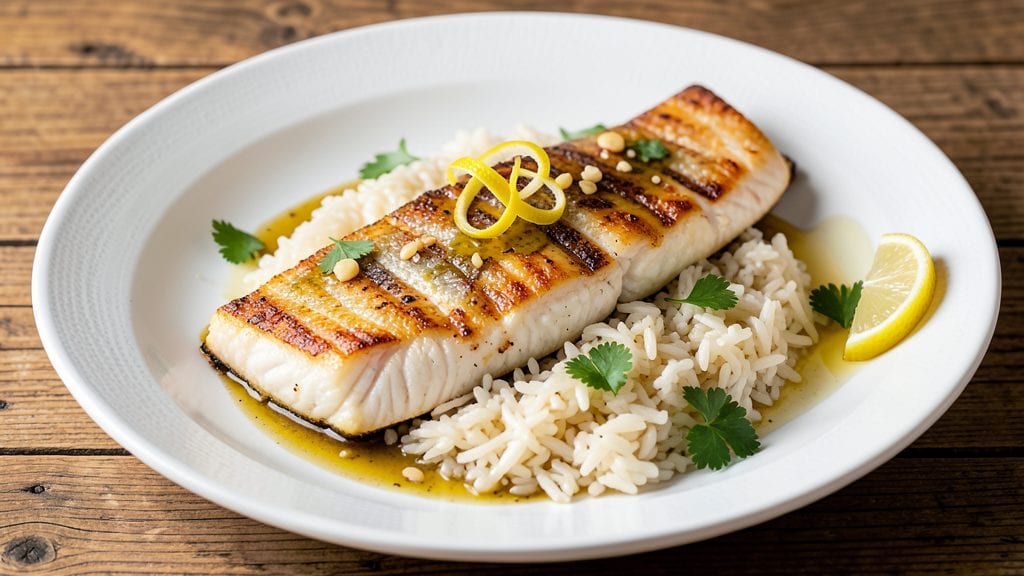
This haddock and rice recipe delivers the perfect balance of tender, flaky fish and buttery lemon-garlic grains that elevate a simple weeknight dinner into something special.
The secret lies in pan-searing the haddock just until it reaches that delicate, melt-in-your-mouth texture while infusing the rice with bright citrus and aromatic herbs during cooking.
I developed this method after years of testing—too many times burning the fish or leaving it dry—until I cracked the code for restaurant-quality results at home.
The result is a dish where perfectly cooked haddock rests atop fragrant, golden rice infused with lemon zest and garlic, creating a harmonious blend of flavors and textures. The haddock stays moist and flaky, while the rice absorbs just enough liquid to develop a subtle crust at the edges.
This recipe works equally well with white or jasmine rice, and the lemon-garlic base can be easily adapted to suit your taste preferences. Ready in under 45 minutes, it’s the ideal solution for a satisfying yet effortless meal.
Ingredients for haddock rice
Simple ingredients that pack a punch—flaky haddock and fragrant lemon-garlic rice.
| Ingredient | Amount | Notes |
|---|---|---|
| Haddock Fillets 🐟 | 1 ½ lb | Skin-on, center-cut preferred |
| Long-Grain White Rice 🍚 | 1 ½ cups | Uncooked, jasmine works too |
| Extra-Virgin Olive Oil 🫒 | ½ cup | For searing and cooking rice |
| Unsalted Butter 🧈 | 4 tbsp | Full-fat for best flavor |
| Lemon Zest 🍋 | 1 tbsp | From 1 large organic lemon |
| Garlic Cloves 🧄 | 6 cloves | Minced, fresh preferred |
| Fresh Flat-Leaf Parsley 🌿 | ¼ cup | Chopped, for garnish |
| Fresh Lemon Juice 🍋 | ¼ cup | Freshly squeezed |
| Chicken Broth 💧 | 1 ½ cups | Low-sodium preferred |
| Salt 🧂 | 1 ½ tsp | Kosher or sea salt |
| Ground Black Pepper 🌶️ | ½ tsp | Freshly ground preferred |
| Dried Thyme 🍃 | ½ tsp | Or 1 tbsp fresh thyme |
| Dried Bay Leaves 🌿 | 1 whole | Removed before serving |
The haddock makes or breaks this dish. Center-cut fillets with skin stay together better than tails. I grab mine at Whole Foods or the seafood counter at Trader Joe's—they usually have the freshest cuts. If you're buying frozen, thaw it overnight in the fridge, not under running water (that makes it waterlogged). Look for fillets with a vibrant color and minimal fishy smell. The skin-on version crisps up nicely when seared, adding another layer of texture. If you can't find haddock, cod or halibut work in a pinch, but haddock's mild sweetness is ideal here.
No fresh herbs? Dried thyme at half the amount works, but fresh parsley adds that bright finish. Running low on lemon juice? Lime juice plus a pinch of sugar mimics the tang. The chicken broth can be swapped for white wine or fish stock if you've got it. For the rice, jasmine rice gives a slightly floral note, but long-grain white is classic. Pro tip: toast the rice in the olive oil for 1-2 minutes before adding liquid—it deepens the flavor. And if your garlic burns easily, mince it super fine so it cooks faster.
This dish reheats beautifully—just add a splash of water or broth to keep the rice from drying out. Keeps for 3 days in the fridge, but honestly, it's best fresh. For meal prep, cook the rice separately and store it with the haddock wrapped in parchment paper. The lemon zest and parsley can be added fresh when reheating. Freezes for 2 months if you're planning ahead, but the texture gets a little softer after thawing. Worth it for a busy night, though.
Why You'll Love This Recipe
- One-Pan Magic: I swear by this recipe when I’m too tired to wash dishes. The rice cooks right alongside the haddock in the same skillet—no timers, no fuss, just golden flakes and fluffy grains waiting for you.
- Bright & Buttery: That lemon zest? It’s the secret weapon. The butter and olive oil melt into the rice, giving it a rich, almost silky texture, while the haddock stays tender with just enough crispness at the edges—like a hug from the sea.
- Lunchbox Hero: Between us, this is my go-to for meal prep. The rice stays firm for days, and the haddock reheats beautifully (yes, even on a Tuesday night). Pack it cold or warm it up—either way, it’s a hit with kids and coworkers alike.
- Budget-Friendly Catch: Haddock is cheaper than salmon, and a single fillet stretches over rice to feed two. The butter and olive oil are splurges worth it, but the rest? Simple, affordable, and always satisfying. My wallet thanks me every time.
Step-by-step instructions for flaky haddock with lemon-garlic rice
Here's how to get perfectly tender haddock and aromatic rice in one pan.
Sear the Haddock for Maximum Flakiness
Pat the 1.5 lb haddock fillets completely dry with paper towels—this step is non-negotiable for crispy skin. Heat 0.25 cup extra-virgin olive oil in a large oven-safe skillet over medium-high heat until shimmering. Place the fillets skin-side down and press gently with a spatula for 30 seconds to prevent curling. Cook undisturbed for 3-4 minutes until the skin turns deep golden brown and crispy.
Flip the fillets carefully and cook for another 2-3 minutes until the flesh becomes opaque and flakes easily with a fork. Remove the haddock to a plate and tent loosely with foil to keep warm. Don't walk away—overcooking turns flaky fish into rubber. The residual heat will finish cooking it gently while you work on the rice.
Toast the Rice and Build Flavor
In the same skillet (no need to clean it—those browned bits are flavor gold), reduce heat to medium and add 2 tbsp unsalted butter. Toss in the 6 minced garlic cloves and cook for 30 seconds until fragrant but not browned. Add the 1.5 cups long-grain white rice, stirring to coat each grain in the butter and garlic mixture for 1 minute—this toasting step prevents mushy rice.
Pour in 1.5 cups chicken broth, the 1 tbsp lemon zest, 1.5 tsp salt, 0.5 tsp ground black pepper, 0.5 tsp dried thyme, and the 1 whole dried bay leaf. Stir once to distribute everything evenly, then bring to a gentle boil. Immediately reduce heat to low, cover tightly with a lid, and cook for 15 minutes without peeking—this steaming method creates perfectly separate grains.
Finish the Rice and Infuse with Lemon
After 15 minutes, remove the skillet from heat and let it sit covered for 5 minutes. This resting period allows the rice to absorb any remaining liquid. Discard the dried bay leaf, then stir in the 0.25 cup fresh lemon juice and remaining 2 tbsp unsalted butter. The acid brightens the rice while the butter adds richness. Fluff gently with a fork to separate the grains.
Return the haddock to the skillet, spooning some of that lemony rice sauce over the top. Cover and let everything sit together for 3-4 minutes—this ensures the fish stays warm while absorbing those final flavorful juices. The haddock should be completely opaque and flake apart easily when tested with a fork.
Plate and Garnish for Restaurant-Worthy Presentation
Transfer the rice to serving plates, arranging it in an even layer. Place the haddock fillets on top, skin-side up, and drizzle with any remaining sauce from the skillet. Sprinkle generously with the 0.25 cup chopped fresh flat-leaf parsley for a pop of color and freshness. The contrast between the crispy skin and tender flesh should be irresistible.
Serve immediately while the haddock is still flaky and the rice maintains its perfect texture. This dish comes together in one pan, but the flavor combination—bright lemon, aromatic garlic, and buttery rice—makes it feel like a special occasion meal. The key to flaky haddock? Gentle cooking and proper drying—never rush this part.
Pro Tips For Making Haddock Rice
- Sear Haddock First: DESCRIPTION: I used to skip this step—big mistake. Pat the fillets bone-dry with paper towels, then hit them with a hot skillet and olive oil (no butter yet) until golden in 2-3 minutes per side. That crust keeps the fish from turning rubbery when it steams later.
- Toast the Rice: DESCRIPTION: Don’t just rinse the rice—rinse it, then toast it in the same pan you seared the haddock. With 1 tablespoon butter and a splash of olive oil, stir the rice for 2 minutes until fragrant. It makes the grains separate better and cuts down on clumping later.
- Cover Tightly: DESCRIPTION: After adding the rice and liquid (broth or water), slap a lid on and crank the heat to high for 5 minutes. The violent steam burst loosens the grains—then drop to low and simmer. I learned this from burning rice three times before I realized the lid needed to seal like a drum.
- Zest Last: DESCRIPTION: Lemon zest is delicate—add it after the rice is off the heat, mixed in with a fork. If you toss it in too early, it’ll turn bitter from the heat. A teaspoon of zest is enough; more makes the dish taste like soap. (Yes, I’ve done that too.)
Make-ahead tips for this recipe
Prep Ahead for Perfect Flakiness
Cook the rice completely in advance and store it in an airtight container at room temperature for up to 4 hours. The grains will firm up slightly, making them easier to reheat without turning mushy.
I like to prep the rice the night before and store it in the fridge—just add a splash of water when reheating to restore moisture. The haddock, however, is best cooked fresh to maintain its delicate texture. 💫
Freezer-Friendly Haddock Prep
If you're short on time, partially cook the haddock ahead by searing it until just 80% done (internal temp of 120°F). Wrap it tightly in plastic wrap and freeze for up to 1 month.
When ready to serve, finish cooking in the oven at 400°F for 8-10 minutes until fully opaque. This method preserves the flakiness better than fully cooking and freezing raw.
Rice Storage Secrets
For meal prep, cook the rice with 10% less liquid than usual to prevent sogginess. Store in glass Pyrex containers with tight-sealing lids in the fridge for 4-5 days.
When reheating, sprinkle 1 tsp cold water per cup of rice and microwave on medium power for 2-3 minutes, stirring halfway. The lemon zest and butter can be added fresh when serving to keep flavors vibrant. ❄️
One-Pan Reheating Hack
Reheat the entire dish together in a skillet over medium-low heat for 5-7 minutes, covered with a lid. Add 2 tbsp water or broth to prevent drying. The haddock will reheat gently while the rice absorbs moisture, maintaining that restaurant-quality texture.
For extra crispiness, finish with 30 seconds uncovered to crisp the skin. This method keeps everything cohesive and delicious.
Garnish Last-Minute Freshness
Store fresh parsley and lemon juice separately in small containers. Add them just before serving to preserve color and brightness. The parsley should be chopped finely and sprinkled generously—it adds a fresh contrast to the rich haddock and buttery rice.
A final drizzle of olive oil enhances the presentation without overpowering the dish. 🌿
Portion Control for Leftovers
Divide the dish into individual portions before storing to maintain texture. Haddock reheats best in single-serving portions—wrap each fillet in parchment paper and reheat in the oven at 350°F for 5-6 minutes.
The rice can be reheated separately in the microwave with a splash of water. This keeps the haddock from drying out while the rice stays light and fluffy. 💡
Nutrition facts
Frequently asked questions
Can I use frozen haddock for this recipe?
Yes, but thaw it properly first! Place frozen haddock in the refrigerator overnight for even thawing. Never use cold water—it makes the fish waterlogged and ruins the texture. Pat completely dry before cooking to ensure crispy skin. For best results, buy the freshest frozen haddock you can find, ideally with skin still attached.
What's the best way to keep haddock from sticking to the pan?
Use enough oil (about 0.25 cup for 1.5 lb fillets) and make sure your pan is properly heated before adding the fish. A hot, well-oiled pan prevents sticking. Also, never move the fillets during the first 3-4 minutes of cooking—this gives the skin time to develop a protective crust. If needed, use a thin layer of flour or cornstarch to dust the skin-side before searing.
Can I substitute another type of fish?
Cod, halibut, or pollock work well as alternatives. For best results, choose a firm white fish with similar flakiness. Avoid delicate fish like tilapia or sole—they won't hold up as well. If using a different fish, adjust cooking time slightly (they may cook faster or slower than haddock). The lemon-garlic rice pairs beautifully with all mild white fish.
Why did my rice turn out mushy?
Mushy rice usually means one of two things: either you didn't toast the grains in butter first (this step is crucial!) or you peeked while cooking. The rice needs to steam undisturbed for 15 minutes after boiling. Also, make sure your broth-to-rice ratio is correct (1:1) and that you're using long-grain rice—it absorbs less liquid than short-grain varieties.
How can I make this dish spicier?
Add a pinch of cayenne or red pepper flakes to the rice while cooking, or stir in 1 tsp sriracha with the lemon juice at the end. For heat lovers, try a dash of smoked paprika or a sprinkle of chili powder when toasting the rice. You can also serve with a side of spicy remoulade sauce or a squeeze of hot sauce on the haddock before serving.