
Main Courses
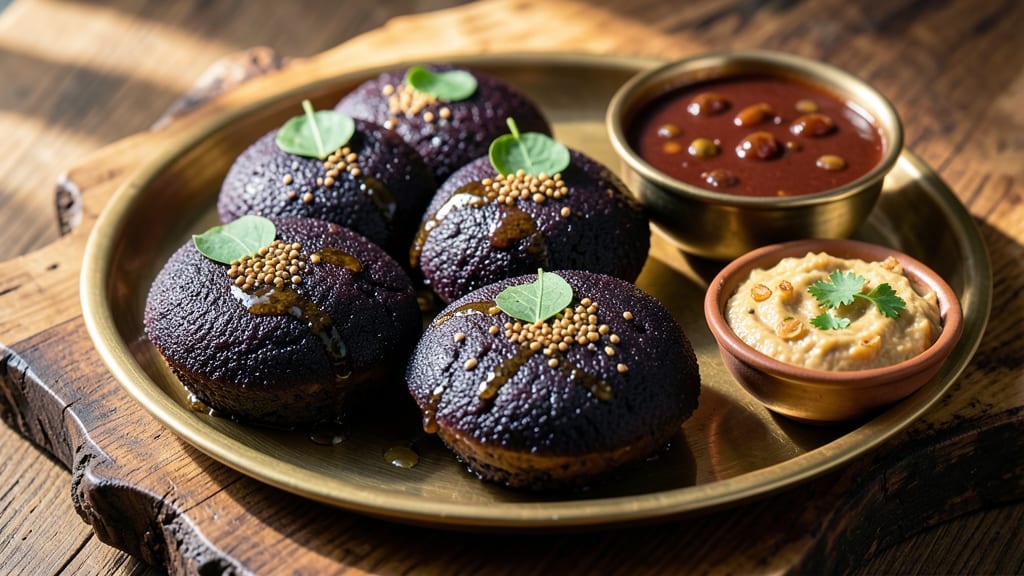
Fermented black rice idlis deliver nutrient-packed purple fluff with a toasted cumin crunch that transforms breakfast into a health powerhouse. The deep anthocyanins in black rice not only create stunning color but also pack antioxidant benefits—far beyond traditional idlis.
This recipe combines overnight fermentation with simple batter preparation, yielding soft, airy idlis that steam to perfect height every time.
What sets these apart is the black rice's earthy sweetness paired with urad dal's mild flavor, creating a texture that's both tender and satisfying. The secret lies in proper fermentation (24 hours at room temperature) and steaming at controlled heat—no idli cooker?
A colander over boiling water works just as well. Serve with coconut chutney or sambar for a traditional South Indian meal that's as nutritious as it is delicious.
Ingredients for black rice idli
The vibrant purple heart of these idlis comes from black rice and urad dal, paired with toasted cumin for depth.
| Ingredient | Amount | Notes |
|---|---|---|
| Black Rice 🌾 | 1 cup | Uncooked, soaked for 4 hours |
| Urad Dal 🌱 | ½ cup | Split, washed thoroughly |
| White Rice 🍚 | ¼ cup | Uncooked, for texture balance |
| Fresh Fenugreek Leaves 🌿 | ¼ cup | Chopped, for fermentation |
| Cumin Seeds 🌶️ | 1 tbsp | Toasted until fragrant |
| Asafoetida Powder 🌿 | ¼ tsp | For aroma enhancement |
| Salt 🧂 | 1 ½ tsp | Diamond Crystal preferred |
| Water 💧 | 1 ½ cups | Filtered for best results |
| Ghee 🧈 | 1 tbsp | For richness (vegetarian) |
| Lemon Juice 🍋 | 1 tbsp | Freshly squeezed |
| Rice Flour 🍚 | ¼ cup | For batter consistency |
Black rice is the star—look for whole grains at Indian specialty stores or health food markets like Whole Foods. The urad dal should be split and yellowish, not broken or discolored. Fenugreek leaves add fermentation punch; farmers markets often carry them fresher than grocery stores. For cumin, toast the seeds in a dry pan until aromatic—this deepens the flavor dramatically. Asafoetida powder is non-negotiable for that signature idli aroma; MTR brand is widely available in Indian grocery sections.
No black rice? Substitute with equal parts purple sweet potato and white rice, though texture will differ. Urad dal unavailable? Toor dal works at 1:1 ratio, but fermentation time may extend. Fenugreek leaves can be skipped if unavailable, but dried fenugreek at 1/4 tsp adds complexity. For ghee, vegetable oil works in a pinch, though it lacks richness. The rice flour is optional but helps prevent batter from becoming too runny—sub with extra water if needed.
Fermented batter keeps 24 hours in the fridge, but use within 48 hours for best texture. For long-term storage, freeze batter in ice cube trays—steam directly from frozen. The idlis themselves reheat beautifully; microwave 20 seconds with a damp paper towel for crispy edges. Store cooked idlis in an airtight container with a damp cloth to maintain moisture for up to 3 days.
Why You'll Love This Recipe
- No-Soaking Hassle: I’ll be real—soaking black rice overnight sounds intimidating, but here’s the trick: just quick-soak it for 30 minutes with a pinch of salt. The urad dal and white rice handle the bulk of the work, so you’re not stuck waiting hours. My lazy Sundays now include these without the guilt.
- Earthy Nutty Magic: That deep purple-black rice isn’t just pretty—it’s packed with a toasty, almost chestnut-like flavor that regular idlis can’t touch. Add fresh fenugreek leaves (yes, the slightly bitter ones) and a sprinkle of toasted cumin, and you’ve got a taste that’s both familiar and unexpectedly sophisticated. Honestly, it’s the kind of dish that makes you pause mid-bite.
- Leftover Reinvention: These idlis keep perfectly for 3 days in the fridge—steamed, not soggy—and reheat in seconds. I turn yesterday’s batch into crispy pakoras or even a quick stir-fry with curry leaves. No food waste, no sad lunches. It’s my secret for making meal prep feel like a win.
- Budget Breakthrough: Black rice might sound fancy, but it’s cheaper than quinoa and lasts forever. Urad dal stretches into fluffy idlis, and you can skip the fenugreek if it’s out of season. I’ve made these for 10 people for under $5—no shortcuts, just smart swaps. That’s how you feed a crowd without breaking the bank.
Step-by-step instructions for fermenting black rice idli batter
This method transforms nutrient-rich black rice into fluffy, purple idlis with perfect texture.
Soak and Grind the Black Rice and Urad Dal
Begin by soaking the 1 cup black rice and 0.5 cup urad dal separately for 4 hours in plenty of water. The black rice should absorb water and swell noticeably—this is essential for achieving the signature fluffy texture. After soaking, drain both thoroughly using a fine-mesh strainer.
Transfer the drained black rice and urad dal to a wet grinder or high-powered blender. Add the 0.25 cup white rice and 0.25 cup chopped fresh fenugreek leaves to the grinder. Grind into a smooth, fine batter, adding just enough water to facilitate grinding without making the mixture too runny. The batter should have a thick, almost paste-like consistency similar to traditional idli batter.
Ferment the Batter Overnight
Transfer the ground batter to a clean, wide-mouthed container. Sprinkle the 1.5 tsp salt evenly over the surface, followed by the 0.25 tsp asafoetida powder. Mix gently but thoroughly to distribute the spices without incorporating too much air, which could affect fermentation.
Cover the container loosely with a damp cloth or plastic wrap and let it ferment at room temperature for 8-10 hours. The ideal fermentation point occurs when the batter develops a slightly tangy aroma and small bubbles form on the surface. The batter should rise noticeably but remain thick—this indicates proper fermentation. If your kitchen is warm, fermentation may complete in 6-7 hours; cooler environments may require up to 12 hours.
Prepare the Cumin-Tempered Ghee
While the batter ferments, dry-toast the 1 tbsp cumin seeds in a small skillet over medium heat until they release their deep, nutty aroma—about 1-2 minutes. Immediately transfer them to a bowl to cool slightly, then grind into a fine powder using a mortar and pestle or spice grinder.
In the same skillet, melt the 1 tbsp ghee over low heat. Add the ground cumin powder and sauté for 30 seconds until fragrant. Remove from heat and stir in the 1 tbsp freshly squeezed lemon juice. This tempering adds a toasty crunch and bright acidity that complements the fermented batter.
Mix and Adjust the Batter
After fermentation, the batter should have a slightly sour smell and a thick, pudding-like consistency. Gently fold in the cumin-ghee mixture using a silicone spatula, ensuring even distribution. If the batter appears too thick, add 1-2 tablespoons of water to achieve a smooth, spreadable consistency—it should coat the back of a spoon but still hold its shape.
For the final texture adjustment, sift in the 0.25 cup rice flour gradually while folding. This step prevents the idlis from becoming too dense. The batter is now ready for steaming—it should be smooth, slightly bubbly, and hold its shape when dropped from a spoon.
Steam to Perfect Fluffiness
Grease an idli steamer with a thin layer of ghee or oil, then fill the molds 3/4 full with batter. Steam over medium-high heat for 10-12 minutes—the idlis are done when they rise fully, develop a slight golden hue at the edges, and pull away cleanly from the sides of the molds. Avoid lifting the lid during steaming to maintain even heat distribution.
Once steamed, transfer the idlis to a wire rack to cool slightly before serving. The result should be light, airy idlis with a vibrant purple hue from the black rice, a subtle crunch from the toasted cumin, and a tangy depth from the fermentation. Serve warm with coconut chutney or sambar for an authentic South Indian experience.
Pro Tips For Making Black Rice Idli
- Soak Black Rice Separately: Black rice turns mushy if soaked with other grains—trust me, I learned this after a soggy disaster. Use a fine mesh strainer or cheesecloth to drain it after 4 hours, then rinse cold water over it to stop cooking while you finish the batter.
- Grind Urad Dal Coarse: Fine urad dal powder makes idlis dense and heavy. Pulse your grinder in short bursts, checking the texture—it should look like wet sand, not liquid. If it’s too smooth, your idlis will lack that signature fluff.
- Steam at Low Heat: The steamer should be simmering gently, not boiling like a pressure cooker. Too much heat = rubbery idlis. Place a damp towel under the steamer to trap moisture, and steam for 10-12 minutes—any longer and they’ll collapse.
- Fenugreek Leaves Last: Add fresh methi leaves after grinding, not before. They oxidize quickly and turn bitter if left in water too long. Tear them roughly and mix in just before steaming—this keeps their flavor bright and vibrant.
Creative variations of these flavors
South Indian Fusion
Transform these idlis into a modern South Indian breakfast by adding grated coconut (¼ cup) to the batter during fermentation. The coconut enhances the earthy sweetness of black rice while adding a tropical twist.
For extra flair, top each steamed idli with a dollop of mint chutney—blend ½ cup mint leaves, 1 tbsp yogurt, and ½ tsp ginger paste for a refreshing contrast. 🌿
Savory Spice Twist
For a heartier version, stir in 1 tsp grated ginger and 1 tsp green chili paste during batter preparation. The ginger adds warmth, while the green chili introduces a subtle heat that balances the sweetness of black rice.
Garnish with cilantro leaves and a sprinkle of black pepper before serving for a restaurant-quality touch.
Sweet Breakfast Adaptation
Who says idlis can't be sweet? Reduce the salt to ½ tsp and add 1 tbsp jaggery or honey to the batter during fermentation.
Top with a drizzle of cardamom-infused milk (warm ½ cup milk with 1 crushed cardamom pod) and a sprinkle of crushed pistachios for a decadent dessert-like breakfast. Perfect for brunch lovers! 🍯
Protein-Packed Version
Boost nutrition by replacing ¼ cup of urad dal with ¼ cup cooked moong dal (yellow or green). The moong dal adds a lighter texture and extra protein, making these idlis a complete meal.
For extra crunch, toast ½ tsp sesame seeds and sprinkle them on top before serving. This version is ideal for a high-protein breakfast or snack.
Gluten-Free Adaptation
Ensure this recipe stays naturally gluten-free by using certified gluten-free rice flour (like Bob's Red Mill) and verifying that all ingredients—especially urad dal and spices—are labeled gluten-free. Skip the rice flour entirely if you prefer, but the batter may require 1 extra tbsp water for consistency.
Always check labels on ghee and asafoetida powder for hidden gluten sources.
Modern Garnish Ideas
Elevate your presentation with these creative garnishes: Drizzle with avocado mash (blend ½ ripe avocado with 1 tsp lime juice) for a creamy, vibrant topping.
Or try a pickled onion relish—thinly slice 2 red onions, soak in ½ cup vinegar with 1 tsp sugar and ½ tsp mustard seeds for 30 minutes. The tangy crunch cuts through the richness beautifully. ✨
Nutrition facts
Frequently asked questions
Why does black rice idli turn purple instead of white?
The vibrant purple color comes from anthocyanins in black rice—a powerful antioxidant that gives it its deep hue. Unlike white rice, these compounds remain stable during fermentation and steaming, creating that stunning visual contrast. The color actually indicates higher nutritional value compared to traditional idlis!
Can I make black rice idlis without a steamer?
Use a colander over boiling water or a metal bowl with a tight lid. Line the colander with cheesecloth or parchment paper to prevent sticking. Steam for 10-12 minutes on medium-high heat—just monitor closely to avoid overcooking. The edges should be slightly golden when done.
What happens if I don't ferment the batter long enough?
Under-fermented batter will produce dense, rubbery idlis that lack the signature fluffiness. The ideal fermentation time is 8-12 hours at room temperature—look for small bubbles and a slightly tangy smell. If your kitchen is cool, extend fermentation to 14 hours or place the container near a warm spot (like the oven with light on).
How do I store leftover black rice idlis?
Store cooked idlis in an airtight container with a damp paper towel to maintain moisture. They'll stay fresh for 3 days at room temperature or 5 days in the fridge. For longer storage, freeze them for up to 1 month. To reheat, microwave for 20 seconds with a damp cloth for crispy edges.
Can I substitute black rice with other grains?
For a similar texture, try purple sweet potato (grated and cooked) or amaranth (soaked and ground). However, black rice's unique earthy sweetness and nutritional profile make it irreplaceable for authentic flavor. If using substitutes, reduce fermentation time by 1-2 hours as they ferment differently.