
Desserts
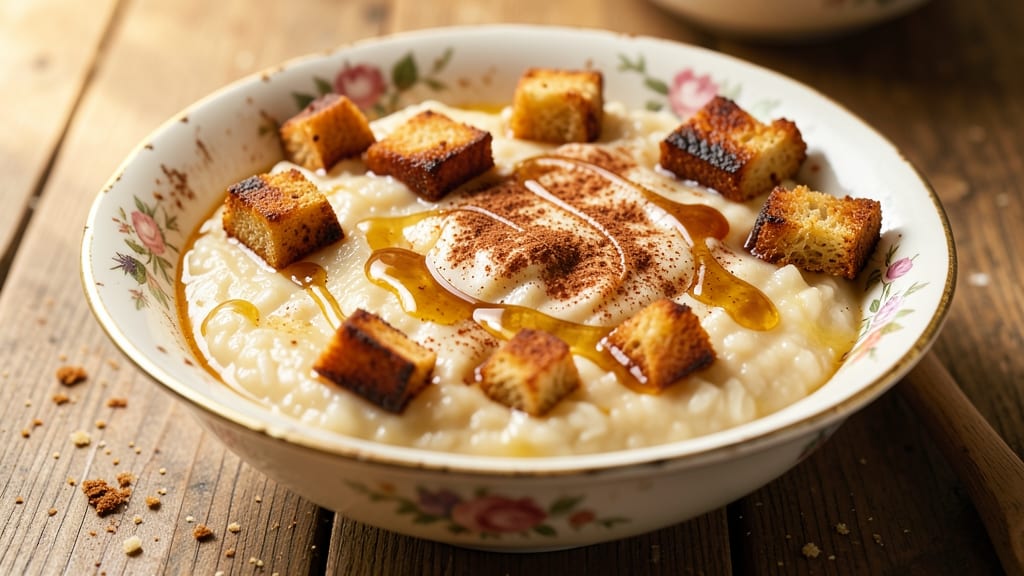
Grandma's old-fashioned rice pudding recipe brings back the comforting warmth of childhood kitchens, where slow simmering transformed simple ingredients into something magical. The secret lies in low-and-slow cooking, where rice absorbs creamy milk until it reaches that perfect velvety texture—just thick enough to coat a spoon but still tender.
I remember the way my grandmother would stir the pot, her wooden spoon scraping the bottom for those caramelized bits that added depth to every bite.
This recipe stays true to tradition with classic vanilla and cinnamon, but the real magic happens in the finishing touches—like crispy toasted bread cubes that add a delightful crunch to each spoonful.
The slow simmering process develops rich, caramelized flavors that store-bought versions simply can't match, and the result is a dessert that feels like a warm hug in every bite. It's the kind of recipe that gets better with time, as flavors meld and deepen with each passing hour.
What makes this pudding truly special is its versatility—serve it warm as a comforting dessert after a holiday meal, or chill it overnight for a creamy breakfast treat. The toasted bread topping adds a satisfying contrast to the smooth, custard-like pudding, making every spoonful an experience.
Whether you're recreating family traditions or creating new memories, this recipe delivers that nostalgic comfort food feeling we all crave.
Ready in just under an hour with minimal effort, this old-fashioned rice pudding proves that the best desserts often require the most patience. The slow cooking process might seem tedious, but it's what transforms ordinary ingredients into something extraordinary.
Once you taste the difference between this homemade version and anything store-bought, you'll never go back to the instant kind again.
Ingredients for grandma's old fashioned rice pudding
Classic pantry staples transform into nostalgic comfort with just one slow-simmered pot.
| Ingredient | Amount | Notes |
|---|---|---|
| Long-Grain White Rice 🍚 | 1 cup | Uncooked, medium grain preferred |
| Whole Milk 🥛 | 4 cups | Full-fat for optimal creaminess |
| Heavy Cream 🥛 | 1 cup | Full-fat for rich texture |
| Granulated Sugar 🍚 | ¾ cup | White sugar for classic sweetness |
| Ground Cinnamon 🌿 | 1 ½ tsp | Freshly ground preferred |
| Pure Vanilla Extract 🍯 | 1 tbsp | High-quality bourbon vanilla |
| Salted Butter 🧈 | 4 tbsp | Unsalted preferred for flavor control |
| Freshly Baked White Bread 🍞 | 4 slices | Stale bread works best for toasting |
| Diamond Crystal Kosher Salt 🧂 | ½ tsp | For seasoning during cooking |
| Ground Nutmeg 🌿 | ¼ tsp | Freshly grated nutmeg preferred |
| Unsalted Butter 🧈 | 2 tbsp | For toasting bread cubes |
| Brown Sugar 🍚 | 1 tbsp | Light brown sugar preferred |
The rice is the foundation—medium-grain varieties like Mahatma or Jasmine absorb liquid beautifully without turning mushy. Whole Foods bulk bins often carry premium options, but any long-grain white rice works. For the milk, organic whole milk from Trader Joe's adds subtle sweetness, though regular supermarket brands suffice. The butter should be cold and cubed when added to prevent premature melting during the slow cook. Nutmeg deserves special attention: pre-ground loses potency quickly, so grate your own from a whole nutmeg if possible—it makes all the difference in that warm, earthy depth Grandma's version had. Diamond Crystal kosher salt is preferred for its clean flavor profile, but any fine sea salt works in a pinch.
No vanilla extract? Vanilla bean paste works beautifully, or scrape seeds from a split vanilla bean for authentic flavor. Substitute heavy cream with half-and-half if needed, though the texture will be slightly lighter. Bread cubes can be made from any stale bread—sourdough or brioche add extra richness if you're feeling indulgent. Brown sugar in the bread topping caramelizes during toasting, creating those irresistible crunchy edges. For a lighter version, reduce the sugar by 25% and use unsweetened almond milk instead of whole milk, though the texture will be less velvety. Cinnamon can be swapped for cardamom at half the amount for a different but equally comforting twist.
This pudding develops deeper flavor with time—plan to simmer for at least 45 minutes, stirring frequently to prevent scorching. Store in an airtight container in the refrigerator for up to 5 days, though it's best enjoyed within 3 days for optimal texture. Freeze for up to 3 months by portioning into individual containers—thaw overnight in the fridge before reheating. Reheat gently on low heat, stirring occasionally, until warmed through. The bread topping stays crispy for 24 hours when stored separately in an airtight container, but it's best toasted fresh before serving for maximum crunch.
Why You'll Love This Recipe
- Foolproof Simplicity: I swear by this recipe because it’s the kind of thing you can start while the coffee brews. Just toast the rice lightly in a pot—no fancy techniques—then pour in the milk, cream, and sugar while it simmers. Twenty minutes later, you’ve got a creamy, comforting bowl without a single pan to scrub.
- Cinnamon-Kissed Magic: That dusting of cinnamon? It’s not just spice—it’s the secret weapon. The warm, earthy notes let the sweetness of the sugar and richness of the heavy cream shine, but in a way that feels cozy, not cloying. Honestly, I’ll take this over store-bought pudding any day.
- Weeknight to Holiday: Make a double batch on Sunday and reheat portions all week—breakfast, dessert, or even a quick snack. (Yes, even on a Tuesday night.) It’s the kind of dish that works for lazy mornings or impressing guests when you’re too tired to bake. Plus, the kids will ask for it at family gatherings.
- Budget-Friendly Luxury: Heavy cream might sound fancy, but a little goes a long way, and the rest of the ingredients are pantry staples. I’ve been making this for years, and it’s never failed to feel like a treat—without breaking the bank. Leftovers? Even better the next day, if that’s possible.
Step-by-step instructions for Grandma's old-fashioned rice pudding
Here's how to create this comforting classic with perfect texture and aromatic spices.
Toast the Bread Cubes for Crunch
Cut the 4 slices of freshly baked white bread into ½-inch cubes. Spread them evenly on a baking sheet and toast in a preheated 350°F oven for 10-12 minutes, stirring once halfway through, until they're golden brown and crisp. This step is crucial—over-toasting will make them bitter, while under-toasting results in a mushy texture. Remove them and set aside in a bowl.
While the bread toasts, melt the 2 tablespoons of unsalted butter in a small saucepan over low heat. Once melted, remove from heat and stir in the 1 tablespoon of brown sugar. Pour this mixture over the toasted bread cubes and toss gently to coat. Let them sit while you prepare the rice mixture—this infusion will add depth of flavor to the finished pudding.
Cook the Rice Mixture to Creamy Perfection
In a heavy-bottomed saucepan, combine the 1 cup of long-grain white rice, 4 cups of whole milk, 1 cup of heavy cream, 0.75 cup of granulated sugar, 1.5 teaspoons of ground cinnamon, 0.5 teaspoon of diamond crystal kosher salt, and 4 tablespoons of salted butter. Stir well to dissolve the sugar and distribute the butter evenly throughout the mixture.
Bring the mixture to a gentle boil over medium-high heat, then immediately reduce the heat to low. Cover the pan with a tight-fitting lid and let it simmer for 30 minutes, stirring gently every 5 minutes to prevent sticking. The rice should absorb the liquid and become tender while the mixture thickens into a creamy consistency. If it begins to stick, add 1-2 tablespoons of water to maintain the proper texture.
After 30 minutes, stir in the 1 tablespoon of pure vanilla extract and 0.25 teaspoon of ground nutmeg. Taste the mixture and adjust sweetness if needed—Grandma's version should balance creamy richness with just enough cinnamon warmth. The pudding should now coat the back of a spoon and have a velvety texture.
Combine and Finish with Toasted Bread
Remove the rice mixture from heat and gently fold in the toasted bread cubes using a spatula. Be careful not to break them up completely—you want visible crunch in every bite. Let the pudding sit off the heat for 5 minutes to allow the bread to absorb some of the creamy liquid and soften slightly while maintaining its texture.
For the final touch, transfer the pudding to serving bowls and let it cool to room temperature. The contrast between the warm, creamy rice pudding and the crisp toasted bread creates the signature texture that makes this recipe special. Serve immediately or refrigerate for up to 4 hours to let the flavors meld further—though Grandma always said it's best enjoyed warm.
Pro Tips For Making Grandma'S Old Fashioned Rice Pudding
- Toast the Rice First: I learned this the hard way—skipping to simmering raw rice in milk leads to a gummy mess. Dry-toast the long-grain rice in a skillet over medium heat for 3-4 minutes until it smells nutty and turns slightly translucent. This step removes excess starch and gives the pudding that proper, creamy texture instead of gluey disappointment.
- Use Whole Milk Cold: My grandmother swore by this, and she was right: start with cold whole milk, not warmed. The heat from the stove will bring it up to temperature, but cold milk prevents the rice from absorbing too quickly at the start, which keeps every grain distinct and prevents a mushy finish. (Yes, even if you're impatient like me.)
- Simmer, Don’t Boil: After burning three batches, I finally figured out that rice pudding needs a gentle simmer—not a rolling boil. Keep the heat low enough that tiny bubbles just break the surface occasionally. Too much heat turns the milk into curds, and the rice ends up dry. A thermometer reading of 180°F (82°C) is your sweet spot.
- Stir in Cream Late: Sounds weird, but it works: fold in the heavy cream only in the last 5 minutes of cooking. Adding it early can cause it to separate or curdle from the heat. Stirring it in at the end guarantees a velvety finish without breaking the custard. (Your future self will thank you.)
Serving suggestions for this recipe
Warm Comfort Serving
This pudding shines as a cozy dessert after holiday meals or family dinners. Serve it warm in preheated ceramic bowls (I love Le Creuset stoneware) to maintain its creamy texture.
The contrast between the warm pudding and crisp bread cubes is what makes it unforgettable—every spoonful delivers that satisfying crunch. 🥄
Chilled Breakfast Treat
For a morning delight, chill the pudding overnight in an airtight container—it develops even deeper flavors. Top with a sprinkle of toasted cinnamon sugar or chopped pecans before serving. The cool temperature makes it perfect with a steaming cup of chai tea or hot chocolate for a nostalgic breakfast.
Holiday Centerpiece
Transform this into a showstopper for Thanksgiving or Christmas by arranging it in a clear glass trifle dish. Layer with whipped cream and fresh berries for a festive presentation. The warm spices will complement your holiday feast beautifully, and guests will love the homemade touch.
Bread Topping Variations
Swap the toasted bread cubes for crushed graham crackers or toasted coconut flakes for a gluten-free option. For extra indulgence, fold in mini marshmallows during the final 5 minutes of cooking—they'll puff up slightly and create a delightful contrast. 🍫
Pairing with Tea
Earl Grey tea with its bergamot notes complements the cinnamon perfectly, while chamomile tea adds a soothing touch. For coffee lovers, a strong dark roast with a splash of heavy cream mirrors the pudding's richness. Always serve the tea slightly warm to enhance the dessert's comforting qualities.
Make-Ahead Presentation
Prepare the pudding a day ahead and store it in the fridge—flavors intensify overnight. When ready to serve, reheat gently in a double boiler or on low heat, stirring occasionally. Garnish with a dusting of powdered sugar or cinnamon sticks for an elegant finish that feels restaurant-quality.
Nutrition facts
Frequently asked questions
Why does my rice pudding turn out too thick or too thin?
Texture control comes down to timing and liquid ratios. For a creamy but spoonable consistency, simmer the rice mixture for exactly 30 minutes with the lid on. If it's too thick, stir in 1-2 tablespoons of warm milk or cream. If too thin, uncover and simmer 5-10 minutes longer, stirring frequently to prevent scorching. The key is patience—Grandma's version should coat the back of a spoon but still be light enough to scoop easily.
Can I make this rice pudding without dairy?
Yes! Replace the whole milk with unsweetened almond milk or oat milk>, but reduce it by ¼ cup since plant-based milks are thinner. For creaminess, stir in ½ cup of coconut cream after cooking. The texture will be lighter, but the vanilla-cinnamon flavors will still shine. For the bread topping, use gluten-free bread or omit it entirely and add toasted coconut flakes instead.
How do I prevent the rice from sticking to the pan?
Always use a heavy-bottomed saucepan to distribute heat evenly. Add the butter at the start to create a natural barrier, and stir gently every 5 minutes during simmering. If it starts sticking, immediately add 1-2 tablespoons of warm milk and stir until smooth. A tight-fitting lid helps too—it traps steam and keeps the rice moist. The secret is low-and-slow cooking; never let it boil vigorously after the initial simmer.
Can I add raisins or fruit to this recipe?
Stir in ½ cup raisins or diced apples during the final 10 minutes of cooking—they'll soften perfectly. For berries, fold them in just before serving to preserve their texture. Grandma's version often included raisins, but feel free to experiment with dried cranberries or chopped pears for a different twist. Just reduce the sugar by 1 tablespoon if using very sweet fruits.
How can I make this pudding ahead of time for a gathering?
Prepare the pudding up to 3 days ahead and store it in an airtight container in the fridge. For best texture, reheat gently on low heat (or in a double boiler) until warmed through, stirring occasionally. If the bread topping loses crispness, toast fresh cubes just before serving. The flavors actually improve overnight as the spices meld—Grandma always made it the night before for Sunday dinners!