
Appetizers
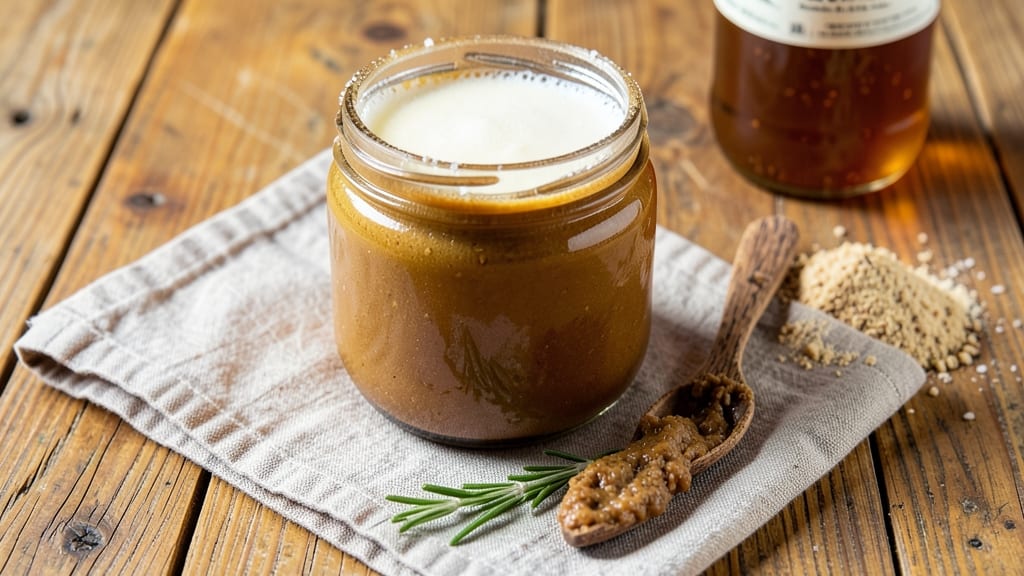
This brown rice sourdough starter recipe transforms simple pantry staples into a robust, nutrient-rich leavening agent perfect for vegan bread baking. The brown rice flour provides essential B vitamins and fiber while maintaining the tangy complexity of traditional sourdough.
Professional bakers know fermentation quality makes all the difference—this method delivers predictable results with minimal effort.
By incorporating brown rice flour into your starter, you're not just creating a leavening agent—you're building a foundation for bread with enhanced nutritional depth. The process requires patience (7-10 days of daily feeding), but the payoff is a sourdough starter that reliably doubles in 4-6 hours at room temperature.
This consistency eliminates the guesswork of traditional starters while keeping your bread crispy-crusted and airy-crumbed without dairy or eggs.
Ingredients for brown rice sourdough starter
Transform humble pantry staples into a nutrient-packed sourdough starter with just these twelve ingredients.
| Ingredient | Amount | Notes |
|---|---|---|
| Brown Rice Flour 🌾 | 2 cups | Organic preferred for better flavor |
| Filtered Water 💧 | 4 cups | Room temperature preferred |
| Unsweetened Soy Milk 🥛 | ½ cup | For initial feeding boost |
| Raw Apple Cider Vinegar 🍎 | 1 tbsp | Unfiltered preferred for probiotics |
| Non-Ionic Sea Salt 🧂 | ½ tsp | Diamond Crystal preferred |
| Non-GMO Whole Grain Flour 🌾 | 1 cup | For backup fermentation |
| Raw Honey Substitute 🍯 | 1 tbsp | Maple syrup or agave nectar |
| Active Dry Yeast 🍞 | ¼ tsp | Optional for faster kickstart |
| Glass Jar 🧫 | 1 large | Non-reactive, 16oz minimum |
| Rubber Band 🎀 | 1 whole | For measuring starter growth |
| Breathable Cloth 🧵 | 1 piece | Cotton or linen for covering |
| Elastic Band 🎀 | 1 whole | For securing cloth |
The brown rice flour is the star here—Bob's Red Mill or Anthony's Goods are my go-tos for consistent quality. Look for 100% whole grain, no additives. If you're using store-brand flour, check the expiration date—older flour ferments slower. The apple cider vinegar? Bragg's unfiltered has the best microbial profile, but any raw, unprocessed vinegar works. For the yeast, if you're using it, grab Red Star active dry—it's the most reliable brand. Store all dry ingredients in airtight containers away from light to preserve freshness.
No brown rice flour? Buckwheat flour at 1:1 ratio works in a pinch, though the flavor profile shifts slightly. Running out of vinegar? Lemon juice at half the amount gets you close, but the tang won't be as complex. The soy milk can be swapped for coconut milk if you're avoiding soy, but it may ferment a bit slower. For the honey substitute, date syrup has a deeper flavor than agave. Pro tip: If your starter smells funky after day 3, it's normal—just keep feeding it. The elastic band for securing the cloth? Any hair tie will work, but a proper elastic lasts longer.
Keep your starter in a warm, dark corner of your kitchen—75-80°F is ideal. If your kitchen runs cold, place the jar near your oven with the light off. Discard half the starter before each feeding to maintain balance. Once established, this keeps 2 weeks in the fridge—just feed it weekly. For long-term storage, freeze portions in ice cube trays. To revive, feed with equal parts flour and water, then wait 12 hours before using. The rubber band trick? Mark the jar at the starting level, then watch it rise—you'll know it's ready when it doubles in 4-6 hours consistently.
Why You'll Love This Recipe
- No Fuss, No Fail: I swear by this starter—just mix, wait, and forget. The brown rice flour and soy milk create a tangy, airy texture without the fuss of yeast, and honestly? I’ve never had a batch fail.
- Tangy, Toasty Magic: That apple cider vinegar and sea salt combo gives it a deep, slightly sweet funk—like a cross between sourdough and a warm muffin. It’s the kind of flavor that makes you want to eat it straight from the jar.
- Weeknight Wonder: I keep a jar in my fridge and toss it into pancakes, flatbreads, or even savory muffins. It’s my go-to for when I’m too tired to bake but still want something that feels special.
- Pantry Staple, Budget Hack: Brown rice flour and soy milk are cheap, and this starter lasts weeks. Between us, I’ve used it to stretch grocery budgets without sacrificing taste—proof that good food doesn’t have to break the bank.
Step-by-step instructions for brown rice sourdough starter
Let's create a vibrant, flavorful brown rice sourdough starter that will elevate your homemade bread.
Mix the Base Fermentation Blend
In the large glass jar, combine the 2 cups brown rice flour with the 4 cups filtered water at room temperature. Stir vigorously with a wooden spoon until you achieve a smooth, thick batter with no visible flour streaks. The mixture should resemble a thick pancake batter in consistency.
Next, add the 0.5 cup unsweetened soy milk and the 1 tablespoon raw apple cider vinegar. Stir again until fully incorporated. The vinegar introduces beneficial bacteria that will kickstart fermentation. Cover the jar loosely with the breathable cloth, securing it with the elastic band to allow airflow while keeping out contaminants.
Incorporate the Flavor Enhancers
After 24 hours, you'll notice some bubbles forming on the surface and a slightly tangy aroma developing. This indicates the starter is beginning to ferment. In a separate bowl, mix the 1 cup non-GMO whole grain flour with the 0.5 teaspoon non-ionic sea salt and the 1 tablespoon raw honey substitute. This blend will add depth and complexity to your starter.
Remove the rubber band from the jar and use it to mark the current starter level on the outside of the jar. This will help you track growth. Add the flour-salt-honey mixture to the jar and stir thoroughly to combine. The texture should remain thick but slightly looser than before. Recover the jar with the breathable cloth and elastic band.
Add the Yeast Kickstart
In a small bowl, dissolve the 0.25 teaspoon active dry yeast in 1 tablespoon of the filtered water from your jar. Once the yeast has activated and begins to foam (about 5-10 minutes), pour this mixture into the jar. Stir well to distribute the yeast evenly throughout the starter.
Place the jar in a warm location, ideally between 75-80°F. This could be near your oven with the light on, or on top of your refrigerator. The warmth accelerates fermentation. Check the jar after 8 hours—you should see noticeable bubbles throughout the mixture and a slight rise in volume. The starter should also smell pleasantly sweet and tangy.
Maintain Daily Feedings
Each morning for the next 5-7 days, discard half of the starter (about 2 cups). This removes excess acidity and prevents overgrowth. Add 1 cup of the brown rice flour and 1 cup of filtered water to the remaining starter. Stir well to combine, then cover again with the breathable cloth.
After each feeding, the starter should rise noticeably within 4-6 hours and develop a bubbly, jiggly texture. If it doesn't rise, it may need more time or a warmer environment. Once it consistently doubles in size within 8 hours after feeding, your brown rice sourdough starter is ready to use in recipes. Store it in the refrigerator between uses, feeding it weekly to maintain its vitality.
Pro Tips For Making Brown Rice Sourdough Starter
- STIR DAILY AT SAME TIME: I learned this the hard way—skipping a day or mixing it up in the morning vs. evening throws off the rhythm. Pick a time (like 8 PM) and stick to it, even if it’s just a quick stir. Consistency matters more than you’d think with this starter.
- USE COOL SOY MILK: Warm soy milk speeds up fermentation but kills the good bacteria. Grab it straight from the fridge—no need to thaw, just pour. The cooler temp keeps the process steady and prevents that sour tang from taking over too fast.
- WEIGH YOUR FLOUR: Brown rice flour varies wildly in density. Scooping leads to inconsistent hydration and weak fermentation. Use a kitchen scale for precise measurements—start with 100g, then adjust based on how thick or bubbly your starter gets.
- ADD VINEGAR LAST: Mixing apple cider vinegar in early can over-acidify the starter before the wild yeast has a chance to wake up. Stir it in right before your final feeding—just enough to brighten the flavor without shutting down the culture.
Regional styles of this recipe
Japanese Brown Rice Starter
In Japan, brown rice sourdough starter—called mochigome shōmen—has been used for centuries in traditional bread-making. The Japanese approach emphasizes long, slow fermentation (up to 14 days) to develop deep umami flavors. I recommend using Japanese short-grain brown rice flour (like Koshihikari) for a stickier, more cohesive starter.
The key difference? Japanese starters often include a small amount of koji mold (about ½ teaspoon) for extra enzymatic activity, though this is optional for home bakers. Store-bought miso paste (1 tsp) can mimic this effect if you're avoiding koji. 🌏
Italian Brown Rice Panettone
Northern Italy’s panettone tradition gets a nutritious twist with brown rice flour. Replace 20% of the white flour in classic recipes with brown rice flour for a denser, nuttier crumb.
The Italians use a mix of rye and whole wheat for similar effects, but brown rice adds fiber without altering the signature sweetness. For an authentic touch, add 1 tbsp candied citrus peel and ½ cup raisins to the dough.
Proof the dough at 72°F for 12 hours—the longer fermentation enhances the brown rice’s natural sweetness. 🍊
Mexican Brown Rice Tortillas
Mexico’s tortilla de trigo (wheat tortillas) can be elevated with brown rice flour. Swap 30% of the white flour for brown rice flour and add 1 tsp baking powder to compensate for the lower gluten content. The result? A nutty, slightly chewy tortilla with better staying power.
Mexican bakers often use masa harina (corn flour) in blends, but brown rice adds protein and fiber. Cook on a cast-iron comal over medium-high heat for 1-2 minutes per side—the high heat brings out the brown rice’s toasty notes. 🌽
French Brown Rice Fougasse
Provence’s iconic fougasse (olive-topped bread) becomes heartier with brown rice flour. Replace 25% of the white flour with brown rice flour and fold in ¼ cup chopped Kalamata olives and 1 tbsp fresh rosemary. The French technique of shaping dough into a "boat" with slashed edges works perfectly here.
Bake at 425°F for 20-25 minutes until the crust is deep golden. The brown rice flour adds a subtle earthiness that pairs beautifully with the olives’ briny flavor. 🫒
Indian Brown Rice Roti
India’s roti (whole wheat flatbread) gets a nutritional boost with brown rice flour. Mix 1 cup whole wheat flour with ½ cup brown rice flour and ½ tsp ajwain seeds (carom seeds) for digestion. Knead with warm water and ½ tsp yogurt (for elasticity) until smooth.
Roll into 6-inch circles and cook on a tava (griddle) with ghee until puffed and golden. The brown rice flour reduces gluten, so keep the dough slightly wetter than traditional roti dough. Serve with mint chutney for a refreshing contrast. 🌿
Nutrition facts
Frequently asked questions
Why use brown rice flour in sourdough starter instead of whole wheat?
Brown rice flour provides a lighter, more neutral base than whole wheat while still delivering fiber and B vitamins. It ferments faster than rye but creates a more open crumb than white flour. The starch-to-protein ratio makes it ideal for consistent rise times.
How do I know when my brown rice starter is ready to use?
Your starter is ready when it consistently doubles in 4-6 hours after feeding and passes the float test—drop a small spoonful in water and it should float. It should also smell pleasantly tangy (like yogurt) rather than harsh or alcoholic.
Can I make this starter without soy milk?
Yes! Replace the soy milk with coconut milk or oat milk for similar fermentation support. If avoiding all dairy alternatives, use an extra ½ cup water and ½ tsp apple cider vinegar to compensate. The fermentation may take 12-24 hours longer to activate.
What if my starter develops hooch (liquid) on top?
Hooch is normal and means your starter needs more frequent feedings. Stir it back in or pour it off before feeding. To prevent it, feed your starter every 12 hours instead of daily, especially in warm climates. A glass jar helps you spot hooch formation early.
How does brown rice starter affect bread texture compared to regular sourdough?
Brown rice starter creates bread with a lighter crumb and slightly nuttier flavor than traditional white flour starters. The higher moisture content from brown rice flour makes the dough stickier during shaping, but the final bread stays fresher longer. For best results, use 10-20% brown rice flour in your final dough recipe.