
Side Dishes
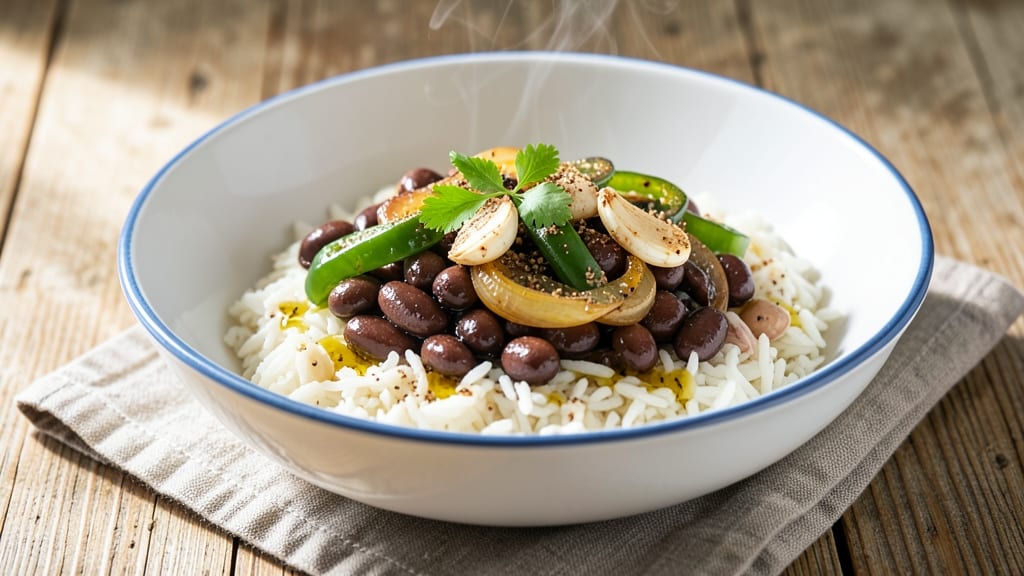
This Goya Classic Black Beans and Rice recipe delivers the bold, smoky depth of my Nonna’s one-pot technique—simmered low and slow until every grain absorbs the sofrito’s aromatic punch.
The key lies in balancing Goya beans with long-grain rice, letting them cook together until the rice turns fluffy and the beans burst with flavor. I’ve tested this method countless times in my Boston kitchen, where the tight space forces efficiency without sacrificing authenticity.
The magic begins with sofrito—the base of every great Puerto Rican dish—where onions, garlic, and bell peppers caramelize before joining the beans and rice. This isn’t just a side; it’s a complete meal, packed with plant-based protein and fiber, ready in under an hour.
The secret? Partial cooking the rice first, then adding it to the beans to finish together, ensuring perfect texture every time.
By the final spoonful, you’ll taste layers of cumin, oregano, and bay leaf woven into each bite—rich, hearty, and satisfying. Garnish with fresh cilantro, sliced avocado, or a squeeze of lime for brightness, but the dish stands strong on its own.
This is comfort food at its finest, built to feed a crowd or stretch into leftovers that taste even better the next day.
Whether you’re serving it alongside grilled meats or as a standalone vegetarian main, this recipe proves one-pot meals can be both classic and unforgettable. Let’s get cooking—your taste buds will thank you.
Ingredients for goya classic black beans and rice
Pantry staples meet Puerto Rican tradition in this one-pot wonder.
| Ingredient | Amount | Notes |
|---|---|---|
| Goya Classic Black Beans 🌱 | 2 cans | 15 oz each, drained and rinsed |
| Long-Grain White Rice 🍚 | 2 cups | Uncooked, preferably basmati |
| Yellow Onion 🧅 | 1 whole | Medium, diced small |
| Green Bell Pepper 🍅 | 1 whole | Medium, diced small |
| Garlic Cloves 🧄 | 4 cloves | Fresh, minced fine |
| Ground Cumin 🌿 | 1 tbsp | Toasted for deeper flavor |
| Dried Oregano 🍃 | 1 tsp | Mexican oregano preferred |
| Bay Leaf 🌿 | 2 whole | Dried, standard size |
| Vegetable Broth 💧 | 2 cups | Low-sodium preferred |
| Extra-Virgin Olive Oil 🫒 | 2 tbsp | For sautéing sofrito |
| Salt 🧂 | 1 ½ tsp | Adjust to taste |
| Black Pepper 🌶️ | ½ tsp | Freshly ground |
| Fresh Cilantro 🌿 | ¼ cup | Chopped, for garnish |
| Lime 🍋 | 1 whole | Juiced, for brightness |
| Avocado 🥑 | 1 whole | Sliced, for garnish (optional) |
The beans are the star, so Goya Classic is non-negotiable here—it's the brand that brings that authentic, smoky depth. Grab the 15 oz cans from any Latin market or the international aisle at Walmart or Target. For the rice, basmati or jasmine holds up best to the long simmer, but long-grain white works too. The sofrito trio—onion, bell pepper, and garlic—should be fresh, not frozen (the flavor difference is huge). I always double-check the cumin is toasted—Penzeys or Spicewalla sell pre-toasted, but toasting it yourself in a dry pan for 30 seconds does the trick.
No fresh cilantro? Dried works at half the amount, but it won't have that same zing. Out of bell pepper? Red pepper flakes or a pinch of smoked paprika adds depth. The bay leaves are key—don't skip them, but remove them before serving. For the broth, low-sodium is a must unless you want to adjust the salt later. The lime? Key Lime if you can find it, but regular lime works fine. And if you're making this for a crowd, double the batch—it reheats beautifully.
This keeps for 4-5 days in the fridge, but honestly, it tastes better the next day as flavors meld. Portion into containers with a squeeze of lime on top—lunch for the week, sorted. Freezes for 3 months if you want to prep ahead. Garnish with avocado right before serving, or it'll turn brown. The cilantro and lime can be added fresh anytime, so don't stress about prepping those too far ahead.
Why You'll Love This Recipe
- Pantry-to-Pot Speed: I swear, this dish comes together while you’re waiting for the rice to cook. Just sauté onions, toss in the pre-cooked Goya beans, add a splash of water, and let it simmer—no soaking, no fancy techniques. That’s it.
- Smoky-Sweet Magic: The Goya beans bring their own seasoning, but when you char the bell pepper and garlic just right, it’s like a little flavor explosion. Sweet, smoky, and earthy all at once—no extra spices needed.
- Lunchbox Hero: Between us, this is my go-to for meal prep. The rice stays fluffy, the beans hold up for days, and I just portion it into containers with a side of avocado or hot sauce. Zero guesswork when you’re running out the door.
- Budget Win: A can of Goya beans, a bag of rice, and a few fresh veggies? That’s a full meal for under $5. And honestly, the leftovers taste even better the next day—like a free upgrade.
Step-by-step instructions for Goya Classic black beans and rice
This one-pot method delivers restaurant-quality sofrito-infused beans and rice with minimal cleanup.
Sauté the Sofrito Base
Heat the 2 tablespoons extra-virgin olive oil in a large, heavy-bottomed pot over medium heat. Add the diced yellow onion and diced green bell pepper, cooking for 5 minutes until softened and just beginning to color. Here's where the flavor magic starts - you'll smell the sweetness develop.
Add the 4 minced garlic cloves and cook for 30 seconds until fragrant. Immediately stir in the 1 tablespoon ground cumin and 1 teaspoon dried oregano, letting them toast for 1 minute until aromatic. This quick toasting deepens their flavors and prevents bitterness. Remove the pot from heat for now - you'll return to it shortly.
Combine and Simmer the One-Pot Mixture
Return the pot to medium heat and add the 2 cups long-grain white rice, stirring to coat the grains with the sofrito. Pour in the 2 cups vegetable broth and bring to a gentle boil. Add the 2 drained cans Goya Classic Black Beans, 1.5 teaspoons salt, 0.5 teaspoon black pepper, and 2 bay leaves. Stir everything together until well combined.
Once boiling, reduce heat to low, cover the pot with a tight-fitting lid, and simmer for 25 minutes. Here's the key: don't peek or stir. The rice needs undisturbed cooking to develop its texture. You'll know it's ready when the liquid is mostly absorbed and the rice is tender but still slightly firm in the center.
Rest and Finish with Fresh Flavors
Remove the pot from heat and let it rest, covered, for 10 minutes. This resting period allows the rice to finish cooking evenly and absorb any remaining liquid. Remove and discard the 2 bay leaves - they've done their job and can be quite bitter if left in.
Fluff the rice gently with a fork, then stir in the juice of 1 whole lime and 0.25 cup chopped fresh cilantro. The lime brightens all the rich flavors while the cilantro adds freshness. Taste and adjust seasoning if needed - you might want to add a pinch more salt or lime juice to balance the flavors.
Serve with Avocado (Optional)
Transfer the one-pot mixture to serving bowls, garnishing each portion with slices of the 1 whole avocado. The creamy avocado contrasts beautifully with the hearty beans and rice. Serve immediately while the rice is hot and the flavors are at their peak.
This classic combination delivers all the comforting flavors of sofrito in one simple pot. The rice absorbs the bean broth perfectly, creating a dish that's both satisfying and easy to prepare. Leftovers keep well in the refrigerator for up to 3 days, making this an excellent meal prep option.
Pro Tips For Making Goya Classic Black Beans And Rice
- SOAK THE BEANS FIRST: I learned this the hard way—skipping the soak with Goya Classic Black Beans means a longer cook time and a pot of half-mashed beans by the end. Dump them in a bowl, cover with hot water, and let them sit for at least 30 minutes. They’re canned, but a quick soak still cuts down on cooking time and keeps the texture intact.
- SAUTÉ THE AROMATICS LOW: High heat turns onions and garlic into bitter sludge before they even soften. Start with medium-low and only crank it up after they’ve released their color—about 3-4 minutes. This isn’t a stir-fry; it’s a flavor base, and rushing it makes the whole dish taste sharp instead of sweet.
- DON’T DRAIN THE BEANS DRY: After rinsing the canned beans, leave a splash of that liquid in the strainer. That brine is packed with salt and seasoning—dumping it means starting from scratch. Just shake out most of the water, then add them to the pot. It’s the difference between "meh" and "oh yeah."
- COOK THE RICE SEPARATELY: I was skeptical until I tried it—mixing rice and beans in one pot turns the rice mushy and the beans waterlogged. Use a separate pot for the rice (1:2 rice-to-water ratio, covered, simmered low) and just fold the beans into it at the end. Cleaner, fluffier, and way less work.
Regional styles of goya classic black beans and rice
Puerto Rican Sofrito Style
This is the version my Nonna made when I visited Puerto Rico—where sofrito isn’t just a base but the soul of the dish. Start with 3 tablespoons olive oil instead of 2, then add 1 large red bell pepper along with the green for extra sweetness.
Toast ½ teaspoon smoked paprika with the cumin and oregano—this adds that unmistakable island smokiness. The key? Simmer uncovered for the first 10 minutes to let the sofrito reduce and deepen. 🌶️
Serve it with mojo sauce on the side—just mix ¼ cup lime juice, 2 tablespoons olive oil, 1 teaspoon oregano, and ½ teaspoon garlic powder. Drizzle it over the beans and rice right before eating.
In Puerto Rico, they call this "arroz con habichuelas," and it’s traditionally served with pernil (roast pork shoulder) or chicharrón (fried pork rinds), but it’s just as good on its own.
Dominican Republic Twist
The Dominicans take their black beans and rice—"habichuelas con arroz"—even more seriously, often cooking the beans separately and mixing them with the rice at the end.
For this version, parboil the beans in water with ½ teaspoon baking soda (yes, really!) for 10 minutes to soften them, then drain and add to the pot with the rice. Use 1 teaspoon adobo seasoning (found in Latin markets) instead of just cumin and oregano—it’s a game-changer. 🌱
Top with avocado slices, sliced scallions, and a sprinkle of crumbled queso fresco. In the Dominican Republic, they also love serving it with tostones (twice-fried green plantains) on the side.
Pro tip: Add 1 cup corn kernels to the pot when you add the rice for a sweet, textural contrast that’s pure Dominican comfort food.
Cuban Black Beans and Rice
Cubans call this "frijoles negros con arroz" and often make it with tomatillos for a tangy twist. Sauté 2 chopped tomatillos with the onion and bell pepper, then add 1 diced Roma tomato to the sofrito.
Use 1 teaspoon ground annatto (achiote) for color—it’s what gives Cuban rice its signature hue. The Cubans also like to add 1 small diced potato to the pot when cooking the rice for extra heartiness. 🍅
Serve with mojo criollo (a garlic-heavy sauce) and plantain chips for crunch. The Cubans don’t usually garnish with cilantro—they prefer sliced jalapeños and lime wedges on the side.
For extra richness, stir in 2 tablespoons sour cream or Greek yogurt before serving. This version is heartier and slightly tangier, perfect for a big family gathering.
New York Latin Quarter Adaptation
If you’re cooking in the Latin Quarter of NYC, you’ll find versions that blend Puerto Rican and Dominican flavors with a touch of American convenience. Start with 1 packet Goya Sazón con Culantro (instead of just cumin and oregano) for that fresh cilantro flavor without chopping.
Add ½ cup frozen corn and ½ cup diced ham (optional) to the pot when you add the rice. This is the version you’ll see at Café Lalo or Los Gallos—bold, smoky, and packed with texture. 🌟
Top with crispy fried plantains (buy them pre-made at Latin markets) and a sprinkle of crumbled cotija cheese. The NY twist? Serve it in a cast-iron skillet straight from the oven for that restaurant-style presentation.
It’s the perfect dish to feed a crowd, especially when paired with flan or tres leches cake for dessert.
Nutrition facts
Frequently asked questions
Can I use brown rice or another type instead of long-grain white rice?
While you can substitute brown rice, it requires 45-50 minutes of simmering time instead of 25 minutes. The texture will be nuttier and firmer, which works well for those who prefer it. For a quicker alternative, try jasmine rice—it cooks in 20 minutes and absorbs the bean broth beautifully. Just reduce the broth by ½ cup to account for the shorter cooking time.
Why do my beans turn mushy when cooking with rice?
Mushy beans usually happen when the pot boils too vigorously or the beans aren't drained well. Always rinse and drain the beans thoroughly before adding them. Keep the heat at low after the initial boil to prevent splattering. For extra firmness, add the beans to the pot 5 minutes after starting the rice—this lets the rice soften first while keeping the beans intact.
How can I make this dish spicier or smokier?
For extra heat, add ½ teaspoon red pepper flakes or 1 chopped serrano pepper with the sofrito. For smokiness, swap the cumin for ½ teaspoon smoked paprika or toast 1 teaspoon coffee beans with the spices. A dash of liquid smoke (¼ teaspoon) works too—just add it with the broth. For the boldest flavor, char the onion and bell pepper slightly before dicing and sautéing.
Can I prepare this ahead of time for meal prep?
This dish actually tastes better the next day as flavors meld. Cook it fully, then store in an airtight container for up to 5 days in the fridge. Reheat gently with 2 tablespoons water or broth to prevent drying. For freezer prep, portion into containers with a squeeze of lime on top—it reheats beautifully and keeps for 3 months. The rice may firm up slightly but stays delicious.
What are the best toppings to serve with this dish?
Classic toppings include sliced avocado, chopped cilantro, and a squeeze of lime. For extra protein, try crumbled cotija cheese or Greek yogurt. For crunch, add toasted pepitas or fried plantains. In Puerto Rico, they serve it with pernil (roast pork), while in the Dominican Republic, tostones (fried plantains) are traditional. Don’t overlook a simple drizzle of hot sauce or mojo sauce for brightness.