
Main Courses
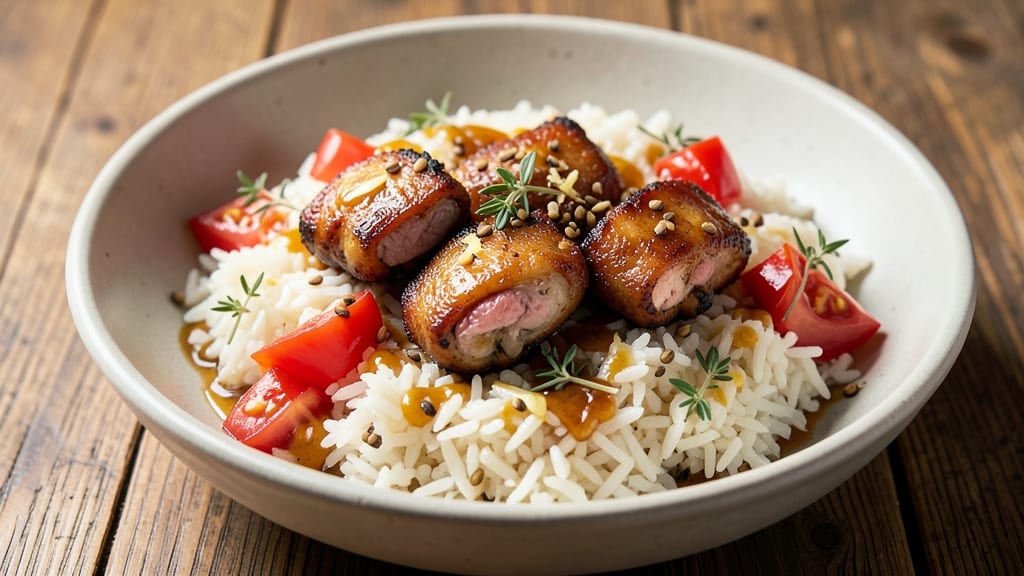
This gizzard and rice recipe transforms humble ingredients into a rich, flavorful one-pot dish where tender gizzard meets perfectly seasoned rice in every bite. The secret lies in properly preparing the gizzard—cleaning, marinating, and cooking it until crispy edges meet succulent centers—while the rice absorbs aromatic spices into its grains.
I developed this method after years of experimenting with West African techniques, ensuring the gizzard stays juicy while the rice develops a fragrant crust at the bottom.
The beauty of this dish is its simplicity: one pot, minimal cleanup, and maximum flavor. Start by frying the gizzard until golden, then simmer it in a rich tomato-based sauce with ginger, garlic, and thyme until fork-tender.
Meanwhile, the rice cooks in the same pot, absorbing the gizzard's savory essence as it steams. This approach eliminates the need for separate pans while delivering restaurant-quality depth in every spoonful.
What you’ll end up with is a harmonious blend of textures—crispy gizzard pieces resting atop tender rice, all infused with warm spices that linger on the palate. The rice develops a delicate crust at the edges, while the gizzard remains juicy inside, its natural flavor amplified by the slow-cooked sauce.
This recipe proves that comfort food doesn’t require complicated techniques—just patience and the right balance of seasoning.
Perfect for family dinners or special occasions, this dish scales effortlessly and tastes even better the next day. The leftovers keep their texture and flavor, making it an ideal meal prep option. Let’s bring this one-pot masterpiece to your table—where every bite tells a story of spiced harmony.
Ingredients for gizzard rice
One-pot magic starts with these simple yet transformative ingredients—where crispy gizzard meets aromatic rice.
| Ingredient | Amount | Notes |
|---|---|---|
| Chicken Gizzards 🍗 | 1 ½ lb | Cleaned and trimmed |
| Long-Grain White Rice 🍚 | 1 ½ cups | Uncooked, jasmine preferred |
| Medium Tomatoes 🍅 | 2 whole | Fresh, diced, or canned |
| Fresh Ginger 🧄 | 2 tbsp | Grated, peeled, fresh |
| Garlic Cloves 🧄 | 6 cloves | Peeled, minced finely |
| Fresh Thyme 🌿 | ¼ cup | Stems removed, chopped |
| Vegetable Oil 🫒 | ½ cup | For frying gizzard |
| Chicken Broth 💧 | 2 cups | Low-sodium preferred |
| Bay Leaves 🍃 | 2 whole | Dried, for depth |
| Ground Black Pepper 🌶️ | 1 tsp | Freshly cracked |
| Salt 🧂 | 1 ½ tsp | Kosher or sea salt |
| Scotch Bonnet Peppers 🌶️ | 1 whole | Seeds removed, finely chopped |
| Onion 🧅 | 1 whole | Medium, diced |
The gizzards are the star—freshness matters most (look for plump, firm pieces with minimal slime). Whole Foods or local butchers often carry the best quality, but frozen works in a pinch. If using frozen, thaw overnight in the fridge. The rice should be jasmine or basmati for that signature fragrant crust. For the tomatoes, San Marzano canned adds sweetness, but fresh diced works too—just remove skins. The ginger and garlic need to be freshly grated and minced for authentic flavor. Trader Joe's has great pre-minced garlic if you're short on time.
No scotch bonnet? Habanero or jalapeño at half the amount (but seeds out for less heat). Fresh thyme unavailable? Dried thyme at one-third the quantity works, but fresh is ideal. The chicken broth should be low-sodium—add extra salt later if needed. Diamond Crystal kosher salt dissolves better than table salt. For the onion, yellow or red both work, but yellow adds slight sweetness. The bay leaves are non-negotiable—they bring that deep, earthy aroma that elevates everything. Remove them before serving unless you love chewing on them.
This dish tastes even better the next day—make extra. Store in an airtight container for up to 5 days in the fridge. For longer storage, freeze portions for 3 months. The gizzards stay juicy when reheated gently with a splash of water. Double the batch if feeding a crowd—it scales perfectly. The rice keeps its texture better than most grains when reheated, making this a weeknight staple that always impresses.
Why You'll Love This Recipe
- No Chopping Chaos: I swear by this—just rough-chop the tomatoes and ginger, mince the garlic in one go, and boom. The gizzards do all the work while you stir, leaving you with zero knife fatigue and all the flavor.
- Ginger-Garlic Magic: That first bite? The ginger and garlic caramelize into the gizzards while they simmer, turning them tender with a punch that lingers. Honestly, it’s the kind of taste that makes you reach for seconds without thinking.
- Leftovers That Shine: This dish actually improves the next day. The rice soaks up the gizzard broth, and the tomatoes deepen into a sweet-tart sauce. I meal prep it all week—just reheat and serve, no fuss.
- Budget Powerhouse: Gizzards are the unsung hero of affordable protein. A pound feeds four, stretches over rice, and leaves you with change for coffee. Between us, it’s my go-to when I need to feed the family without breaking the bank.
Step-by-step instructions for gizzard and rice
This one-pot method delivers tender gizzards and perfectly seasoned rice with crispy edges every time.
Prepare and Sear the Chicken Gizzards
Begin by cleaning and trimming the 1.5 lb chicken gizzards thoroughly, removing any excess membrane or connective tissue. Pat them completely dry with paper towels—this ensures maximum crispiness when seared. In a large, heavy-bottomed pot, heat 0.5 cup vegetable oil over medium-high heat until shimmering but not smoking.
Working in batches to avoid crowding, carefully add the gizzards to the hot oil. Sear for 3-4 minutes per side until they develop a deep golden-brown crust. The oil should sizzle vigorously, and you'll notice the gizzards release easily from the pot when ready. Transfer the seared gizzards to a plate and set aside temporarily. This initial searing locks in flavors and creates that coveted crispy texture promised in the title.
Build the Spiced Base
In the same pot, reduce the heat to medium and add 1 whole onion and 2 whole medium tomatoes, both diced. Cook for 5-6 minutes until the onions soften and the tomatoes begin to break down, releasing their juices. Add 6 cloves garlic cloves and 2 tbsp fresh ginger, both minced, and cook for another 1-2 minutes until fragrant—this is where the aromatic foundation takes shape.
Stir in 0.25 cup fresh thyme, 1 whole scotch bonnet peppers (seeds removed and finely chopped), 1.5 tsp salt, and 1 tsp ground black pepper. Cook for 1 minute to toast the spices slightly, deepening their flavors. This step ensures every bite carries the complex spice profile that defines this dish. The scotch bonnet adds heat, while the thyme and bay leaves (to be added next) provide earthy depth.
Combine and Simmer the One-Pot Mixture
Return the seared gizzards to the pot and pour in 2 cups chicken broth. Add 2 whole bay leaves and bring the mixture to a gentle boil. Once boiling, reduce heat to low and stir in 1.5 cups long-grain white rice. The rice should be submerged but not drowned—just enough liquid to cook it through while keeping the gizzards tender.
Cover the pot with a tight-fitting lid and simmer for 25-30 minutes on low heat. You'll know it's ready when the rice is tender and the gizzards are fork-tender with no resistance. The liquid should be mostly absorbed, leaving the rice separate but flavorful. If the mixture seems too dry before the rice is fully cooked, add 2-3 tablespoons of water and continue simmering. This one-pot approach ensures everything cooks together, maximizing flavor and minimizing cleanup.
Rest and Serve with Crispy Edges
Once the rice is fully cooked and the gizzards are tender, remove the pot from heat and let it rest for 5-10 minutes. This resting period allows the gizzards to reabsorb any juices, ensuring they remain moist and flavorful. The rice will continue to steam slightly, finishing its cook while absorbing the remaining liquid and spices.
Before serving, gently fluff the rice with a fork and discard the bay leaves. Taste and adjust seasoning if needed—this is your final chance to balance the flavors. Serve immediately, ensuring each portion includes both the crispy-edged gizzards and the aromatic rice. The contrast between the tender gizzards and the crispy, spiced rice creates the perfect harmony promised in the title.
Pro Tips For Making Gizzard Rice
- SCORE THE GIZZARDS: Use a sharp knife to slice the gizzards lengthwise, then pound them flat with the side of your knife—about ¼-inch thick. This keeps them tender instead of chewy, and they’ll cook faster in the tomato-ginger sauce. (I used to skip this, and my gizzards always ended up rubbery.)
- BROWN THE GIZZARDS FIRST: Sear the gizzards in a hot, oiled pan until deeply browned on both sides—about 3-4 minutes per side—before adding anything else. That crust locks in flavor and prevents them from turning to mush in the rice. (Yes, even if you’re impatient like me.)
- JULIENNE THE GINGER: Thinly slice the ginger—almost like matchsticks—so it softens quickly in the sauce. Whole chunks or rough grates won’t break down, leaving you with bland pockets. (My grandmother swore by this, and she was right: the ginger should disappear into the dish, not sit as a textural afterthought.)
- SIMMER THE TOMATOES LOW: Once the gizzards and aromatics hit the pot, reduce the heat to a gentle simmer and let the tomatoes cook uncovered for 10 minutes. This deepens their flavor without turning the sauce into a gluey mess. (After burning three batches, I finally figured out that patience here makes a real difference.)
Regional styles of this dish
West African Style
In countries like Nigeria and Ghana, gizzard rice often features a tomato-pepper stew base with bold spices like utazi leaves (if available) and nutmeg. The gizzards are typically pressure-cooked first to tenderize them before adding to the rice.
I like using palm oil for a richer color and deeper flavor—just add 1 tbsp at the base of the pot before building the sauce. The rice is cooked separately but infused with the stew’s aromatics. 🌶️
Caribbean Twist
Jamaican and Trinidadian versions often include scotch bonnet peppers for heat and green seasoning (a blend of herbs like thyme, chives, and culantro). The gizzards are fried crispy first, then simmered in a ginger-garlic broth with allspice and cloves.
The rice is cooked in the same pot, absorbing the bold flavors. For extra richness, add 1 tbsp tomato paste to the base before adding the broth. This style is perfect for spice lovers! 🔥
Middle Eastern Adaptation
In countries like Lebanon and Syria, this dish might include ground cumin and turmeric for warmth, along with raisins for sweetness. The gizzards are marinated overnight in lemon juice, garlic, and olive oil before cooking.
The rice is often parboiled and finished with toasted pine nuts or slivered almonds for texture. Serve with a side of tahini sauce for dipping. 💫
Southern U.S. Fusion
In the American South, gizzard rice might resemble shrimp and grits but with gizzards instead. The dish includes smoked paprika, hot sauce, and cheddar cheese on top. The gizzards are deep-fried until extra crispy, then simmered in a tomato-based sauce with cornmeal added to the rice for thickness.
Top with green onions and hot sauce for a bold finish. This version is a crowd-pleaser at family gatherings! 🍴
Liberian Spiced Version
Liberian gizzard rice often features palm oil, peanut butter, and cassava leaves for a hearty, earthy flavor. The gizzards are stewed with cassava leaves before adding to the rice.
The rice is cooked in a palm oil-infused broth with peanut butter stirred in at the end for richness. This version is deeply flavorful and perfect for celebratory meals. 🌍
Nutrition facts
Frequently asked questions
Why do I need to sear the gizzards before cooking?
Searing creates a flavorful crust that locks in juices and prevents the gizzards from becoming dry. The golden-brown edges add texture and depth to every bite. Skipping this step means missing out on that satisfying contrast between crispy exterior and tender interior.
Can I substitute chicken gizzards with another protein?
Yes! Try beef gizzards, turkey gizzards, or even chicken livers for a similar texture. For seafood lovers, shrimp or mussels work well in the same one-pot method. Just adjust cooking times—seafood cooks much faster than poultry gizzards.
What if my rice turns out mushy instead of fluffy?
Mushy rice usually means too much liquid or insufficient heat. For future attempts, use 1.5 cups broth for 1.5 cups rice and maintain a gentle simmer. Stirring occasionally can also help distribute heat evenly. The lid should stay on tightly to trap steam.
How can I make this dish spicier or milder?
For extra heat, add 1-2 chopped scotch bonnet peppers or increase the black pepper to 1.5 tsp. To mellow the flavor, reduce the pepper by half and omit the scotch bonnet entirely. Fresh ginger and garlic can also be adjusted—less means milder, more means bolder.
Can I make this recipe in an Instant Pot?
Sear the gizzards first in a separate pan, then add everything to the Instant Pot. Cook on high pressure for 8 minutes with 1 cup broth, then natural release. The rice will absorb flavors beautifully while staying separate. Just add the remaining 0.5 cup broth after pressure cooking.