
Side Dishes
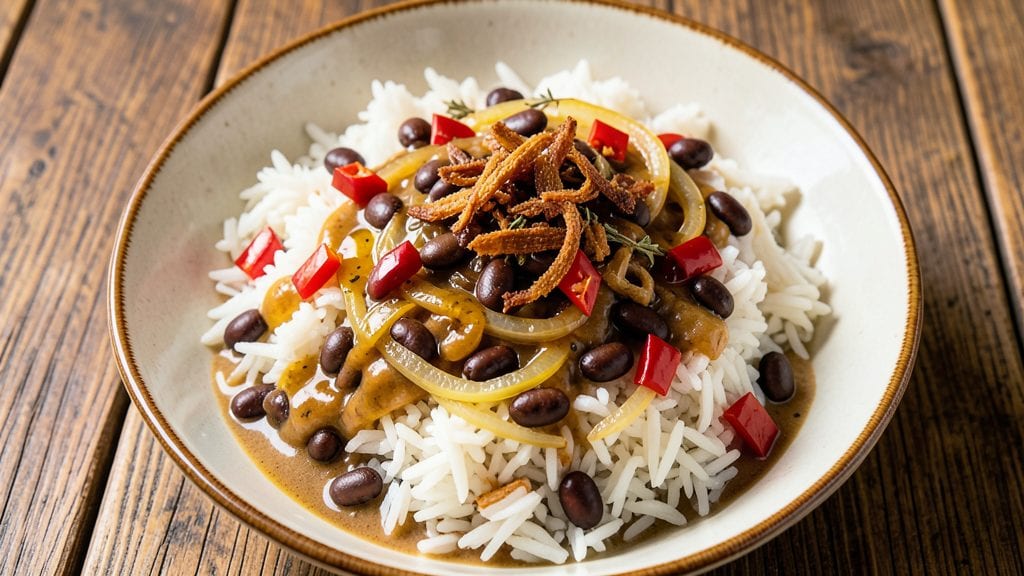
Cook like a Jamaican rice and peas recipe means mastering the perfect balance of coconut milk’s richness and the fiery kick of Scotch bonnet peppers. This one-pot dish transforms simple ingredients into a fragrant, flavorful side that pairs beautifully with jerk chicken or fried plantains. The secret lies in soaking the peas and letting the spices bloom—steps that elevate this dish from ordinary to extraordinary.
What makes this recipe truly special is its authenticity without sacrificing ease. Traditional techniques like pressure cooking ensure tender peas and perfectly infused rice, while modern shortcuts keep the process manageable for home cooks.
The result? A dish that tastes like a taste of Jamaica, with bold spices and creamy coconut harmony in every bite. Ready to bring this classic to your table?
Ingredients for cook like a jamaican rice and peas
Jamaican rice and peas thrives on coconut milk's creaminess and bold spices. Simple ingredients, big flavor, and authentic techniques make this dish unforgettable.
| Ingredient | Amount | Notes |
|---|---|---|
| Long-Grain White Rice 🍚 | 1 cup | Uncooked, jasmine or basmati preferred |
| Coconut Milk 🥥 | 13 ½ oz | Full-fat canned, no additives |
| Dried Cowpeas (Black-Eyed Peas) 🌱 | 1 cup | Picked over for debris |
| Scotch Bonnet Peppers 🌶️ | 1 whole | Seeds removed for less heat |
| Yellow Onion 🧅 | 1 whole | Medium, finely chopped |
| Garlic Cloves 🧄 | 4 cloves | Fresh, minced |
| Fresh Thyme Leaves 🌿 | ¼ cup | Chopped, stems removed |
| Ground Allspice 🌶️ | 1 tsp | Freshly ground preferred |
| Ground Cinnamon 🌿 | ½ tsp | High-quality preferred |
| Salt 🧂 | 1 tsp | Sea salt preferred |
| Black Peppercorns 🌶️ | ½ tsp | Freshly ground preferred |
| Fresh Ginger Root 🌿 | 1 oz | Peeled, finely grated |
| Vegetable Oil 🫒 | 2 tbsp | For sautéing |
| Water 💧 | 1 ½ cups | For soaking peas |
For authentic flavor, coconut milk from a reputable brand like Thai Kitchen or Native Forest is essential—avoid light versions. The Scotch bonnet peppers are the heart of this dish; if unavailable, substitute habanero (use half the amount for milder heat). Fresh thyme and ginger from a trusted Caribbean market elevate the dish, but grocery store versions work in a pinch. The dried cowpeas should be picked over for stones before soaking. For the rice, jasmine or basmati varieties hold up best to the coconut's richness.
No Scotch bonnet? Habanero or cayenne work, but reduce to half the amount. Swap fresh thyme for dried at one-third the quantity. If you can't find ground allspice, nutmeg plus cloves (half each) mimic the flavor. For the ginger, powdered ginger at half the amount works if fresh isn't available. The vegetable oil can be swapped for coconut oil, but it will add more coconut flavor. For a quicker prep, use canned black-eyed peas, but soaking dried yields better texture.
Soak the peas overnight for best results, but a 4-hour minimum soak works if short on time. Store the cooked rice and peas in an airtight container for up to 5 days in the fridge. The coconut milk mixture can be refrigerated separately for 3 days and reheated gently. For freezing, portion into single-serving containers—the texture holds better when reheated from frozen. This dish tastes even better the next day, as flavors meld and the coconut milk absorbs into the rice.
Why You'll Love This Recipe
- One-Pot Magic: I swear by this recipe—just rice, coconut milk, and a handful of dried peas tossed in one pot. No fancy gadgets, no stress. The cowpeas soften right into the rice, and the coconut milk turns it creamy without extra fuss. Honestly, I’ve made it in a dorm kitchen, a tiny apartment, and even a camping pot.
- Scorch-Worthy Heat: That Scotch bonnet pepper? Oh, it’s there—not overwhelming, but enough to make every bite sing. The charred onion edges add this deep, smoky sweetness that balances the creaminess. (Yes, even on a Tuesday night, this dish wakes up my taste buds.)
- Leftovers That Beg: This rice and peas improves the next day. The flavors meld, the peas get even tender, and it’s the perfect side for fried fish, jerk chicken, or just straight from the pot. I’ll be real: my lunchbox gets packed with this for days, and no one complains.
- Budget-Friendly Staple: Dried peas and rice? Cheap. Coconut milk? A big can lasts forever. Onions and peppers? Versatile. This is the kind of dish that stretches my grocery money while still feeling like a treat. Plus, it’s the kind of meal that makes you feel like you’re feeding a crowd—without the crowd-sized bill.
Step-by-step instructions for Jamaican rice and peas
Master this one-pot dish where fragrant rice and tender peas marry with bold Jamaican spices.
Prepare the Cowpeas for Perfect Texture
Rinse the 1 cup of dried cowpeas (black-eyed peas) thoroughly under cold water to remove any debris. Transfer them to a medium bowl and cover with the 1.5 cups of water. Let them soak for at least 2 hours—or overnight if possible. This step ensures the peas cook evenly and retain their shape rather than becoming mushy.
I know it seems counterintuitive to soak beans, but trust me—this prevents the peas from absorbing too much liquid later and turning into a thick paste. After soaking, drain the peas and set them aside. The longer they soak, the more tender they'll become, but even 2 hours makes a noticeable difference in texture.
Build the Flavor Base with Aromatics
Heat the 2 tablespoons of vegetable oil in a heavy-bottomed pot over medium heat. Add the 1 whole yellow onion (finely chopped) and cook for 5 minutes until softened and translucent. This foundational step develops the sweetness that balances the heat later.
Add the 4 cloves of minced garlic, the 0.25 cup of chopped fresh thyme leaves, and the 1 oz of finely grated fresh ginger root. Cook for 2 minutes until fragrant—you'll smell that earthy, citrusy aroma that defines Jamaican cooking. Here's where the magic begins: the ginger and thyme will infuse the oil with their distinctive flavors before we introduce the spices.
Develop the Spice Blend
Add the 1 whole Scotch bonnet pepper (seeds removed), the 1 teaspoon of ground allspice, and the 0.5 teaspoon of ground cinnamon. Stir for 1 minute until the spices bloom and release their aromatic oils. This is the moment that matters: the spices should smell warm, slightly sweet, and deeply aromatic—not burnt or bitter.
Next, add the 1 teaspoon of salt and 0.5 teaspoon of freshly ground black peppercorns. Give everything a good stir and cook for another 30 seconds. The spices should now coat the onions and aromatics evenly. If the mixture starts to stick, add a splash of water—but don't let it get too wet at this stage. The goal is to develop the flavor base before adding liquids.
Combine Rice, Peas, and Coconut Milk
Add the drained 1 cup of long-grain white rice and the soaked cowpeas to the pot. Stir to coat them evenly with the spiced oil and aromatics. This ensures every grain of rice and each pea absorbs the flavor profile we've built.
Pour in the 13.5 oz of full-fat coconut milk, making sure to scrape up any browned bits from the bottom of the pot. These bits contain concentrated flavor that will deepen the richness of the dish. Bring the mixture to a gentle simmer over medium heat, then reduce the heat to low. The liquid should bubble softly—this prevents the rice from cooking too quickly on the bottom.
Simmer to Perfect Doneness
Cover the pot with a tight-fitting lid and simmer for 25 minutes. Don't peek or stir during this time—it disrupts the cooking process and can lead to uneven texture. After 25 minutes, check the rice. It should be tender but still slightly firm in the center.
If the mixture appears dry before the rice is fully cooked, add 2-3 tablespoons of water. The rice should finish cooking in the residual heat as it rests. Once done, remove from heat and let it sit covered for 10 minutes. This resting period allows the flavors to meld completely and the rice to absorb any remaining liquid. The final result should be fragrant, creamy, and perfectly balanced between the nutty rice, tender peas, and bold Jamaican spices.
Pro Tips For Making Cook Like A Jamaican Rice And Peas
- SOAK THE PEAS: I learned this the hard way—skipping the overnight soak leaves your cowpeas tough as shoe leather. Toss them in warm water with a pinch of baking soda (yes, really) for 8+ hours, then drain before cooking. The texture difference is night and day, and you’ll taste it in every bite.
- SWEAT THE ONIONS: Don’t rush this step—low and slow for 8-10 minutes until the onions are deep golden and almost caramelized. That’s where the flavor builds, not just the base. If you’re impatient, you’ll end up with raw onion bits that scream in your finished dish.
- USE FULL-FAT COCONUT MILK: The canned stuff labeled "light" or "low-fat" is a crime against Jamaican rice and peas. Full-fat (40% or higher) gives that creamy, rich body without curdling. I’ve tried the shortcut—don’t. The texture turns out sad and watery.
- COVER TIGHTLY AFTER SIMMERING: Once the liquid returns to a boil, slap that lid on and crank the heat to medium-high for the first 5 minutes. The steam blasts the rice and peas, locking in moisture and flavor faster. After that, drop to low heat—this isn’t a pressure cooker, but close enough.
Regional styles of this recipe
Jamaican Country Style
This is the classic version you’ll find at Jamaican family gatherings, where the rice and peas are cooked in a one-pot method with coconut milk and a bold spice blend.
The dish is traditionally served alongside jerk chicken or fried plantains, and the peas are often soaked overnight for maximum tenderness. I’ve noticed that Jamaican cooks in rural areas tend to use more ginger and thyme than their urban counterparts, giving the dish a deeper, earthier flavor. 🌶️
The key to authentic flavor is the Scotch bonnet pepper, which provides the signature heat. If you can’t find it, habanero works in a pinch, but reduce the amount by half to avoid overwhelming the dish.
The rice is typically jasmine or basmati, as these varieties hold up well to the coconut milk’s richness without becoming mushy. This version is all about balance—creamy, spicy, and aromatic in every bite.
Trinidadian-Inspired Twist
In Trinidad, a neighboring island with similar culinary roots, the dish often incorporates drumstick leaves (also called moringa) for a unique, slightly bitter note. I’ve adapted this by adding 1-2 fresh drumstick leaves (or 1 tbsp dried moringa powder) to the pot during the simmering stage.
This adds a nutty depth that complements the coconut milk beautifully. Trinidadians also tend to use more allspice and a pinch of nutmeg for warmth. 🌿
Another Trinidadian touch is the addition of dried okra (about ½ cup) to the pot, which thickens the coconut milk into a velvety sauce. This version feels richer and more luxurious—perfect for special occasions.
If you want to try this, add the okra with the rice and peas and simmer until it softens completely.
Bahamian Simplified Version
In the Bahamas, the dish is often simpler and heartier, with a focus on local ingredients. Bahamian cooks frequently use dried salted cod (about ½ cup flaked) mixed into the rice and peas for a savory, umami-rich flavor.
The heat level is usually milder, with less Scotch bonnet or even a substitution of bell peppers for a sweeter touch. This version is a staple at fish fries and other casual gatherings. 🍤
Bahamians also tend to skip the soaking of the peas, opting instead for a longer simmer (up to 45 minutes) to achieve tenderness. The rice is often brown rice or a mix of white and brown, adding a nutty contrast to the creamy coconut milk.
This version is ideal if you’re short on time or prefer a more rustic, no-fuss approach.
Modern Fusion Adaptation
For a contemporary twist, I’ve experimented with adding smoked paprika (about ½ teaspoon) and a splash of soy sauce (about 1 tablespoon) to the spice blend. This adds a smoky depth that pairs surprisingly well with the coconut milk.
I’ve also swapped out half the coconut milk for light coconut milk to reduce richness while keeping the flavor. This version works beautifully as a vegan side dish or alongside grilled tofu or tempeh. 🌱
Another fusion idea is to stir in chopped fresh cilantro and lime zest at the end for a bright, citrusy finish. You could also add diced mango or pineapple for a sweet-and-spicy contrast.
This adaptation is perfect for those who want to keep the dish authentic but fresh with modern flavors.
Nutrition facts
Frequently asked questions
Why do I need to soak the cowpeas (black-eyed peas) before cooking?
Soaking the peas for at least 2 hours (overnight is best) prevents them from becoming mushy during cooking. This step ensures they absorb flavors evenly and maintain their texture. Skipping it can turn your dish into a thick paste instead of tender, flavorful peas!
Can I substitute Scotch bonnet peppers if I can't find them?
Yes! Use habanero (half the amount) or cayenne pepper (reduce to ¼ teaspoon) for heat. For milder flavor, try jalapeño (seeds removed) or even bell peppers for sweetness. The key is adjusting quantity—Scotch bonnet is the boldest choice!
How do I adjust this recipe for a pressure cooker?
Follow the same steps until adding liquid. Use 1 cup water instead of coconut milk initially, pressure cook for 8 minutes, then add coconut milk and cook another 5 minutes on high pressure. The peas will soften faster, but monitor rice doneness carefully.
What's the best way to reheat leftover rice and peas?
Gently reheat with 1-2 tablespoons of water or coconut milk in a pot over low heat. Microwaving can make the rice dry—avoid it! For best results, reheat just until warm, then let it sit covered for 5 minutes to redistribute moisture.
Can I make this dish without coconut milk?
While traditional, you can substitute with half-and-half or heavy cream (reduce spices slightly) for a milder version. For dairy-free options, use cashew cream (blend soaked cashews with water). The texture will differ, but the spice blend remains the heart of the dish!