
Main Courses
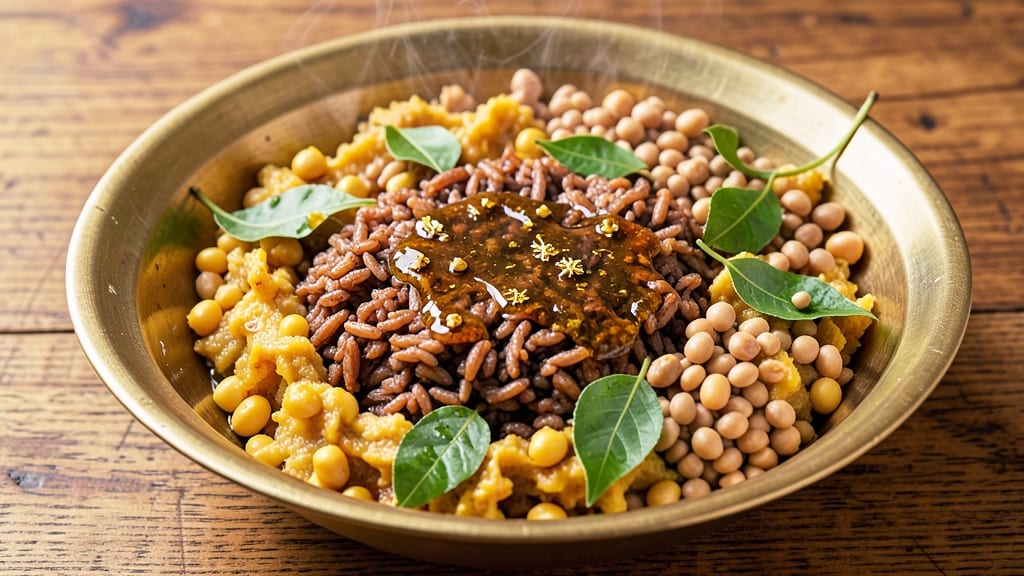
This brown rice adai recipe transforms traditional South Indian flavors into a healthier, one-pot masterpiece that balances hearty texture with aromatic spices. The secret lies in soaking brown rice overnight to unlock its nutty potential, then grinding it with lentils and spices into a fragrant, cohesive batter.
What makes this version special is the brown rice—it adds earthy depth while keeping the dish lighter than traditional adai.
Once tempered with mustard seeds, curry leaves, and coconut, the adai develops layers of smoky, spicy warmth that lingers long after the first bite. The result is a one-pot dish that’s perfect for breakfast or lunch—creamy, spiced, and packed with plant-based protein.
Serve it with sambar, coconut chutney, or yogurt to complete the meal. Let’s get cooking!
Ingredients for brown rice adai
Brown rice and lentils soak up Jamaican-inspired spices for a hearty, one-pot breakfast masterpiece.
| Ingredient | Amount | Notes |
|---|---|---|
| Brown Rice 🌾 | 1 cup | Uncooked, soaked overnight |
| Yellow Lentils 🌱 | ½ cup | Rinsed well, no need to soak |
| Chana Dal 🌱 | ¼ cup | Split Bengal gram, rinsed |
| Toor Dal 🌱 | ¼ cup | Split pigeon peas, rinsed |
| Fresh Curry Leaves 🌿 | ½ cup | Packed, stems removed |
| Mustard Seeds 🌶️ | 1 tbsp | Whole, light brown preferred |
| Coconut Oil 🫒 | ¼ cup | Virgin preferred for flavor |
| Ginger 🧄 | 1 tbsp | Freshly grated, no skin |
| Green Chilies 🌶️ | 2 whole | Slit lengthwise for tempering |
| Asafoetida 🌿 | ¼ tsp | Crushed, for depth of flavor |
| Turmeric Powder 🧂 | ½ tsp | Freshly ground preferred |
| Cumin Seeds 🌶️ | ½ tsp | Toasted for aroma |
| Coriander Seeds 🌿 | ½ tsp | Toasted lightly |
| Salt 🧂 | 1 ½ tsp | Adjust to taste |
| Water 💧 | 2 ½ cups | For grinding batter |
The brown rice is the foundation here—short-grain varieties like basmati or jasmine work best for texture. Soak it overnight in twice the volume of water (about 2 cups) to unlock its nutty potential. For the lentils, yellow lentils hold their shape better than red, but moong dal adds creaminess if you prefer. Most Indian grocery stores carry these in bulk bins, or check the international aisle at Whole Foods or Trader Joe's. Curry leaves are non-negotiable—they bring that signature South Indian aroma, but if you can't find them, cilantro stems in a pinch (though it won't be the same).
No mustard seeds? Sesame seeds toasted dark add a similar nutty depth, though the flavor won't be identical. Fresh ginger is ideal, but dried ginger powder at half the amount works if you're in a hurry. The green chilies can be swapped for red chilies or cayenne powder—just adjust heat to taste. For extra richness, add 1 tbsp coconut milk to the tempering oil. And if you're making this ahead, toast the spices separately before grinding—they'll keep better that way.
The batter keeps 3 days in the fridge, covered tightly. For longer storage, portion into ice cube trays, freeze, then transfer to a bag—perfect for quick breakfasts. Reheat gently in a nonstick pan with a splash of water to restore creaminess. This makes 4 generous servings, but I always double the batch—leftovers reheat beautifully for lunch the next day. The spices mellow slightly after cooking, so add a pinch of asafoetida when reheating if you want that authentic umami punch back.
Why You'll Love This Recipe
- I swear by this trick: just soak the brown rice overnight, then pressure-cook it with the lentils—no extra prep. The grains stay fluffy, and the dals melt into that perfect, thick texture without a single clump.
- Here’s what sold me: this adai holds up for days. Pack it cold for work, reheat it with a splash of water, and it’s still just as satisfying. My kids actually finish their lunch now—no leftovers in their bags.
Step-by-step instructions for Jamaican spice-infused one-pot magic
This traditional South Indian adai transforms simple grains into a fragrant, protein-rich dish.
Prepare the Base Ingredients
In a large mixing bowl, combine the soaked 1 cup brown rice, 0.5 cup yellow lentils, 0.25 cup chana dal, and 0.25 cup toor dal. Add 1.5 teaspoons salt and mix thoroughly. The grains should be completely coated in salt, which enhances flavor and prevents blandness. Let this mixture sit for 10 minutes while you prepare the tempering.
This initial soaking step is crucial—it ensures even cooking and prevents the rice from remaining hard. If you notice any small stones or debris in the grains, pick them out now. The texture contrast between the soft lentils and firm rice creates the signature adai experience.
Create the Flavorful Tempering
Heat 0.25 cup coconut oil in a heavy-bottomed pot over medium heat. Add the 0.5 teaspoon toasted cumin seeds and 0.5 teaspoon toasted coriander seeds, stirring constantly for 30 seconds until they release their aromatic oils and begin to sizzle gently.
Add the 1 tablespoon mustard seeds and let them pop audibly before adding the 0.5 cup fresh curry leaves, 1 tablespoon grated ginger, and 2 slit green chilies. The curry leaves should crisp slightly while releasing their distinctive fragrance. Immediately pour in the 0.25 teaspoon crushed asafoetida—this umami-rich ingredient adds depth that's essential to authentic adai flavor.
Combine and Cook the Adai
Pour the tempering mixture over the grain-lentil combination in your mixing bowl and toss well to coat evenly. Transfer everything to the same pot you used for tempering. Add 2.5 cups water and bring to a rolling boil over high heat. Once boiling vigorously, reduce heat to low-medium and cover with a tight-fitting lid.
Simmer for 25-30 minutes without lifting the lid, allowing steam to build pressure naturally. You'll know it's ready when the grains are tender but still hold their shape slightly—the rice should be cooked through but not mushy. The lentils should be soft enough to mash between your fingers but still retain some texture.
Final Seasoning and Resting
Once cooked, remove from heat and let the adai sit covered for 5 minutes. This resting period allows the flavors to meld and the grains to absorb any remaining moisture. Sprinkle the 0.5 teaspoon turmeric powder over the top and gently fold it in using a spatula. The turmeric adds both color and subtle earthiness that balances the other spices.
Taste and adjust seasoning if needed—sometimes the coconut oil or lentils require additional salt. Serve warm with coconut chutney or a side of sambar for the complete South Indian experience. The one-pot method keeps everything cohesive, with each bite delivering the perfect harmony of textures and flavors.
Pro Tips For Making Brown Rice Adai
- SOAK THE RICE LONG: Skip the 4-hour soak if you’re in a rush, but don’t go under 2 hours—especially for brown rice. I learned this the hard way when my adai turned out gummy and uneven. If you’re short on time, use pre-soaked brown rice from the store (just rinse it well first), but add 5 extra minutes to the cooking time.
- CRUSH THE DALS COARSELY: Don’t pulverize the chana dal and toor dal into a fine paste—leave them slightly textured. My grandmother swore by this, and she was right: too-fine lentils make the adai dense and heavy. Aim for a mix of broken and whole lentils; your fingers should still feel some resistance when pressing.
- STEAM THE ADAI FIRST: After shaping the adai, steam it for 10 minutes before frying. I was skeptical until I tried it—this locks in moisture and prevents cracking when you flip it. Use a tight-fitting lid and let the steam do the work before hitting the pan; your adai will thank you with a consistent texture.
- USE CURRY LEAVES LAST: Add fresh curry leaves only in the final 2 minutes of cooking, right when you flip the adai. They burn fast, and I’ve ruined more batches by tossing them in too early. If you’re worried about flavor, toast them in a dry pan for 10 seconds before adding—it intensifies their aroma without risking bitterness.
Flavor customization for these flavors
Spice Level Control
Adjust the heat to your preference by modifying the chilies. For a mild version, reduce to 1 green chili or swap for ½ tsp mild chili powder. For medium heat, keep the 2 green chilies as written.
For spicy kick, add 1 tsp red chili powder or 1 dried Kashmiri chili (seeds removed) to the tempering. I often make a batch with both green and red chilies for variety—just toast them together until fragrant. 🌶️
Creamy vs. Firm Texture
Want a creamy adai? Replace half the brown rice with moong dal or masoor dal. For a firmer texture, add ¼ cup extra brown rice and reduce water by ¼ cup.
I’ve found that short-grain brown rice holds up better than long-grain—it stays slightly chewy while absorbing flavors. If your adai turns too dry, add 2 tbsp coconut milk while cooking.
Jamaican Twist
Infuse Caribbean warmth by adding 1 tsp allspice and ½ tsp cinnamon to the tempering. For a sweet-spicy balance, stir in 1 tbsp brown sugar during the final 5 minutes of cooking.
I love this combo with scotch bonnet chilies (use ½ for heat) and a splash of lime juice at serving. The allspice adds depth that complements the coconut beautifully. 🌴
Protein Boost Options
Add ½ cup cooked chickpeas or 1 cup paneer cubes for extra protein. For a vegan boost, stir in 1 tbsp nutritional yeast during the final resting phase—it adds a cheesy, umami note.
I’ve also seen traditional versions with tofu (crumbled and pan-fried first). Just reduce water by ¼ cup if adding extra ingredients to maintain texture.
Herb Variations
Swap curry leaves for cilantro stems (though flavor won’t be identical) or add 2 tbsp fresh mint leaves for a refreshing twist. For a garlic-forward version, sauté 3 minced garlic cloves in the coconut oil before adding seeds.
I’ve experimented with fresh fenugreek leaves (methi) too—they add a unique bitterness that pairs well with the coconut. 🌿
Sweet Finish
Balance the spices with 1 tsp jaggery or honey stirred in during the last 5 minutes of cooking. For a caramelized touch, lightly toast 2 tbsp grated coconut in the tempering oil before adding seeds.
I’ve also drizzled date syrup over the finished adai—just 1 tsp adds natural sweetness without overpowering the spices. 🍯
Nutrition facts
Frequently asked questions
Why does brown rice need overnight soaking for adai?
Brown rice has a tough outer bran layer that requires overnight soaking (12+ hours) to soften properly. This ensures even cooking and prevents gummy texture. The soaking also unlocks the rice's nutty flavors, which blend beautifully with the lentils and spices.
Can I make adai without a wet grinder?
Yes! Use a high-powered blender or food processor in batches, adding ½ cup water at a time to prevent overheating. For best results, grind the soaked rice and lentils separately first, then combine. The texture will be slightly coarser but still delicious.
How do I adjust the consistency if my adai is too thick?
Add 2-3 tablespoons warm water at a time while grinding or 1-2 tablespoons coconut milk after cooking. For a firmer adai, reduce water by ¼ cup next time. The ideal consistency should be like thick porridge that coats the back of a spoon.
What's the best way to reheat leftover adai?
Gently reheat in a nonstick pan over low heat with 1-2 tablespoons water to restore creaminess. For microwave reheating, cover with a damp paper towel and heat in 30-second intervals. Avoid high heat to prevent drying out.
Can I substitute white rice for brown rice?
Yes, but reduce soaking time to 4-6 hours and use ½ cup less water when cooking. White rice cooks faster but lacks the nutty depth of brown rice. For best results, use short-grain white rice to maintain the traditional adai texture.