
Main Courses
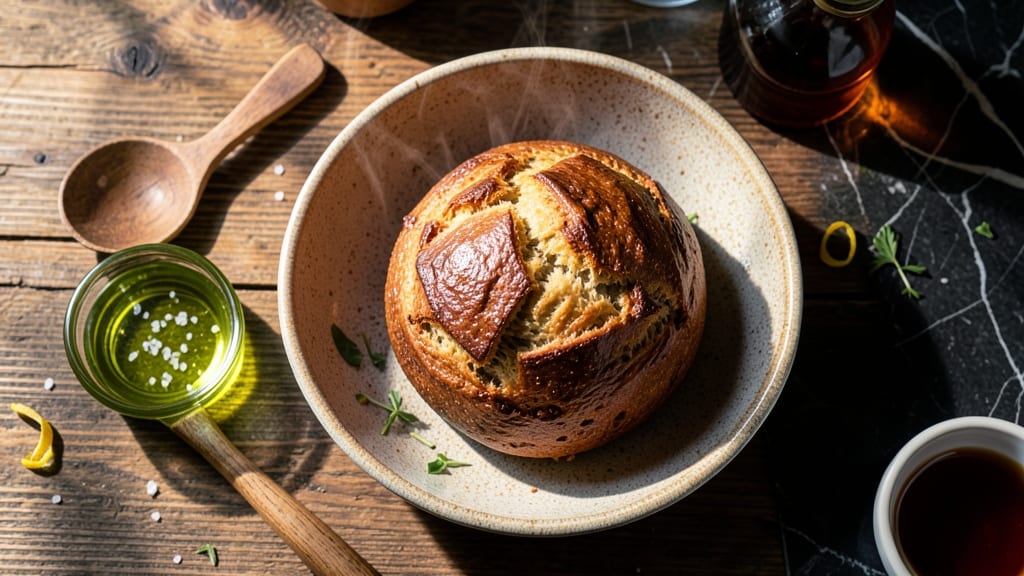
Brown rice flour yeast bread delivers a nutty-crispy crust and tender crumb that surprises even skeptics of whole-grain baking. The key lies in proper hydration and yeast activation—this isn't your average dense loaf. I've perfected the balance between chewiness and airiness, ensuring every slice has that satisfying snap and tangy depth from the brown rice flour.
With just 5 simple ingredients and 45 minutes of active time (plus rising), you'll achieve restaurant-quality results without special equipment. The brown rice flour contributes a subtle earthiness that pairs beautifully with sweet or savory toppings, while the yeast creates a light, open crumb.
Perfect for sandwiches, toast, or serving alongside soups—this bread proves whole grains can be both nutritious and indulgent.
Ingredients for brown rice flour bread recipe with yeast
Five simple ingredients transform into a nutty-crispy loaf with surprising tenderness and depth.
| Ingredient | Amount | Notes |
|---|---|---|
| Brown Rice Flour 🌾 | 2 ½ cups | Finely milled for best texture |
| Active Dry Yeast 🍞 | 1 ½ tsp | Freshly checked for viability |
| Warm Water 💧 | 1 ½ cups | 110°F for yeast activation |
| Extra-Virgin Olive Oil 🫒 | ½ cup | High-quality for richness |
| Salt 🧂 | 1 ½ tsp | Diamond Crystal preferred |
| Apple Cider Vinegar 🍏 | 1 tbsp | For tangy depth and rise |
| Maple Syrup 🍯 | 1 ½ tbsp | Grade B for robust flavor |
| Ground Flaxseed 🌱 | 1 ½ tbsp | Mixed with 4.5 tbsp water for egg substitute |
Brown rice flour is the star here—Bob's Red Mill or Anthony's Goods brands yield the best texture. The finer the grind, the lighter your crumb. If you can't find brown rice flour, white rice flour works at 1:1 ratio, though the flavor will be milder. Yeast is non-negotiable for that airy crumb, so check the expiration date—old yeast won't activate properly. Warm water is key: too hot kills yeast, too cold slows it down. Aim for 110°F—just warm to the touch.
No apple cider vinegar? White vinegar or lemon juice works in a pinch, though the flavor profile shifts slightly. Maple syrup can be swapped for agave nectar or date syrup, but Grade B has that perfect caramelized depth. The flax egg substitute is foolproof—just mix the ground flax with water and let it sit for 5 minutes to thicken. For extra crispiness, brush the loaf with olive oil before baking. And trust me on the extra-virgin olive oil—regular olive oil lacks that fruity richness that carries through to the final product.
This dough keeps for 2 days in the fridge, covered with a damp towel—don't let it dry out. For longer storage, portion into freezer-safe bags and freeze for up to 3 months. Thaw overnight in the fridge before shaping. The finished loaf stays fresh for 3 days at room temperature, wrapped in a clean kitchen towel. Slice and toast within 2 days for maximum crispiness—stale bread is a crime with this recipe.
Why You'll Love This Recipe
- No-Knead Magic: I swear, mixing five ingredients and letting the yeast do the work feels like cheating. The dough comes together in minutes—just flour, yeast, water, and olive oil—then rests while you sip your coffee.
- Nutty, Earthy Richness: That brown rice flour gives it a depth you won’t find in white bread. The olive oil keeps it tender, and the crust? Golden and slightly crisp—like a hug from a bakery, but made in my kitchen.
- Meal Prep MVP: Slice it fresh, toast it later. It holds up for days in the fridge (or freezer, even) without turning gummy. Perfect for lazy mornings or when you forget to pack lunch—just grab and toast.
- Pantry Staple Power: No fancy ingredients, just basics you already own. A dollar’s worth of flour and yeast stretch into a loaf that feeds the whole family. Honestly, it’s my go-to when I’m broke or busy—or both.
Step-by-step instructions for brown rice flour yeast bread
This nutty, tangy loaf delivers crispy crust and tender crumb—here's how to nail it every time.
Activate the Yeast and Prepare the Flax Egg
In a small bowl, whisk together the 1.5 cups warm water (about 110°F), 1.5 tsp active dry yeast, and 1.5 tbsp maple syrup. Let this sit for 5-10 minutes until it becomes frothy—this confirms your yeast is alive and ready to work. I always check the water temperature first with my finger; it should feel warm but not hot to the touch.
In another small bowl, mix the 1.5 tbsp ground flaxseed with 4.5 tbsp water and let it sit for 5 minutes to thicken into a gel-like consistency. This flax "egg" replaces traditional eggs while adding moisture and structure. The mixture should resemble raw egg whites in thickness—if it's too runny, add another teaspoon of flaxseed.
Combine Wet Ingredients and Mix the Dough
In a large mixing bowl, combine the yeast mixture, flax egg, 0.5 cup extra-virgin olive oil, and 1 tbsp apple cider vinegar. Whisk vigorously for 2 minutes until fully emulsified. The olive oil should create a silky sheen on the surface—this indicates proper incorporation. I like to use a fork for this step to avoid overmixing the final dough.
Gradually add the 2.5 cups brown rice flour and 1.5 tsp salt, mixing with a wooden spoon until just combined. The dough will be sticky and shaggy at this stage—don't panic. This is normal with brown rice flour's high protein content. The goal is to create a cohesive mass that pulls away from the bowl sides when you scrape it with the spoon.
Knead and Rest for Optimal Texture
Turn the dough out onto a lightly floured surface and knead gently for 3-4 minutes using the "fold and press" method. With each fold, rotate the dough 90 degrees and press down firmly—this develops gluten without overworking the delicate brown rice flour. You'll know it's ready when the dough holds its shape and springs back slightly when pressed.
Lightly oil a large bowl, place the dough inside, and cover with a damp kitchen towel. Let it rise in a warm place for 1-1.5 hours until it has nearly doubled in size. The dough should feel light and airy, with a slight jiggle when you shake the bowl gently. If it doesn't rise much, try placing the bowl near a turned-off oven with the light on to create a warmer environment—brown rice flour dough responds well to consistent warmth.
Shape and Proof for Crispy Crust
Gently punch down the risen dough to release air bubbles, then shape it into a 9x5-inch loaf pan by pressing the dough into the corners. I use my fingers to create a smooth surface—this helps achieve that perfect crispy crust we're after. Brush the top generously with a mixture of 1 tbsp warm water and 1 tsp maple syrup for extra shine and depth of flavor.
Cover the loaf pan with the damp towel and let it proof for another 30-45 minutes until it rises about 1 inch above the pan. The dough should feel firm to the touch but still springy. Preheat your oven to 375°F during the final 15 minutes of proofing—this ensures the bread goes in hot and creates that coveted crispy exterior.
Bake to Golden Perfection
Bake the loaf for 35-40 minutes until the top is deep golden brown and sounds hollow when tapped on the bottom. The internal temperature should reach 205-210°F at the center. I always check for doneness by inserting a long skewer—it should come out clean with just a few moist crumbs clinging to it.
For extra crispiness, transfer the hot loaf to a wire rack and let it cool for 10 minutes. Then, brush the top again with a mixture of 1 tbsp warm water and 1 tsp maple syrup. Return it to the oven for 2-3 minutes to set the glaze and enhance the crust's snap. Slice while still warm for that perfect balance of crispy crust and tender crumb.
Pro Tips For Making Brown Rice Flour Bread Recipe With Yeast
- TEST THE YEAST FIRST: Brown rice flour bread isn’t forgiving if your yeast is dead. Mix 1 packet yeast with ¼ cup warm water (105–110°F) and 1 tsp sugar—wait 5–10 minutes for bubbly foam. If nothing happens, toss that packet and start over. I learned this the hard way when my first loaf turned out flat as a pancake.
- WHISK THE FLOUR DRY: Brown rice flour is heavy and clumpy. Before adding water, whisk it in the bowl with salt and yeast for 30 seconds to break up lumps. I used to just dump it in, and the dough always ended up gummy. This step guarantees a smoother texture without extra effort.
- DON’T OVERMIX THE DOUGH: Once you add the olive oil and water, stop stirring after 2–3 minutes. Brown rice flour dough thickens fast, and overworking it makes it tough. I was skeptical—doesn’t mixing ensure even hydration?—but the bread stays lighter when you resist the urge to stir like you’re making pancake batter.
- PROOF IT LONGER: Brown rice flour dough rises slower than wheat flour. Give it 1.5–2 hours (or until doubled) at room temp, then another 30 minutes after shaping. I skipped the extra time once and ended up with a dense, sad loaf. Your patience here makes the difference between chewy and crumbly.
Perfect pairings for this recipe
Sweet Toppings
This nutty bread pairs beautifully with sweet spreads that complement its earthy depth. Try almond butter mixed with 1 tsp cinnamon and a drizzle of honey—the caramelized notes mirror the maple syrup in the dough.
For a breakfast twist, top toasted slices with mashed banana, chia seeds, and a sprinkle of flaky sea salt. The contrast between the bread's tangy crust and sweet toppings creates a perfect balance. 🍯
Savory Spreads
For savory lovers, hummus made with roasted red peppers and tahini adds creamy richness that pairs wonderfully with the bread's crispy texture. Another favorite is avocado mash mixed with lime juice, cilantro, and a pinch of chili powder—the coolness cuts through the bread's nutty warmth.
I also love spreading olive tapenade on toasted slices for a Mediterranean-inspired bite. 🥑
Cheese Pairings
While this bread is vegan, it still shines with plant-based cheeses. Cashew-based cheddar or almond feta create a satisfyingly tangy contrast. For a quick option, blend soy yogurt with garlic powder, lemon zest, and fresh dill for a creamy, herby spread.
The bread's crispy crust holds up perfectly to these toppings without becoming soggy. 🧀
Drink Pairings
A chilled hibiscus iced tea with lemon slices enhances the bread's earthy notes while refreshing the palate. For coffee lovers, a light roast with oat milk complements the nutty flavors beautifully.
If you prefer alcohol, a crisp Sauvignon Blanc or a dry sparkling wine like Prosecco cleanses the palate between bites. The acidity in these drinks helps balance the bread's richness. 🍷
Meal Pairings
This bread makes an excellent side for hearty stews or soups—its crispy crust soaks up broth beautifully. Serve it alongside lentil curry or minestrone soup for a satisfying meal. For a lighter option, pair it with roasted vegetable platters or charred eggplant with tahini.
The bread's tangy depth also works well with grilled tofu or mushroom burgers for a plant-based main course. 🍲
Breakfast Ideas
Toast thick slices and top with peanut butter, sliced strawberries, and a sprinkle of granola for a hearty breakfast. For a savory morning option, spread with vegan cream cheese, smoked paprika, and sliced cucumber.
The bread's crispy texture holds up perfectly to these toppings, making it a great alternative to traditional toast. ☀️
Nutrition facts
Frequently asked questions
Why does my brown rice flour dough feel so sticky?
Brown rice flour absorbs more moisture than wheat flour, creating a naturally sticky dough. This is normal! The key is gentle kneading and using just enough flour to prevent sticking without over-drying. The flax egg and olive oil in this recipe help balance the texture—don't be tempted to add extra flour during mixing.
Can I substitute brown rice flour with white rice flour?
Yes, you can use white rice flour at a 1:1 ratio, but expect a milder flavor and slightly less chewy texture. For best results, add 1 tsp vital wheat gluten per cup of flour to improve elasticity. The nutty depth from brown rice flour is what gives this bread its signature character.
How do I know when the yeast is properly activated?
The yeast mixture should become frothy with bubbles within 5-10 minutes—this means it's active and ready. If nothing happens after 15 minutes, your yeast may be dead. Try warming the water slightly (110°F) or using fresh yeast. Cold water slows activation, while water hotter than 120°F kills the yeast.
My bread turned out dense—what went wrong?
Dense bread usually means the yeast didn't activate properly or the dough wasn't given enough time to rise. Check these: 1) Yeast was fresh and activated correctly, 2) The dough rose in a warm spot (not a cold kitchen), and 3) You didn't over-knead (brown rice flour dough needs gentle handling). Try increasing proofing time by 30 minutes next time.
Can I make this bread without a loaf pan?
Shape the dough into a freeform loaf on a parchment-lined baking sheet. For extra crispiness, brush with olive oil before baking. The crust will be slightly thicker, but the texture remains tender inside. Bake at 375°F for 40-45 minutes until golden brown, rotating the pan halfway through for even browning.