
Side Dishes
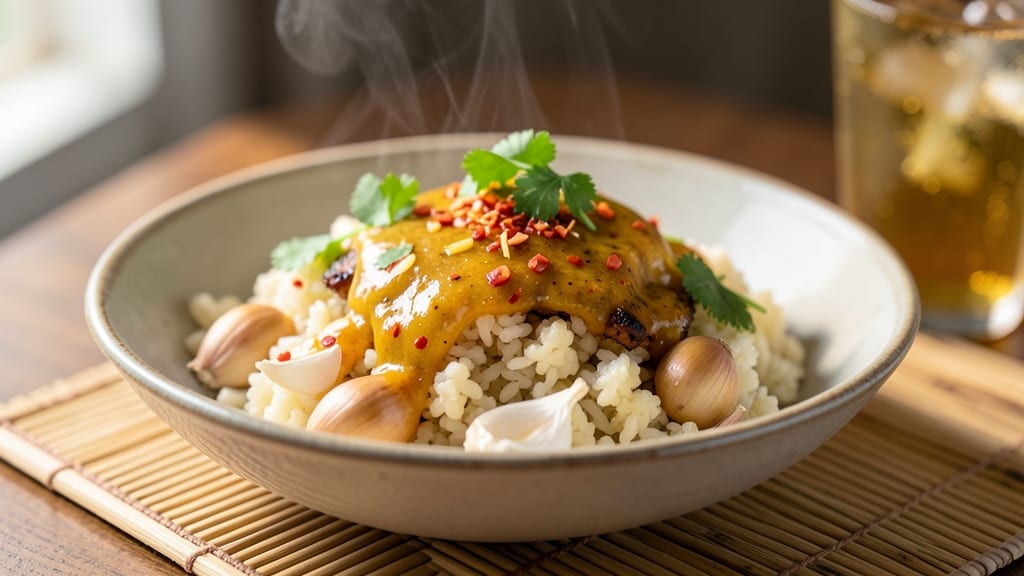
This cauliflower rice Asian recipe transforms a simple vegetable into a restaurant-worthy side with bold ginger-garlic heat and satisfying crunch. The secret lies in high-heat wok tossing, which caramelizes the edges while keeping the centers tender—just like traditional Asian stir-fries, but with half the calories. I developed this version after realizing how often cauliflower rice gets mushy; this method ensures every bite stays crisp and flavorful.
What sets this recipe apart is the aromatic base of fresh ginger, garlic, and chili flakes, balanced with soy sauce and sesame oil for depth. The technique mimics classic stir-fry methods: quick cooking over high heat preserves texture while allowing flavors to meld perfectly.
Whether you add tofu, shrimp, or mushrooms, the protein cooks in minutes without overpowering the cauliflower's natural crunch.
By the time you plate it, you'll have golden-brown cauliflower rice with vibrant edges and fragrant aromatics clinging to each piece. The dish pairs beautifully with pickled vegetables for tangy contrast or a light miso broth for dipping.
It's the kind of side that elevates any meal while keeping preparation simple—no fancy equipment required.
Perfect for weeknight dinners, meal prep, or as a low-carb alternative to rice. The recipe scales easily for crowds, and the flavors only deepen as it sits, making it ideal for making ahead. Let's get cooking!
Ingredients for cauliflower rice asian
Fourteen ingredients transform cauliflower rice into a restaurant-quality Asian stir-fry side with bold ginger-garlic heat and satisfying crunch.
| Ingredient | Amount | Notes |
|---|---|---|
| Fresh Cauliflower 🥬 | 1 lb | Riced using food processor or grater |
| Extra-Virgin Olive Oil 🫒 | 2 tbsp | High smoke point for wok tossing |
| Fresh Ginger 🌿 | 2 tbsp | Finely grated, aromatic quality |
| Garlic Cloves 🧄 | 4 cloves | Minced, fresh preferred |
| Red Chili Flakes 🌶️ | 1 tsp | Adjust for heat preference |
| Tamari or Soy Sauce 🥢 | 2 tbsp | Gluten-free tamari preferred |
| Toasted Sesame Oil 🫒 | 1 tbsp | For finishing aroma |
| Toasted Sesame Seeds 🌱 | 1 tbsp | For garnish and texture |
| Lime Juice 🍋 | 1 tbsp | Freshly squeezed |
| Vegetable Oil 🫒 | 1 tbsp | High heat tolerance |
| Sea Salt 🧂 | ½ tsp | Diamond Crystal preferred |
| Black Pepper 🌶️ | ¼ tsp | Freshly ground |
| Scallions 🧅 | 2 whole | Thinly sliced, green parts only |
| Firm Tofu 🍱 | 8 oz | Pressed and cubed |
The cauliflower is the foundation, and freshness matters most. Look for heads with tight florets and vibrant green color—Trader Joe's or Whole Foods carry excellent quality. Riced cauliflower releases moisture quickly, so pat it completely dry before cooking to prevent steaming. For the ginger, organic varieties often have more vibrant flavor, but any fresh ginger works if it's firm and aromatic. Store-bought riced cauliflower is convenient but lacks the texture and flavor of freshly processed florets. If using pre-riced, squeeze out excess moisture with a clean towel.
No fresh ginger? Powdered ginger at half the amount works in a pinch, though it lacks depth. Substitute soy sauce with coconut aminos for a gluten-free alternative, though tamari offers the most authentic flavor. For extra protein, shrimp or mushrooms cook beautifully in this dish—just add them in the last 2 minutes of cooking. The sesame oil should be toasted, not regular—look for it in the Asian foods aisle at Walmart or Kroger. If you can't find it, lightly toast regular sesame oil in a dry pan for 30 seconds before using. The tofu should be extra-firm for best texture, pressed for 15 minutes to remove excess water before cubing.
Riced cauliflower keeps 3-4 days in the fridge, but best flavor comes from cooking fresh. Store cooked portions in airtight containers with a paper towel to absorb moisture. This dish reheats beautifully—20 seconds in the microwave or 3 minutes in a dry skillet over medium heat. For meal prep, divide into portions and freeze for up to 3 months. The flavors deepen as it sits, making it perfect for making ahead. Garnish with sesame seeds and scallions right before serving to maintain freshness.
Why You'll Love This Recipe
- No-Rice Nightmare Solved: I swear, this is the only cauliflower rice that doesn’t taste like sad, mushy disappointment—thanks to the ginger and garlic sizzling in olive oil until the kitchen smells like a street food stall. That crisp-tender texture? Chef’s kiss. The red chili flakes add just enough heat to make it feel like a proper meal, not a sidekick.
- One-Pan Magic: Honestly, I’ve made this while microwaving leftovers—just toss everything in one pan, stir, and walk away. The cauliflower absorbs the aromatics in minutes, and the oil keeps it from sticking like glue. My lazy Sundays just got a serious upgrade.
- Lunchbox Hero: Between us, this is my go-to for packed lunches—it reheats beautifully, stays fresh for days, and even my picky-eating coworker asks for seconds. Add a fried egg or leftover protein, and suddenly you’ve got a meal that’s actually exciting to unpack.
- Budget-Friendly Crunch: Fresh cauliflower is cheaper than rice, lasts longer in the fridge, and stretches into multiple meals without breaking the bank. Plus, the olive oil and spices cost pennies compared to takeout. I’ve fed four people for under $10 with this—no lies.
Step-by-step instructions for wok-tossed cauliflower rice
This method delivers restaurant-quality texture and flavor with precise timing and technique.
Prepare the Cauliflower Rice and Tofu
Begin by processing the 1 lb fresh cauliflower through a food processor fitted with the grating disk, or use a box grater for uniform rice-sized pieces. Spread the cauliflower rice on a clean kitchen towel and gently pat dry to remove excess moisture. This step is crucial—wet cauliflower rice will steam rather than crisp in the wok.
Next, prepare the 8 oz firm tofu by pressing it between paper towels under a heavy weight for 15 minutes to remove excess water. Cut the pressed tofu into ½-inch cubes and set aside. The tofu should be firm enough to hold its shape during cooking but still tender enough to absorb the flavors.
Sear the Tofu for Texture
Heat 1 tablespoon vegetable oil in a wok or large skillet over medium-high heat until shimmering. Add the tofu cubes in a single layer, leaving space between each piece to prevent steaming. Cook undisturbed for 3-4 minutes until golden brown on one side, then flip carefully and cook another 3-4 minutes until evenly browned.
Remove the tofu and set aside on a wire rack. The goal is to develop a crisp exterior while keeping the interior tender. If the tofu releases easily from the pan, it's ready. If not, continue cooking until the edges are golden brown and slightly crisp. This step ensures the tofu adds texture contrast to the dish.
Build the Flavor Base
In the same wok, add 2 tablespoons extra-virgin olive oil and increase heat to high. Add the 2 tablespoons finely grated fresh ginger and 4 minced garlic cloves, stirring constantly for 30 seconds until fragrant. The oil should sizzle gently—this indicates the aromatics are releasing their flavors.
Add the 1 teaspoon red chili flakes and cook for an additional 10 seconds, stirring continuously. Immediately pour in the 2 tablespoons tamari or soy sauce and toss to combine. The sauce should coat the wok evenly, creating a glossy base for the cauliflower rice. This aromatic foundation is the heart of the dish's flavor profile.
Wok-Toss the Cauliflower Rice
Add the prepared cauliflower rice to the wok in batches if needed to avoid overcrowding. Stir-fry vigorously for 3-4 minutes until the cauliflower is bright green and slightly softened but still retains a slight crunch. The rice should release from the wok easily—this indicates it's cooked to the perfect texture.
Return the tofu to the wok and toss everything together for 1-2 minutes until heated through. The cauliflower rice should be hot and vibrant, with the tofu adding a satisfying contrast in texture. At this stage, the dish should smell intensely aromatic with notes of ginger, garlic, and umami from the tamari.
Finish with Lime and Garnish
Remove the wok from heat and stir in the 1 tablespoon toasted sesame oil and 1 tablespoon lime juice. Toss gently to distribute the flavors evenly. The lime juice brightens the dish, cutting through the richness of the tofu and cauliflower while adding a refreshing finish.
Divide the wok-tossed cauliflower rice among serving plates and garnish with 2 thinly sliced whole scallions and 1 tablespoon toasted sesame seeds. Sprinkle with the remaining 0.5 teaspoon sea salt and 0.25 teaspoon black pepper to taste. Serve immediately while the cauliflower rice is still crisp and the tofu is warm, ensuring every bite delivers the perfect balance of texture and flavor.
Pro Tips For Making Cauliflower Rice Asian
- STOP GRATING CAULIFLOWER: I learned this the hard way—when you pulse cauliflower in a food processor, it turns into a mushy paste that won’t behave like rice. Instead, cut the florets into ½-inch chunks (no smaller) and chop them by hand or use the pulse setting just until they’re rice-sized. You want texture, not glue.
- SWEAT GINGER FIRST: Fresh ginger loses its bite when cooked raw. Before adding garlic or chili, heat the olive oil in your pan until shimmering, then add the finely grated ginger and cook for 30 seconds—just until it smells aromatic. This softens the sharpness and makes the whole dish taste deeper.
- DON’T OVERCROWD THE PAN: Cauliflower rice releases water like a sad salad. Cook it in batches if needed—no more than 2 cups at a time in a 12-inch pan. Overcrowding turns it into a soggy mess, and you’ll end up with a steam bath instead of crisp edges. (Yes, even if you’re impatient like me.)
- USE A SPLASH OF WATER: After the initial sear, add 2 tablespoons of water to the pan and stir. The steam helps break down the cauliflower faster while keeping it from sticking to the bottom. It’s not a lot—just enough to make the cooking process smoother. (Your future self will thank you.)
Regional styles of this dish
Japanese Teriyaki Style
Swap the tamari for 3 tbsp teriyaki sauce (look for brands like Kikkoman or San-J) and add 1 tbsp mirin to the wok after the ginger-garlic base. Toss in ½ cup shiitake mushrooms with the cauliflower rice for umami depth.
Garnish with thinly sliced scallions and a drizzle of extra teriyaki sauce. Serve with steamed edamame for a complete Japanese-inspired meal. 🍱
Thai Green Curry Twist
Infuse the base with 1 tbsp Thai green curry paste (like Maesri) and ½ cup coconut milk instead of tamari. Add ½ cup bell peppers and ½ cup Thai basil at the end for authentic flavors.
Top with crushed peanuts and a squeeze of lime. This version transforms your cauliflower rice into a vibrant, aromatic side that pairs perfectly with grilled chicken or tofu. 🌶️
Korean Kimchi Fusion
Stir in ½ cup chopped kimchi (plus 1 tbsp kimchi juice) with the cauliflower rice during the final toss. Add 1 tsp gochugaru (Korean chili flakes) and finish with 1 tsp toasted sesame oil.
Garnish with sesame seeds and extra kimchi. The tangy, spicy kimchi adds a fermented complexity that elevates the dish. Serve with steamed short-grain rice to soak up the juices. 🥬
Vietnamese Lemongrass Adaptation
Infuse the oil with 2 stalks bruised lemongrass and 1 inch sliced galangal before adding ginger and garlic. Use 2 tbsp fish sauce (or vegan fish sauce) instead of tamari, and finish with 1 tbsp lime zest and cilantro.
The lemongrass imparts a bright, citrusy aroma that’s quintessential Vietnamese. Pair with grilled shrimp or a pho broth for a full meal. 🌿
Chinese Five-Spice Version
Add ½ tsp Chinese five-spice powder to the wok with the ginger and garlic. Use 1 tbsp hoisin sauce alongside the tamari for a sweeter, deeper flavor. Top with crispy fried shallots and candied ginger for a festive touch.
This version works beautifully as a side for duck dishes or char siu. The five-spice adds warmth and complexity that’s distinctly Chinese. 🥢
Nutrition facts
Frequently asked questions
Can I use pre-riced cauliflower instead of fresh?
Pre-riced cauliflower works but requires extra drying time. Spread it on a towel and pat aggressively to remove moisture—wet rice steams instead of crisping. For best texture, use fresh cauliflower and process it yourself, as store-bought versions often contain additives that affect flavor.
How do I make this recipe vegetarian?
Skip the tofu or substitute with mushrooms (shiitake or cremini) for umami. Use coconut aminos instead of tamari if avoiding soy, and ensure all ingredients (like fish sauce) are omitted. The base recipe is already plant-based—just adjust proteins to your preference.
Why does my cauliflower rice turn mushy?
Overcrowding the wok or cooking at low heat causes steaming instead of crisping. Use high heat and cook in batches if needed. Also, ensure the cauliflower rice is completely dry before tossing—any moisture will turn it soggy.
Can I make this ahead of time?
Yes! Cook the cauliflower rice and tofu separately, then store in airtight containers. Reheat in a dry skillet for 2-3 minutes or microwave for 30 seconds**. Add fresh sesame oil and lime juice just before serving to restore brightness.
What’s the best way to serve this dish?
Pair with pickled vegetables for tangy contrast or a light miso broth for dipping. Garnish with extra scallions and sesame seeds right before serving. It’s also perfect alongside grilled proteins or in grain bowls for a low-carb meal.