
Main Courses
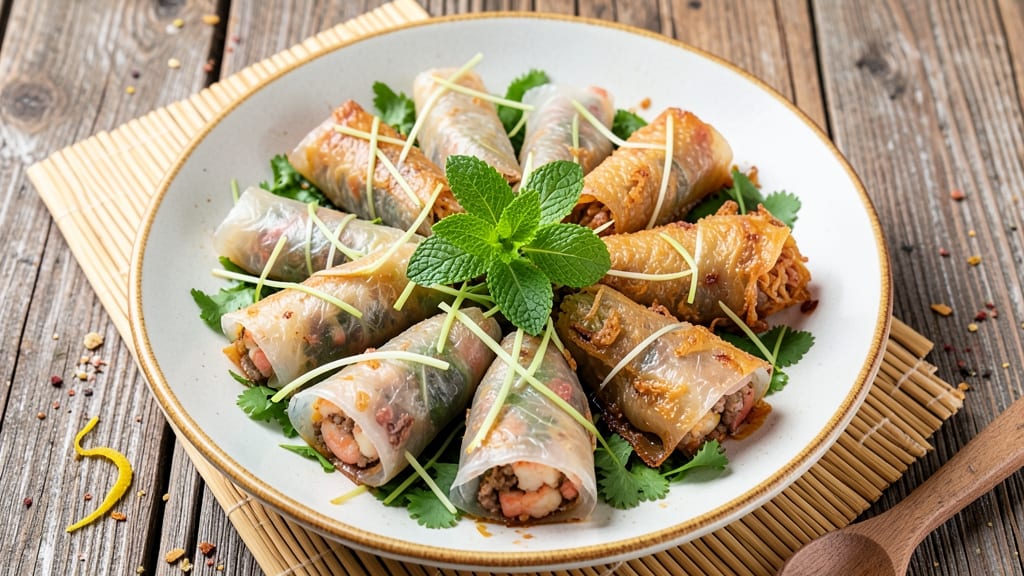
This cha gio recipe with rice paper delivers the perfect balance of crispy-fried dumplings wrapped in delicate, silky rice paper—just like your favorite Vietnamese restaurant. The secret lies in properly preparing the rice paper wrappers and assembling fillings that stay cohesive while frying.
Whether you prefer traditional shrimp and pork or a modern vegetarian twist, this method ensures golden, crunchy exteriors with tender, flavorful centers every time.
What sets this recipe apart is its adaptability—you can pan-fry for classic results or air-fry for a lighter version, all while maintaining that signature crispiness. The dipping sauce, a tangy blend of fish sauce, lime, and chili, elevates each bite into a harmonious mix of textures and flavors.
Once you master the technique, these dumplings become a crowd-pleasing centerpiece for any meal.
Ingredients for cha gio recipe rice paper
Twelve delicate wrappers and a blend of fresh, aromatic ingredients transform into crispy-fried Vietnamese dumplings.
| Ingredient | Amount | Notes |
|---|---|---|
| Rice Paper Wrappers 🍣 | 12 whole | Square, 7-inch size, stored in water |
| Shrimp 🦐 | 1 lb | Peeled, deveined, tail-on, fresh or thawed |
| Ground Pork 🐷 | 1 lb | Lean, finely ground, chilled |
| Green Onions 🧅 | 1 bunch | White and green parts, finely chopped |
| Fresh Mint Leaves 🌿 | ½ cup | Finely chopped, stems removed |
| Fish Sauce 💧 | 2 tbsp | Red Boat brand preferred |
| Soy Sauce 🍶 | 1 tbsp | Light or all-purpose |
| Lime Juice 🍋 | 1 tbsp | Freshly squeezed |
| Minced Garlic 🧄 | 3 cloves | Freshly minced, aromatic |
| Eggs 🥚 | 2 whole | Large, beaten lightly |
| All-Purpose Flour 🌾 | ½ cup | For dusting work surface |
| Vegetable Oil 🫒 | 4 cups | High smoke point, for frying |
| Salt 🧂 | ½ tsp | Fine sea salt |
| Black Pepper 🌶️ | ¼ tsp | Freshly ground |
| Sugar 🍚 | 1 tsp | White granulated |
The rice paper wrappers are non-negotiable—7-inch square sheets from Asian markets or specialty stores ensure the right texture. Brands like T&T Supermarket or Vietnamese grocery stores carry the best quality; avoid pre-cut rounds which lack structural integrity. Keep them submerged in lukewarm water for no more than 10 minutes before using—over-soaking turns them mushy. The shrimp should be fresh or previously frozen—thaw completely and pat dry to prevent filling leakage during frying. Red Boat fish sauce is the gold standard here, delivering that authentic umami punch without overpowering the delicate flavors.
Substitutions must maintain the balance of moisture and texture. No shrimp? Use finely chopped mushrooms or extra pork (up to 1.5 lbs total) for a vegetarian-friendly version, but reduce the fish sauce by half to avoid saltiness. Fresh mint unavailable? Substitute cilantro at the same quantity, though the flavor profile shifts slightly. The vegetable oil must have a high smoke point (like Avocado oil or peanut oil)—canola oil works in a pinch but lacks the rich mouthfeel. For the dipping sauce, Red Boat fish sauce is essential; no substitutes replicate its depth. Lime juice should be freshly squeezed—bottled versions lack the bright acidity needed to cut through the richness.
Prep the filling a day ahead and refrigerate—flavors meld beautifully overnight. The rice paper wrappers should be stored in a sealed container between layers of damp paper towels to prevent drying. Fry in batches of 6-8 dumplings to maintain oil temperature at 350°F—overcrowding causes steam buildup and soggy wrappers. Leftovers keep for 2 days in the fridge, though they lose crispiness. For longer storage, freeze uncooked dumplings on a tray before transferring to a bag—cook from frozen by increasing frying time by 30 seconds per side. Serve immediately after frying for that restaurant-quality crunch
Why You'll Love This Recipe
- No-Fuss Assembly: I swear by this recipe because the filling comes together in one pan—no chopping marathons, no fancy techniques. Just quick-cook shrimp, ground pork with a splash of fish sauce, and a handful of mint that brightens everything up. Honestly, the hardest part is remembering to soak the rice paper wrappers properly.
- Herb-Packed Punch: That burst of fresh mint and green onion when you take a bite? It’s like a little flavor explosion. The shrimp adds a tender, slightly sweet contrast, while the pork keeps it hearty. I’ll be real: the first time I made it, I ate half the batch straight from the bowl.
- Party or Pantry: These are my go-to for potlucks because they’re easy to double and serve warm or at room temp. But they’re also my lazy Sunday lunch when I don’t feel like cooking. Between us, the leftovers reheat beautifully—just a quick dip in hot water for the wrappers, and they’re good as new.
- Budget-Friendly Flex: Ground pork and shrimp stretch far, and rice paper wrappers cost next to nothing in bulk. I make a big batch, freeze half, and pull them out for quick meals all week. Not the prettiest, but the taste makes up for it—and my wallet thanks me.
Step-by-step instructions for crispy-fried dumplings with silky wraps
Master the art of Vietnamese cha gio with these precise techniques for perfect texture and flavor.
Prepare the Filling Mixture
In a large mixing bowl, combine the 1 lb ground pork, 1 lb shrimp, 0.5 cup finely chopped green onions, 0.5 cup finely chopped fresh mint leaves, 3 cloves minced garlic, 0.5 tsp salt, 0.25 tsp black pepper, 1 tsp sugar, 2 tbsp fish sauce, and 1 tbsp soy sauce. Using your hands, gently mix until all ingredients are evenly distributed but avoid overworking the mixture.
Here's the thing—this filling needs to stay tender. I press the mixture together lightly to form a cohesive mass, but I stop before it becomes sticky. The shrimp should be finely chopped or pulsed in a food processor to ensure even distribution. The mint and green onions add freshness that balances the richness of the pork and shrimp.
Bind and Shape the Filling
In a separate bowl, lightly beat the 2 whole eggs with a fork until just combined. Add the egg mixture to the pork-shrimp filling and mix thoroughly. Gradually incorporate the 0.5 cup all-purpose flour, mixing until the filling holds together when pressed between fingers. The texture should be firm but pliable—like wet sand that can be shaped easily.
This binding step is crucial for maintaining the filling's integrity during frying. If the mixture feels too dry, add 1-2 teaspoons of water at a time until it reaches the right consistency. Divide the filling into 12 equal portions (about 1.5 ounces each) and roll each into a log shape, about 3 inches long. Flatten each log slightly to create a rectangular shape—this makes wrapping easier later.
Assemble the Dumplings
Fill a shallow dish with warm water (about 1 inch deep). Working with one rice paper wrapper at a time, dip a 7-inch square rice paper wrapper into the water for 5-7 seconds until pliable but not soggy. I use a bowl of warm water to keep the remaining wrappers moist while I work. Lay the softened wrapper on a clean surface and place 1 flattened filling log at the bottom, about 1 inch from the edge closest to you.
Here's where precision matters: fold the bottom edge of the wrapper over the filling, then fold in the sides like you're making a small envelope. The key is to keep the filling centered—if it shifts, gently nudge it back into place. The wrapper should wrap snugly but not so tightly that it cracks when fried. Repeat until all 12 dumplings are assembled.
Fry to Golden Perfection
Heat 4 cups vegetable oil in a deep skillet or Dutch oven to 350°F (use a thermometer for accuracy). Fry 3-4 dumplings at a time, being careful not to overcrowd the pan. Fry for 3-4 minutes until the wrappers turn a golden brown and the filling is cooked through. The oil temperature should remain steady—if it drops below 325°F, the dumplings will absorb too much oil and become greasy.
Here's the critical part: drain the fried dumplings on a wire rack or paper towels to remove excess oil. The wrappers should be crispy but not brittle—if they crack, reduce the frying time slightly next batch. For extra flavor, toss the hot dumplings with 1 tbsp lime juice immediately after frying. Serve warm with a side of sweet chili sauce or hoisin for dipping.
Serve Immediately for Maximum Enjoyment
Arrange the crispy-fried dumplings on a serving platter while still hot. The contrast between the crispy, golden-brown wrappers and the silky, flavorful filling is what makes cha gio so special. For presentation, I like to fan the dumplings slightly so their crispy edges are visible. Serve with additional lime wedges on the side—squeezing a little fresh lime over the hot dumplings just before eating elevates the flavors.
These dumplings are best enjoyed fresh, so don't let them sit too long after frying. The wrappers will lose their crispiness as they cool, so plan to fry only what you can serve immediately. If you have leftovers, store them in an airtight container and reheat in a 350°F oven for 5-7 minutes to restore some crispiness.
Pro Tips For Making Cha Gio Recipe Rice Paper
- SOAK WRAPPERS JUST BEFORE WRAPPING: I learned this the hard way—soaking rice paper wrappers 10-15 seconds in warm water (not boiling) right before using keeps them pliable without turning to mush. Too early? They’ll stick together. Too late? They’ll tear when you roll. Work in batches of 3-4 wrappers at a time, and keep the rest covered with a damp towel.
- SALT THE SHRIMP FIRST: Toss shrimp with a pinch of salt and let them sit 5 minutes before cooking—this draws out moisture so they sizzle properly in the pan. I used to skip this, and my shrimp would either stick or stay rubbery. Also, pat them very dry with paper towels afterward (yes, even if you’re impatient like me).
- STIR-FRY THE PORK FAST: High heat is non-negotiable here. Cook the ground pork in one batch over medium-high heat for 2-3 minutes max—any longer and it turns greasy. If you’re using shrimp too, add them in the last 30 seconds so they stay tender. Crowd the pan and you’ll steam the pork instead of searing it.
- STACK MINT AND ONIONS STRATEGICALLY: Place the fresh mint leaves under the filling when rolling, not on top—this keeps them from falling out when frying. Thinly slice green onions and scatter half inside the wrapper, half on top for crunch. I was skeptical until I tried it: the flavor stays put, and the texture contrast is worth the effort.
Troubleshooting this recipe
Wrapper Won’t Stay Flexible
If your rice paper feels stiff or cracks when handling, it’s likely over-soaked or too dry. Soak wrappers in lukewarm water for only 5-7 seconds—any longer makes them mushy.
Keep unused wrappers submerged in a bowl of warm water (not hot) with a damp paper towel draped over them to maintain pliability. If they stiffen mid-assembly, dip them back in water for 2-3 seconds to revive. 💧
Filling Leaks During Frying
Leaky fillings usually mean the mixture isn’t cohesive enough. Ensure your filling holds together when pressed—add 1 tbsp more flour if it crumbles. Also, don’t overfill the wrappers; use 1.5 oz per dumpling max. For extra security, lightly brush the seams with egg wash before frying.
If shrimp is the issue, pulse it in a food processor until finely minced to prevent gaps. 🦐
Oil Temperature Issues
Oil that’s too cool (<325°F) makes wrappers greasy, while oil that’s too hot (>375°F) burns them. Use a kitchen thermometer—350°F is ideal. If your oil temp drops when adding dumplings, reduce the batch size to 3-4 at a time.
For deep-frying, use a heavy-bottomed pot (like a Lodge Dutch oven) to prevent temperature fluctuations. 🌡️
Dumplings Turning Soggy
Soggy wrappers happen from steam buildup or overcrowding. Fry in small batches and drain on a wire rack (not paper towels)—this keeps them crispy longer.
If reheating leftovers, air-fry at 375°F for 3 minutes instead of microwaving. For extra crunch, toss fried dumplings with 1 tsp cornstarch before serving. ⚡
Rice Paper Tears When Wrapping
Tears usually mean the wrapper is too dry or the filling is uneven. Work quickly—keep a bowl of warm water nearby to soften wrappers as needed. If the filling is lumpy, press it into a smooth rectangle before wrapping.
For extra strength, fold the wrapper tightly but gently—think "envelope" not "burrito." 📦
Filling Not Cooked Through
Undercooked fillings happen when oil temp drops or dumplings are fried too briefly. Use a meat thermometer—the center should reach 165°F. For shrimp-heavy fillings, fry 10-15 seconds longer per side. If using ground pork, ensure it’s finely minced (not chunky) to cook evenly. 🔥
Nutrition facts
Frequently asked questions
Can I make cha gio without shrimp?
For a vegetarian version, replace shrimp with 1 lb finely chopped mushrooms or 1 lb extra ground pork. Reduce fish sauce to 1 tbsp to prevent saltiness. The texture stays similar as long as you pulse mushrooms in a food processor to mimic shrimp's fineness.
How do I store leftover rice paper wrappers?
Keep unused wrappers in a sealed container between layers of damp paper towels. They'll stay pliable for 3-4 days at room temperature. For longer storage, wrap them in plastic wrap and refrigerate. Never freeze dry wrappers—they'll become brittle.
Can I bake or air-fry cha gio instead of frying?
Yes! For baking, brush assembled dumplings with 1 tbsp oil and bake at 400°F for 12-15 minutes until golden. Air-frying works best: 375°F for 4-5 minutes, flipping halfway. Results won't be as crispy as fried, but they're lighter.
What's the best way to reheat fried cha gio?
Reheat in a 350°F oven for 5-7 minutes on a wire rack to restore crispiness. Avoid microwaving—it turns wrappers soggy. For quick fixes, air-fry at 375°F for 3 minutes or toss with 1 tsp cornstarch before reheating.
How do I make the dipping sauce less fishy?
Reduce fish sauce to 1 tbsp and add 1 tsp sugar plus 1 tsp lime juice to balance flavors. For a milder sauce, use soy sauce instead of half the fish sauce. The key is fresh lime—it cuts through any lingering fishiness.