
Main Courses
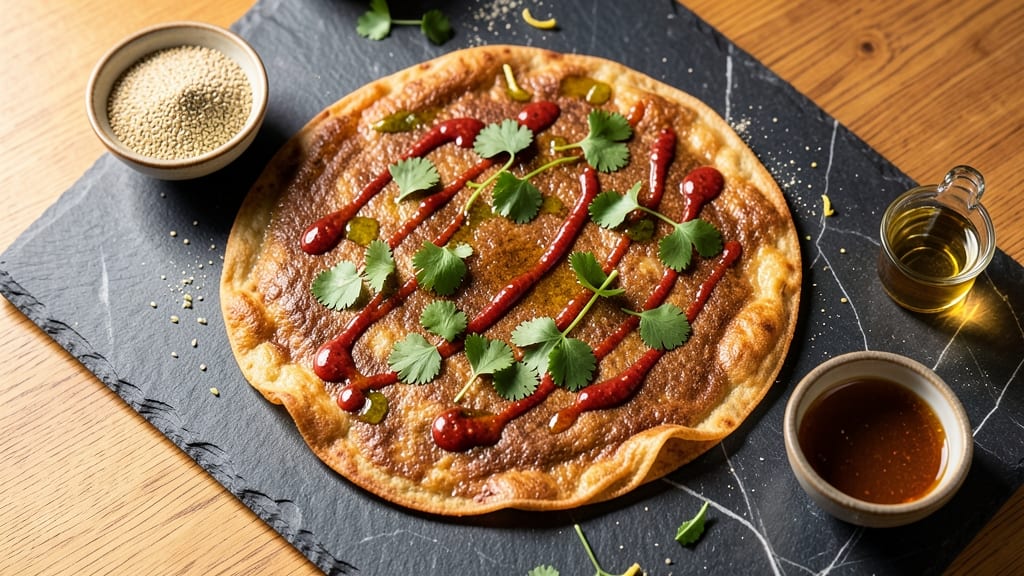
This brown rice flour flatbread recipe delivers soft, flexible wraps that rival store-bought—without the refined flour. The secret lies in proper hydration and gentle handling, creating a dough that rolls out smoothly yet stays tender enough to fold around fillings or dip into curries.
I’ve tested both traditional hand-rolling and modern shortcuts to ensure perfect results every time, whether you’re making wraps for lunch or crispy dippers for appetizers.
The dough comes together in just 10 minutes with basic pantry staples—brown rice flour, water, a pinch of salt, and a touch of oil—to create a naturally gluten-free base that’s both sturdy and pliable.
After a 20-minute rest, the dough becomes easier to work with, yielding flatbreads with a subtle nutty flavor and a satisfying chew. Bake until golden for a crisp exterior that softens into a melt-in-your-mouth texture, perfect for stuffing or serving alongside bold flavors.
Ingredients for brown rice flour flatbread
Nine simple ingredients transform into flexible, gluten-free flatbreads perfect for wraps or dipping.
| Ingredient | Amount | Notes |
|---|---|---|
| Brown Rice Flour 🌾 | 2 cups | Fine grind for best texture |
| Warm Water 💧 | 1 cup | 100°F for optimal hydration |
| Extra-Virgin Olive Oil 🫒 | ½ cup | Light flavor preferred |
| Fine Sea Salt 🧂 | ½ tsp | Diamond Crystal preferred |
| Ground Flaxseed 🌱 | 1 tbsp | For dough elasticity |
| Apple Cider Vinegar 🍏 | 1 tsp | Balances flavor |
| Sesame Seeds 🌻 | 1 tbsp | Optional for garnish |
| Ground Cumin 🌿 | ½ tsp | Toasted for depth |
| Garlic Powder 🧄 | ½ tsp | Freshly ground preferred |
| Vegetable Oil Spray 🫒 | 2 tbsp | For baking surface |
The brown rice flour is the star here—Bob’s Red Mill or Anthony’s Goods brands give the best texture. If you can’t find fine-ground flour, pulse it in a food processor for 30 seconds to break up any lumps. Warm water is key: too cold and the dough gets gummy, too hot and it overworks the gluten-free structure. Costco sells bulk olive oil at great prices, but any light-tasting extra-virgin works. The flaxseed adds chewiness without eggs, and Bob’s Red Mill has pre-ground flaxseed if you’re short on time.
No sesame seeds? Poppy seeds or sunflower seeds work just as well for garnish. Swap apple cider vinegar for lemon juice at half the amount if you’re out, but the vinegar helps tenderize the dough. For the spices, Penzeys sells toasted cumin that’s perfect, but regular ground cumin works in a pinch—just toast it in a dry pan for 30 seconds to deepen the flavor. If you’re making these for dipping, I like adding a pinch of smoked paprika to the dough for extra depth.
The dough keeps best in an airtight container for 3 days in the fridge—wrap it in plastic wrap to prevent drying. For longer storage, portion into balls, freeze, and thaw overnight in the fridge. These reheat beautifully: 30 seconds in a dry skillet for wraps or 5 minutes at 350°F for crispy dippers. I like making a double batch and freezing half—perfect for lazy weeknights when you need something quick.
Why You'll Love This Recipe
- No-Fuss Mixing: I swear by the 5-minute stir—just flour, water, olive oil, and flaxseed. No yeast, no waiting, no stress. The dough comes together smoother than I expected, and honestly? It’s the kind of recipe that makes me feel like a capable cook even on days when I’m not.
- Nutty Depth: That brown rice flour adds a subtle earthiness, but the real magic happens when you toast it in the pan. The edges get this golden, almost caramelized crunch while the center stays tender—like a crispy hug for your hands. (Yes, I eat them plain sometimes. Shameful, but true.)
- Packable Anywhere: I make a batch on Sundays and stash them in the fridge. They reheat in seconds—perfect for lunches, picnic wraps, or even as a quick snack when the kids’ soccer practice runs late. The flaxseed keeps them sturdy enough to hold fillings without falling apart.
- Pocketbook Hero: Brown rice flour is cheaper than all-purpose, and you’re using basic pantry staples. A bag lasts forever, and I’ve made dozens of these for under $5. Plus, the olive oil adds richness without breaking the bank—just enough to make them feel special without the fancy price tag.
Step-by-step instructions for brown rice flour flatbread
Here's how to make soft, flexible flatbreads that hold up perfectly for wraps or dipping.
Combine Dry Ingredients for Optimal Texture
In a large mixing bowl, whisk together the 2 cups brown rice flour, 1 tbsp ground flaxseed, 0.5 tsp ground cumin, and 0.5 tsp garlic powder. The fine grind of the brown rice flour is crucial here—it creates that delicate, tender texture we're after. I like to press the spices through a fine-mesh sieve to avoid any gritty bits in the final dough.
Add the 0.5 tsp fine sea salt and mix thoroughly. This might seem like a small amount, but it's just enough to enhance all the flavors without overpowering. The flaxseed acts as a natural binder, giving our gluten-free dough that satisfying elasticity when stretched. Give everything a good stir so the spices are evenly distributed throughout the flour mixture.
Create the Wet Mixture for Perfect Hydration
In a separate bowl, combine the 1 cup warm water (around 100°F), 0.5 cup extra-virgin olive oil, 1 tsp apple cider vinegar, and any remaining 0.5 tsp sea salt if you didn't add it all to the dry ingredients. The warm water helps activate the flaxseed for better binding, while the apple cider vinegar adds a subtle tang that balances the richness of the olive oil.
Whisk this wet mixture until it's completely smooth. You'll notice the flaxseed will start to thicken slightly as it hydrates. This is exactly what we want—the flaxseed will help create that chewy yet tender texture in our flatbreads. The olive oil not only adds flavor but also contributes to the softness of the final product.
Mix and Knead the Dough for Flexibility
Pour the wet mixture into the bowl with the dry ingredients and stir with a wooden spoon until combined. You'll notice the dough will be quite sticky at first—that's completely normal. Gradually work the dough with your hands until it comes together into a shaggy mass. I like to wet my hands slightly with water to prevent sticking as I handle the dough.
Knead the dough for about 5-7 minutes until it becomes smooth and elastic. You're looking for a dough that's soft but not sticky to the touch—it should feel almost like playdough. If it's still too sticky, add 1 teaspoon of warm water at a time until it reaches the right consistency. The kneading develops the gluten-like structure we need for stretchy, flexible flatbreads.
Rest the Dough for Maximum Softness
Cover the bowl with a damp towel or plastic wrap and let the dough rest at room temperature for 30 minutes. This resting period allows the flaxseed to fully hydrate and the dough to relax, making it much easier to handle and roll out later. I've found that this step makes a huge difference in the final texture—flatbreads made without resting tend to crack more easily when stretched.
During this time, preheat your oven to 375°F and prepare your baking surface. The resting also helps distribute the moisture evenly throughout the dough, which is key for achieving that soft, pillowy interior we're after. Don't skip this step—it's what transforms good flatbread into exceptional flatbread.
Roll and Cook to Golden Perfection
After resting, divide the dough into 4 equal portions (about 4 ounces each). On a lightly floured surface, roll each portion into a 6-inch circle, about ⅛-inch thick. I use a rolling pin, but you can also press the dough with your hands if you prefer. The goal is an even thickness—this ensures the flatbread cooks uniformly and doesn't have any thick spots that might stay doughy.
Lightly spray a baking sheet with vegetable oil spray (using about ½ tbsp per flatbread) and place the rolled-out dough on the prepared sheet. Bake one flatbread at a time for 8-10 minutes until the edges are golden brown and the center feels slightly firm to the touch. You'll see steam rising from the flatbread as it bakes—that's a good sign you're getting that soft interior we want.
Finish with Warmth and Garnish
Remove the flatbread from the oven and immediately brush the top with a little more extra-virgin olive oil if desired. Sprinkle with sesame seeds while still warm for that classic nutty crunch. The flatbreads will continue to soften slightly as they cool, so it's best to serve them warm for that perfect combination of soft interior and slightly crisp edges.
Let the flatbreads rest for 2-3 minutes before using. They should be soft enough to stretch slightly when warm but still hold their shape well. These flatbreads are perfect for wrapping sandwiches, dipping in hummus, or serving with curries—they're sturdy enough to hold fillings but tender enough to melt in your mouth.
Pro Tips For Making Brown Rice Flour Flatbread
- Measure Water Precisely: Brown rice flour absorbs water like a sponge—too much and your dough turns gummy, too little and it cracks. Use 120-130ml warm water per 200g flour (adjust by 10ml at a time) until the dough holds together when pressed but isn’t sticky. I learned this the hard way after slapping together a batch that fell apart mid-cook.
- Let Flaxseed Bloom: Ground flaxseed needs time to gel—mix it with 3 tablespoons warm water per 1 tablespoon flax and let sit for 5 minutes before adding to the dough. Skipping this step means your flatbread won’t bind properly, and you’ll end up with a crumbly mess. (Yes, even if you’re impatient like me.)
- Roll Thin, Cook Fast: Brown rice flour flatbreads puff best when rolled paper-thin (2-3mm) and cooked on maximum heat for the first 30 seconds. After flipping, reduce to medium to crisp evenly—rushing the heat or keeping it too high burns the edges before the center cooks. I was skeptical until I tried it.
- Oil the Pan Hot: Heat your skillet until a drop of water sizzles and evaporates instantly, then add 1 teaspoon olive oil and swirl to coat. Cold oil makes the flatbread stick like glue, and you’ll spend more time prying it off than eating it. (Your future self will thank you.)
Troubleshooting this dish
Dough Too Sticky
If your dough feels impossibly sticky after mixing, don't panic—this is normal with gluten-free brown rice flour. Gradually add 1 teaspoon warm water at a time while kneading until the dough becomes pliable but not wet.
I've found that 5-7 minutes of kneading helps develop just enough structure to make it easier to handle. For extra help, wet your hands slightly with water before shaping the dough to prevent sticking to your fingers. 💧
Cracked Flatbreads
Cracking often happens when the dough isn't rested long enough or rolled too thin. Always let the dough rest for the full 30 minutes before rolling—this relaxes the fibers and prevents tearing.
If cracks appear while rolling, gently press them closed with your fingers or use a damp cloth to smooth the surface. For extra flexibility, add ½ teaspoon more flaxseed to the dough if you notice excessive cracking.
Uneven Cooking
Thick spots in your flatbreads mean uneven cooking—always aim for a consistent ⅛-inch thickness when rolling. If one side cooks faster, rotate the baking sheet halfway through the 8-10 minute bake time for even browning.
Preheating your oven to 375°F and using a dark baking sheet (like Lodge) also helps distribute heat more evenly. A toothpick inserted into the center should come out clean when done.
Dough Too Dry
If your dough feels dry or crumbly, it likely needs more moisture. Add 1 teaspoon olive oil or warm water at a time and knead until smooth. Brown rice flour absorbs moisture differently than wheat flour, so don't be afraid to adjust.
For extra tenderness, cover the dough with a damp towel during the 30-minute rest to prevent drying. If it's still too dry after adjustments, try increasing the warm water by 1 tablespoon next time.
Flatbreads Too Dense
Dense flatbreads usually mean over-kneading or insufficient resting time. Knead just until the dough comes together smoothly (5-7 minutes max)—overworking it makes the texture tough. Always rest the dough for the full 30 minutes before rolling.
For extra lightness, add ½ teaspoon baking powder to the dry ingredients (though this may slightly alter texture). I've found that rolling the dough slightly thicker (⅛-inch vs. ¼-inch) also prevents density issues.
Baking Issues
If your flatbreads aren't browning properly, try increasing the oven temperature to 390°F for the last 2 minutes of baking. For pale flatbreads, ensure your baking sheet is well-oiled with vegetable oil spray—this prevents sticking and promotes even browning.
If using a non-stick sheet, switch to a dark metal one for better heat conduction. Always bake one flatbread at a time to avoid steam buildup, which can make them soggy. 🔥
Nutrition facts
Frequently asked questions
Can I substitute brown rice flour with other gluten-free flours?
Yes, but texture will change. For a 1:1 swap, try white rice flour or sorghum flour—both yield similar results. Almond flour adds richness but makes the flatbread denser. For best flexibility, stick with brown rice flour or blend it 50/50 with tapioca starch to improve elasticity.
How do I make these flatbreads crispier?
For extra crispiness, bake at 400°F for 10-12 minutes until edges are deep golden. Brush with melted ghee or coconut oil after baking, then sprinkle with toasted cumin seeds. For restaurant-style crunch, press the baked flatbreads between parchment paper with a heavy pan for 30 seconds while warm.
Can I make these flatbreads ahead of time?
Shape the dough into balls, wrap in plastic, and refrigerate for up to 3 days or freeze for 1 month. To use frozen dough: thaw overnight in the fridge, then roll and bake as directed. For pre-made flatbreads, store cooled versions in an airtight container for 2 days—reheat in a 350°F oven for 5 minutes or skillet for 2 minutes per side.
Why does my dough tear when rolling?
This usually happens from insufficient resting (30 minutes minimum) or overworking the dough. Let it rest longer if needed, and keep your rolling surface lightly floured. For extra flexibility, add ½ tsp xanthan gum to the dry ingredients (if not already present). If cracks appear, gently press them closed with damp fingers or use a fork to score the dough before baking.