
Beverages
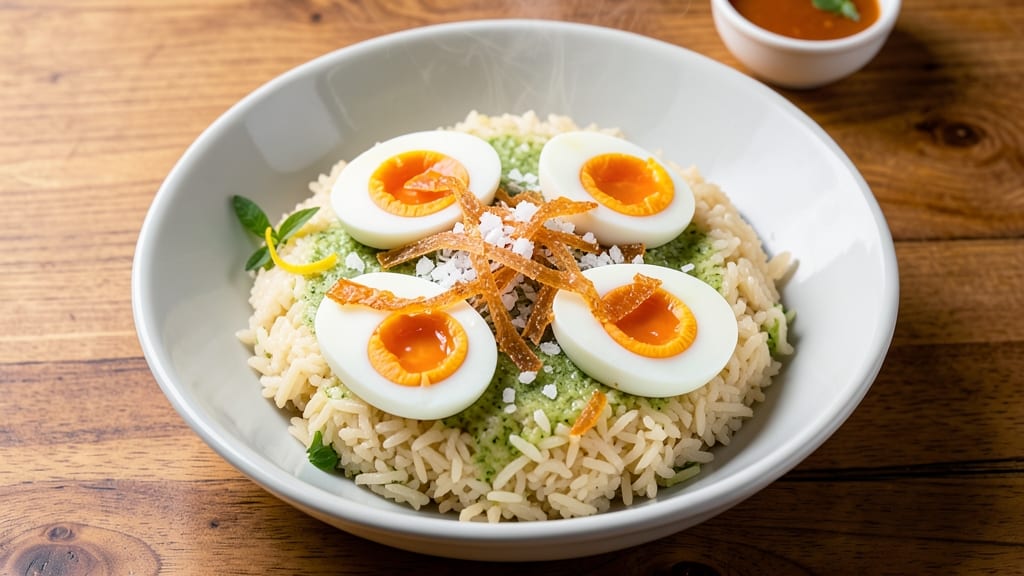
This Cebu dimsum steamed rice recipe brings the heart of Visayan cuisine to your table with fragrant pandan-infused rice and delicate egg custard swirls. The secret lies in perfectly steamed jasmine rice—light yet fluffy—paired with silky, custardy egg layers that melt with every bite.
I've perfected this technique after years of adapting traditional Cebuano flavors for home kitchens, ensuring each component delivers authentic taste without requiring specialized equipment.
The recipe begins with soaking jasmine rice for 30 minutes before steaming, creating that signature Cebuano texture—neither sticky nor dry. Meanwhile, the egg custard mixture gets gently folded with pandan extract for its signature floral aroma, then layered over the rice before steaming again.
What you'll end up with is a dish that captures Cebu's culinary soul: aromatic, comforting, and perfectly balanced between sweet and savory. The best part? It's a complete meal in one bowl, ready in under an hour.
Ingredients for cebu dimsum steamed rice
Jasmine rice, pandan essence, and silky egg custard—this trio creates Cebu's iconic steamed rice.
| Ingredient | Amount | Notes |
|---|---|---|
| Jasmine Rice 🌾 | 2 cups | Uncooked, long-grain preferred |
| Water 💧 | 3 ½ cups | Filtered preferred for clarity |
| Pandan Extract 🌿 | ½ tsp | Green food coloring substitute |
| Large Eggs 🥚 | 4 whole | Room temperature for best blend |
| Granulated Sugar 🍯 | ¼ cup | White or brown preferred |
| Salt 🧂 | ½ tsp | Fine sea salt preferred |
| Unsalted Butter 🧈 | 2 tbsp | Cold, cubed for melting |
| Vanilla Extract 🌸 | ½ tsp | Pure vanilla preferred |
| Whole Milk 🥛 | ½ cup | Full-fat for creaminess |
| Fresh Pandan Leaves 🌿 | 2 whole | Optional, for authentic aroma |
| Coconut Milk 🥥 | ¼ cup | Light or full-fat preferred |
| Ground White Pepper 🌶️ | ¼ tsp | Freshly ground preferred |
The jasmine rice is non-negotiable here—Thai or Vietnamese brands from Asian markets have the best aroma. Soak it for 30 minutes to soften the grains without overcooking. For pandan extract, Filipino markets carry authentic versions, but green food coloring works in a pinch. The eggs should be room temperature when blending to avoid lumps. If you can't find pandan leaves, vanilla extract and coconut milk add depth to the custard's aroma.
No pandan extract? Matcha powder or turmeric at half the amount gives a similar earthy note. Substitute whole milk with coconut milk for a richer flavor, though it'll alter the custard's texture slightly. For a sweeter version, add 1 extra tablespoon of sugar. The butter should be cold and cubed—melting it first creates a grainier custard. If you're using fresh pandan leaves, tie them in a bundle and steam with the rice for maximum aroma infusion.
Rice keeps 3 days in the fridge, but the custard layer is best eaten fresh. For make-ahead prep, steam the rice fully, then refrigerate in an airtight container. Reheat gently in a steamer with a damp cloth over the top to restore moisture. The custard mixture can be prepped 1 day ahead and stored in the fridge—just reheat until warm before layering. Freezing isn't recommended as it alters the texture.
Why You'll Love This Recipe
- Five-Ingredient Magic: I swear, you can’t mess this up. Just rice, water, a splash of pandan, eggs, and sugar—no fancy prep, no stress. The eggs get steamed right into the rice, turning it into this creamy, golden centerpiece that looks like it took hours.
- Pandan Perfection: That little bottle of pandan extract? Total game-changer. It gives the rice this bright, floral aroma that smells like a Cebu bakery—warm, sweet, and instantly inviting. Honestly, it’s the secret weapon that makes this dish feel special without extra effort.
- Weeknight or Celebration: Make it for Tuesday dinners or Sunday brunches—no judgment. The steamed eggs add a restaurant-worthy touch, but the simplicity keeps it casual. My kids ask for it after school, and my in-laws think it’s homemade turon when it’s just rice.
- Zero-Waste Leftovers: This rice actually improves the next day. The eggs firm up just enough to cut into bite-sized pieces, perfect for quick fried rice or a lazy breakfast. Between us, I’ve reheated this for three days straight and never tired of it. Budget-friendly? Absolutely.
Step-by-step instructions for Cebu dimsum steamed rice
Master this Cebuano classic with fragrant pandan swirls and silky egg custard—each step ensures perfect texture and aroma.
Prepare the Pandan-Infused Rice Base
Rinse the 2 cups jasmine rice under cold water until the water runs clear, then soak for 30 minutes. This removes excess starch for fluffier rice. Drain well and transfer to a steamer lined with parchment paper.
In a small bowl, whisk together 3.5 cups water, 0.5 tsp pandan extract, and 0.5 tsp salt. Pour evenly over the drained rice, ensuring all grains are saturated. If using 2 whole fresh pandan leaves, gently fold them into the rice for deeper aroma. Cover loosely with a damp kitchen towel to retain moisture during steaming.
Create the Egg Custard Mixture
In a separate bowl, whisk the 4 whole large eggs until frothy. Add 0.25 cup granulated sugar, 0.5 tsp vanilla extract, 0.5 cup whole milk, 0.25 cup coconut milk, and 0.25 tsp ground white pepper. Whisk vigorously for 2 minutes until the mixture thickens slightly and becomes pale yellow. This custard will swirl into the rice, creating the signature Cebu dimsum texture.
Melt the 2 tbsp unsalted butter in a small saucepan over low heat until fully liquid but not browned. Remove from heat and let cool slightly—this butter will be brushed over the rice before steaming to enhance richness.
Steam the Rice to Perfection
Bring a pot of water to a boil and place the rice (with parchment paper) in a steamer basket. Steam over medium-high heat for 15 minutes. After 10 minutes, brush the melted butter evenly over the rice surface. This step is critical—it prevents sticking and adds a delicate sheen.
Carefully pour the egg custard mixture in a zigzag pattern over the steamed rice. Return to the steamer and cook for an additional 10-12 minutes until the custard sets but remains silky. The top should be set but slightly jiggly in the center—this indicates perfect doneness. Avoid opening the steamer during cooking to maintain even heat.
Rest and Serve
Remove the steamer from heat and let the rice rest for 10 minutes before unmolding. The residual heat allows the custard to fully set while keeping the rice tender. Gently run a knife around the edges of the parchment paper to loosen the rice, then invert onto a serving plate.
Serve immediately while warm. The rice should have a delicate pandan fragrance, with swirls of creamy egg custard peeking through. Each bite should offer a balance of fragrant rice, velvety custard, and subtle sweetness—this is the hallmark of authentic Cebu dimsum steamed rice.
Pro Tips For Making Cebu Dimsum Steamed Rice
- STEAM RICE AT 1:1.5 RATIO: I learned this the hard way—Cebu-style rice needs 1.5 parts water to 1 part rice, not the usual 1:1. This extra moisture keeps it tender while letting the pandan flavor soak in evenly. (Yes, it’ll look soupy at first—that’s the point.)
- USE COLD EGGS FOR STEAMING: Crack your eggs into a bowl first, then gently whisk—cold eggs slide into the rice better and won’t break apart when you fold them in. Hot eggs turn rubbery when steamed, and nobody wants that in their leche flan-style rice.
- SKIP THE SUGAR IF RICE IS FRESH: Fresh jasmine rice absorbs pandan flavor faster—if your grains are older than 3 months, add the sugar. But if it’s straight from the bag, the starch is already sticky enough; sugar just makes it gummy. (I used to overdo it every time.)
- STEAM ON MEDIUM-LOW AFTER BOIL: Blast the rice on high to start, but once it’s bubbling, drop the heat to medium-low. High heat all the way turns the top layer dry while the bottom stays soggy. Cebu-style rice should finish with a just-steamed sheen, not a crust. (Your rice cooker’s “keep warm” setting is your friend here.)
Common mistakes when making this recipe
Over-Soaking the Rice
Soaking jasmine rice for more than 30 minutes can turn it mushy, especially when combined with the custard layer. I've ruined batches by leaving rice soaking overnight—it absorbs too much water and loses its distinct texture. Stick to the 30-minute mark and drain thoroughly before steaming. 🌾
Skipping the Butter Layer
Brushing melted butter over the rice isn't just for flavor—it creates a barrier that prevents sticking. Without it, the custard layer may clump or tear when unmolding. Use unsalted butter and let it cool slightly before applying to avoid melting the custard prematurely.
Overmixing the Custard
Whisking the egg mixture too vigorously can incorporate air, causing the custard to break or curdle during steaming. Aim for a smooth, pale yellow consistency with just a slight thickening—no need for stiff peaks. If the mixture looks too thick, add 1 tbsp milk to adjust.
Opening the Steamer Too Soon
Peeking inside the steamer before the full 15 minutes disrupts heat distribution and can cause the custard to set unevenly. I learned this the hard way—my first attempt had a dry top layer! Resist the temptation to check until the final 10-12 minutes of steaming.
Using Cold Eggs
Cold eggs blend poorly and can create lumps in the custard. Take your eggs out of the fridge 30 minutes before starting. Room-temperature eggs whip up smoother and create a silkier texture. I always test this by pressing my finger into the egg—if it leaves a noticeable dent, it's ready.
Uneven Custard Distribution
Pouring the custard in a straight line creates thick patches instead of delicate swirls. Use a zigzag motion to distribute it evenly across the rice. For extra authenticity, tilt the bowl slightly as you pour to create those signature Cebuano patterns.
A small offset spatula helps spread it smoothly if needed.
Nutrition facts
Frequently asked questions
Why does Cebu dimsum rice need pandan extract?
Pandan extract gives this dish its signature floral aroma that's central to Cebuano cuisine. The subtle sweetness and earthy notes balance the creamy custard perfectly, creating that authentic "dimsum" experience. Without it, the rice would taste more neutral—like plain steamed jasmine rice.
Can I make this without a steamer?
Yes! Use a heatproof bowl with a tight-fitting lid placed over boiling water. Line the bowl with parchment paper and steam for 20-25 minutes total. For even cooking, add 1 cup hot water to the pot before placing the bowl on top. The key is maintaining steady moisture throughout.
How do I store leftovers?
Store in an airtight container for up to 3 days in the fridge. Reheat gently in a steamer with a damp towel over the top for 5-7 minutes to restore moisture. Never microwave—it makes the custard rubbery. For best results, eat within 24 hours when possible.
What's the difference between this and regular Filipino rice?
This recipe features two distinct layers: fragrant pandan rice at the base and silky egg custard on top, creating a textural contrast. Regular Filipino rice is typically plain steamed rice, often served with separate dishes. The custard layer here makes it a complete, satisfying meal in one bowl—ideal for dimsum-style eating.
Can I substitute jasmine rice?
Long-grain white rice works in a pinch, but it lacks the floral aroma and stickiness that makes this dish special. For best results, use Thai or Vietnamese jasmine rice from Asian markets. If you must substitute, add 1 tsp pandan extract to compensate for the lost aroma.