
Side Dishes
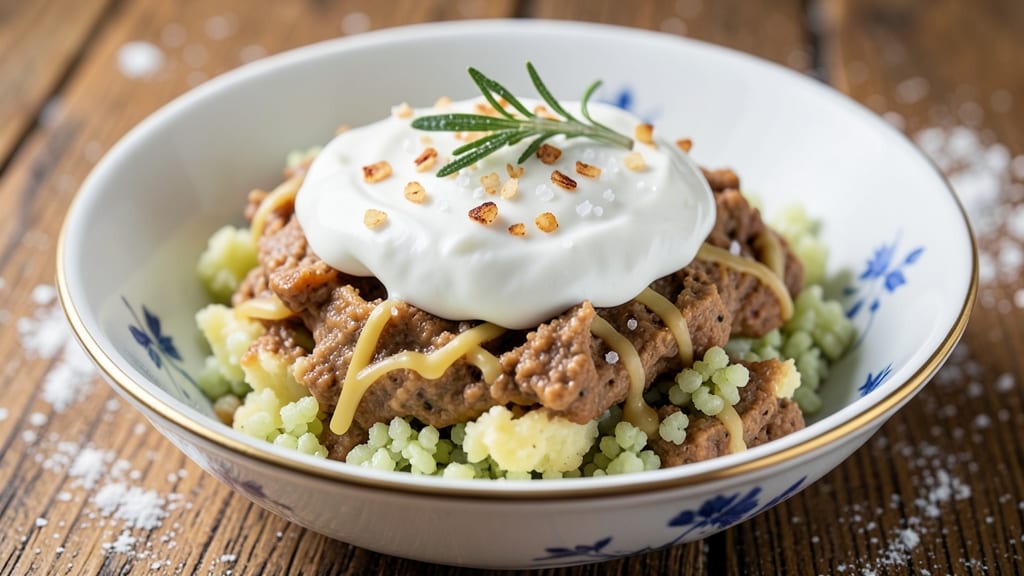
This cauliflower rice and mashed potatoes recipe delivers all the creamy comfort of classic mashed potatoes while cutting calories by nearly half. The secret lies in perfectly steaming cauliflower until tender-crisp, then blending it with rich butter and garlic for that signature velvety texture—without the heavy potato load.
I developed this after years of experimenting with lighter sides that still satisfy cravings, and it's now my go-to for holiday meals where everyone asks for seconds.
The magic happens in two simple steps: first, transforming cauliflower into fluffy "rice" that mimics the body of traditional mashed potatoes, then combining it with classic Yukon Gold potatoes for depth of flavor and creaminess.
Using both creates a dish that's rich enough to stand alone but light enough for health-conscious eaters. The result is a side that's equally at home on Thanksgiving tables or weeknight dinners—creamy, flavorful, and guilt-free.
Ingredients for cauliflower rice mashed potatoes
Here's what transforms cauliflower into creamy mashed potatoes—rich, velvety, and guilt-free.
| Ingredient | Amount | Notes |
|---|---|---|
| Fresh Cauliflower 🥬 | 1 ½ lb | Cut into florets, core removed |
| Yukon Gold Potatoes 🥔 | 1 ½ lb | Peeled, cut into even chunks |
| Unsalted Butter 🧈 | ¾ cup | Cold, cut into tablespoon pieces |
| Heavy Cream 🥛 | ½ cup | Full-fat for best texture |
| Garlic Cloves 🧄 | 4 cloves | Minced, fresh preferred |
| Diamond Crystal Kosher Salt 🧂 | 1 ½ tsp | Adjust to taste |
| Freshly Ground Black Pepper 🌶️ | ½ tsp | Cracked peppercorns preferred |
| Extra-Virgin Olive Oil 🫒 | 1 tbsp | For steaming cauliflower |
| Fresh Chives 🌿 | 2 tbsp | Chopped, for garnish |
| Fresh Parsley 🌿 | 2 tbsp | Chopped, for garnish |
| Whole Milk 🥛 | ¼ cup | Optional for creamier texture |
| Vegetable Broth 💧 | ½ cup | Low-sodium preferred |
The cauliflower is the star here, so grab the freshest head you can find—Trader Joe's or Whole Foods usually have the best quality. Look for florets that are bright white with no yellowing. Yukon Gold potatoes are a must for that buttery flavor and creamy texture—red potatoes won't work as well. If you're prepping ahead, store the peeled potatoes in cold water in the fridge for up to 2 days to keep them from browning. The garlic? Fresh makes all the difference—jarred just won't cut it for that aromatic punch.
No heavy cream? Full-fat coconut milk works in a pinch, though it has a slightly different taste. Short on Yukon Golds? Russet potatoes will do, but they need more butter to compensate for their starchier texture. The vegetable broth adds depth without extra calories—low-sodium is key so you don't over-salt the whole dish. For extra richness, I sometimes add a splash of whole milk, but it's totally optional. The butter? Cold and cubed melts more evenly than softened butter—trust me on this one.
This keeps beautifully for 4-5 days in the fridge, though it's best within the first two days for peak creaminess. Portion into airtight containers with a layer of plastic wrap pressed right on the surface to prevent that dreaded gray film. For leftovers, reheat gently with a splash of milk or broth—microwaving can make it gummy. Freezes for up to 3 months if you want to prep ahead for holidays. Garnish with fresh chives and parsley right before serving—it adds that restaurant-quality finish.
Why You'll Love This Recipe
- No Food Processor Needed: I swear by this—just a sharp knife and a few minutes of chopping. The cauliflower breaks down into rice-like bits with zero fuss, and the Yukon Golds mash smooth with minimal elbow grease. (Yes, even when I’m distracted by the dog begging for scraps.)
- Rich Without the Guilt: That heavy cream and butter combo makes this taste like a restaurant dish, but the cauliflower keeps it lighter. Honestly, the garlic roasted into the butter? It’s the secret weapon—deep, savory, and just enough to make you forget this is “healthy.”
- Leftovers That Don’t Suck: Unlike regular mashed potatoes, this holds up for days. Reheat with a splash of cream and a pat of butter, and it’s just as creamy. I’ve sent this to work lunches, and no one’s ever complained—because it’s actually good cold, too.
- Budget Stretch for Crowds: Half the potatoes, half the cost—but full flavor. The cauliflower stretches the dish further, so you feed more people without breaking the bank. (My in-laws think it’s fancy; they’ll never know it’s my wallet’s best friend.)
Step-by-step instructions for creamy cauliflower-potato mash
Here's how to blend two textures into one velvety masterpiece that's rich, satisfying, and secretly healthy.
Steam the Cauliflower Until Tender
Cut the 1.5 lb fresh cauliflower into florets, removing any tough core pieces. In a medium pot with a steamer basket, bring 2 inches of water to a boil over medium-high heat. Add the cauliflower and steam for 8-10 minutes until the florets are fork-tender with just a slight bite remaining—this prevents mushiness. The steam should create a light mist around the pot, indicating proper heat.
While steaming, prepare a large bowl for mixing. I like to add 1 tablespoon extra-virgin olive oil to the bowl now—it helps prevent the cauliflower from sticking later. Drain the steamed cauliflower thoroughly in a colander, pressing gently with a clean kitchen towel to remove excess moisture. This step is crucial for achieving a smooth, not watery, mash.
Boil and Mash the Potatoes
Peel and cut the 1.5 lb Yukon Gold potatoes into even 1-inch chunks for consistent cooking. Place them in a pot of cold, salted water (add 1 teaspoon diamond crystal kosher salt) and bring to a boil over medium-high heat. Once boiling, reduce to medium heat and cook for 15-20 minutes until completely tender when pierced with a fork. The potatoes should collapse easily under gentle pressure.
Drain the potatoes and return them to the pot. Add 0.75 cup cold unsalted butter (cut into tablespoon pieces) and 0.5 cup heavy cream. Using a potato masher or ricer, work the potatoes until smooth but with some slight texture—this creates that perfect creamy consistency. Season immediately with the remaining 0.5 teaspoon diamond crystal kosher salt and 0.5 teaspoon freshly ground black pepper. The residual heat will melt the butter completely.
Combine and Create the Perfect Ratio
Transfer the mashed potatoes to the bowl with the steamed cauliflower. Using a wooden spoon or silicone spatula, gently fold the two together. Here's the thing—you want about 50% cauliflower to 50% potatoes for the best texture. Start by adding half the cauliflower, mixing well, then taste. The goal is creamy but still slightly substantial, not like eating cauliflower puree. If needed, add 0.25 cup whole milk or 0.5 cup vegetable broth (or both) to reach your ideal consistency.
For extra flavor, stir in the 4 minced garlic cloves and let the mixture sit for 2-3 minutes to allow the garlic to infuse. The aroma should be rich and savory, not overpowering. If the mash seems too thick after resting, add another splash of warm broth or milk—just enough to loosen it to a smooth, spoonable consistency. This is where you'll feel like a mash master.
Garnish and Serve Warm
Transfer the mash to a serving bowl and smooth the top with a spatula. Garnish with 2 tablespoons chopped fresh chives and 2 tablespoons chopped fresh parsley for a pop of color and freshness. The herbs not only look beautiful but also add a bright, clean finish that balances the richness. Serve immediately while warm—this mash doesn't keep its creamy texture when reheated. For extra indulgence, top each serving with a dollop of extra butter or a sprinkle of cracked black pepper.
Each bite should deliver that perfect marriage of creamy, buttery potatoes and the subtle texture of cauliflower. The key is in the balance—too much cauliflower and it's too light; too little and you're missing the nutritional boost. Trust your taste as you mix, and you'll hit that sweet spot every time.
Pro Tips For Making Cauliflower Rice Mashed Potatoes
- COOK CAULIFLOWER FIRST: Fresh cauliflower rice dries out faster than you’d think—roast it at 425°F for 12-15 minutes before boiling the potatoes. The slight char adds depth, and it’ll stay tender while the potatoes cook. (Yes, I know it’s an extra step, but skipping it makes the texture uneven.)
- PEEL POTATOES THIN: Yukon Golds have great flavor in their skin, but leave too much on and you’ll end up with a gritty mash. Use a peeler to strip just the loose, papery bits—keep the golden flesh intact. I learned this after mashing a batch that tasted like sandpaper.
- STRAIN CREAM THROUGH A SIEVE: Heavy cream can turn your mash clumpy if you don’t handle it right. Warm the cream first, then strain it through a fine-mesh sieve into your hot potatoes. It blends smoother and cuts down on lumps—no food mill required. (I tried the food mill once. Not worth it.)
- SAUTE GARLIC IN BUTTER: Raw garlic in mashed potatoes tastes harsh—always cook it first. Melt the butter in the same pan you’ll mash in, add minced garlic (2 cloves max), and let it sizzle for 30 seconds until fragrant. The aroma locks in better than stirring it in later. (Trust me, your nose will thank you.)
Pro cooking tips for cauliflower rice mashed potatoes
Steaming Perfection
The secret to fluffy cauliflower rice lies in steaming time—8-10 minutes until fork-tender with a slight bite. Oversteaming turns it mushy, while understeaming leaves it crunchy.
I use a steamer basket with 2 inches of water boiling at medium-high heat—the light mist around the pot confirms proper heat. Drain thoroughly and press with a kitchen towel to remove excess moisture. This step is non-negotiable for a smooth mash. 🌿
Potato Texture Mastery
Yukon Gold potatoes are non-negotiable—their buttery flavor and creamy texture can't be replicated. Cut them into even 1-inch chunks for consistent cooking. Boil in cold salted water (start with 1 tsp salt) until they collapse easily when pierced with a fork—about 15-20 minutes.
Drain well, then mash with cold butter (never softened) and heavy cream using a potato masher or ricer. The residual heat melts the butter completely, creating that signature velvety texture. 🥔
Ratio Science
Nailing the 50/50 ratio of cauliflower to potatoes is everything. Start by mixing half the cauliflower with all the potatoes, then taste. The goal is creamy but substantial—not watery or too light. Add whole milk or vegetable broth in 1-tbsp increments if needed.
I typically use about ¼ cup total to reach ideal consistency. The cauliflower adds body without overpowering the potato flavor. This is where the magic happens! 💡
Flavor Infusion
Stir in 4 minced garlic cloves during the final mix and let it sit for 2-3 minutes—this allows the garlic to fully infuse without burning. The aroma should be rich but not overpowering.
For extra depth, I sometimes add ½ cup vegetable broth to the mix while cooking the potatoes. This adds subtle umami without extra calories. Taste as you go—seasoning builds up as the dish cools. 🧄
Garnish Like a Pro
Fresh herbs elevate this dish from homemade to restaurant-quality. Use 2 tbsp chopped chives and 2 tbsp chopped parsley for color and brightness. The herbs should be finely chopped—no large pieces—so they distribute evenly.
Add them right before serving so they stay vibrant. For a final touch, I drizzle with extra-virgin olive oil or sprinkle with cracked black pepper just before eating. Presentation matters! ✨
Make-Ahead Secrets
This mash keeps beautifully for 4-5 days in the fridge, but it's best within 2 days for peak creaminess. Store in an airtight container with plastic wrap pressed directly on the surface to prevent graying.
For reheating, add 1-2 tbsp warm milk or broth and heat gently on the stovetop—microwaving makes it gummy. Freezes well for up to 3 months if fully cooled before freezing. Thaw overnight in the fridge for best results. ❄️
Nutrition facts
Frequently asked questions
Can I make this recipe without Yukon Gold potatoes?
You can substitute with Russet potatoes, but they're starchier and require 2 extra tablespoons butter per pound to achieve the same creamy texture. For a lighter option, try red potatoes, though they'll have a slightly different consistency. The key is to adjust the butter and liquid ratios to maintain creaminess.
Why does my cauliflower mash turn watery?
Oversteaming or not draining thoroughly are the most common causes. Always steam cauliflower for 8-10 minutes until fork-tender with a slight bite, then press it firmly in a clean kitchen towel to remove excess moisture. If it's still too watery after combining, add 1 tablespoon cold butter at a time to absorb the liquid.
How can I make this vegan?
Replace the butter with vegan butter or olive oil, use full-fat coconut milk instead of heavy cream, and add 2 tablespoons nutritional yeast for a cheesy flavor. For extra creaminess, blend in 1/4 cup silken tofu when combining the mash. Taste as you go—vegan versions often need more salt to compensate for flavor differences.
What's the best way to reheat leftovers?
Never microwave directly—it makes the mash gummy. Instead, transfer to a saucepan with 1-2 tablespoons warm milk or broth and heat gently over low heat, stirring constantly until fully warmed through. For best results, reheat only what you'll serve immediately to maintain that perfect creamy texture.
Can I use frozen cauliflower rice instead?
Yes, but the texture will be slightly different. Thaw and drain the frozen cauliflower completely, then pat it very dry with paper towels to remove all moisture. You may need to add 1 extra tablespoon butter to compensate for the lack of natural moisture in fresh cauliflower. Fresh cauliflower gives the best results, but frozen works in a pinch.