
Main Courses
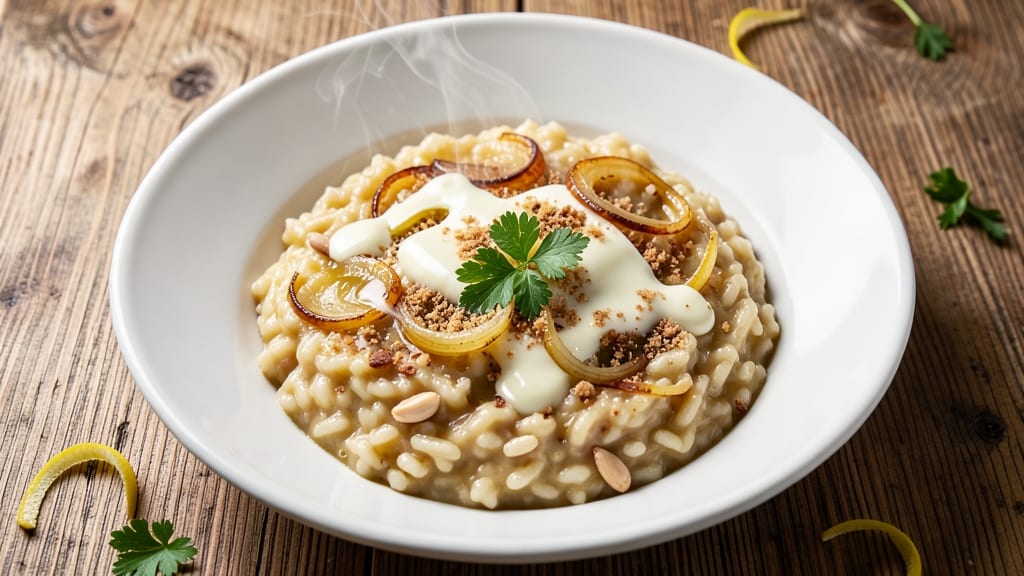
This Calrose rice risotto recipe transforms simple ingredients into a velvety masterpiece with toasted aromatics that build flavor layer by layer. The secret lies in proper technique—gradual broth additions and constant stirring—that creates that signature creamy texture without gummy rice.
I’ve perfected this method after years of testing, ensuring every bite delivers the perfect balance of richness and elegance.
Calrose rice, with its short-grain structure, absorbs liquid beautifully while maintaining its shape, creating that luxurious creamy consistency risotto lovers crave. We start with a rich base of toasted onions and garlic, then deglaze with white wine before adding warm broth in stages.
The final touch—a swirl of butter and a sprinkle of parmesan—elevates the dish to restaurant-quality perfection.
What sets this recipe apart is its versatility. Pair it with grilled shrimp for a seafood twist, or add saffron for a golden hue and floral aroma. The creamy texture pairs beautifully with roasted vegetables or a simple arugula salad.
Whether you're cooking for a special dinner or a weeknight treat, this risotto delivers restaurant-quality results at home.
Ready in about 40 minutes, this recipe is ideal for those who want impressive yet approachable Italian cuisine. The key is patience—letting the rice absorb the broth gradually ensures that creamy, al dente texture. Let’s get started on creating your perfect risotto.
Ingredients for calrose rice risotto
Toasted aromatics, gradual broth additions, and precise technique transform Calrose rice into restaurant-quality risotto.
| Ingredient | Amount | Notes |
|---|---|---|
| Calrose Rice 🍚 | 1 ½ cups | Uncooked, short-grain preferred |
| Yellow Onions 🧅 | 1 whole | Thinly sliced, sweet variety |
| Garlic Cloves 🧄 | 4 cloves | Minced, fresh preferred |
| Dry White Wine 🍷 | ½ cup | Bold, dry variety like Sauvignon Blanc |
| Vegetable Broth 💧 | 4 cups | Low-sodium, warm before adding |
| Unsalted Butter 🧈 | 4 tbsp | Cold, cut into small cubes |
| Parmesan Cheese 🧀 | ½ cup | Freshly grated, aged minimum 24 months |
| Extra-Virgin Olive Oil 🫒 | 2 tbsp | High-quality, fruity variety |
| Salt 🧂 | 1 ½ tsp | Diamond Crystal kosher salt |
| Black Pepper 🌶️ | ½ tsp | Freshly ground, coarse grind |
| Fresh Thyme Leaves 🌿 | ¼ cup | Chopped, stems removed |
| Lemon Zest 🍋 | 1 tsp | Freshly grated, bright yellow |
| Saffron Threads 🌼 | ⅛ tsp | Optional, for floral aroma |
The quality of your rice and broth makes all the difference. Calrose rice is ideal—its short grains absorb liquid beautifully while maintaining shape. For broth, low-sodium vegetable stock ensures you control the seasoning; homemade is best, but Pacific Foods or Imagine brands from specialty stores deliver professional results. Fresh thyme and saffron elevate the dish, but dried thyme at one-third the amount works if fresh isn't available. The Parmesan should be aged at least 24 months for optimal umami depth—Parmigiano-Reggiano from a specialty cheese shop is worth the investment for this technique-driven recipe.
No white wine? Substitute with extra chicken or vegetable broth—just reduce the total liquid by 0.5 cups to maintain balance. Fresh thyme unavailable? Dried oregano at half the amount provides a similar earthy note. For a seafood twist, add 8 oz cooked shrimp in the final 5 minutes. The butter should be cold when added—cut into small cubes for even distribution. If your risotto feels too dry, add more warm broth; if it's too thin, let it cook uncovered for an additional 2-3 minutes. The lemon zest brightens the dish but can be omitted if you prefer a more neutral finish.
Risotto is best served immediately, but you can reheat leftovers by gently warming with a splash of broth. Store in an airtight container for up to 3 days in the refrigerator, though texture may slightly degrade. For freezing, spread cooled risotto on a tray to form a crust, then transfer to a bag for up to 3 months. The saffron, if used, should be steeped in 1 tablespoon warm broth for 10 minutes before adding to the rice—this maximizes its floral aroma without bitterness. Always keep your stirring spoon clean to prevent lumps, and use a wide, shallow pan for even heat distribution.
Why You'll Love This Recipe
- One-Pot Magic: I swear, this risotto only needs one pan—no fancy equipment, no stress. Just toast the onions and garlic, add the Calrose rice, and let the broth work its magic. Honestly, I’ve made it in my college-era nonstick skillet with zero complaints.
- Wine-Infused Depth: That splash of dry white wine? It’s not just for show—it brightens the whole dish while cutting through the richness. The Calrose rice soaks it up perfectly, giving you that just-right balance of creamy and crisp. (Yes, even on a Tuesday night.)
- Budget-Friendly Luxury: Vegetable broth and simple veggies keep costs low, but the result tastes like you slaved over it. I’ve served this to picky eaters, date nights, and potlucks—no one ever questions why it’s on the menu.
- Leftovers? Better Than Ever: Cold risotto is a whole other beast, but reheated? Creamy, flavorful, and still satisfying. I stash extra in the fridge for lunch—just a quick microwave zap and a sprinkle of Parmesan. (My secret weapon for lazy afternoons.)
Step-by-step instructions for Calrose rice risotto
Master the technique of slow cooking and layering flavors for velvety perfection.
Toast the Aromatics in Butter and Olive Oil
In a heavy-bottomed pot, melt 2 tablespoons of the unsalted butter and 2 tablespoons of extra-virgin olive oil over medium heat. Add the 1 whole yellow onion, sliced into thin strips, and cook for 5-6 minutes until translucent and just beginning to soften. This slow cook transforms their natural sugars into caramelized depth.
Add the 4 cloves garlic cloves, minced, and the 0.25 cup fresh thyme leaves, stirring constantly for 30 seconds until fragrant. The thyme releases its piney aroma while the garlic softens without burning. Remove from heat and set aside - these aromatics form the flavor foundation.
Toast the Calrose Rice for Nuttiness
Return the pot to medium heat and add the 1.5 cups Calrose Rice, stirring to coat each grain in the aromatic butter mixture. Toast for 2-3 minutes until the rice turns opaque and develops a subtle nutty aroma. This crucial step prevents gummy texture by developing the rice's natural starches.
Add the 0.125 tsp saffron threads (if using) and 1 tsp lemon zest, stirring for 10 seconds to infuse their flavors. The saffron will bloom beautifully while the lemon zest adds bright acidity that balances the richness. Pour in the 0.5 cup dry white wine and stir vigorously until fully absorbed.
Cook the Risotto with Gradual Broth Additions
Add 1 cup of the warm vegetable broth and stir gently. Increase heat to medium-low and let the rice absorb the liquid for 2-3 minutes before adding another 1 cup of broth. This incremental approach creates the signature creamy texture by allowing starches to release gradually.
Continue this process for 18-20 minutes total, adding broth 1 cup at a time and stirring gently every 2-3 minutes. The rice should be tender but still slightly al dente with a creamy consistency. Real talk: don't walk away during this phase - constant attention ensures even cooking.
Finish with Butter, Cheese and Seasoning
When the rice is tender, remove from heat and stir in the remaining 2 tablespoons unsalted butter and 0.5 cup parmesan cheese until melted and creamy. Season with 1.5 tsp salt and 0.5 tsp black pepper, tasting as you go. The cheese should melt completely, creating a luxurious, velvety sauce that coats each grain.
Cover the pot and let rest for 2 minutes to allow flavors to meld. The risotto will be perfectly creamy with each grain distinct and tender. Serve immediately with additional parmesan and fresh thyme on top - this dish demands to be eaten while warm and creamy.
Pro Tips For Making Calrose Rice Risotto
- STIR CONSTANTLY, START LOW: Calrose rice risotto needs constant stirring—like, every 30 seconds—to release starch and prevent burning. After the first 5 minutes, drop the heat to medium-low; I used to rush this and ended up with a gummy mess instead of creamy perfection.
- FINELY MINCE THE ONIONS: Skip the rough chop—grate or finely dice those yellow onions so they dissolve into the rice. You want them to melt into the broth, not sit as chunks. (Yes, it takes a minute, but it makes a real difference.)
- DEGLAZE WITH WINE IMMEDIATELY: As soon as the onions turn golden, pour in that white wine right away—don’t let them brown further. The alcohol helps lift flavors and keeps the rice from sticking. (I learned this the hard way after a batch tasted flat.)
- USE HOT BROTH, NOT BOILING: Add broth in small batches, but make sure it’s hot—not simmering, not lukewarm, hot. Cold broth stops the cooking process and turns your risotto into a sad, watery puddle. Keep a pot of broth on the stove, ready to go.
Troubleshooting great calrose rice risotto
Gummy Texture Fix
If your risotto turns out gummy, you likely added broth too quickly or stirred too aggressively. The solution? Toast your rice longer next time—aim for 3-4 minutes until it's opaque and nutty.
Also, ensure your broth is warm (not boiling) to prevent shocking the rice. For immediate fixes, stir in 1 tablespoon cold butter to tighten the texture slightly. 💡
Undercooked Rice
Undercooked rice happens when you rush the process or use cold broth. Keep your broth warm (160-170°F) and add it gradually—never all at once. If your risotto feels firm after 20 minutes, uncover the pot and cook for an extra 2-3 minutes on low heat.
A splash of warm water (½ cup) can also help finish the rice without making it mushy.
Broth Too Salty
If your broth is too salty, dilute it with warm water (1:1 ratio) before adding to the risotto. For a quick fix, stir in 1-2 tablespoons heavy cream or 1 tablespoon unsalted butter—both help balance saltiness while adding richness.
Taste as you go! The goal is a well-seasoned dish, not an overpowering one.
Lumpy Risotto
Lumps form when starches clump or you stir too vigorously. Use a wide, shallow pot for even heat distribution and a wooden spoon to gently break up any lumps as you stir.
If lumps persist, press them against the pot with the spoon to mash them into the rice. For prevention, rinse your rice briefly before toasting to remove excess surface starch.
Dry Risotto
Dry risotto usually means you didn’t add enough broth or let it rest too long. If it’s dry mid-cook, add ½ cup warm broth and stir gently. For the final touch, stir in 1 tablespoon cold butter—it coats the grains and adds moisture.
If reheating, add a splash of broth or water to restore creaminess. Always serve risotto immediately after cooking for the best texture.
Burnt Aromatics
Burnt onions or garlic ruin the dish’s foundation. Keep heat at medium when toasting and stir constantly to prevent browning. If they burn, remove the pot from heat and scrape out the burnt bits before continuing.
For extra flavor without risk, try caramelizing onions separately** and adding them back after toasting the rice. 🔥
Nutrition facts
Frequently asked questions
Why does Calrose rice work better than other varieties for risotto?
Calrose rice's short-grain structure absorbs liquid beautifully while maintaining its shape, creating that signature creamy texture. Unlike long-grain rice, it releases starches gradually, forming a velvety sauce without turning mushy. The nutty flavor also adds depth to the dish.
Can I substitute white wine with something else?
Yes! Use an extra ½ cup warm vegetable broth instead of white wine. For depth, add 1 teaspoon lemon juice to mimic the acidity. The key is maintaining the same liquid ratio—just reduce total broth by ½ cup to balance the recipe.
How do I know when the risotto is perfectly cooked?
The risotto is done when the rice is tender but still has a slight bite (al dente) with a creamy consistency. It should cling together lightly when stirred, and each grain should be distinct. If it's still firm, cook uncovered for 2-3 more minutes on low heat.
What’s the best way to reheat leftover risotto?
Gently reheat leftovers in a saucepan with 1-2 tablespoons warm broth or water per ½ cup risotto, stirring constantly over low heat until creamy. Avoid microwaving—it can make the texture gummy. For best results, add a pat of cold butter at the end to restore richness.
Can I make this risotto ahead of time?
Risotto is best served immediately, but you can prep components ahead: toast the aromatics, toast the rice, and even deglaze with wine. Store separately in the fridge for up to 1 day, then cook as directed, adding broth gradually to finish. For freezing, spread cooled risotto on a tray to form a crust, then transfer to a bag for up to 3 months.