
Desserts
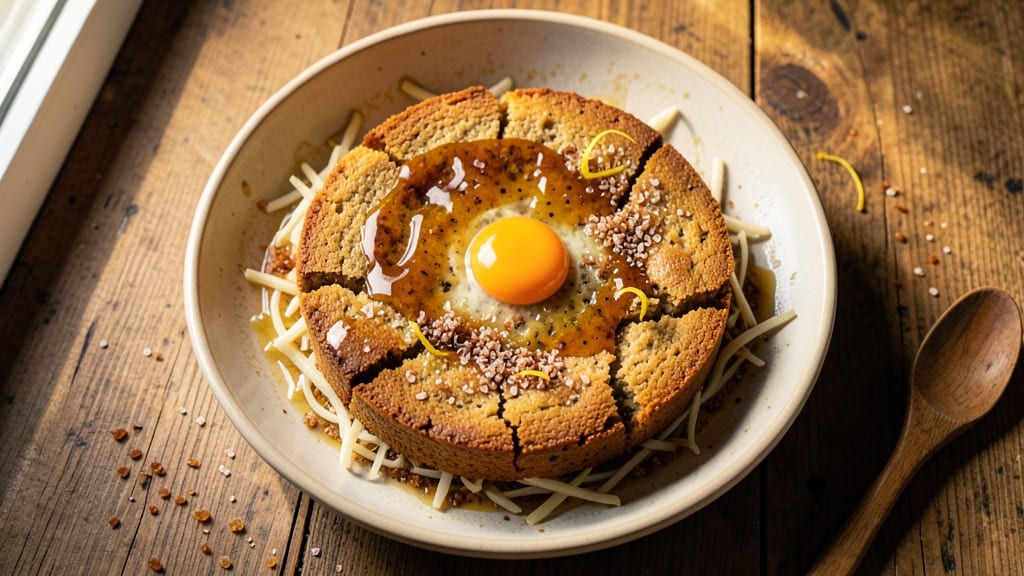
This cassava cake recipe with glutinous rice flour delivers the perfect balance of moist, chewy texture and sticky sweetness—a tropical dessert that feels like a hug in every bite.
The combination of cassava and glutinous rice flour creates a tender crumb that stays soft for days, while natural coconut and palm sugar add just the right amount of caramelized sweetness. I developed this recipe after years of experimenting with Southeast Asian desserts, and it never fails to impress.
The secret lies in the batter's simplicity: just a few ingredients, no fancy techniques, and a 350°F oven for 30-40 minutes to achieve that signature golden crust and fudgy center. Whether you're baking for a special occasion or craving a comforting treat, this cake delivers restaurant-quality results with minimal effort.
The natural flavors shine through, making it a crowd-pleaser that's both elegant and approachable.
Ingredients for cassava cake recipe with glutinous rice flour
Tropical ingredients for a dessert that balances chewy texture and caramelized sweetness.
| Ingredient | Amount | Notes |
|---|---|---|
| Fresh Cassava (Yuca) 🥔 | 2 cups | Shredded, peeled, and rinsed |
| Glutinous Rice Flour 🍚 | 2 cups | Also called sweet rice flour |
| All-Purpose Flour 🌾 | 1 cup | For structure |
| Granulated Palm Sugar 🍯 | 1 cup | Or substitute brown sugar |
| Unsweetened Coconut Milk 🥥 | 13 ½ oz | Full-fat can for creaminess |
| Large Eggs 🥚 | 4 whole | Room temperature preferred |
| Baking Powder 🧂 | 1 tbsp | Aluminum-free preferred |
| Salt 🧂 | ½ tsp | Fine sea salt |
| Vanilla Extract 🌿 | 1 tbsp | Pure Madagascar preferred |
| Shredded Coconut 🥥 | 1 cup | Sweetened or unsweetened |
| Unsweetened Coconut Flakes 🥥 | ½ cup | Toasted for garnish |
| Vegetable Oil 🫒 | ½ cup | For greasing pan |
The cassava is the heart of this cake, and fresh, peeled yuca makes all the difference. Most Latin markets carry pre-shredded cassava, but if you're buying whole tubers, look for firm, smooth-skinned varieties with no bruises. Trader Joe's and Whole Foods often stock pre-shredded cassava in the Latin foods section, which saves time. For the glutinous rice flour, Bob's Red Mill is reliable, but check the label—some brands mix it with regular rice flour. The palm sugar adds depth; Thai Kitchen or Trader Joe's carry it in the baking aisle. If you can't find it, brown sugar works but lacks that caramelized complexity.
No palm sugar? Coconut sugar or even dark brown sugar will work, though the flavor will be slightly different. For the coconut milk, full-fat is essential—canned versions like Thai Kitchen are ideal, but avoid the carton kind. The eggs should be room temperature for even mixing, and organic pastured eggs add richer flavor if you're willing to splurge. Shredded coconut can be swapped for toasted macadamia nuts if you prefer a less sweet topping. The baking powder is critical—aluminum-free ensures a tender crumb. For the vanilla, Madagascar bourbon vanilla has the most complex flavor, but imitation will suffice in a pinch.
This cake keeps beautifully—5 days wrapped at room temperature or 3 months in the freezer. To reheat, warm slices in a 350°F oven for 5-10 minutes until the coconut topping is crisp. The batter can be prepped one day ahead and refrigerated; just bake straight from the fridge, adding 5-10 minutes to the baking time. For a special touch, dust the cooled cake with a light layer of powdered coconut sugar before serving. The texture improves with time, so it's perfect for making ahead for gatherings.
Why You'll Love This Recipe
- No Grating, No Stress: I peel and cube the cassava—no food processor, no mess. The glutinous rice flour does the heavy lifting, binding everything into a tender, fluffy cake without fuss. (Yes, even if you’re still in your PJs.)
- Sweet-Creamy Magic: That caramelized palm sugar and coconut milk combo? It’s like a tropical hug in every bite—slightly chewy outside, melt-in-your-mouth inside. Honestly, the first time I tasted it, I nearly licked the bowl.
- Weekday Meal Prep Hero: Bake a batch on Sunday, and you’ve got breakfast, dessert, or a snack covered for days. Slice it thin for quick bites or serve it warm with tea—it’s my go-to when I’m too tired to think.
- Budget-Friendly Luxury: Cassava and rice flour stretch further than most cake ingredients, and palm sugar adds depth without breaking the bank. Between us, this is the kind of treat that feels special but won’t ruin your grocery budget.
Step-by-step instructions for cassava cake with glutinous rice flour
Here's how to create a perfectly moist cassava cake with a tender crumb and subtle sweetness.
Prepare the Cassava and Mix Dry Ingredients
Begin by shredding the 2 cups fresh cassava (yuca) using a box grater or food processor until you achieve fine, rice-like strands. Rinse immediately under cold water to remove excess starch, then drain thoroughly in a colander. This step prevents a gummy texture in your cake.
In a large mixing bowl, whisk together the 2 cups glutinous rice flour, 1 cup all-purpose flour, 1 cup granulated palm sugar, 1 tablespoon baking powder, and ½ teaspoon salt. Sift the dry ingredients through a fine-mesh sieve directly into the bowl to eliminate any lumps. This ensures an even distribution of leavening agents throughout the batter.
Combine Wet Ingredients and Incorporate Cassava
In a separate bowl, whisk together the 13.5 ounces unsweetened coconut milk, 4 whole large eggs, 1 tablespoon vanilla extract, and ½ cup vegetable oil until fully combined. The coconut milk should be well-stirred to distribute the cream and water components evenly. This mixture will provide moisture and richness to the cake.
Gradually add the wet ingredients to the dry ingredients while mixing on low speed with an electric mixer. Scrape down the sides of the bowl as needed to ensure all ingredients are incorporated. Once combined, gently fold in the drained cassava using a rubber spatula until just mixed. Avoid overmixing—this can develop gluten and result in a dense texture. The batter should be thick but pourable.
Fold in Coconut and Prepare for Baking
In a small bowl, toast the ½ cup unsweetened coconut flakes in a dry skillet over medium heat for 2-3 minutes until golden brown and fragrant. Set aside to cool. In the same bowl, combine the 1 cup shredded coconut with the toasted flakes.
Fold the coconut mixture into the cassava batter using a spatula, ensuring even distribution. Pour the batter into a 9-inch round cake pan that has been lightly greased with vegetable oil. Sprinkle any remaining coconut flakes on top for added texture and visual appeal. The batter should fill the pan about ¾ full—this allows for even rising during baking.
Bake to Golden Perfection
Preheat your oven to 350°F. Place the cake pan on the center rack and bake for 45-50 minutes, or until a toothpick inserted into the center comes out clean. The cake should have a golden-brown hue on top, indicating even baking.
Real talk: Your oven might run hot, so start checking at the 40-minute mark. If the edges brown too quickly, tent the cake with aluminum foil to prevent overbrowning while the center finishes baking. Once done, remove the cake from the oven and let it cool in the pan for 10 minutes before transferring to a wire rack to cool completely. This resting period ensures the cake sets properly and maintains its moist texture.
Pro Tips For Making Cassava Cake Recipe With Glutinous Rice Flour
- GRATE CASSAVA FINE: Fresh cassava is stubborn—if you use a box grater, stop at medium-coarse and pulse it in a food processor for the last 30 seconds. Lumpy batter means dense cake, and no one wants to chew through their dessert. I learned this the hard way after serving a slice that looked like it had rocks in it.
- STEAM FIRST, BAKE SECOND: Preheat your oven to 350°F (175°C), then place your lined cake pan inside for 5 minutes. After pouring the batter, immediately transfer it to the oven and bake for 15 minutes at 350°F—then drop the heat to 300°F (150°C) for the remaining 30-40 minutes. This two-stage bake prevents a cracked top and keeps the center moist. Trust me, your cake will thank you.
- DON’T SKIP THE COCONUT MILK REST: Let your unsweetened coconut milk sit at room temperature for at least 30 minutes before measuring. Cold milk curdles when mixed with palm sugar, and you’ll end up with a gritty batter that fights you every step of the way. Warm it up, shake it, and measure from the top of the can—no guesswork.
- WHISK THE GLUTINOUS FLOUR DRY: Mix your glutinous rice flour and all-purpose flour together in a bowl before adding any wet ingredients. This prevents clumping and ensures the flour incorporates evenly into the batter. I was skeptical until I tried it—now I never go back. The texture is smoother, and the cake rises better.
Serving suggestions for this dish
Tropical Garnishes
Finish your cassava cake with toasted coconut flakes for a fragrant, crunchy contrast to the soft crumb. I like to toast ½ cup unsweetened coconut flakes in a dry skillet over medium heat for 2-3 minutes until golden and aromatic.
For extra flair, sprinkle with powdered coconut sugar or a light dusting of turmeric for a golden hue that mimics traditional Southeast Asian desserts. 🥥
Pairing with Tea
This cake's natural sweetness pairs beautifully with jasmine or pandan tea—both enhance the tropical flavors without overpowering. I recommend Thai iced tea for a refreshing contrast, especially on warm days.
For a more robust pairing, try strong black tea with a splash of coconut cream to mirror the cake's richness. Serve in delicate celadon teacups for an elegant presentation.
Fruit Accompaniments
Add fresh fruit to cut through the cake's sweetness and add brightness. Mango slices or passion fruit pulp work wonderfully—their acidity balances the caramelized palm sugar. For a tropical twist, serve with lychee jelly or guava paste drizzled over the top.
I often arrange fruit in a star pattern around the cake for a visually stunning dessert platter.
Creamy Contrasts
Elevate your serving with a side of coconut custard or mango sorbet to create a warm-cold contrast. The custard can be made with coconut milk, egg yolks, and palm sugar, then chilled until set.
For a lighter option, whip coconut cream into a fluffy topping and dollop alongside slices. This adds a luxurious texture that complements the cake's chewy interior. 💛
Occasion Presentation
For special occasions, serve the cake on a wooden cake stand with edible flowers like hibiscus or orchids scattered around. Use gold leaf accents on the plate for a festive touch.
For everyday enjoyment, cut into thick wedges and serve on banana leaves to enhance the tropical theme. The natural presentation makes this cake feel both rustic and refined.
Make-Ahead Serving
This cake reheats beautifully, so it's perfect for meal prep. Wrap individual slices in parchment paper and store in an airtight container for up to 5 days. To serve, warm slices in a 350°F oven for 5-10 minutes until the coconut topping crisps slightly.
Pair with a warm chai latte for a comforting dessert experience that feels like a hug. ✨
Nutrition facts
Frequently asked questions
Why does this cake need both cassava and glutinous rice flour?
The cassava adds natural sweetness and a moist, chewy texture that stays fresh for days, while the glutinous rice flour creates that signature sticky, elastic crumb found in many Southeast Asian desserts. Together, they balance moisture and structure for the perfect bite—neither ingredient could achieve this alone!
Can I make this cake without eggs for a vegan version?
Yes! Replace the 4 eggs with 4 flax eggs (4 tablespoons ground flaxseed + 12 tablespoons water, mixed and rested for 5 minutes) or 1 cup aquafaba (chickpea brine, whipped to stiff peaks). The texture will be slightly denser but still delicious. For extra richness, add 2 tablespoons melted coconut oil to the wet ingredients.
What if my cake turns out too dense or dry?
Dense cake usually means overmixing or insufficient moisture. Ensure you're using fresh cassava (not pre-shredded) and full-fat coconut milk. For dryness, try adding 2 tablespoons coconut cream to the batter or tenting the cake with foil during the last 10 minutes of baking to retain moisture. The key is patience—let it cool completely before slicing!
How can I tell when the cake is fully baked?
The cake is done when a toothpick inserted into the center comes out clean (or with just a few moist crumbs). The edges should pull away slightly from the pan, and the top should have a golden-brown crust. If unsure, check at the 40-minute mark—ovens vary! For extra assurance, tap the pan gently: a fully baked cake will sound hollow.
Can I substitute palm sugar with something else?
Use coconut sugar (1:1 ratio) for a similar caramelized flavor, or dark brown sugar (+1 teaspoon molasses) for depth. For a lighter sweetness, reduce to ¾ cup and add ½ cup honey or maple syrup to the wet ingredients. Just note that palm sugar's unique molasses notes are hard to replicate.