
Main Courses
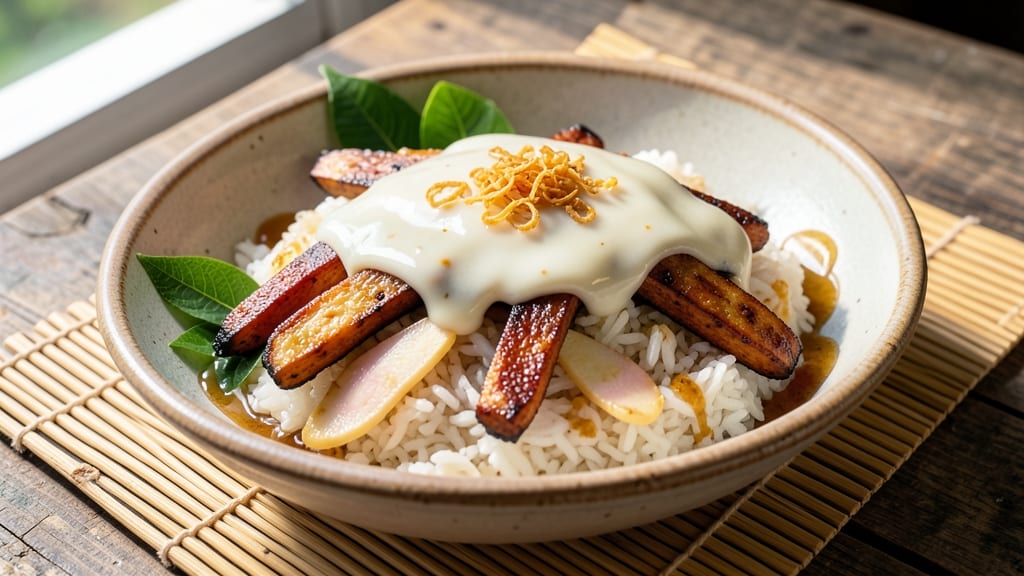
This cassava and glutinous rice recipe transforms simple ingredients into a tropical masterpiece that balances earthy cassava with sweet, chewy rice in one pan. The contrast of textures—crispy edges on the cassava and tender, sticky rice—makes every bite unforgettable. Perfect for a vegetarian main course or dessert, this dish brings the flavors of Southeast Asia to your table with minimal effort.
Steamed to perfection, the cassava develops a subtle caramelized crust while the glutinous rice absorbs flavors beautifully. The recipe requires just 30 minutes of active prep and 45 minutes of cooking time, making it ideal for weeknight dinners or special occasions.
Whether you're serving it as a side or a standalone dish, the natural sweetness and satisfying texture will leave everyone asking for seconds.
Ingredients for cassava and glutinous rice
Earthy cassava meets sweet glutinous rice in this one-pan tropical masterpiece.
| Ingredient | Amount | Notes |
|---|---|---|
| Fresh Cassava (Yuca) Root 🥔 | 1 ½ lb | Peeled, cut into 1-inch cubes |
| Glutinous Rice (Sweet Rice) 🍚 | 2 cups | Uncooked, rinsed thoroughly |
| Coconut Milk (Full-Fat) 🥥 | 13 ½ oz | Canned, full-fat preferred |
| Coconut Sugar 🍯 | ½ cup | For natural sweetness |
| Fresh Turmeric Root 🌿 | 1 tbsp | Grated, vibrant orange color |
| Fresh Ginger Root 🌿 | 1 tbsp | Grated, peeled |
| Coconut Oil 🫒 | 2 tbsp | Unrefined for flavor |
| Salt 🧂 | ½ tsp | Diamond Crystal preferred |
| Lime Juice 🍋 | 2 tbsp | Freshly squeezed |
| Coconut Flakes 🥥 | ¼ cup | Toasted, for garnish |
| Fresh Cilantro 🌿 | ¼ cup | Chopped, for garnish |
| Water 💧 | 1 ½ cups | Filtered preferred |
The cassava is the star here—look for firm, unblemished roots at specialty markets or Latin grocery stores like H Mart or Whole Foods. Fresh turmeric and ginger make all the difference; if you can't find fresh, use double the powdered amount but toast it first in a dry pan for 30 seconds to deepen the flavor. Glutinous rice is a must—Thai or Filipino brands work best, available at Asian markets or online. The coconut milk should be full-fat for that rich, creamy texture that balances the earthy cassava perfectly.
No fresh turmeric? Ground turmeric at half the amount works, but the flavor won't be as vibrant. Substitute coconut sugar with brown sugar or maple syrup, though coconut sugar's caramel notes are ideal. For extra richness, add 1 tbsp of coconut cream to the coconut milk. The lime juice can be swapped for lemon juice, but lime's brightness cuts through the sweetness better. If you're short on time, pre-grate the turmeric and ginger while the rice soaks—saves 10 minutes of prep.
This dish reheats beautifully—steam it in a sealed container for 3-4 minutes to restore moisture. Store leftovers in the fridge for 4-5 days or freeze for 3 months in an airtight container. The cassava cubes crisp up again when reheated, so a quick broil for 2 minutes adds back that satisfying texture. Garnish with toasted coconut flakes and cilantro just before serving—the aroma alone makes it irresistible. Double the recipe for crowd-pleasing leftovers; it's that good.
Why You'll Love This Recipe
- Few Ingredients, Big Payoff: The pantry staples here won’t overwhelm you—just cassava, sweet rice, coconut milk, and a touch of turmeric. I swear by this combo because it’s the kind of recipe where you don’t need 10 things to make it feel special.
- Golden Creamy Magic: That turmeric-infused coconut milk? It turns everything golden and velvety. The cassava soaks up the richness while the glutinous rice stays just sticky enough to hold onto every drop of flavor—like dessert for breakfast.
- Lunchbox Hero: Between us, this is my go-to for meal prep. Pack it warm or cold—it reheats beautifully, and the kids (even the picky ones) will actually finish their portions. (Yes, even on a Tuesday night.)
- Budget-Friendly Luxury: Fresh cassava and coconut milk might sound fancy, but they stretch further than you’d think. A single root and a can of coconut milk feed four, and the leftovers? Even better the next day—if there are any.
Step-by-step instructions for cassava and glutinous rice harmony
This tropical one-pan dish combines earthy cassava with naturally sweet glutinous rice for a cohesive, aromatic result.
👨🍳 Step 1: Prepare the Cassava and Aromatic Base
Begin by peeling the 1.5 lb fresh cassava (yuca) root and cutting it into 1-inch cubes. Soak the cassava in cold water for 15 minutes to remove any residual bitterness, then drain thoroughly. In a large, heavy-bottomed pot, combine the cassava cubes with 2 tbsp coconut oil, 1 tbsp grated fresh turmeric root, 1 tbsp grated fresh ginger root, and 0.5 tsp salt. Stir gently to coat the cassava evenly in the spices and oil.
This initial coating ensures the cassava absorbs the aromatic flavors as it cooks. The turmeric and ginger will infuse the entire dish with their warm, earthy notes. Let the mixture sit for 5 minutes while you prepare the remaining ingredients—this allows the spices to begin releasing their essential oils.
🍳 Step 2: Layer and Simmer the Glutinous Rice
Add 2 cups rinsed glutinous rice (sweet rice) to the same pot, spreading it evenly over the cassava. Pour in 1.5 cups water and 13.5 oz full-fat coconut milk, then stir gently once more to distribute the liquid. The rice should be just submerged—this ensures even cooking without making the dish watery. Place the pot over medium heat and bring the mixture to a gentle simmer.
Once simmering, reduce heat to low and cover the pot with a tight-fitting lid. Let it cook undisturbed for 20 minutes. During this time, the rice will begin absorbing liquid and releasing its natural starch, which will create that signature sticky texture. Avoid peeking—the steam is crucial for developing the dish's cohesive structure.
🔥 Step 3: Cook Until Tender and Infused
After 20 minutes, carefully stir the mixture once to check for even distribution. Add 0.5 cup coconut sugar and 2 tbsp freshly squeezed lime juice, stirring gently to incorporate. The sugar will caramelize slightly, adding depth to the dish, while the lime juice brightens the flavors. Return the pot to low heat and continue cooking, covered, for an additional 30-35 minutes.
You'll know it's ready when the cassava is fork-tender (piercing a cube should meet minimal resistance) and the rice has absorbed all the liquid, forming a thick, cohesive mass. The dish should smell richly of coconut and spices, with a subtle sweetness from the caramelizing sugar. If the mixture appears too dry before the cassava is tender, add 2-3 tablespoons of water and continue cooking.
🥘 Step 4: Finish and Garnish for Presentation
Remove the pot from heat and let the dish rest, covered, for 10 minutes. This resting period allows the flavors to meld and the texture to set. Once rested, transfer the cassava and rice mixture to a serving platter. Garnish with 0.25 cup toasted coconut flakes and 0.25 cup chopped fresh cilantro for a pop of color and texture contrast.
The coconut flakes add a delightful crunch, while the cilantro introduces a fresh, herbaceous note that cuts through the richness. Serve immediately while warm, as the sticky texture is best enjoyed fresh. This dish pairs beautifully with a simple cucumber salad or grilled fish to balance its tropical sweetness.
Pro Tips For Making Cassava And Glutinous Rice
- PEEL CASSAVA THIN: I learned this the hard way—thick peels mean tough, chewy bites. Use a sharp knife to slice off just the outer layer, then rub the remaining skin with a damp cloth to remove any lingering grit. (Yes, even if you’re impatient like me, take your time here.)
- SOAK RICE 4 HOURS: Glutinous rice needs serious hydration, not a quick rinse. Soak it in water for at least 4 hours (overnight is fine) to break down the starch—this guarantees a creamy, melt-in-your-mouth texture instead of dry, gummy grains. (Your future self will thank you.)
- SIMMER COCONUT MILK LOW: After burning three batches of coconut milk, I finally figured out: low heat is non-negotiable. Boil it once to sterilize, then reduce to a bare simmer. Skim off any foam immediately—this keeps the milk rich and prevents a burnt, bitter flavor that ruins the whole dish.
- GRATE TURMERIC FRESH: Store-bought powder lacks the depth of fresh turmeric. Rub the root against a microplane or fine grater, then bloom it in the coconut milk for 5 minutes before adding sugar. (Sounds weird, but it works—your cassava will have that golden, aromatic punch without overpowering sweetness.)
Storing and reheating your leftovers
Refrigerator Storage
Store your cassava and glutinous rice in an airtight container for up to 4-5 days in the fridge. The sticky rice texture holds up beautifully when refrigerated, but the cassava cubes may lose some crispness.
To revive them, sprinkle a dash of coconut milk over the top before reheating—this helps restore moisture and adds a subtle richness. 💫
Freezer Storage
For longer storage, freeze the dish in single-serving portions using quart-sized freezer bags or glass containers. The cassava and rice will keep for 3 months without significant texture changes.
When ready to eat, thaw overnight in the fridge before reheating. I find freezing works best when the dish is completely cooled to room temperature before transferring to the freezer.
Reheating Methods
For the best texture, steam reheating is my go-to method. Place the cold dish in a microwave-safe bowl, cover tightly with a damp paper towel, and heat on medium power for 3-4 minutes. The steam helps restore the sticky texture of the rice while gently warming the cassava.
If using the stovetop, heat in a lightly oiled pan over low heat for 5-7 minutes, stirring occasionally to prevent sticking.
Crispy Cassava Revival
If your reheated cassava feels too soft, broil it for 2-3 minutes at the end of reheating. Place the dish on a baking sheet and watch closely to avoid burning.
This quick broil restores that satisfying crispy edge while keeping the rice perfectly sticky. A sprinkle of toasted coconut flakes adds both texture and visual appeal. 🔥
Garnish Refresh
Always garnish with fresh cilantro and toasted coconut flakes after reheating—these add vibrant colors and fresh flavors that cut through the richness. For extra brightness, add a squeeze of lime juice just before serving.
The aroma alone makes the dish feel fresh and restaurant-quality, even when reheated. Trust me, this simple step elevates everything!
Meal Prep Tips
Double the recipe for easy meal prep—it's perfect for lunches or dinner leftovers. Store components separately if needed: keep the cassava cubes in one container and the rice mixture in another.
When ready to eat, simply combine and reheat as directed. The flavors actually deepen over time, making this dish even more delicious the next day. 💡
Nutrition facts
Frequently asked questions
Can I substitute regular rice for glutinous rice?
No, glutinous rice is essential for this recipe! Its naturally sticky texture creates the signature cohesive mass that pairs perfectly with cassava. Regular rice will stay separate and lose the dish's signature chewiness. If you're desperate, try sushi rice (cooked with extra vinegar) as a last resort, but the texture won't be the same. The sweet rice's ability to absorb coconut milk and sugar is what makes this dish special.
How do I know when the cassava is fully cooked?
The cassava is ready when it's fork-tender—piercing a cube should meet minimal resistance, with just a slight give in the center. The edges should be slightly caramelized while maintaining a soft interior. If it feels too firm, cook for another 5-10 minutes covered. Overcooking can make it gummy, so check frequently during the final 30 minutes of cooking.
Can I make this dish ahead of time?
This recipe actually tastes better the next day as the flavors meld. Prepare it up to 2 days in advance and store in an airtight container in the fridge. Reheat using the steam method to preserve the sticky rice texture. The cassava may lose some crispness, but a quick broil for 2-3 minutes before serving will restore it. Perfect for meal prep!
Why does my glutinous rice turn out dry or crumbly? This usually happens from too much heat or insufficient liquid. Glutinous rice needs gentle, low heat and just enough liquid to absorb completely. If your rice turns out dry, try adding 1-2 tbsp of coconut milk during cooking next time. Also,
What's the best way to serve this dish?
This tropical harmony works beautifully as a standalone vegetarian main course or dessert. For a complete meal, pair it with a simple mango-lime salad or grilled tofu skewers to balance the richness. The natural sweetness also makes it perfect for breakfast with a sprinkle of sesame seeds. Serve warm in banana leaves for an authentic presentation that enhances the tropical flavors.