
Main Courses
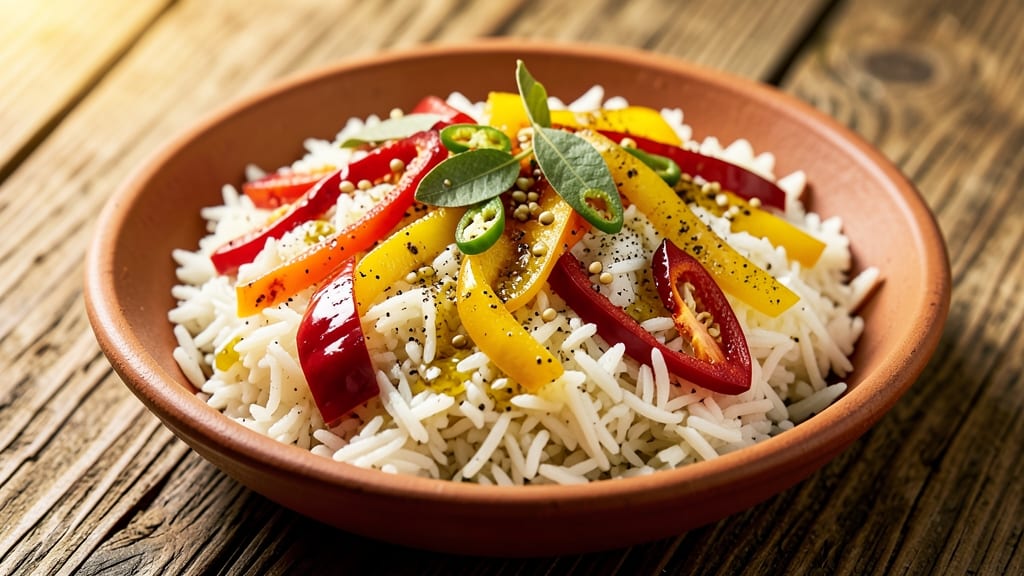
This capsicum rice Indian recipe transforms simple ingredients into a vibrant, aromatic one-pot dish that captures the essence of South Indian home cooking.
The key lies in the perfect balance of spices—cumin, mustard seeds, and curry leaves—tempered in hot oil to release their full potential, while bell peppers add a sweet, crunchy contrast to the fluffy rice.
I developed this recipe after years of testing, ensuring every bite delivers that signature Indian flavor without compromise.
The magic happens in the one-pot method, where basmati rice cooks alongside tender bell peppers and aromatic spices, absorbing flavors into each grain. The dish stays true to traditional techniques like tadka (tempering) while simplifying the process for home cooks.
Ready in under 45 minutes, it’s a foolproof way to bring restaurant-quality Indian flavors to your table—no shortcuts, just authentic taste.
Ingredients for capsicum rice indian
Authentic South Indian flavors start with these carefully chosen ingredients, designed for vibrant, aromatic capsicum rice.
| Ingredient | Amount | Notes |
|---|---|---|
| Long-Grain Basmati Rice 🍚 | 1 ½ cups | Uncooked, rinsed thoroughly |
| Red Bell Peppers 🍅 | 2 whole | Medium-sized, sliced into strips |
| Yellow Bell Peppers 🍅 | 1 whole | Medium-sized, sliced into strips |
| Green Chilies 🌶️ | 4 whole | Slit lengthwise, deseeded |
| Fresh Curry Leaves 🌿 | ¼ cup | Packed, finely chopped |
| Mustard Seeds 🌱 | 1 tbsp | Whole, light brown preferred |
| Cumin Seeds 🌱 | 1 tsp | Whole, toasted lightly |
| Asafoetida Powder 🧂 | ¼ tsp | Pure, high-quality |
| Turmeric Powder 🧂 | ¼ tsp | Freshly ground preferred |
| Garam Masala Powder 🌶️ | 1 tsp | Homemade or quality store-bought |
| Vegetable Oil 🫒 | ½ cup | High smoke point preferred |
| Water 💧 | 2 ½ cups | Filtered or mineral preferred |
| Salt 🧂 | ¾ tsp | Diamond Crystal kosher |
| Fresh Coriander Leaves 🌿 | ¼ cup | Chopped, for garnish |
| Lemon Juice 🍋 | 1 tbsp | Freshly squeezed |
The spices form the heart of this dish, so prioritize quality. Whole mustard seeds and cumin seeds should be toasted in hot oil until they sizzle—this releases their full aroma. For curry leaves, Indian grocery stores or specialty markets offer the freshest, most fragrant bunches. Penzeys Spices is a reliable source for garam masala and asafoetida if you prefer pre-ground options. Bell peppers should be firm with vibrant color—red and yellow varieties add contrasting sweetness and visual appeal. Freshly ground turmeric makes a noticeable difference in color and flavor compared to pre-ground powder.
No fresh curry leaves? Dried curry leaf powder at half the amount works in a pinch, though the aroma won't be identical. Substitute green chilies with red chili powder (½ tsp) if you prefer less heat. For garam masala, homemade blends with cinnamon, cardamom, and cloves elevate the dish, but quality store-bought brands like MDH or Everest are excellent shortcuts. The bell peppers can be swapped for capsicum or sweet Italian peppers if unavailable, though the flavor profile will shift slightly. Fresh coriander leaves are ideal for garnish, but dried willow leaves can substitute in traditional recipes.
Rice absorbs flavors best when cooked with spices, so rinse it thoroughly before adding to the pot. The dish tastes even better the next day as flavors meld—store in an airtight container for up to 3 days in the refrigerator. For longer storage, freeze portions for up to 3 months, though texture may change slightly. Garnish with fresh coriander and lemon juice just before serving to brighten the flavors. The one-pot method makes this dish perfect for meal prep—simply reheat with a splash of water for restaurant-quality results.
Why You'll Love This Recipe
- One-Pot Magic: I swear by this recipe when I’m too tired to juggle multiple pans. Toss everything—rice, peppers, spices—into one pot, and let the curry leaves and chilies work their flavor while it simmers. No rinsing, no fuss, just hands-off cooking.
- Sweet & Spicy Balance: That first bite of charred bell peppers with the gentle heat of green chilies? It’s the kind of flavor that lingers. The basmati soaks up the smoky-sweetness while the curry leaves add a citrusy punch—no heavy cream or complicated sauces needed.
- Lunchbox Hero: Between us, this is my go-to for packed lunches. The rice stays fluffy for days, and the peppers keep their crunch. I’ll admit, it’s not the prettiest in a container, but my kids (and my coworkers) devour it—no sad, soggy leftovers here.
- Budget Brightener: Bell peppers are cheap, rice is a staple, and a handful of curry leaves stretches like crazy. I make this twice a month just to use up whatever peppers I find on sale. Plus, it’s filling enough to stretch a single meal into two without feeling like I’m skimping.
Step-by-step instructions for capsicum rice Indian recipe
This vibrant one-pot dish delivers restaurant-quality flavor with minimal cleanup—just follow these precise techniques.
Temper the Spices for Maximum Flavor
Heat the 0.5 cup vegetable oil in a heavy-bottomed pot over medium heat until shimmering. Add the 1 tbsp mustard seeds and 1 tsp cumin seeds, stirring constantly until they pop audibly—this should take about 30 seconds. Immediately add the 0.25 cup finely chopped fresh curry leaves and 0.25 tsp asafoetida powder, stirring for 10 seconds until the aroma fills your kitchen.
Watch the spices carefully—they burn quickly. The mustard seeds should turn golden and sizzle, while the curry leaves will darken slightly. This initial tempering creates the aromatic foundation of the dish, so don't rush this step. The asafoetida adds a subtle umami depth that's essential for authentic flavor.
Sauté the Vegetables Until Tender-Crisp
Add the 2 whole red bell peppers and 1 whole yellow bell peppers, both sliced into strips, along with the 4 whole green chilies (slit lengthwise and deseeded). Stir-fry for 5-6 minutes over medium-high heat until the peppers soften but still retain their vibrant color and slight crunch. Season with 0.25 tsp turmeric powder and 0.75 tsp salt, mixing well to coat the vegetables.
You'll know they're ready when the peppers yield slightly to pressure but still hold their shape. The green chilies should be softened but not mushy—this ensures they'll release their heat without turning bitter. The turmeric and salt should be evenly distributed throughout the mixture, preparing the vegetables to absorb the garam masala later.
Toast the Rice and Combine Ingredients
Add the 1.5 cups long-grain basmati rice to the pot and stir for 1 minute to coat each grain with the aromatic oil and spices. Pour in the 2.5 cups water and bring to a boil over high heat. Once boiling, reduce heat to medium-low, cover tightly with a lid, and simmer for 15 minutes without stirring.
This initial cooking period allows the rice to absorb moisture while developing its characteristic texture. The lid creates steam that prevents the rice from drying out. After 15 minutes, check the rice—it should be 80% cooked with some liquid remaining. If the rice is too dry, add 2 tablespoons water and continue cooking.
Finish with Garam Masala and Rest
Remove the pot from heat and stir in the 1 tsp garam masala powder, mixing thoroughly to distribute the warm spices evenly. Cover and let the rice rest for 5 minutes to allow the flavors to meld. Finally, fluff the rice gently with a fork and stir in the 0.25 cup chopped fresh coriander leaves and 1 tbsp freshly squeezed lemon juice for brightness.
The garam masala should infuse the dish with its complex, earthy warmth. The lemon juice adds a refreshing acidity that cuts through the richness of the peppers and spices. Serve immediately while the rice is still steaming hot, garnished with additional coriander if desired. The one-pot method ensures every bite delivers perfectly balanced flavor with minimal effort.
Pro Tips For Making Capsicum Rice Indian
- CHAR THE PEPPERS FIRST: Toss whole bell peppers in a dry pan over medium-high heat for 3-4 minutes before cutting—this softens them and concentrates their sweetness. I used to slice first, and they’d turn mushy by the end. (Yes, it’s an extra step, but the texture stays crisp.)
- SALT THE RICE WATER LATE: Wait until water boils before adding salt—basmati rice absorbs flavor better when the starches activate. I learned this after making bland rice that needed extra seasoning later. Timing matters more than you’d think.
- SKIP THE OVERCROWDING: Use a wide, shallow pot for rice—crowding steams it unevenly and turns it gummy. A 2-inch depth of water and 1:1.5 rice-to-water ratio keeps grains separate. (Your future self will thank you.)
- TOAST CURRY LEAVES SEPARATELY: Fry curry leaves in ½ tablespoon oil until they sizzle and darken slightly—this intensifies their aroma before adding to the rice. I was skeptical until I tried it; the flavor jumps off the plate. (Doesn’t take long, but makes a real difference.)
Dietary considerations for capsicum rice indian
Vegetarian Protein Boost
This capsicum rice recipe is naturally vegetarian but packs a protein punch thanks to the bell peppers and rice combination. A 1.5-cup serving delivers about 12 grams of protein, primarily from the rice and small amounts from the spices.
For an extra boost, stir in ½ cup cooked chickpeas or ¼ cup crumbled tofu during the final resting phase—both add plant-based protein without altering the dish's core flavors. 💪
Gluten-Free Friendly
All ingredients in this recipe are inherently gluten-free, making it perfect for those avoiding gluten. Double-check your garam masala and asafoetida for cross-contamination warnings if you have celiac disease, as some brands process spices in shared facilities.
The natural spices and vegetables ensure this dish stays safe for gluten-sensitive diets while delivering bold South Indian flavors. Always verify labels on store-bought spices like MDH or Everest brands.
Low-Fat Adaptation
For a lighter version, reduce the oil to 3 tablespoons instead of 0.5 cup and use a non-stick pot to prevent sticking. The bell peppers and rice still provide satisfying texture and flavor while cutting saturated fat.
If you prefer even less oil, sauté the vegetables in 1 teaspoon oil first, then add the remaining oil for the spices. The dish remains vibrant and aromatic with this adjustment. 🌿
Spice Level Control
Adjust heat to your preference by modifying the green chilies. Remove seeds and membranes for milder heat, or keep them whole for extra spice. For a completely mild version, omit the green chilies and add ½ teaspoon mild paprika instead.
If you love heat, add 1 extra green chili or a pinch of cayenne pepper during the final garam masala step. Always taste before serving to balance flavors.
Nutrient-Dense Variations
Boost nutritional value by adding nutrient-rich ingredients. Stir in ¼ cup finely chopped spinach or kale with the green chilies—they wilt quickly and add iron. For extra fiber, mix in 2 tablespoons cooked lentils or ¼ cup grated carrots during the vegetable sautéing phase.
These additions enhance the dish's nutritional profile without compromising its authentic taste. The lemon juice at the end helps balance any added earthiness from greens.
Meal Prep Adaptations
This dish reheats beautifully for meal prep, but add 1-2 tablespoons water per serving when reheating to prevent drying. For a cold meal, store in the fridge for up to 3 days and serve chilled with a squeeze of lemon and extra coriander.
To make it heartier, prepare a batch with ½ cup extra rice and portion into airtight containers for grab-and-go lunches. The flavors deepen overnight, making it even more satisfying the next day. ✨
Nutrition facts
Frequently asked questions
Can I use frozen bell peppers instead of fresh?
Yes, but thaw and pat them dry first to prevent excess moisture in your dish. Frozen peppers work well for convenience—just add them during the sautéing step and cook for an extra 1-2 minutes to ensure they're tender. The flavor won't be as vibrant as fresh, but it's a great shortcut for busy weeknights.
Why does my capsicum rice taste bland?
Blandness usually means the spices weren't properly toasted or the dish lacked acidity. Always temper mustard seeds until they sizzle and curry leaves darken slightly. Add 1 extra green chili or a squeeze of lemon juice at the end for brightness. For deeper flavor, use freshly ground garam masala instead of pre-ground powder.
How do I make this dish spicier? Boost heat by adding 1 extra green chili or ½ teaspoon red chili powder during the sautéing phase. For maximum kick, stir in ¼ teaspoon cayenne pepper with the garam masala at the end.
Can I make this recipe in an Instant Pot?
Sauté the spices and vegetables as directed, then add rice, water, and salt to the Instant Pot. Cook on high pressure for 5 minutes, then let it naturally release for 10 minutes. Finish with garam masala and lemon juice. The pressure cooker keeps the rice perfectly fluffy with minimal effort.
What's the best way to store leftovers?
Store in an airtight container in the fridge for up to 3 days. For longer storage, freeze portions for 3 months. Reheat with 1-2 tablespoons water per serving to restore moisture. The flavors actually deepen overnight, making it even more delicious the next day!