
Main Courses
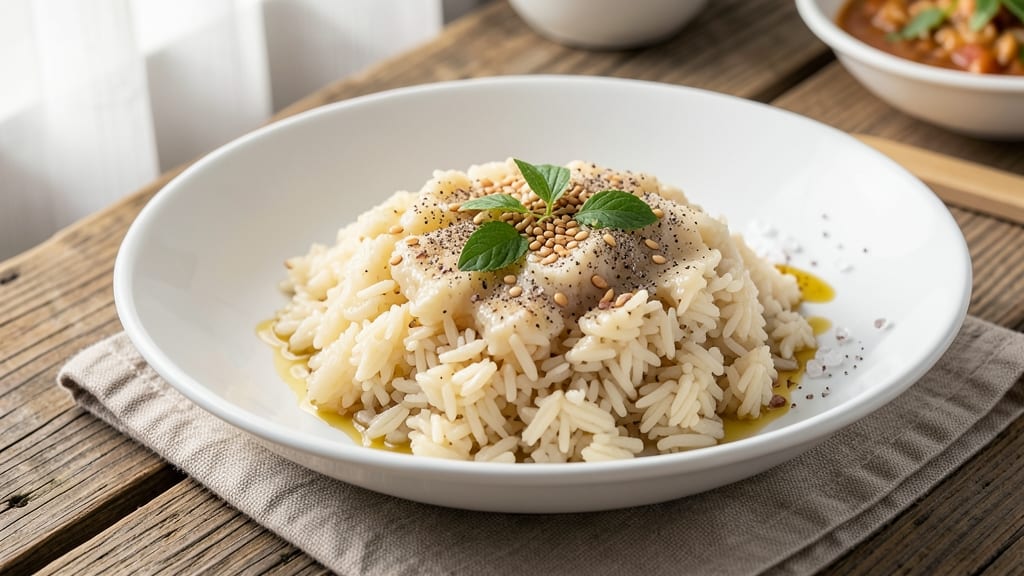
This Calrose rice recipe delivers toasted grain perfection with a simple stovetop method that transforms ordinary rice into a flavorful, aromatic side dish in just 15 minutes.
The secret lies in toasting the grains before cooking, which unlocks nutty depth and prevents mushy results—something you won’t find in basic recipes.
Whether you’re serving it alongside grilled meats or using it as a base for stir-fries, this technique ensures every bite is crisp at the edges and tender inside, with a subtle toasted aroma that elevates any meal.
What makes this recipe stand out is its foolproof approach—no fancy equipment, just a pot, water, and a little patience. The 1:1.5 water-to-rice ratio and a 10-minute resting period after cooking guarantee ideal texture every time.
For extra flavor, consider finishing with a sprinkle of garlic powder, toasted sesame seeds, or a drizzle of soy sauce for a quick upgrade. Perfect for weeknight dinners or meal prep, this method turns a basic staple into something restaurant-worthy.
Ingredients for calrose rice recipe stovetop
Toasted Calrose rice transforms ordinary grains into aromatic perfection with just eight ingredients.
| Ingredient | Amount | Notes |
|---|---|---|
| Calrose Rice 🍚 | 1 cup | Uncooked, medium-grain |
| Water 💧 | 1 ½ cups | Filtered preferred for clarity |
| Neutral Oil 🫒 | 1 tbsp | Vegetable or canola preferred |
| Salt 🧂 | ½ tsp | Diamond Crystal kosher preferred |
| Garlic Powder 🧄 | ¼ tsp | Freshly ground for best flavor |
| Toasted Sesame Seeds 🌾 | 1 tbsp | Optional garnish |
| Soy Sauce 🥢 | 1 tsp | Light or dark variety |
| Fresh Ginger 🌿 | ½ tsp | Finely grated, optional |
The quality of your rice makes all the difference. Calrose rice is ideal for this method—its medium grain holds up beautifully to toasting and maintains a satisfying texture. For best results, purchase uncooked Calrose rice from specialty Asian markets or the rice section of well-stocked grocery stores like Whole Foods or Trader Joe's. The neutral oil is crucial for even toasting; avoid strongly flavored oils like sesame or olive, which can overpower the delicate grains. Look for vegetable or canola oil in the baking aisle, where it’s typically sold in clear bottles for easy quality assessment—cloudiness or off-odors mean it’s past its prime.
No neutral oil? Butter works in a pinch, though it adds richness that may alter the final texture slightly. Skipping the garlic powder? Asafoetida powder at one-quarter teaspoon delivers a similar umami depth without the garlic flavor. For the sesame seeds, toasted white sesame seeds provide a milder taste compared to black, but both work beautifully. The ginger is truly optional—if you’re serving this with spicy dishes, omit it entirely to avoid flavor clashes. For extra aroma, consider adding a pinch of ground coriander to the toasting process, though it’s not listed in the core ingredients.
Once cooked, let the rice rest in the pot for the full 10 minutes—this critical step ensures even moisture distribution and prevents dryness. Store leftovers in an airtight container in the refrigerator for up to 5 days, though the texture will degrade slightly after 3 days. For meal prep, portion into glass containers with tight-sealing lids to maintain freshness. Reheat gently with a splash of water over low heat to restore moisture, or microwave with a damp paper towel covering the bowl for 20 seconds. The toasted aroma fades over time, so plan to serve within 2-3 days for optimal flavor.
Why You'll Love This Recipe
- No-Fuss Stovetop Magic: I swear by this method—just rice, water, a splash of oil, and garlic powder. No fancy gadgets, no measuring cups that never seem to fit, just done.
- Garlic Kiss Perfection: That little pinch of garlic powder? It’s the secret weapon. The rice comes out with a subtle, savory depth that makes plain rice feel like a gourmet upgrade.
- Lunchbox Hero: Between us, this rice reheats like a dream. Pack it cold for work or microwave it for a quick dinner—it’s my go-to for busy days (yes, even on a Tuesday night).
- Pantry Staple Savior: Calrose stays fluffy for days, and the oil keeps it from drying out. I make a big batch on Sundays, and it’s still delicious by Friday—no sad, mushy leftovers here.
Step-by-step instructions for perfect stovetop Calrose rice
Here's the precise method I use to achieve restaurant-quality Calrose rice every time.
Rinse the Calrose Rice Thoroughly
Place the 1 cup Calrose Rice in a fine-mesh strainer and rinse under cold running water for 30 seconds. Swirl the rice gently with your fingers to remove surface starch, then drain. Repeat this process two more times until the water runs completely clear. This step prevents the rice from becoming gummy or sticking together during cooking.
I always rinse rice before cooking—it makes a noticeable difference in texture. The goal is to remove excess starch while preserving the rice's natural structure. After rinsing, give the rice a final shake in the strainer to remove any remaining water droplets before transferring it to your pot.
Toast the Rice with Oil and Aromatics
Heat the 1 tbsp Neutral Oil in a medium saucepan over medium heat until shimmering but not smoking. Add the 1 cup Calrose Rice and stir constantly for 2-3 minutes until the rice grains turn a light golden brown and become fragrant. This toasting step develops nutty flavors and prevents the rice from becoming mushy.
While the rice toasts, add the 0.5 tsp Fresh Ginger and 0.25 tsp Garlic Powder, stirring to combine. The ginger will infuse subtle warmth while the garlic powder adds depth. Watch the rice closely—it should be evenly toasted but not burned. If it starts to darken too quickly, reduce the heat slightly and continue stirring.
Add Liquid and Seasonings
Pour in the 1.5 cups Water and bring the mixture to a gentle boil over medium-high heat. Once boiling, immediately reduce heat to low, add the 0.5 tsp Salt and 1 tsp Soy Sauce, then stir once to distribute the seasonings. The rice should be just covered by the liquid—this is critical for even cooking.
I like to use a lid with a small vent or slightly ajar lid during the initial cooking phase. This allows steam to escape gradually, preventing the rice from becoming too soft. The water should return to a simmer within 1-2 minutes—if it doesn't, reduce the heat further to maintain a gentle simmer.
Simmer to Perfect Texture
Cover the saucepan completely with a tight-fitting lid and simmer for 12-15 minutes without disturbing it. The rice is done when all the liquid has been absorbed and the grains are tender but still slightly firm to the bite. You'll know it's ready when the bottom of the pot makes a faint tapping sound when knocked—this indicates the rice has released enough starch to create its own moisture.
If you lift the lid and see any liquid remaining, return the pan to low heat for 1-2 minutes longer. Overcooking turns rice mushy, so timing is everything. Once done, remove from heat and let the rice steam undisturbed for 5 minutes—this resting period ensures even moisture distribution throughout each grain.
Fluff and Garnish for Presentation
Using a fork, gently fluff the rice from the bottom up to separate the grains. This step prevents clumping and creates that signature light, airy texture. Transfer the rice to a serving dish and sprinkle evenly with the 1 tbsp Toasted Sesame Seeds. The seeds add visual contrast and a nutty crunch that complements the rice's mild flavor.
For best results, serve immediately while the rice is still warm. The combination of toasted aroma, subtle ginger warmth, and umami from the soy sauce creates a perfectly balanced side dish that pairs beautifully with stir-fries, grilled proteins, or Asian-inspired meals. Each grain should be distinct, tender, and infused with the flavors developed during toasting.
Pro Tips For Making Calrose Rice Recipe Stovetop
- Rinse Until Clear: Calrose clings like glue if you skip this—run it under cold water until the rinse water runs completely clear. I learned this the hard way when my rice turned out gummy; the starch is the enemy here.
- Start High, End Low: Bring water to a boil hard before adding rice, then immediately drop to the lowest simmer possible. After burning two batches, I finally realized Calrose needs that initial shock to cook evenly—no half-done grains or scorched bottoms.
- Salt the Water: Toss in salt with the rice (about ½ teaspoon per cup) so it dissolves fully. I used to sprinkle it after and wondered why my rice tasted bland—distribution matters, especially with neutral oil’s subtle flavor.
- Cover Tight, No Peeking: Slam the lid on immediately after adding rice and resist the urge to lift it for 15 minutes—steam is your friend. My grandmother swore by this, and she was right: even a quick peek lets heat escape and ruins the texture.
Wine and beer pairings for this recipe
Crisp White Wine Pairings
A dry Sauvignon Blanc from New Zealand or Loire Valley is my go-to choice for this toasted Calrose rice. The wine's bright acidity and citrus notes—think grapefruit and green apple—cut through the rice's nutty depth while complementing the ginger's warmth.
I recommend chilling it to 45-50°F before serving to enhance its refreshing qualities. 🍷
Light Beer Complements
For beer lovers, a crisp Japanese lager like Asahi Super Dry or Sapporo provides the perfect balance. The subtle malt sweetness and clean finish won't overpower the rice's delicate flavors, while the effervescence cleanses the palate between bites.
If you prefer hoppier options, try a German Helles—its mild bitterness pairs beautifully with the toasted sesame seeds.
Rosé for Versatility
Dry Provence rosé works wonders with this rice, especially when serving it alongside grilled meats or seafood. The wine's red fruit notes and crisp acidity mirror the ginger's subtle warmth while adding a touch of elegance.
I like to serve it slightly chilled (50-55°F) to highlight its vibrant character without muting the rice's toasted aroma.
Avoid Heavy Options
Skip bold reds like Cabernet Sauvignon or full-bodied beers—they'll overwhelm the rice's delicate flavors. Even oaky whites like Chardonnay can clash with the ginger and soy sauce. Instead, opt for lighter options that let the rice's natural nuttiness shine while adding just enough contrast to elevate the dish.
Non-Alcoholic Alternatives
For a refreshing non-alcoholic pairing, try sparkling yuzu soda or ginger beer—both enhance the rice's ginger notes without alcohol's interference. A well-chilled green tea (like Sencha) also works beautifully, especially with sesame-garnished rice. The tea's vegetal notes complement the toasted grains perfectly. 💧
Nutrition facts
Frequently asked questions
Why does this recipe specify rinsing Calrose rice three times?
Rinsing removes excess surface starch that would otherwise make the rice gummy or sticky during cooking. The three-rinse method ensures each grain stays distinct and separate, giving you that perfect individual texture. Skipping this step often leads to clumping—especially important for toasted rice where you want those crisp edges.
Can I use a different type of rice in this stovetop method?
Calrose is ideal because its medium grain holds up beautifully to toasting, but you can try jasmine or sushi rice with similar results. Avoid long-grain varieties like basmati—they won't toast as nicely and may turn out too firm. For best flavor development, stick with medium-grain rices that absorb moisture well while maintaining shape.
What if my rice turns out mushy after cooking?
Mushy rice usually means either too much water or insufficient resting time. Next time, reduce water to 1.25 cups for 1 cup rice and always let it steam covered for 5-10 minutes after cooking. Also check your heat—medium-low simmer is key, not a rolling boil. The rice should absorb all liquid by the end of cooking.
How can I make this rice more flavorful without extra ingredients?
Boost flavor by toasting the rice longer (3-4 minutes) until deeply golden for nutty depth. Add 1/4 tsp of smoked paprika during toasting for subtle smokiness, or finish with a squeeze of lemon juice before serving. The natural starch released during cooking creates a perfect base for absorbing these simple enhancements.
Is this method safe for meal prep?
Yes, but store properly to maintain texture. Cool completely, then refrigerate in an airtight container for up to 5 days. For reheating, sprinkle with 1 tsp water per cup of rice and cover with a damp paper towel before microwaving (2 minutes on high). The toasted aroma fades slightly over time, so serve within 3 days for best flavor.