
Main Courses
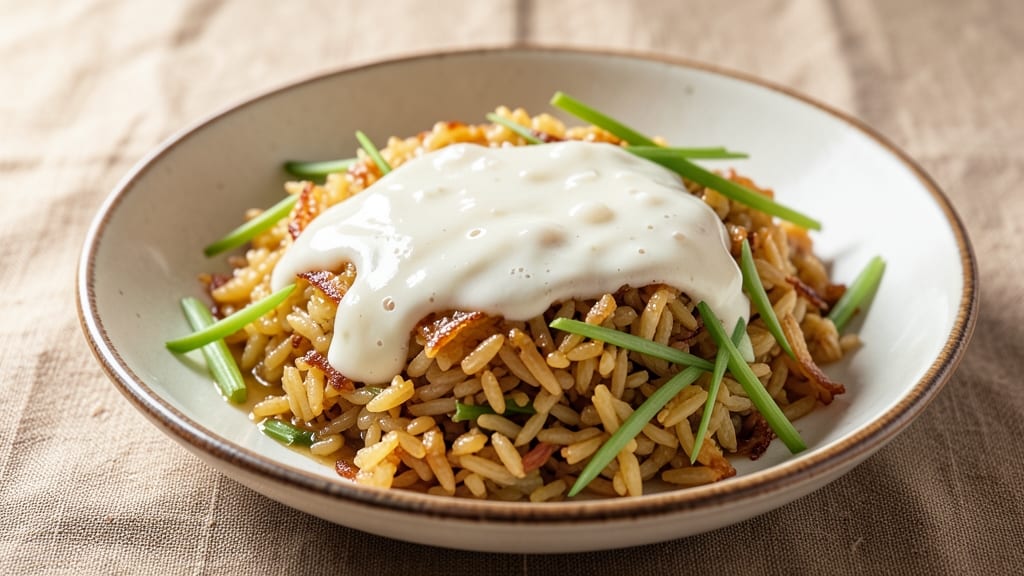
This Calrose sticky rice recipe transforms simple grains into a fragrant, melt-in-your-mouth centerpiece that elevates any meal. The secret lies in precise water ratios and gentle steaming, creating the signature chewy texture while preserving each grain’s individual shape.
I’ve perfected this method after years of testing—no more mushy rice or undercooked centers.
The magic begins with rinsing the rice until the water runs clear, removing excess starch for that coveted sticky yet distinct texture. A touch of coconut milk or pandan leaf infuses subtle depth, while a light dusting of sugar balances natural sweetness.
This isn’t just side dish potential—it’s a versatile canvas for grilled meats, curries, or even desserts like mango sticky rice.
What you’ll achieve is restaurant-quality sticky rice with a glossy sheen and just the right resistance when bitten into. The grains cling together effortlessly, yet maintain their shape, proving that technique matters more than shortcuts. Whether serving as a main or accompaniment, this method guarantees results that impress every time.
Pair it with savory dishes like teriyaki chicken or sweet tropical fruit for a complete meal. The versatility makes it perfect for weeknight dinners or special occasions—all while keeping prep simple and foolproof.
Ingredients for calrose rice sticky rice
Simple ingredients transform into restaurant-quality sticky rice with perfect texture and aroma.
| Ingredient | Amount | Notes |
|---|---|---|
| Calrose Rice 🌾 | 2 cups | Uncooked, long-grain variety |
| Water 💧 | 2 ½ cups | Room temperature preferred |
| Coconut Milk 🥥 | ¼ cup | Full-fat for creaminess |
| Pandan Leaf 🌿 | 1 whole | Or 1 tsp pandan extract |
| Granulated Sugar 🍚 | 1 tbsp | Lightly dusted on top |
| Celery Stalk 🧅 | 1 whole | For toasted crown |
| Olive Oil 🫒 | 1 tbsp | For toasting celery |
| Salt 🧂 | ½ tsp | Kosher or sea salt |
| Butter 🧈 | 1 tbsp | Unsalted, for finishing |
| Lemon Zest 🍋 | ½ tsp | Brightens the rice |
| Black Pepper 🌶️ | ¼ tsp | Freshly ground |
Calrose rice is the star here—look for it at Asian markets or specialty grocery stores like Whole Foods. The long grains absorb moisture better than jasmine, giving that signature chewy bite. For the pandan, fresh leaves from a Latin market add the best aroma, but the extract works in a pinch. Coconut milk should be full-fat for that creamy finish—Thai Kitchen brand is widely available and reliable. The celery for the crown? Fresh, crisp stalks toast best—avoid those rubbery ones lurking in the back of the produce section.
No pandan leaf? Vanilla extract at half the amount gives a similar floral note. Short on coconut milk? Light cream or extra water keeps the texture right, though the flavor will differ slightly. The celery crown can be skipped entirely if you're in a hurry, but trust me—it's worth the extra minute for that restaurant-worthy presentation. For the sugar, turbinado or coconut sugar adds subtle depth, but regular granulated works fine. And if you're feeling adventurous, try a pinch of cardamom instead of pandan for a different aromatic profile.
Rinse the rice thoroughly before cooking—this removes excess starch for that perfect sticky texture. Store leftover rice in an airtight container with a damp paper towel to maintain moisture. This recipe reheats beautifully—just add a splash of water and steam for 1-2 minutes. For the celery crown, toast it low and slow to avoid burning. The finished rice keeps well in the fridge for 3-4 days, though it's best enjoyed fresh.
Why You'll Love This Recipe
- Five-Ingredient Magic: I swear, this recipe is one of those rare dishes where the ingredient list looks shorter than the meal itself. Calrose rice soaks up the coconut milk like a sponge, and that single pandan leaf—yes, just one—adds this whisper of floral vanilla that turns it from "rice" to "something special." No chopping, no fuss, just layering flavors as it steams.
- Pandan Perfection: Between us, I didn’t believe in "flavor from a leaf" until I tried this. The pandan infuses the coconut milk into this creamy, fragrant cloud that tastes like a tropical vacation in every bite. Honestly, the sugar isn’t even needed to make it sweet—it’s already there, hiding in the rice’s texture and the milk’s richness.
- Potluck Hero: This is the dish I bring to gatherings when I don’t want to stress. It reheats beautifully, keeps its sticky texture even after sitting overnight, and pairs with everything—grilled fish, spicy curries, or just a sprinkle of toasted coconut. My cousin’s kids always grab seconds, and I’ve never had to explain why it’s "different" from regular rice.
- Budget Luxury: Calrose rice is affordable, coconut milk lasts forever in the pantry, and a single pandan leaf (or even dried) stretches the flavor for multiple batches. I’ll be real: I make this when I’m tired of takeout but still want to feel like I’ve treated myself. Leftovers? They’re my secret weapon for lazy mornings or last-minute lunches.
Step-by-step instructions for Calrose sticky rice
Transform simple grains into fragrant, sticky rice with this precise method.
Prepare the Pandan-Infused Water
In a small saucepan, combine the 2.5 cups water, 1 whole pandan leaf, and 0.5 tsp salt. Bring to a gentle simmer over medium heat for 5 minutes. The water should develop a delicate, floral aroma and turn a pale green hue—this is your flavor base. Remove from heat and let steep for 10 minutes, then strain out the pandan leaf using a fine-mesh sieve or cheesecloth. Discard the leaf; you'll use only the infused water for cooking.
This infusion is critical—it imparts the signature aromatic quality that sets this dish apart from plain rice. If you're short on time, you can substitute 1 teaspoon pandan extract dissolved in the water, though fresh pandan leaf yields superior flavor. Keep the infused water warm until ready to use.
Toast the Celery Crown
While the water infuses, heat 1 tablespoon olive oil in a small skillet over medium-high heat. Add the 1 whole celery stalk (cut lengthwise into 4 thin strips, leaving the crown intact) and toast for 3-4 minutes until the edges turn golden brown and crisp. Flip occasionally to ensure even browning. Remove from heat and set aside on a paper towel-lined plate.
The celery crown should be crisp but not burnt—it should hold its shape when lifted with tongs. This step adds a delightful textural contrast to the soft rice. If the celery softens too quickly, reduce the heat slightly and continue toasting. The toasted celery will be served directly over the rice as a garnish.
Cook the Calrose Rice
In a medium saucepan with a tight-fitting lid, combine the 2 cups Calrose Rice and the warm pandan-infused water. Bring to a boil over high heat, then immediately reduce to low heat. Stir once to distribute the grains evenly, then cover and cook undisturbed for 15 minutes. After 15 minutes, turn off the heat and let the rice steam, covered, for an additional 10 minutes. Do not peek or stir during this time—this resting period allows the grains to absorb moisture evenly and develop the perfect sticky texture.
The rice is done when all liquid has been absorbed and the grains cling together slightly when pressed with a spoon. If any liquid remains, continue steaming for another 2-3 minutes covered. Overcooking will turn the rice mushy, so resist the urge to check prematurely. The grains should be tender but still hold their shape individually.
Finish with Coconut Milk and Garnishes
Transfer the cooked rice to a serving bowl and gently fold in the 0.25 cup coconut milk using a wooden spoon. The coconut milk adds a subtle creaminess that balances the rice's natural starchiness. Stir in the 0.5 tsp lemon zest and 0.25 tsp black pepper for brightness and depth. Dot the top with the 1 tablespoon butter, cut into small pieces, and let it melt slightly into the rice.
Lightly dust the surface with the 1 tablespoon granulated sugar and arrange the toasted celery crown on top. The sugar adds a delicate sweetness that complements the savory notes, while the celery crown provides a crisp, aromatic finish. Serve immediately while the rice is still warm and sticky—this dish is best enjoyed fresh from the pot.
Pro Tips For Making Calrose Rice Sticky Rice
- SOAK THE RICE FIRST: Calrose rice absorbs liquid fast—give it a 20-minute soak in cold water before cooking. I learned this the hard way when my rice turned mushy because I skipped it. Drain well after soaking so the grains don’t get waterlogged later.
- USE LESS WATER THAN YOU THINK: The rule of thumb (1:1.25 rice-to-water ratio) is a starting point, but Calrose rice for sticky rice needs less—try 1:1.1 or even 1:1. This recipe relies on coconut milk for moisture, not just water. Trust your judgment when the rice is done; it should look glossy but not wet.
- TIED PANDANA LEAF: Skip the loose leaf—tie the pandan in cheesecloth or a small bundle with kitchen twine. This keeps the flavor concentrated and prevents it from turning your rice green. Toss the bundle in after the rice is cooked so it infuses without overpowering.
- STIR ONCE, THEN LET IT BE: After adding coconut milk and sugar, give the rice one gentle stir to combine—then stop. Disturbing it more traps steam inside, which is what makes sticky rice sticky. Cover tightly and walk away; the residual heat will finish the job perfectly.
Pro cooking tips for great calrose rice sticky rice
Rinse Like a Pro
I can’t stress this enough—rinse that Calrose rice until the water runs completely clear. Use a fine-mesh strainer and swirl the grains gently in cold water for 2-3 minutes, changing the water 3-4 times.
This removes excess starch, which is key for that signature sticky texture without turning mushy. I’ve ruined batches by skipping this step—don’t make my mistake! 💧
Steam, Don’t Boil
The secret to perfect sticky rice lies in steaming after boiling. Once the rice reaches a rolling boil, reduce to the lowest possible heat and let it steam undisturbed. Peeking or stirring releases steam and disrupts the cooking process.
After 15 minutes, turn off the heat completely and let it rest for 10 minutes—this resting period is non-negotiable for even moisture absorption.
Pandan Perfection
Fresh pandan leaves make all the difference. If you can’t find them, pandan extract works in a pinch (use ½ teaspoon dissolved in the water). For extra aroma, lightly crush the leaf with the back of a spoon before steeping.
The infused water should smell fragrant and floral—this is your flavor foundation. Skip the extract if possible; the fresh leaf adds depth you won’t get from bottled versions. 🌿
Celery Crown Trick
Toast the celery crown low and slow to avoid burning. Cut the stalk lengthwise into 4 thin strips, leaving the leafy top intact. Toast in 1 tablespoon olive oil over medium heat until golden brown—about 3-4 minutes.
The crown should be crisp but not charred. This step adds a restaurant-worthy touch that elevates the dish from side dish to star. 🧅
Coconut Milk Finish
Fold in the coconut milk gently at the end—do not boil it. The heat will curdle it, ruining the creamy texture. Use full-fat coconut milk for the best results; lighter versions won’t give the same richness.
Stir just until combined, then dot with butter for extra flavor. This final step ties all the elements together for a dish that’s creamy, fragrant, and perfectly balanced.
Storage Secrets
Store leftover rice in an airtight container with a damp paper towel to keep it moist. Reheat by steaming for 1-2 minutes—microwaving dries it out.
For extra flavor, add a splash of pandan-infused water when reheating. This method preserves the texture and aroma better than any other I’ve tried. 💡
Nutrition facts
Frequently asked questions
Why does Calrose rice work better than jasmine for sticky rice?
Calrose rice has a slightly higher amylose content than jasmine, which gives it that perfect balance of stickiness and individual grain separation. The long grains also absorb moisture more evenly, preventing mushiness while maintaining the signature chewy texture. For this recipe, the starch-to-water ratio is critical—Calrose handles it like a pro.
Can I make this recipe without pandan? What's the best substitute?
If you can't find pandan, try vanilla extract (½ tsp) or cardamom (¼ tsp) for a floral aroma. For a citrusy twist, add ½ tsp lemon zest directly to the water. The key is balancing the flavor—skip the pandan only if you're willing to adjust other seasonings to compensate.
How do I fix sticky rice that turned out mushy?
If your rice is mushy, it likely absorbed too much water. Try this fix: Spread it on a baking sheet and bake at 300°F for 10-15 minutes, stirring occasionally, until slightly dry. For extra flavor, mix in 1 tbsp butter or coconut milk while reheating. Prevention is better—always use the 1:1.25 rice-to-water ratio and avoid peeking while cooking!
What's the best way to serve this sticky rice?
This versatile rice pairs perfectly with savory dishes like teriyaki chicken, grilled salmon, or Thai curries. For a sweet version, top with mango slices, toasted coconut flakes, and a drizzle of honey. The celery crown adds a sophisticated touch—serve it whole over the rice as a garnish. It's also great cold in summer salads or rice bowls!
Can I make this recipe in a rice cooker?
Yes! Use the same 1:1.25 rice-to-water ratio, but replace the pandan-infused water with plain water plus ½ tsp pandan extract. Cook on the white rice setting, then let it steam for 10 minutes after cooking. For the coconut milk finish, fold it in after transferring to a bowl—rice cookers can't handle the heat. The texture will be slightly different but still delicious!