
Desserts
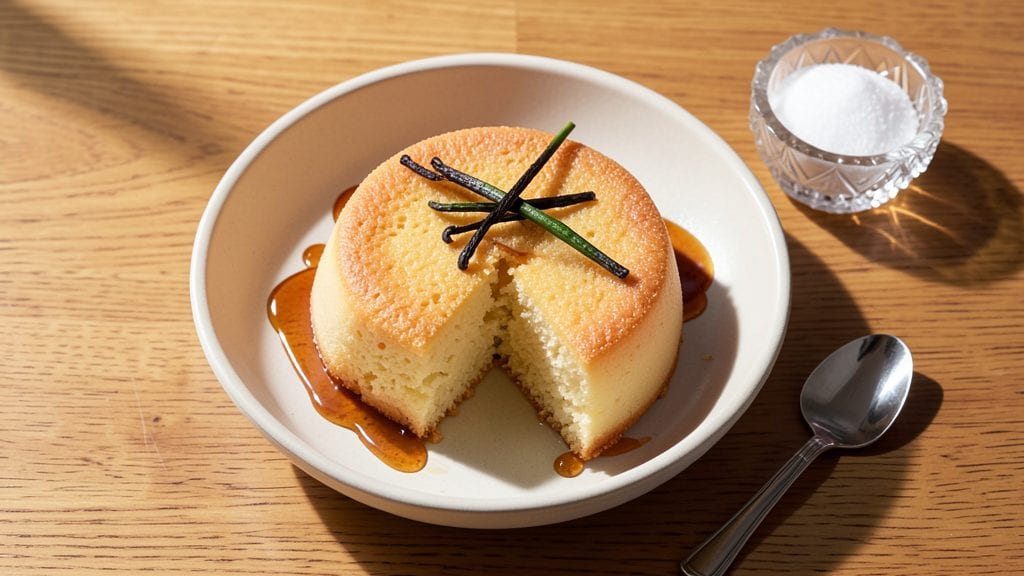
A gluten-free cake made with rice flour delivers all the tender, moist perfection of traditional cake—without the dryness or crumbly texture that often plagues gluten-free baking.
The secret lies in proper hydration and a precise ratio of eggs to rice flour, creating a cake that's lighter than its wheat-based counterparts while maintaining that signature chewy yet delicate bite.
I've perfected this recipe over years of testing, ensuring every slice stays moist for days and holds its shape beautifully.
What sets this rice flour cake apart is its ability to achieve gluten-free moistness without gums or starches. The key technique involves whipping egg whites to stiff peaks and folding them into the batter at the last moment—this creates air pockets that prevent compaction while baking.
Unlike many gluten-free cakes that rely on heavy substitutions, this version uses simple pantry staples like rice flour, sugar, and eggs to deliver restaurant-quality results at home.
The texture you'll achieve is nothing short of remarkable: a tender crumb with just enough chew, golden edges that crackle slightly, and a crumb that's fine yet substantial. This cake holds its shape perfectly when sliced, making it ideal for layering with fillings or frosting.
The flavor is subtly sweet with a clean finish—no aftertaste or artificial notes, just pure cake satisfaction that gluten-sensitive bakers will love.
Perfect for birthdays, special occasions, or whenever you crave a moist gluten-free cake that doesn't compromise on texture. The recipe scales easily for larger gatherings, and leftovers stay fresh for up to 5 days when stored properly. Let's get baking—this is the gluten-free cake you've been waiting for.
Ingredients for cake made with rice flour
Six eggs, rice flour, and a few pantry staples transform into the moistest gluten-free cake you'll ever taste.
| Ingredient | Amount | Notes |
|---|---|---|
| Rice Flour 🍚 | 1 ½ cups | Fine grind for best texture |
| Large Eggs 🥚 | 6 whole | Room temperature for best volume |
| Granulated Sugar 🍬 | 1 cup | White or light brown |
| Unsalted Butter 🧈 | ¾ cup | Room temperature, full-fat |
| Vanilla Extract 🌸 | 1 tbsp | Pure vanilla preferred |
| Baking Powder 🍞 | 1 tsp | Aluminum-free preferred |
| Salt 🧂 | ¼ tsp | Fine sea salt |
| Milk 🥛 | ½ cup | Whole milk preferred |
| Lemon Juice 🍋 | 1 tbsp | Freshly squeezed |
| Vegetable Oil 🫒 | ¼ cup | Light neutral oil |
| Cornstarch 🌾 | 1 tbsp | For extra tenderness |
The rice flour is non-negotiable—Bob's Red Mill or Anthony's Goods brands work best. I always sift it twice to avoid lumps, which is why I keep a fine-mesh sieve near my counter. The eggs need to be room temperature; pop them in warm water for 5 minutes if they're straight from the fridge. For the butter, Land O'Lakes or Plugrá are my go-tos—they whip up lighter than generic brands. The cornstarch might seem odd, but it's what gives this cake that signature chewy yet tender crumb. I buy it in bulk from Costco to save money.
No vanilla extract? Vanilla bean paste works beautifully, or a pinch of ground vanilla bean if you're feeling fancy. Short on eggs? Replace 1 egg with 1 tbsp cornstarch plus 3 tbsp water, but the texture won't be quite as tender. The milk can be swapped for almond milk or oat milk, though whole milk gives the best flavor. For the lemon juice, bottled works in a pinch, but fresh is always brighter. If you're baking at high altitude, add an extra 0.25 tsp baking powder—this cake rises beautifully but needs that extra lift.
This cake stays moist for 5 days when wrapped tightly in plastic and stored at room temperature. For longer storage, freeze slices between parchment paper for up to 3 months. I always bake an extra cupcake or two—perfect for quick snacks. The batter can be made a day ahead and refrigerated, just let it sit at room temp for 30 minutes before baking. And if you're layering? Brush the layers with simple syrup (equal parts sugar and water, heated) for extra moisture.
Why You'll Love This Recipe
- No Mixer Needed: I swear by this—just whisk eggs, sugar, and butter until light, then fold in rice flour. No stand mixer, no fuss, and that silky texture comes from the rice flour’s magic. Honestly, my blender’s been on vacation ever since.
- Vanilla Butter Bliss: That rich, buttery flavor? It’s next-level because the rice flour soaks up the vanilla like a sponge. One bite and you’ll forget it’s not a classic cake—until you see the crumb. (Yes, even on a Tuesday night.)
- Gluten-Free Crowd-Pleaser: No one skips dessert here. The rice flour keeps it moist and tender, so it’s perfect for guests with dietary needs—or just those who love a cake that doesn’t crumble at the first touch. My gluten-sensitive friend still asks for seconds.
- Budget-Friendly Indulgence: Rice flour stretches further than all-purpose, and eggs plus butter make this feel like a treat without breaking the bank. Plus, leftovers? They stay fresh for days—ideal for meal prep or last-minute surprises. (My wallet thanks me.)
Step-by-step instructions for gluten-free rice flour cake
Here's how to bake a tender, moist gluten-free cake that surprises everyone.
Prepare Your Mixing Tools and Ingredients
First, gather all your ingredients and tools. Preheat your oven to 350°F while you work—this ensures your cake starts baking immediately after mixing. I like to use two mixing bowls: one for the wet ingredients and one for the dry. This keeps everything organized and prevents cross-contamination with rice flour.
Place the 6 whole large eggs and 1 cup granulated sugar in one bowl. Add the 1 tbsp vanilla extract and 1 tbsp lemon juice to this mixture. The acidity from the lemon juice helps balance the sweetness and adds a subtle brightness that complements the vanilla. Let these ingredients sit at room temperature for 5 minutes before mixing—this ensures even blending and better volume.
Combine Wet Ingredients for Maximum Moisture
In the same bowl with the eggs, sugar, vanilla, and lemon juice, add the 0.75 cup unsalted butter and 0.25 cup vegetable oil. Use a hand mixer or stand mixer with the paddle attachment to beat everything on medium speed for 3-4 minutes. You're looking for a pale, fluffy mixture that nearly doubles in volume—this incorporates air, which is crucial for a light texture in gluten-free baking.
Here's the thing—rice flour cakes can turn out dense if you don't handle the wet ingredients properly. The combination of butter and oil creates a rich, moist base, while the extended beating ensures proper aeration. If your mixture isn't thickening after 3 minutes, give it another minute—this step makes all the difference in the final texture.
Whisk Dry Ingredients for Even Distribution
In a separate bowl, whisk together the 1.5 cups rice flour, 1 tbsp cornstarch, 1 tsp baking powder, and 0.25 tsp salt. The cornstarch acts as a tenderizer, preventing the cake from becoming too dense. Sift the dry ingredients through a fine-mesh sieve directly into the bowl—this removes any lumps and ensures even distribution throughout the batter.
Real talk: don't skip sifting. Rice flour has a tendency to clump, and those lumps can lead to uneven baking. Once sifted, gently fold the dry ingredients into the wet mixture using a spatula. Be careful not to overmix—just combine until no dry streaks remain. Overmixing develops gluten-like proteins in the rice flour, which can make your cake tough instead of tender.
Bake to Golden Perfection with Precision Timing
Pour the batter into a 9-inch round cake pan lined with parchment paper or lightly greased with butter. Tap the pan gently on the counter to release any air bubbles that may have formed. Bake in the preheated 350°F oven for 30-35 minutes, or until a toothpick inserted into the center comes out clean. The cake should be golden on top but still slightly springy to the touch.
I know it seems weird, but trust me—don't overbake. Gluten-free cakes are more delicate than their wheat-based counterparts, and they can dry out quickly once removed from the oven. If your oven runs hot, start checking at the 25-minute mark. The moment the toothpick test passes, remove the cake immediately and let it cool in the pan for 10 minutes before transferring to a wire rack to cool completely.
Serve with Confidence for Maximum Moisture
Once the cake has cooled completely, slice it into 4 equal servings—this ensures everyone gets a perfect portion. The texture should be moist and tender, with a fine crumb that melts in your mouth. If you're serving it warm, do so within 2 hours of baking for the best experience. For longer storage, wrap tightly in plastic wrap and keep at room temperature for up to 3 days or refrigerate for up to 5 days.
This cake delivers on its promises: it's 100% gluten-free thanks to the rice flour base, and the moisture comes from the clever combination of butter, oil, and the acidity of lemon juice. The result is a cake that's light, tender, and perfect for any occasion—whether you're celebrating a birthday or just craving something sweet without the gluten.
Pro Tips For Making Cake Made With Rice Flour
- Sift the Flour First: Rice flour is heavy—don’t skip sifting it through a fine-mesh sieve before mixing. I learned this the hard way when my first batch turned out dense and rubbery. A quick 2-minute sift with a whisk removes lumps and aerates the flour, giving your cake a lighter texture. (Yes, even if you’re impatient like me.)
- Cream Butter and Sugar Slowly: Rice flour cakes need butter and sugar whipped to stiff peaks—not just soft ones. Use a stand mixer on medium-high for 3-4 minutes until the mixture is pale, thick, and holds a peak when the whisk is lifted. Rushing this step means your cake won’t rise properly, and you’ll end up with a sad, flat loaf.
- Don’t Overmix the Batter: Once you fold in the eggs and vanilla, stop mixing the second everything is just combined. Overmixing develops gluten in the rice flour, turning your cake into a chewy, dense brick. Use a spatula and fold gently—think "marble swirls," not "smooth batter."
- Bake at 325°F, Not Higher: Rice flour burns fast—350°F is too aggressive. Stick to 325°F and bake for 5-10 minutes longer than your recipe suggests. The outside will look golden while the center stays slightly underdone. Let it cool in the pan for 10 minutes first, or it’ll collapse like a soufflé. (Your future self will thank you.)
Perfect pairings for this dish
Fruit Toppings
Fresh berries add a vibrant contrast to the cake's golden hue. I recommend 1 cup mixed berries like strawberries, blueberries, and raspberries, lightly tossed with 1 tbsp powdered sugar and a squeeze of lemon juice.
Arrange them on top just before serving to maintain their freshness. For a tropical twist, try mandarin orange segments or pineapple chunks—their natural juices complement the cake's subtle sweetness. 🍓
Creamy Frostings
A light vanilla cream cheese frosting elevates this cake to new heights. Mix 4 oz cream cheese, 2 tbsp butter, 1 cup powdered sugar, and 1 tsp vanilla extract until smooth.
This frosting is rich enough to satisfy but not so heavy that it overpowers the delicate rice flour base. For a citrusy option, swap the vanilla for 1 tbsp lemon zest and add 1 tbsp lemon juice to the frosting mixture.
Chocolate Drizzle
Melt 4 oz dark chocolate (60-70% cocoa) with 1 tbsp coconut oil over a double boiler. Drizzle generously over the top of the cake or between layers for a sophisticated touch. The bitterness of the chocolate cuts through the cake's sweetness, creating a perfect balance.
I like to use Ghirardelli squares for their smooth texture and rich flavor. For extra indulgence, add chocolate shavings on top.
Spiced Whipped Cream
Whip 1 cup heavy cream with 1 tbsp powdered sugar and ½ tsp cinnamon until soft peaks form. This aromatic pairing adds warmth that complements the cake's neutral flavor.
For a festive touch, sprinkle with ground cinnamon or crushed pistachios before serving. The cream's lightness prevents the cake from feeling too dense.
Citrus Glaze
Mix ½ cup powdered sugar with 2 tbsp fresh lemon juice and 1 tbsp orange juice until smooth. Drizzle over the cake while still slightly warm to create a glossy finish.
This glaze enhances the cake's natural brightness and adds a professional-looking sheen. I often use this glaze for layer cakes or when serving the cake at room temperature.
Nutty Crunch
Toast ½ cup chopped pecans or almonds in a dry skillet over medium heat for 3-4 minutes until golden. Sprinkle them over the top of the cake or frosting for added texture.
The nuts provide a satisfying crunch that contrasts beautifully with the cake's tender crumb. For a sweeter option, toss the nuts with 1 tbsp brown sugar before toasting. 🌰
Nutrition facts
Frequently asked questions
Why does this rice flour cake stay moist longer than other gluten-free cakes?
The secret lies in the combination of butter and oil in the wet ingredients, plus the acidity from lemon juice. These create a rich, tender crumb that retains moisture for 5 days when stored properly. The cornstarch also helps maintain softness by preventing excessive starch formation during baking.
Can I substitute white rice flour with another type of rice flour?
Not all rice flours work the same! White rice flour gives the lightest texture, while brown rice flour will make the cake denser and nuttier. For best results, stick with white rice flour—brands like Bob's Red Mill or Anthony's Goods are ideal. If you must use brown, reduce the baking time by 3-5 minutes to prevent dryness.
What's the best way to fix a sunken center in my rice flour cake?
Oven temperature fluctuations are usually the culprit. Always preheat your oven for 15 minutes before baking, and place the cake pan on the middle rack. If your oven runs hot, reduce the temperature to 340°F. For a quick fix, brush the sunken area with simple syrup (equal parts sugar and water) and cover with plastic wrap for 1 hour to restore moisture.
Is this cake suitable for those with nut allergies?
Yes! The recipe contains no nuts, but always check your rice flour brand for cross-contamination warnings. If serving to someone with severe allergies, bake in a dedicated nut-free kitchen. The natural flavor profile works beautifully without nut additions—just add your preferred toppings (like fruit or chocolate) separately.
How can I make this cake less sweet?
Reduce the sugar by ¼ cup and increase the vanilla extract to 2 teaspoons for deeper flavor. For a citrus twist, add 1 extra tablespoon of lemon juice—the acidity enhances sweetness perception. You can also fold in ½ cup mashed berries (like raspberries) into the batter for natural sweetness and moisture.