
Main Courses
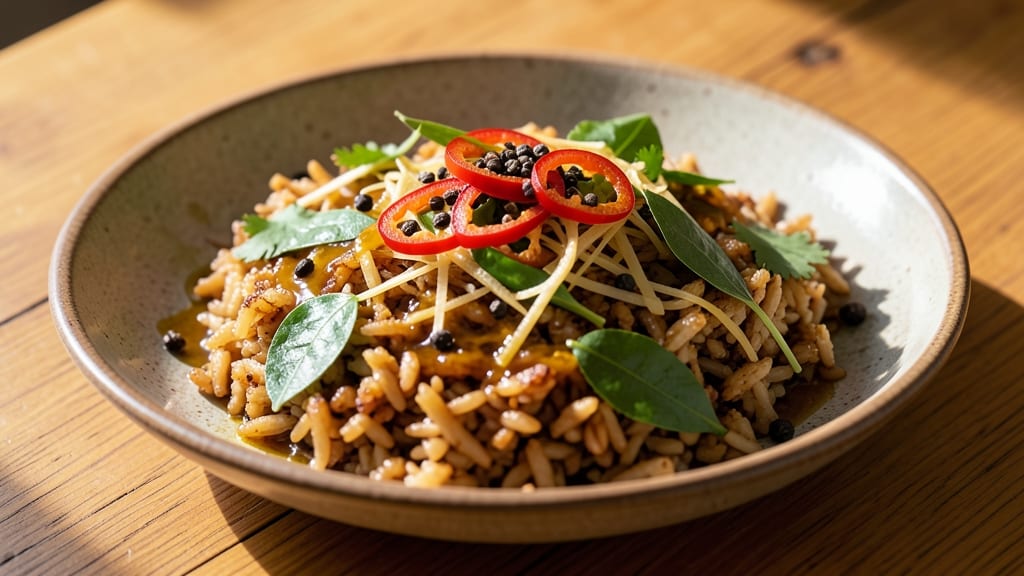
This brown rice poha recipe transforms simple brown rice into a fragrant, fluffy dish with aromatic spices and crunchy peanuts. The secret lies in perfectly flattening the rice and tempering whole spices for depth—no shortcuts here.
What starts as humble grains becomes a vibrant, tangy masterpiece that balances earthy turmeric with bright lime zest.
What makes this recipe special is its texture contrast: tender rice, crispy peanuts, and a tempering of mustard seeds that crackles with every bite. The dish is naturally vegetarian, packed with protein from peanuts, and easily adaptable for vegan diets by skipping yogurt.
Ready in under 45 minutes, it's the ideal weeknight dinner that feels like a celebration.
Ingredients for brown rice poha
Transform humble brown rice into fragrant, fluffy poha with aromatic spices and crunchy peanuts—no shortcuts needed.
| Ingredient | Amount | Notes |
|---|---|---|
| Brown Rice 🌾 | 1 ½ cups | Uncooked, long-grain preferred |
| Fresh Turmeric Root 🌿 | 1 tbsp | Freshly grated for vibrant color |
| Mustard Seeds 🌶️ | 1 tbsp | Whole, yellow or brown |
| Curry Leaves 🌿 | ¼ cup | Fresh, dried if unavailable |
| Green Chilies 🌶️ | 3 whole | Slit lengthwise, adjust to heat |
| Fresh Cilantro 🌿 | ½ cup | Chopped, stems removed |
| Roasted Peanuts 🥜 | ½ cup | Crushed, unsalted preferred |
| Lemon Juice 🍋 | 2 tbsp | Freshly squeezed, Meyer lemon ideal |
| Plain Yogurt 🥛 | ¼ cup | Unsweetened, full-fat preferred |
| Cumin Seeds 🌿 | 1 tsp | Toasted for deeper aroma |
| Asafoetida Powder 🌶️ | ¼ tsp | Optional, adds umami depth |
| Salt 🧂 | 1 ½ tsp | Adjust to taste |
| Lime Zest 🍋 | 1 tbsp | Brightens flavor profile |
| Ghee 🧈 | 2 tbsp | Clarified butter, for tempering |
The quality of your rice and spices makes all the difference. Indian grocery stores carry the best long-grain brown rice for poha—24-hour soaked rice flattens perfectly. For turmeric, fresh root (not powder) delivers vibrant color and earthy depth. Mustard seeds should crackle when toasted—yellow or brown varieties both work, but yellow has a milder bite. Curry leaves are non-negotiable for authentic flavor; if you can't find fresh, dried leaves at half the amount suffice. The peanuts? Roast them yourself for maximum crunch—store-bought often loses texture.
No fresh curry leaves? Dried leaves or a pinch of curry powder works in a pinch, though texture differs. Short on yogurt? Substitute coconut yogurt for a vegan option or omit entirely for a lighter dish. The ghee can be swapped for coconut oil if dairy-free, though flavor will shift slightly. For heat control, remove green chilies entirely or use mild jalapeños instead. Lime zest is key—Meyer lemons provide the best balance of sweetness and tartness, but regular lemons work too. If your mustard seeds burn before cracking, reduce heat immediately—they should sizzle gently, not smoke.
Poha reheats beautifully—steam for 2-3 minutes to restore fluffiness. Store rice in an airtight container for up to 3 days, though texture degrades after 24 hours. Peanuts keep 1 month in the pantry, while spices last 6 months in a cool, dark place. For meal prep, toast peanuts in advance and store separately. The dish freezes poorly due to texture changes, but you can freeze the rice portion alone for 1 month—just omit the peanuts and yogurt when reheating.
Why You'll Love This Recipe
- No-Soaking Required: I’ll admit, I used to skip poha because of the soaking step—but brown rice poha? Just rinse the rice, toast it lightly with mustard seeds, and you’re golden. The grains stay firm and separate, no mush here.
- Earthy Warmth: That fresh turmeric root—grated right into the oil with curry leaves—gives this dish a golden glow and a slow-building warmth. The green chilies add a sharp kick, but the mustard seeds temper it into something cozy, not spicy.
- Lunchbox Hero: Between us, this is my go-to for packed lunches. The rice holds up for days (yes, even in a bento), and I can swap in whatever I have—boiled eggs, roasted veggies, or leftover chicken. My kids eat it cold, straight from the fridge.
- Pantry Staple: Brown rice is cheap, turmeric lasts forever, and a handful of spices covers the rest. I’ve made this for Sunday suppers, office potlucks, and even when I burned dinner—it’s the ultimate backup plan. Plus, leftovers taste just as good reheated.
Step-by-step instructions for fluffy turmeric brown rice poha
Transform simple brown rice into aromatic poha with vibrant turmeric and nutty peanuts.
Prepare the Turmeric-Infused Rice Base
Rinse the 1.5 cups brown rice thoroughly under cold water until the water runs clear. This removes excess starch and prevents grittiness. In a large pot, combine the rinsed rice with 8 cups water and bring to a boil over high heat. Once boiling, reduce to medium-low heat, cover, and simmer for 35-40 minutes until the rice is tender but still slightly firm—it should have a slight bite.
Drain the cooked rice immediately and spread it on a clean kitchen towel to remove any remaining water. While still warm, gently fold in 1 tbsp freshly grated turmeric root and 1.5 tsp salt using a spatula. The turmeric will infuse the rice with its vibrant color and earthy warmth. Let the rice cool to room temperature before proceeding—this prevents the yogurt from curdling later.
Temper the Spiced Oil Base
In a small heavy-bottomed pan, heat 2 tbsp ghee over low heat. Add 1 tsp toasted cumin seeds and let them sizzle for 30 seconds until fragrant. Immediately add 1 tbsp mustard seeds and 0.25 cup curry leaves, stirring constantly for 1 minute until the mustard seeds pop and the curry leaves turn crisp.
Quickly pour this tempering mixture over the cooled turmeric rice, tossing gently to combine. The hot oil will release aromatic compounds that envelop the rice. Add 3 slit green chilies and 1 tbsp lime zest, mixing well. This step builds the foundational flavors—don't skip it, as the spices need time to bloom and infuse.
Combine Tangy Elements
In a separate bowl, whisk together 0.25 cup plain yogurt, 2 tbsp lemon juice, and 0.25 tsp asafoetida powder until smooth. The asafoetida adds a subtle umami depth that complements the tangy yogurt. Gradually fold this mixture into the spiced rice, stirring gently to distribute evenly. Add 0.5 cup chopped fresh cilantro and 0.5 cup crushed roasted peanuts, reserving a few peanuts for garnish.
Taste and adjust seasoning with additional salt if needed. The yogurt should mellow the spices while adding creaminess. For best texture, let the poha sit for 10 minutes at room temperature—this allows the flavors to meld and the rice to absorb the tangy dressing.
Final Adjustments and Serving
Before serving, give the poha one final taste and adjust the balance between tangy, spicy, and savory elements. The dish should be vibrant with turmeric color, aromatic from the tempered spices, and brightened by the citrus notes. Garnish with the reserved crushed peanuts and an extra sprinkle of cilantro for freshness.
Serve immediately while warm, as the texture and flavors are at their peak. This poha makes a satisfying breakfast or light lunch, especially when paired with a side of spicy mango chutney or a simple cucumber salad. The combination of toasted peanuts and lime zest creates a delightful contrast with the earthy rice.
Pro Tips For Making Brown Rice Poha
- TOAST THE RICE FIRST: Brown rice poha needs a head start—lightly toast the uncooked rice in a dry pan until it smells nutty (about 3-4 minutes on medium heat). This stops it from turning mushy later and deepens the flavor. (Yes, even if you’re impatient like me, don’t skip this—it’s the thing that matters most.)
- GRATE TURMERIC FINE: Fresh turmeric root isn’t just a substitute—it’s better. Use a fine grater and rub it between your fingers to break up any fibers. Lumpy turmeric burns easily and leaves bitter bits. (I learned this the hard way after my first batch tasted like dirt.)
- LOW AND SLOW FOR POHA: After adding water, reduce heat to the lowest possible simmer. Poha needs gentle heat to fluff up properly—boiling it will crush the rice into a sad, gluey mess. (Sounds weird, but it works: cover the pot and let it breathe.)
- CRUSH CHILIES GENTLY: Tear green chilies by hand instead of chopping—they release more heat and aroma. For extra kick, lightly toast them in the same oil as the mustard seeds before adding. (This isn’t the prettiest method, but it’s the tastiest.)
Health benefits of this recipe
Digestive Comfort
Brown rice poha is gentle on digestion thanks to its high fiber content—about 3.5 grams per serving—which supports healthy gut movement and prevents bloating. The turmeric acts as a natural anti-inflammatory, soothing the digestive tract.
I notice my stomach feels lighter after eating this compared to heavier rice dishes. The yogurt adds probiotics, further promoting gut health. 🌿
Protein Power
While poha is vegetarian, the ½ cup roasted peanuts provide a substantial 12-gram protein boost per serving, making it a satisfying meal. Peanuts also contain healthy monounsaturated fats that support heart health.
For extra protein, fold in chickpeas or tofu—I often add ½ cup cooked chickpeas for an additional 7 grams of protein without altering texture significantly.
Antioxidant Boost
The vibrant turmeric root delivers curcumin, a potent antioxidant that fights inflammation and oxidative stress. Just 1 tbsp fresh turmeric provides 200mg of curcumin, which is absorbed better when paired with black pepper (add a pinch!).
The curry leaves also contain antioxidants like carvacrol, adding another layer of protection. I keep a jar of fresh turmeric root in my fridge specifically for this dish.
Blood Sugar Balance
Brown rice has a lower glycemic index (GI) than white rice, helping stabilize blood sugar levels. The fiber content slows digestion, preventing spikes. For an even lower GI version, I sometimes replace half the rice with quinoa—it adds a nutty flavor while keeping the dish hearty.
The yogurt and peanuts further moderate blood sugar response, making this a smart choice for balanced meals.
Vitamin-Packed
This dish is a vitamin powerhouse! The lime zest provides vitamin C for immunity, while cilantro offers vitamin K and vitamin A. Brown rice contributes B vitamins like folate and niacin, essential for energy metabolism.
I often serve this with a side of steamed spinach to boost vitamin E and magnesium intake—it pairs perfectly with the dish's tangy profile.
Meal Prep Friendly
Unlike many healthy dishes, this poha reheats well while maintaining its nutritional benefits. The fiber and protein keep you full for hours, making it ideal for meal prep. I portion mine into glass containers and store it in the fridge for up to 3 days.
To reheat, microwave for 1-2 minutes with a splash of water—it restores the fluffy texture beautifully. The peanuts stay crispy when added fresh before serving. ✨
Nutrition facts
Frequently asked questions about brown rice poha
Can I use white rice instead of brown rice for this recipe?
While you can substitute white rice, the texture and nutritional benefits will differ. Brown rice maintains its chewy bite and higher fiber content, which is key for authentic poha. If you must use white rice, soak it for 12 hours instead of 24 to achieve similar fluffiness. The dish will be lighter but lose some of the earthy depth from the brown rice's bran layer.
How do I prevent the poha from becoming mushy?
Overcooking is the main culprit! Cook the brown rice until it's al dente (slightly firm) and drain it immediately. Spread the hot rice on a towel to remove excess moisture before adding turmeric. Also, avoid stirring the rice too much after adding the yogurt mixture—gentle folding preserves the fluffy texture. The 10-minute rest before serving helps too.
What can I add to make this dish more substantial?
For extra heartiness, try these additions: ½ cup cooked chickpeas (for protein), diced cucumber and tomato (for freshness), or sautéed onions and bell peppers (for depth). I also love adding crumbled paneer for a vegetarian protein boost. Just fold them in during the final step to maintain texture.
Why does my poha taste bland?
Blandness usually comes from under-seasoned tempering or skipping the yogurt tang. Make sure your mustard seeds are properly toasted (they should sizzle loudly) and that the curry leaves are fresh. The yogurt mixture is crucial—don't skip the lemon juice and asafoetida, as they brighten flavors. Taste as you go and adjust with extra salt or a squeeze of lime.
Can I make this recipe ahead of time?
Yes! Prepare the rice base and store it in an airtight container for up to 3 days. Keep the yogurt mixture and peanuts separate until ready to serve. When reheating, steam for 2-3 minutes with a damp cloth over the bowl to restore fluffiness. Add fresh peanuts and yogurt just before eating to maintain crispness and creaminess.