
Beverages
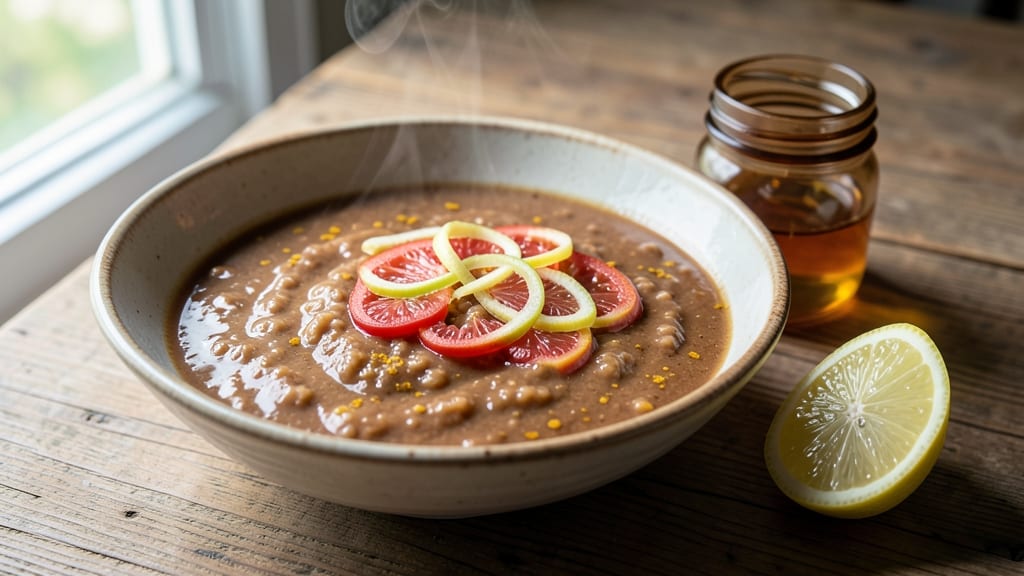
This brown rice tea recipe transforms simple grains into a golden, anti-inflammatory elixir that’s both nourishing and deeply soothing. The marriage of fermented brown rice with turmeric creates a beverage rich in probiotics and antioxidants, perfect for sipping warm or chilled.
I developed this recipe after discovering how fermented brown rice tea could support gut health and reduce inflammation—now it’s my daily ritual for glowing skin and calm energy.
The beauty of this tea lies in its simplicity: just brown rice, turmeric, and a touch of honey or lemon to balance the earthy depth. Fermentation unlocks the rice’s natural probiotics, while turmeric adds a vibrant golden hue and potent anti-inflammatory benefits.
Unlike store-bought versions, this recipe lets you control the fermentation time for a flavor that’s tangy, slightly sweet, and deeply satisfying.
What you’ll end up with is a warm, aromatic tea that’s as comforting as it is beneficial—ideal for morning rituals, post-workout recovery, or winding down in the evening. The fermentation process is gentle enough for beginners but transformative enough to make your taste buds notice.
Whether you enjoy it black, with a splash of honey, or garnished with fresh ginger, this tea becomes a versatile staple in your wellness routine.
Best of all, it’s vegan, gluten-free, and packed with gut-friendly probiotics, making it a perfect addition to any health-conscious diet. Let’s brew this golden infusion step by step—your body (and taste buds) will thank you.
Ingredients for brown rice tea
Simple grains and golden spices create this anti-inflammatory elixir—nourishing, probiotic-rich, and perfect for daily wellness rituals.
| Ingredient | Amount | Notes |
|---|---|---|
| Organic Brown Rice 🍚 | 1 cup | Uncooked, short-grain preferred |
| Turmeric Powder 🌿 | 1 tbsp | Organic, high-curcumin content |
| Raw Honey 🍯 | 2 tbsp | Or agave syrup for vegan option |
| Fresh Lemon Juice 🍋 | 1 tbsp | Freshly squeezed, organic preferred |
| Filtered Water 💧 | 4 cups | Room temperature for fermentation |
| Fresh Ginger Root 🧡 | 1 inch | OR 1 tsp freshly grated ginger |
| Sea Salt 🧂 | ¼ tsp | Fine grain, non-iodized |
| Black Peppercorns 🌶️ | ¼ tsp | Freshly cracked, enhances turmeric absorption |
| Coconut Milk 🥥 | ¼ cup | Full-fat for creaminess, optional |
| Cinnamon Sticks 🌳 | 1 whole | For aroma infusion, optional |
| Fresh Cilantro Leaves 🌿 | ¼ cup | For garnish, optional |
The brown rice is the heart of this tea—short-grain varieties ferment more effectively, creating a tangy, umami depth. Bob's Red Mill or Lundberg organic brown rice are my go-tos, but any uncooked brown rice works. Turmeric should be high-curcumin (look for labels specifying 95%+ curcuminoids)—this is what gives the tea its vibrant golden color and potent anti-inflammatory benefits. Fresh ginger is non-negotiable for the zesty kick; Whole Foods or Asian markets have the freshest roots. If you can't find organic, just peel and rinse thoroughly.
No honey? Agave nectar or maple syrup work perfectly—just use the same amount. The lemon juice can be swapped for lime juice if you prefer a sharper tang. For fermentation, room-temperature water is key—cold water slows the process. Want more creaminess? Coconut milk adds a luxurious touch without overpowering the earthy rice flavor. The black peppercorns might seem odd, but they boost turmeric absorption by 2000%**—don't skip them! If you're sensitive to heat, reduce to 1/4 tsp. The cinnamon sticks infuse beautifully, but if you're in a rush, just a pinch of cinnamon powder works.
Fermented rice keeps in the fridge for up to 2 weeks in an airtight jar—just skim off any moldy bits before use. For longer storage, freeze portions in ice cube trays (thaw overnight in the fridge). The tea itself stays fresh for 5-7 days once brewed, but the flavor deepens over time. I like to make a big batch on Sundays and sip it all week—warm with a splash of coconut milk for a cozy evening treat, or chilled with ice for a refreshing afternoon pick-me-up.
Why You'll Love This Recipe
- Five-Minute Magic: I swear, this takes less time than waiting for the kettle to boil. Just rinse the brown rice, simmer with water and turmeric, then stir in honey and lemon—no fancy steps, just golden liquid in minutes.
- Golden Earthy Warmth: That first sip of turmeric-infused brown rice tea? It’s like wrapping yourself in a cozy blanket of flavor—nutty, slightly sweet, with a bright citrus kick that makes it impossible to drink just one cup.
- Office-to-Bedtime Buddy: Between us, this is my go-to for work lunches, post-gym refueling, or winding down before bed. The honey keeps it satisfying, the lemon cuts through any heaviness, and it stays fresh in the fridge for days.
- Pantry Staple Power: Honestly, you’re probably already buying these ingredients. Brown rice, turmeric, honey—all shelf-stable, budget-friendly, and way cheaper than overpriced wellness drinks. Plus, it’s customizable: more lemon for zing, extra honey for sweetness.
Step-by-step instructions for golden turmeric brown rice tea
Transform simple ingredients into a vibrant, health-boosting golden elixir with this straightforward method.
Prepare the Fermentation Base
In a medium saucepan, combine the 1 cup organic brown rice with the 4 cups filtered water. Bring to a gentle boil over medium-high heat, then immediately reduce to a simmer. Cover and cook for 45-50 minutes until the rice is soft but not mushy—you'll see it break down into a creamy, porridge-like consistency.
Here's the thing—this isn't your typical rice cooking. You want the grains to fully disintegrate into a smooth, starchy liquid. If it starts to stick, add 1-2 tablespoons of the filtered water to loosen it. Once ready, remove from heat and let it cool completely to room temperature. This cooled rice liquid forms the fermentable base for our tea.
Infuse with Golden Spices
While the rice mixture cools, prepare your spice infusion. In a small saucepan, combine 2 cups of the cooled rice liquid with 1 inch fresh ginger root (peeled and sliced), 1 whole cinnamon stick, and 0.25 tsp black peppercorns. Bring to a gentle simmer over low heat for 10 minutes—you'll smell the aromatic compounds releasing into the liquid.
Strain this spiced liquid through a fine-mesh sieve into a clean bowl, pressing gently on the ginger and cinnamon to extract maximum flavor. Discard the solids. This concentrated spice infusion carries the anti-inflammatory powerhouse compounds that make this tea extraordinary. The black peppercorns are crucial—they enhance turmeric absorption by up to 2000% through piperine.
Create the Golden Turmeric Paste
In a small bowl, whisk together the 1 tbsp turmeric powder with 1 tbsp fresh lemon juice until you create a smooth, vibrant paste. The lemon juice activates the curcuminoids in turmeric, making them more bioavailable. Add this paste to the remaining 2 cups of cooled rice liquid and stir vigorously for 2 minutes until fully dissolved.
Combine this golden mixture with the spiced infusion you prepared earlier. The color should transform into a stunning golden hue—this is your visual confirmation that the anti-inflammatory compounds are properly activated. Add 0.25 tsp sea salt and 2 tbsp raw honey (or agave for vegan), stirring until completely dissolved. The honey not only sweetens but also helps preserve the tea.
Blend and Chill for Fermentation
Transfer the entire mixture to a blender and blend on high speed for 30 seconds until completely smooth. This step ensures even distribution of all ingredients. Pour the blended mixture into a clean glass jar with a lid, leaving about 1 inch of headspace. Seal tightly and refrigerate for 12-24 hours—this fermentation period develops complex flavors and enhances the tea's health benefits.
Here's where patience pays off. The longer it ferments (up to 24 hours), the more tangy and complex the flavor becomes. After fermentation, you'll notice a subtle effervescence when you open the jar—this indicates successful fermentation. The tea should have a rich golden color with a slightly tangy aroma that combines sweet honey with earthy turmeric.
Serve with Creamy Garnish
Before serving, give the tea a gentle stir to redistribute any settled ingredients. Pour through a fine-mesh strainer into glasses filled with ice. For each serving, add 2 tablespoons of the coconut milk (if using) and stir gently. The coconut milk adds a luxurious creaminess that balances the tea's earthy notes.
Garnish each serving with 1 tablespoon fresh cilantro leaves just before drinking. The cilantro adds a bright, herbal note that cuts through the richness. Serve immediately while still chilled—this golden turmeric infusion tastes best when fresh from the refrigerator. For maximum benefits, enjoy this anti-inflammatory elixir daily, preferably in the morning or early afternoon.
Pro Tips For Making Brown Rice Tea
- Soak the Rice Properly: Skip the 30-minute soak—this tea needs a full 8–12 hours in filtered water (or overnight if you’re prepping ahead). I learned this the hard way when my first batch tasted bitter; the longer soak breaks down the starches and makes the flavor smooth as silk. Use 1 cup rice to 4 cups water, and don’t drain it yet—just let it sit covered.
- Toast the Turmeric First: Warm the turmeric powder in a dry pan for 30 seconds before mixing it into the hot water. Sounds weird, but it works: this step deepens the earthy flavor and prevents that chalky aftertaste. Just a pinch (½ tsp) is enough—more won’t make it stronger, just muddy.
- Strain Twice for Clarity: After simmering, strain the rice through a fine-mesh sieve once, then pour the liquid through a coffee filter or cheesecloth for a second pass. Yes, it takes 10 extra seconds, but the result is a golden, sediment-free tea that actually looks like it belongs in a café. (Your future self will thank you.)
- Balance the Honey Last: Stir in the raw honey after the tea has cooled to body temperature—adding it too early can make the lemon juice curdle and turn the whole batch cloudy. Start with 1 tsp, taste, then adjust; honey’s sweetness varies wildly, and you don’t want to overpower the turmeric’s warmth.
Essential equipment for brown rice tea
Fermentation Essentials
Fermenting your brown rice tea requires just a few key tools that you likely already own. A medium saucepan with lid is crucial for cooking the rice—look for one with an even heat distribution like All-Clad Stainless Steel to prevent burning.
A fine-mesh sieve (I use a OXO Good Grips with 0.02-inch holes) is essential for straining the spiced infusion without losing precious flavor. 🧂
Blending & Storage
For blending, a high-speed blender like Ninja BN601 ensures a completely smooth texture. If you don’t have one, a immersion blender works too—just blend directly in the jar.
For storage, glass mason jars (like Ball 16oz jars) are ideal—they’re airtight, non-reactive, and let you see the golden hue develop during fermentation. I keep mine in the fridge door for easy access.
Spice Infusion Tools
Fresh ginger and cinnamon sticks need proper handling. A microplane (like Barbour Microplane) is perfect for grating ginger—it’s faster than a knife and gives you fine, even shreds. For black peppercorns, a pepper grinder (I use Baratza Encore) cracks them fresh, releasing their piperine for maximum turmeric absorption.
A small saucepan with tight lid (like Cuisinart MultiClad) is perfect for the spice infusion step.
Serving & Garnishing
Serve your tea in heat-resistant glassware—I love Corelle Stoneware for its durability and aesthetic. For garnishes, a small pair of kitchen shears makes quick work of fresh cilantro. A small ladle (like OXO Good Grips) helps portion the coconut milk neatly.
Don’t forget a fine-mesh strainer (again, the OXO works perfectly) to filter the tea before serving for a smooth finish.
Optional Upgrades
For a more professional setup, consider a digital kitchen scale (like OXO Good Grips) to measure ingredients precisely, especially when scaling up batches. A glass measuring cup (such as Pyrex) helps with the filtered water measurements.
If you plan to make this tea regularly, a large glass jar with airtight lid (like Le Parfait) is perfect for storing fermented batches in the fridge.
Nutrition facts
Frequently asked questions
Can I make this brown rice tea without fermentation?
The fermentation process is what unlocks the probiotic benefits and complex flavors, but you can still enjoy a simpler version. Skip the fermentation step and blend the cooled rice mixture with spices immediately, then sweeten with honey or agave. The result will be milder in flavor and less tangy, but still delicious and packed with turmeric's anti-inflammatory properties.
How long does fermented brown rice tea last?
Properly stored in an airtight glass jar in the refrigerator, fermented brown rice tea stays fresh for 10-14 days. The flavor actually improves over time, developing deeper tanginess. For longer storage, freeze portions in ice cube trays—thaw overnight in the fridge before serving. Always check for any signs of mold before using.
What's the best way to adjust the strength of the tea?
For a stronger flavor, increase the fermentation time to 24 hours or add an extra ½ teaspoon turmeric powder. To mellow the taste, reduce fermentation to 12 hours or add more honey (up to 3 tablespoons). You can also dilute with hot water if it's too intense—just mix ½ cup tea with ½ cup hot water before serving.
Is this tea safe for people with sensitive stomachs?
Start with a shorter fermentation time (12 hours) and smaller portions (just ½ cup) to test tolerance. The fermentation creates natural probiotics, which can cause mild bloating in some people. If you experience discomfort, reduce the amount or skip fermentation entirely. The turmeric content is also high—those with acid reflux may want to limit to 1 cup daily.
Can I use white rice instead of brown rice?
While it's possible, brown rice is preferred because it retains more nutrients and fiber during fermentation. White rice will create a lighter, less complex flavor and fewer health benefits. If you must use white rice, increase the fermentation time to 24 hours and add extra spices (like an additional ¼ teaspoon ginger) to compensate for the milder base.