
Main Courses
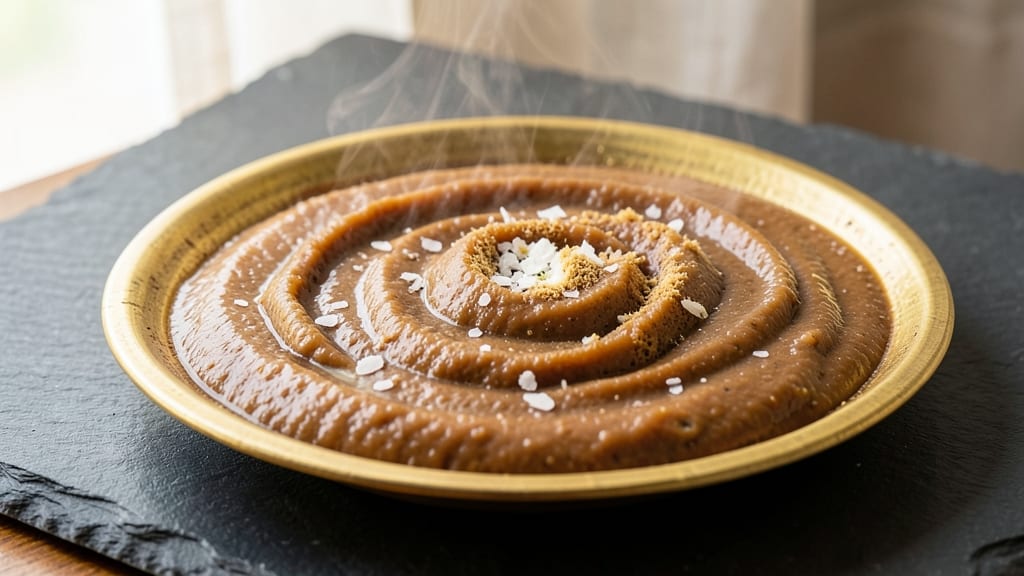
This brown rice idli batter recipe transforms whole grains into light, fluffy idlis with South Indian soul—no compromise on nutrition or flavor. 🌱 The secret lies in perfect fermentation: soaking brown rice overnight and balancing rice-to-water ratios for a tender yet sturdy batter that steams into golden, airy idlis with crisp edges.
Unlike white rice idlis, this version keeps the goodness of fiber and nutrients while delivering that signature fluff. Traditional methods use overnight fermentation at room temperature, but modern shortcuts with yeast or a pressure cooker speed up the process without sacrificing texture.
Pair with coconut chutney or sambar for a complete, protein-rich meal.
Ingredients for brown rice idli batter
Whole grains and traditional spices create fluffy, protein-rich idlis with South Indian authenticity.
| Ingredient | Amount | Notes |
|---|---|---|
| Brown Rice 🌾 | 1 cup | Uncooked, long-grain preferred |
| Urad Dal (Black Gram) 🌱 | ¼ cup | Split, skinless dal |
| Rice Flour 🌾 | ½ cup | Fine-ground for smooth batter |
| Filtered Water 💧 | 1 ½ cups | Room temperature preferred |
| Active Dry Yeast 🍞 | ¼ tsp | For fermentation shortcut |
| Salt 🧂 | ½ tsp | Diamond Crystal preferred |
| Fenugreek Seeds 🌿 | ¼ tsp | Toasted for aroma |
| Cumin Seeds 🌶️ | ¼ tsp | Toasted for depth |
| Asafoetida Powder 🌿 | ⅛ tsp | Hing, for umami |
| Coconut Oil 🫒 | 1 tbsp | For greasing idli molds |
| Lemon Juice 🍋 | 1 tbsp | Freshly squeezed |
| Coconut Milk (Optional) 🥥 | ¼ cup | For richer texture |
The brown rice is the foundation—opt for long-grain varieties like Basmati or Sonamasuri for ideal texture. Whole Foods or Indian specialty stores carry excellent options, but any organic brown rice works. The urad dal must be skinless and split—check the label or ask for parboiled urad dal at Indian markets. Toasting the dal lightly before soaking enhances flavor, though it's optional. For the fenugreek and cumin seeds, Penzeys Spices offers high-quality whole seeds; toast them in a dry pan until fragrant for maximum aroma. The asafoetida (hing) is non-negotiable—it provides that signature umami depth. If unavailable, garlic powder at half the amount works as a substitute, though purists insist on the real thing.
No yeast? Traditional fermentation works best with overnight soaking (10-12 hours) at room temperature—cover with a damp cloth to prevent drying. For a quick version, the active dry yeast cuts fermentation time to 4-6 hours, though texture may differ slightly. The coconut milk adds richness but isn't essential; substitute with extra water if needed. For the lemon juice, fresh is ideal, but bottled works in a pinch. If your batter seems too thick after soaking, add filtered water 1 tbsp at a time until it reaches a pourable yet thick consistency—similar to heavy cream. The coconut oil should be melted before greasing molds for even distribution. For vegan authenticity, ensure all ingredients are certified plant-based, especially the yeast (some brands contain dairy or eggs).
The batter ferments best at room temperature (75-80°F)—place the bowl in a warm oven (turned off) for even warmth if your kitchen runs cold. Once fermented, use immediately for fluffiest results, or store in an airtight container in the fridge for up to 24 hours. Re-ferment at room temp before steaming. The fenugreek and cumin seeds can be pre-toasted and stored in a dark jar for 3 months. Coconut oil solidifies when cool—keep it liquid by storing in a warm spot or microwave for 10 seconds. Leftover batter makes dosais or pancakes—simply spread thin and cook on a greased pan.
Why You'll Love This Recipe
- No-Soak Surprise: I’ll be real—soaking rice for hours used to make me groan. This batter skips that step entirely. Just mix the pre-cooked brown rice with urad dal and rice flour, let the yeast work its magic overnight, and you’re golden. Honestly, my lazy Sundays just got a whole lot easier.
- Nutty Depth: That urad dal and brown rice combo? It’s where the magic happens. The dal gives it that signature tangy bite, while the brown rice adds a subtle earthiness—like a cozy hug in every bite. (Yes, even on a Tuesday night.) And the yeast? It keeps them light, not dense, so you get that perfect fluffy texture without the heaviness.
- Meal Prep MVP: Between us, this batter is my secret weapon for busy weeks. Make a big batch on Sunday, store it in the fridge, and steam idlis all week—no last-minute scrambling. It’s also weirdly versatile: use it for idlis, dosas, or even savory pancakes. My kids still ask for idlis, but I’ll take the win.
- Budget-Friendly Boost: Urad dal and brown rice are pantry staples that won’t break the bank. A single batch stretches to feed four people (or one very hungry teen, like mine). Plus, the leftovers? They keep for days, so you’re not tossing food. It’s the kind of recipe that makes grocery day feel like a victory.
Step-by-step instructions for brown rice idli batter
Transform simple ingredients into fluffy, fermented idli batter with this precise method.
👨🍳 Step 1: Soak the Brown Rice and Urad Dal
Combine the 1 cup brown rice and 0.25 cup urad dal (black gram) in a large bowl. Add 2 cups filtered water (just enough to cover the grains by about 2 inches) and let soak for 6-8 hours at room temperature. I prefer soaking overnight in the refrigerator for better texture control—this longer soak ensures the grains soften evenly and ferment more predictably.
After soaking, drain any excess water through a fine-mesh strainer. The grains should be completely submerged but not waterlogged. Gently press between your fingers to confirm they're soft but still hold their shape. This step is critical—the rice should be pliable but not mushy, as over-soaking leads to dense idlis. Real talk: if you forget to soak overnight, don't panic—just extend the soak by 2-3 hours and adjust fermentation time accordingly.
🔥 Step 2: Cook the Soaked Grains
Transfer the drained grains to a pressure cooker and add 1 cup fresh filtered water. Seal and cook on medium-high heat for 2 whistles (about 5-6 minutes). Immediately after the pressure releases, open the lid and let the steam escape for 2 minutes. The grains should be completely tender with no resistance when pressed between fingers.
For non-pressure cooker methods, use a pot with a tight-fitting lid and simmer for 20-25 minutes on medium-low heat, stirring occasionally to prevent sticking. The cooked grains should resemble porridge in texture—smooth, creamy, and easy to mash. If any grains remain hard, cook for an additional 2-3 minutes until fully tender. This ensures your batter will be light and fluffy rather than dense.
👨🍳 Step 3: Prepare the Spice and Yeast Mixture
While the grains cook, toast the 0.25 tsp fenugreek seeds and 0.25 tsp cumin seeds in a dry skillet over medium heat for 30 seconds until fragrant. Immediately transfer to a bowl and let cool for 5 minutes. Add the 0.125 tsp asafoetida powder, 0.5 tsp salt, and 0.25 tsp active dry yeast to the cooled spices and mix well.
In a separate bowl, whisk together the 0.5 cup rice flour with 0.5 cup filtered water until smooth. This creates a thin slurry that helps bind the batter. Here's the thing—don't skip the rice flour. It prevents the batter from becoming too watery during fermentation and gives the idlis that signature fluffy texture. The yeast mixture should look like a fine, aromatic powder—ready to activate the fermentation process.
🥘 Step 4: Combine and Ferment the Batter
Transfer the cooked grains to a large mixing bowl and let cool to warm room temperature (about 100°F). Add the spice-yeast mixture and rice flour slurry, then mix thoroughly until no dry spots remain. The batter should be smooth but slightly thick—like heavy cream. Stir in the 1 tbsp coconut oil and 1 tbsp lemon juice, then cover the bowl with a clean kitchen towel or plastic wrap.
Let the batter ferment at room temperature for 8-10 hours (or until it doubles in volume and rises about 1 inch above the bowl). I place mine in a warm spot near the oven with the light on—this gentle heat accelerates fermentation without overworking the yeast. The ideal fermented batter should have tiny bubbles on the surface and a slightly tangy aroma. If the batter doesn't rise after 10 hours, it's not ruined—just extend fermentation by another 2-3 hours in a warmer environment.
⏰ Step 5: Adjust and Prepare for Steaming
After fermentation, the batter should be light and airy with visible bubbles. If it's too thick, whisk in 1-2 tablespoons filtered water until it reaches a pourable consistency—like thick pancake batter. For richer flavor, stir in the 0.25 cup coconut milk (optional) at this stage. The batter should coat the back of a spoon but still flow freely when poured.
Grease your idli molds generously with coconut oil using a pastry brush, ensuring every crevice is coated. This prevents sticking and makes demolding effortless. The batter is now ready for steaming—either immediately or after a 1-hour rest in the refrigerator if you prefer to work ahead. The key here is consistency: pour the batter into molds only when it's at room temperature to maintain even steaming and perfect texture.
Pro Tips For Making Brown Rice Idli Batter
- Soak Urad Dal Overnight: I learned this the hard way—rushing the soak means grittier idlis. Use 1 cup urad dal and soak it in 2 cups water for 12 hours minimum (yes, even if you’re impatient like me). The longer it soaks, the smoother the batter and the fluffier the idlis.
- Ferment at Warmth: Skip the fridge for fermentation—it’s too cold. Instead, place your batter in a warm spot (like a switched-off oven with the light on) for 8-10 hours. The yeast works best at 80-85°F (27-29°C). If your kitchen’s drafty, drape a towel over the bowl to trap heat.
- Grind to Perfect Texture: Too fine? Too coarse? For brown rice idlis, grind the soaked urad dal and rice separately—urad dal should be smooth like pancake batter, while brown rice should have a slightly coarse, porridge-like consistency. Mixing them this way prevents gummy idlis.
- Add Yeast Last: Don’t mix yeast with the batter until you’re ready to ferment. Instead, dissolve 1 packet (7g) active dry yeast in ½ cup warm water (110°F/43°C) with a pinch of sugar, then let it foam for 5-10 minutes before folding it into the batter. This guarantees a consistent rise—no lumpy surprises.
Best sauces and condiments for these flavors
Coconut Chutney
This creamy coconut chutney is the perfect companion to brown rice idlis, balancing their subtle earthiness with vibrant tropical flavors.
Blend 1 cup grated coconut, 2 green chilies, 1 tbsp roasted cumin seeds, 1 tbsp tamarind paste, 1 tsp salt, and ½ cup water until smooth. Adjust water for desired consistency—it should coat the back of a spoon but still drizzle easily.
For extra richness, add 1 tbsp coconut oil while blending. Serve chilled or at room temperature for the best texture contrast. 🥥
Sambar Gravy
For a heartier pairing, try this lentil-based sambar that complements the idlis' delicate fluff. Sauté 1 tbsp coconut oil with 1 tsp mustard seeds, 1 tsp cumin seeds, 1 dried red chili, and 1 tbsp curry leaves until fragrant.
Add 1 cup cooked toor dal, 1 cup mixed vegetables (carrots, drumsticks, potatoes), 1 tbsp sambar powder, 1 tsp turmeric, and 2 cups water. Simmer for 20 minutes, then finish with 1 tbsp tamarind paste and salt to taste.
Garnish with fresh coriander. The tangy, spiced gravy cuts through the idlis' mild sweetness beautifully. 🌶️
Mango Pickle
A sweet-spicy mango pickle adds a bold contrast to the soft idlis. Mix 2 cups grated raw mango, ½ cup jaggery, 1 tbsp red chili powder, 1 tsp turmeric, 1 tsp mustard seeds, and 1 tsp fenugreek seeds.
Let it ferment in a sealed jar for 3-4 days at room temperature, stirring daily. The result is a tangy, slightly sour condiment that brightens every bite. Store in the fridge for up to 2 months. Pair with a dollop of yogurt for a cooling effect. 🍈
Tamarind Date Chutney
This tangy date chutney is a game-changer for idlis, offering a sweet-tart balance that elevates the dish. Blend ½ cup pitted dates, 2 tbsp tamarind paste, 1 tsp cumin seeds, 1 tsp black pepper, and ½ cup water until smooth.
Simmer the mixture for 5 minutes to deepen the flavors, then cool before serving. The natural sweetness of dates pairs perfectly with the fermented idlis, while the tamarind adds a bright acidity. Store in an airtight container for up to 1 week. 🍯
Spicy Tomato Onion Sauce
For a quick, modern twist, whip up a spicy tomato-onion sauce that adds a fresh, vibrant kick. Sauté 1 finely chopped onion and 2 minced garlic cloves in 1 tbsp coconut oil until golden.
Add 1 cup diced tomatoes, 1 tsp red chili powder, ½ tsp turmeric, and ½ tsp salt. Cook until the tomatoes soften, then blend with ¼ cup water until smooth. Finish with a squeeze of lemon juice and fresh cilantro.
This sauce adds a bright, tangy contrast to the idlis' mild flavor. 🍅
Nutrition facts
Frequently asked questions
Why does my brown rice idli batter turn out dense instead of fluffy? Over-soaking the rice or under-fermenting are the most common culprits.
Can I make this batter without yeast?
Traditional fermentation relies on natural bacteria in the urad dal and rice. Simply soak the grains for 10-12 hours at room temperature, then cook and ferment for 12-16 hours. The key is patience—the longer it ferments, the lighter the idlis will be. Keep the batter covered with a damp cloth to maintain moisture during fermentation.
How do I store leftover brown rice idli batter?
Transfer the fermented batter to an airtight container and refrigerate for up to 24 hours. Before using, bring it to room temperature and let it ferment again for 2-3 hours at room temp. For longer storage, freeze portions in ice cube trays—thaw overnight in the fridge before steaming. Never refreeze once thawed.
What's the best way to steam brown rice idlis?
Use a heavy-bottomed pot with a tight-fitting lid and place a steamer basket with a 1-inch water layer on the bottom. Pour batter into greased molds and steam on medium-low heat for 8-10 minutes. Avoid high heat—it creates dense idlis. The ideal idli should have a slightly crispy bottom and soft, fluffy top.
Can I substitute brown rice with other grains?
You can try quinoa or millet (like jowar or bajra) for a gluten-free option, but results will differ. For best texture, stick with brown rice—its starch content creates that signature fluff. If substituting, reduce cooking time by 20-30% since grains like quinoa cook faster. Always adjust fermentation time based on the new grain's properties.