
Main Courses
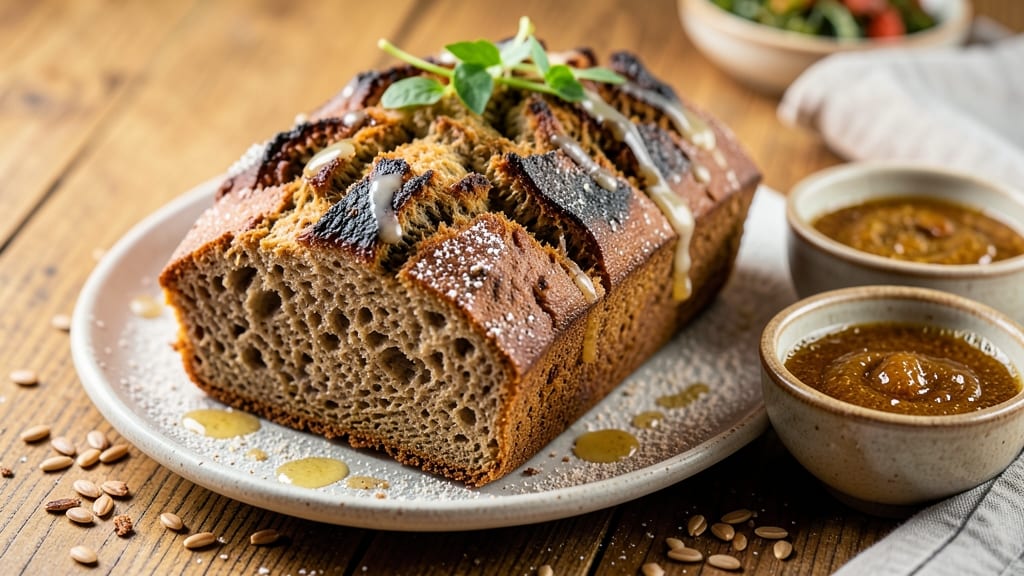
This brown rice flour sourdough recipe delivers the crispy crust and airy crumb you crave—without gluten. 🌾 The secret lies in balancing hydration and fermentation time to compensate for rice flour's unique properties, creating a loaf with satisfying texture and depth.
Unlike traditional sourdough, this version requires precise technique but yields results that rival artisanal bakeries.
What sets this recipe apart is its ability to transform brown rice flour into a bread with crispy edges and a tender interior, despite gluten-free limitations. The starter development takes patience (7-10 days), but once established, the process mirrors classic sourdough—with adjustments for rice flour's lower protein content.
Each step builds flavor and structure, culminating in a loaf that's both nutritious and irresistibly satisfying.
Ingredients for brown rice flour sourdough
Precision-milled brown rice flour meets fermentation science for a gluten-free loaf with artisanal texture.
| Ingredient | Amount | Notes |
|---|---|---|
| Brown Rice Flour 🌾 | 3 ½ cups | Finely milled, gluten-free preferred |
| Active Sourdough Starter 🍞 | 1 cup | 100% hydration, bubbly and active |
| Filtered Water 💧 | 1 ¾ cups | Room temperature, 78°F |
| White Vinegar 🍶 | 1 tbsp | For starter acidity balance |
| Xanthan Gum 🧪 | ¼ tsp | Binds gluten-free structure |
| Psyllium Husk Powder 🌿 | 1 tbsp | Enhances elasticity and rise |
| Instant Yeast 🍄 | ¼ tsp | Vegan-certified for fermentation |
| Sea Salt 🧂 | 1 ½ tsp | Diamond Crystal preferred |
| Extra-Virgin Olive Oil 🫒 | 1 tbsp | For dough hydration and crust |
| Ground Flaxseed 🌰 | 1 tbsp | Mixed with water for egg wash |
| Water (for egg wash) 💧 | 3 tbsp | Mixed with flaxseed |
| Cornmeal 🌽 | ¼ cup | For dusting parchment |
| Sesame Seeds 🌱 | 1 tbsp | Optional for topping |
The brown rice flour is non-negotiable—Bob’s Red Mill or Anthony’s Goods deliver the finest grind for optimal texture. For the starter, 100% hydration is critical; use a dedicated jar to avoid cross-contamination. If your kitchen runs hot, reduce water slightly to prevent over-fermentation. The psyllium husk powder (Now Foods brand works best) is your secret weapon for structure—measure it precisely, as too much can make the dough gummy. For the yeast, Red Star Vegetarian Yeast ensures reliable fermentation without animal byproducts.
No xanthan gum? Psyllium husk alone at 1.5 tbsp can substitute, though texture may vary slightly. Vinegar substitution? Lemon juice at equal parts works, but flavor will differ. If your flour lacks protein, add 1 tbsp vital wheat gluten—though this technically introduces gluten, it’s often used in gluten-free baking for structure. For hydration adjustments, reduce water by 0.25 cups if dough feels too sticky, or increase by 0.125 cups if dry. The flax egg wash (1 tbsp ground flaxseed + 3 tbsp water) mimics egg’s binding properties perfectly for a glossy crust.
Store uncooked dough in an airtight container in the fridge for up to 3 days, allowing it to rise at room temperature before baking. The finished loaf keeps at room temperature for 2 days wrapped in a cotton towel, or 5 days refrigerated. For longer storage, slice and freeze portions for up to 3 months. To revive, warm slices in a 350°F oven for 5-7 minutes—the crispy crust returns with minimal effort.
Why You'll Love This Recipe
- No-Fuss Mixing: I swear by the 5-minute stir—just brown rice flour, sourdough starter, and water. No kneading, no waiting for gluten to develop, just a smooth batter that behaves like a dream.
- Nutty Tang Magic: That brown rice flour adds a subtle earthiness, while the sourdough starter brings a bright, tangy lift. Honestly, it’s the kind of flavor that makes you reach for seconds without even thinking.
- Meal Prep MVP: Bakes up into crispy-edged, chewy loaves that freeze like a champ. Toss a batch in the oven on Sunday, and you’ve got breakfast or sandwiches covered all week—no last-minute scrambling.
- Budget-Friendly Staple: Brown rice flour is cheaper than wheat flour, and sourdough starter lasts forever. Between us, this is the kind of recipe that stretches my grocery budget without sacrificing taste—my wallet thanks me every time.
Step-by-step instructions for brown rice flour sourdough
Here's the method to achieve that coveted crispy crust and airy crumb with gluten-free ingredients.
👨🍳 Step 1: Mix the Dough Base
In a large mixing bowl, combine the 3.5 cups brown rice flour, 1 tbsp psyllium husk powder, 0.25 tsp xanthan gum, and 1.5 tsp sea salt. Whisk these dry ingredients together until evenly distributed—this ensures uniform texture throughout the dough. The psyllium husk powder is crucial here; it mimics gluten's elasticity in gluten-free baking.
In a separate bowl, whisk together the 1 cup active sourdough starter, 1.75 cups filtered water, 1 tbsp white vinegar, and 1 tbsp extra-virgin olive oil. The vinegar helps balance the starter's acidity while adding subtle tang. Let this mixture sit for 5 minutes while you prepare the next component. You'll notice the starter should be bubbly and active—this is your indicator it's ready for baking.
🍳 Step 2: Combine Wet and Dry Ingredients
Gradually pour the wet mixture into the dry ingredients while mixing on low speed with a stand mixer fitted with the paddle attachment. Mix for 3-4 minutes until a shaggy dough forms. The dough will be stickier than traditional wheat-based sourdough, which is completely normal with brown rice flour. Here's where the 0.25 tsp instant yeast comes into play—it helps activate the fermentation process.
Add the 1 tbsp ground flaxseed during the final 30 seconds of mixing. The flaxseed adds nutritional value and helps bind the dough slightly. Scrape down the sides of the bowl to ensure all ingredients are fully incorporated. The dough should be smooth but still slightly tacky—this is perfect for creating that crispy crust later.
🥘 Step 3: Knead and Rest the Dough
Transfer the dough to a lightly oiled surface and knead gently for 2-3 minutes by hand or with a dough scraper. You're not looking to develop gluten here—just distribute the ingredients evenly. The dough will be quite soft and pliable, almost like a thick batter. Place the dough in a lightly oiled bowl, cover with a damp towel, and let it rest at room temperature for 1 hour.
During this rest, the psyllium husk powder will begin to hydrate and develop elasticity. The dough won't rise dramatically like wheat-based sourdough, but it will become slightly more cohesive. This resting period is critical for developing the structure needed for that crispy crust and airy crumb you're after.
🔥 Step 4: Shape and Proof the Loaf
After resting, turn the dough onto a lightly floured surface and gently shape it into a round loaf. Don't overwork it—just enough to create a smooth surface. Place the shaped dough on a parchment-lined baking sheet that's been dusted with 0.25 cup cornmeal. The cornmeal creates a barrier that prevents sticking and contributes to that crispy crust.
Cover the baking sheet loosely with plastic wrap and let the dough proof at room temperature for 4-6 hours, or until it has nearly doubled in volume. You're looking for about 50% rise—the dough will be soft and slightly jiggly when gently pressed. The longer proofing time allows the psyllium husk to fully hydrate and develop that signature gluten-free texture. Here's where the magic happens for that crispy crust.
🔪 Step 5: Prepare the Egg Wash and Bake
In a small bowl, whisk together the 1 tbsp ground flaxseed and 3 tbsp water to create the egg wash substitute. This will give your bread that beautiful golden-brown crust. Preheat your oven to 400°F with a baking stone or inverted baking sheet on the middle rack. The stone helps create steam, which is essential for that crispy crust.
Brush the proofed loaf generously with the flaxseed wash, then sprinkle the 1 tbsp sesame seeds on top if using. Bake for 35-40 minutes until the crust is deep golden brown and the internal temperature reaches 205°F. The bread should sound hollow when tapped on the bottom. The first 15 minutes of baking are critical—this is when the crust forms and develops that crispy texture you're aiming for.
Pro Tips For Making Brown Rice Flour Sourdough
- Weigh Your Starter: Brown rice flour sourdough starter behaves differently than wheat—it’s heavier and stickier. Use a kitchen scale for accuracy; eyeballing leads to either a dough that’s too wet (and gummy) or too dry (and dense). I learned this after my first batch turned into a brick.
- Mix Vinegar Last: Add white vinegar to the water after dissolving the xanthan gum. This prevents clumping and ensures even distribution—your dough will be smoother and less likely to develop tough spots. I was skeptical until I tried it; now I never skip this step.
- Autolyse First: Let the brown rice flour and water sit for 30 minutes before adding starter and xanthan gum. This hydrates the flour fully, making the final knead (or stretch-and-folds) easier and preventing a gummy texture. Sounds weird, but it works.
- Steam the Crust: Brown rice flour sourdough dries out fast. After scoring, tent the loaf with foil and steam it for the first 15 minutes in the oven. This gives you a crisp crust without burning the exterior—no more sad, dry tops. (Your future self will thank you.)
Flavor customization for this recipe
Sweet & Nutty
Add 1 tbsp ground cinnamon and 1 tbsp brown sugar to your dough for a warm, comforting flavor reminiscent of cinnamon rolls. The psyllium husk helps balance the sweetness while maintaining structure.
Brush the baked loaf with a mix of 2 tbsp melted coconut oil and 1 tbsp maple syrup for extra richness. 🌟
Herb & Garlic Infusion
Incorporate 1 tbsp dried rosemary, 1 tbsp dried thyme, and 3 minced garlic cloves into the dough for a savory twist. The herbs pair beautifully with the nutty brown rice flour, while garlic adds depth.
Sprinkle 1 tsp coarse sea salt on top before baking for a gourmet finish. ✨
Spiced & Smoky
For a bold flavor profile, mix 1 tsp smoked paprika and ½ tsp cayenne pepper into the dough. The smokiness complements the earthy brown rice flour perfectly.
After baking, brush the crust with a mix of 1 tbsp olive oil and ½ tsp liquid smoke for an extra layer of depth. 🔥
Citrus & Zest
Brighten your loaf with 1 tbsp lemon zest and 1 tbsp orange zest added during the mixing stage. The citrus cuts through the richness of the brown rice flour, creating a refreshing contrast. Finish with a sprinkle of 1 tsp turbinado sugar before baking for a subtle caramelized crust. 💛
Seed & Nut Topping
Press 1 tbsp sunflower seeds and 1 tbsp chopped walnuts into the dough before shaping to add crunch and texture. The seeds and nuts toast beautifully during baking, enhancing the nutty flavor.
For extra flavor, lightly toast the seeds and nuts in a dry pan before adding them to the dough. 🌱
Savory & Cheesy
Add ½ cup nutritional yeast to the dough for a cheesy, umami-rich flavor that mimics the taste of traditional sourdough. The nutritional yeast also boosts the bread’s protein content. For a richer version, sprinkle ¼ cup grated vegan parmesan on top before baking. 🧀
Nutrition facts
Frequently asked questions
Can I substitute white rice flour for brown rice flour in this recipe?
While you can technically use white rice flour, it will significantly alter the texture and flavor. Brown rice flour adds a nutty depth and better moisture retention that white rice flour lacks. If you must substitute, reduce the water by 0.25 cups since white rice flour absorbs less liquid, but expect a lighter, less dense loaf.
Why does my brown rice flour sourdough dough feel so sticky?
The high hydration and lack of gluten make this dough naturally sticky—it's completely normal! Brown rice flour absorbs moisture differently than wheat flour, and the psyllium husk helps bind it. Work quickly when shaping, use wet hands, and avoid over-flouring to maintain structure without drying out the dough.
How do I know when my gluten-free sourdough starter is ready?
Your starter is ready when it doubles in size within 4-6 hours at room temperature and has visible bubbles throughout. It should also smell slightly tangy (like yogurt) and have a light, airy texture. If it smells strongly alcoholic or has a grayish hue, it's overripe—discard and start fresh with 1:1:1 flour/water ratio.
Can I make this recipe without xanthan gum?
Yes, but texture will differ. Replace 0.25 tsp xanthan gum with 1.5 tbsp psyllium husk powder for binding. The dough may be slightly gummier, but the bread will still hold together. For extra structure, add 1 tbsp vital wheat gluten (though this introduces gluten) or 1 tsp guar gum as alternatives.
Why did my crust turn out too soft instead of crispy?
Under-baking or insufficient steam are the most likely culprits. Preheat your oven with a baking stone or tray for 20 minutes before baking, and consider spraying the oven walls with water during the first 10 minutes to create steam. Also, ensure your oven reaches 400°F—lower temps prevent proper crust formation.