
Main Courses
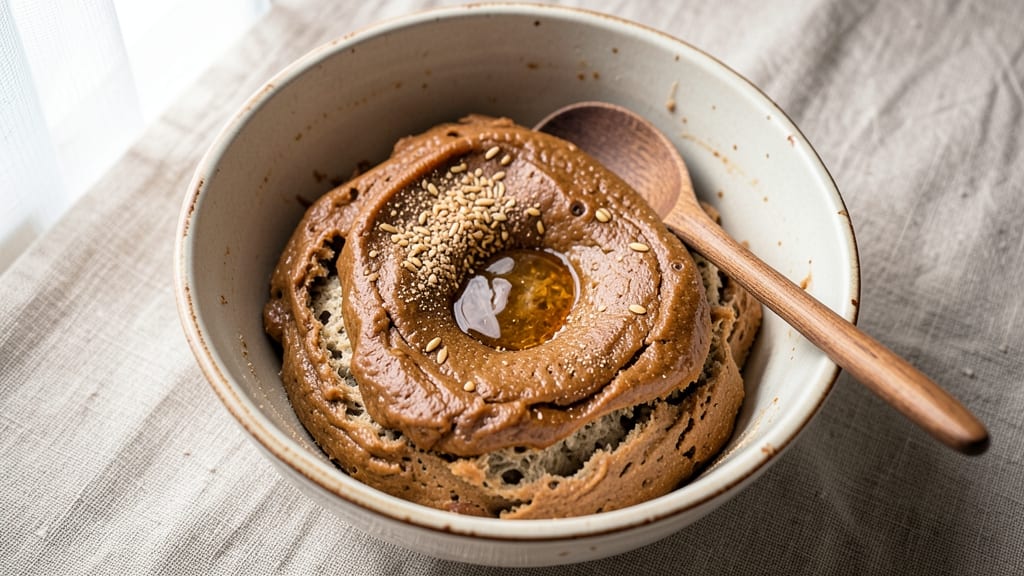
This brown rice sourdough bread recipe delivers a uniquely nutty, dense crumb with an open, crackly crust—all while harnessing the fermented complexity of sourdough. The brown rice flour adds subtle earthiness and a slightly chewy texture, while the long fermentation develops deep, tangy flavors that rival traditional sourdough.
Unlike lighter white flour breads, this version stays moist longer and has a satisfying weight that holds up to sandwiches or toast.
Perfect for those seeking a whole-grain sourdough with restaurant-quality depth, this recipe guides you through every step—from activating your starter to achieving that signature oven spring.
The brown rice flour requires precise hydration and fermentation adjustments, but the results are worth it: a loaf with a crisp exterior, an airy yet dense crumb, and a flavor profile that’s both rustic and refined.
Whether you're a sourdough novice or an experienced baker, this method ensures a foolproof approach to a bread that’s as nutritious as it is delicious.
Ingredients for brown rice sourdough bread
Brown rice flour, sourdough starter, and precise hydration create this uniquely nutty, dense loaf.
| Ingredient | Amount | Notes |
|---|---|---|
| Active Brown Rice Sourdough Starter 🍞 | ½ cup | Unfed, bubbly, 100% hydration |
| Brown Rice Flour 🌾 | 3 cups | Fine grind, organic preferred |
| All-Purpose Flour 🌾 | 1 cup | High protein for structure |
| Water 💧 | 1 ½ cups | Filtered, room temperature |
| Unsalted Butter 🧈 | ¼ cup | Cold, cubed, European style |
| Honey 🍯 | 1 tbsp | Raw, local, for fermentation |
| Sea Salt 🧂 | 1 ½ tsp | Fine grain, Diamond Crystal |
| Instant Yeast 🍞 | ¼ tsp | Optional, for faster rise |
| Whole Milk 🥛 | ½ cup | Warmed, for autolyse |
| Olive Oil 🫒 | 1 tbsp | Extra-virgin, for dough handling |
| Cornmeal 🌽 | ¼ cup | For dusting parchment |
| Ice Water ❄️ | ½ cup | For final shaping |
Brown rice flour is the star here—Bob's Red Mill or King Arthur are my go-tos for that fine grind. The starter needs to be 100% hydration and active (bubbly, not flat) or the dough will underperform. If you're new to sourdough, King Arthur's sourdough starter kit is a lifesaver. The butter should be cold and cubed (European-style has higher fat content, which matters for crust). For the honey, local raw honey adds subtle floral notes that complement the brown rice flavor. If you're avoiding honey, maple syrup works in a pinch—just reduce the water slightly to account for the extra moisture.
No instant yeast? Skip it entirely—this relies on fermentation from the starter. Whole milk can be swapped for oat milk or water if you're avoiding dairy, but the fat content helps with dough elasticity. The olive oil is non-negotiable for dough handling (regular oil works, but extra-virgin has better flavor). For the salt, Diamond Crystal dissolves more easily than Morton's—trust me on this. If your brown rice flour is coarse, pulse it in a food processor first for a smoother texture. The cornmeal is just for dusting—any fine grain works, but it helps create that signature crust.
This dough is a beast—3-4 days of fermentation at room temp, with a final proof in the fridge overnight. Store the starter in a glass jar with a loose lid to prevent mold. The shaped loaf keeps 3 days wrapped at room temp or 1 week in the fridge. For freezing, slice and toast straight from frozen—no thawing needed. The crust stays crisp for about 2 hours after baking, so slice while warm if you're impatient. Leftovers? Toast them—toasted brown rice sourdough is next-level.
Why You'll Love This Recipe
- No-Knead Magic: I swear by this—just mix, let it rise, and bake. The brown rice starter handles all the hard work while you sip coffee or scroll. No standing at the counter, no aching arms.
- Nutty, Toasty Crunch: That first bite? The brown rice flour gives it a deep, toasty sweetness you won’t find in regular sourdough. Add a smear of butter, and it’s like hugging a warm, chewy cloud.
- Meal Prep MVP: Slice it fresh, toast it later. It keeps for days in the fridge, freezes beautifully, and turns into perfect croutons or breadcrumbs in seconds. My lazy Sunday mornings now have backup.
- Budget-Friendly Staple: Brown rice flour is cheaper than white, and a small starter goes a long way. Plus, butter makes it feel indulgent without breaking the bank. Homemade bread that won’t drain your wallet? Yes, please.
Step-by-step instructions for brown rice sourdough bread
Here's how to transform your active starter into a crusty, flavorful loaf with a perfect open crumb.
Mix the Autolyse for Optimal Gluten Development
In a large mixing bowl, combine the 3 cups brown rice flour, 1 cup all-purpose flour, 1.5 cups water, and 1 tbsp honey. Mix just until a shaggy dough forms—don't overwork it yet. The honey here isn't just for sweetness; it helps activate the starter and creates a better environment for fermentation. Cover the bowl with a damp towel and let it rest for 30 minutes. This autolyse step allows the flour to fully hydrate and begin gluten development without the yeast kicking in yet.
After resting, the dough should look smoother and more cohesive. If it's still too sticky, you can add 1 tablespoon olive oil now to help with handling later. This is where the magic begins—the foundation for your bread's structure is being built right now.
Incorporate Starter, Salt, and Fat for Fermentation
To the rested dough, add the 0.5 cup active brown rice sourdough starter, 1.5 tsp sea salt, and 0.25 cup cold cubed unsalted butter. The cold butter will create pockets of fat that will later contribute to the bread's tender crumb. Mix everything together by hand until the butter is fully incorporated and the dough comes together. If it's still too sticky, add 1 tablespoon olive oil—this helps with the dough's handling without making it too slack.
Now fold the dough over itself a few times to strengthen the gluten. Cover the bowl again and let it rest for another 30 minutes. You'll notice the dough becomes more elastic and easier to handle. This resting period allows the gluten to relax after the initial mixing, making the next steps much easier.
Bulk Ferment at Room Temperature
After the second rest, perform a series of stretch-and-folds every 30 minutes for 2 hours. To do this, wet your hands and grab one side of the dough, stretch it upward, and fold it over itself. Rotate the bowl and repeat on all sides. This technique builds strength in the dough and helps develop the gluten network that will give your bread its structure. The dough should increase in volume by about 50% during this time, with bubbles forming on the surface.
After the final stretch-and-fold, let the dough rest uncovered for 15 minutes at room temperature. This allows the surface to dry slightly, which helps with shaping later. The dough should now be ready for the next critical step—shaping. If it's still too sticky, you can sprinkle a little more brown rice flour on your work surface.
Shape and Final Proof
Turn the dough out onto a lightly floured surface and shape it into a tight round loaf. To do this, gather the dough into a ball, tucking the edges underneath as you go. Place it seam-side up in a lightly greased bowl, cover it, and let it proof for 1-2 hours at room temperature until it has nearly doubled in size. The dough should feel springy when pressed gently—this is your cue that it's ready for the oven.
While the dough proofs, preheat your oven to 425°F. Line a baking sheet with parchment paper and sprinkle it generously with 0.25 cup cornmeal. This will create a crispy bottom crust and prevent sticking. When the dough is ready, carefully transfer it to the prepared baking sheet.
Bake for a Crusty, Flavorful Loaf
Bake the bread for 35-40 minutes until it reaches an internal temperature of 205-210°F and develops a deep golden-brown crust. The bread should sound hollow when tapped on the bottom. If the top browns too quickly, tent it loosely with foil to prevent over-browning while ensuring the interior cooks through.
Once baked, transfer the bread to a wire rack to cool completely. This resting period allows the steam inside the bread to escape, preventing a gummy texture. The bread will continue to develop its flavors as it cools, resulting in a crusty exterior and an open, airy crumb with pockets of flavor from the fermented starter. Slice it thickly to enjoy the full experience of your homemade brown rice sourdough.
Pro Tips For Making Brown Rice Sourdough Bread
- Autolyse First: Mix your brown rice flour and water before adding starter or butter—just let the dough sit for 30 minutes. I learned this the hard way after kneading stiff, gummy dough that refused to relax. The flour absorbs water better upfront, and your hands will thank you later.
- Weigh Your Starter: Use a scale for your active brown rice starter—eyeballing it leads to inconsistent rises. A 10% starter-to-flour ratio (by weight) is your sweet spot here. My first loaves either collapsed or stayed dense until I stopped guessing.
- Skip Overproofing: Brown rice sourdough dough peaks faster than wheat-based dough—pull it when it’s just puffy, not domed. Overproofing turns your crust tough and the crumb gummy. Trust the double-size rule, not the time on the clock.
- Butter Last: Add your unsalted butter after the bulk fermentation, not during mixing. Cold butter creates pockets, but warm dough softens it better for a tender crumb. I used to fight with my mixer until I realized timing matters more than speed.
Wine and beer pairings for brown rice sourdough bread
Earthy Whites
Brown rice sourdough’s nutty depth pairs beautifully with crisp, mineral-driven white wines. I love a Sauvignon Blanc from New Zealand—specifically Cloudy Bay—with its zesty citrus and herbal notes that complement the bread’s earthiness.
The slight acidity cuts through the richness, while the wine’s vibrant finish mirrors the bread’s crusty texture. For a budget-friendly option, try a French Picpoul de Pinet—its briny, grapefruit character balances the sourdough’s tang. 🍷
Malty Beers
Beer lovers should reach for a Belgian Witbier like Hoegaarden—the coriander and orange peel notes create a refreshing contrast to the bread’s dense crumb. For a bolder match, a German Dunkelweizen (dark wheat beer) from Weihenstephaner adds caramel and clove flavors that harmonize with the brown rice’s nuttiness.
Avoid heavy stouts or IPAs, which can overpower the bread’s delicate fermentation notes. 🍺
Fruity Reds
If you prefer red wine, a Pinot Noir from Oregon’s Domaine Serene offers bright red fruit and subtle earthiness that won’t compete with the sourdough’s complexity. For something bolder, a Spanish Garnacha (Grenache) like Bodegas Muga brings juicy berry flavors that pair surprisingly well with the bread’s crusty exterior.
Both wines avoid the tannins that could clash with the bread’s soft interior. 🍇
Creamy Pairings
For a non-alcoholic option, try chilled chamomile tea—its floral notes enhance the bread’s nutty profile without overpowering it. Or, a sparkling apple cider like Martinelli’s adds a crisp, slightly sweet contrast that highlights the sourdough’s tang.
If you’re serving with toppings (like avocado or smoked salmon), a dry cider keeps the pairing light and refreshing. 🍎
Cheese Board Harmony
When pairing with cheese, opt for aged Gouda or blue cheese—their sharp, salty flavors cut through the bread’s density. A dry, nutty Manchego also complements the brown rice’s earthiness.
For a vegetarian spread, add whipped ricotta with honey and a sprinkle of Penzeys Everything Bagel Seasoning to echo the bread’s fermented depth. 🧀
Nutrition facts
Frequently asked questions
Why does brown rice flour make my sourdough denser than regular bread?
Brown rice flour has a higher protein content and more resistant starch than white flour, which creates a tighter crumb structure. The fermentation process breaks down some of these compounds, but the resulting bread will naturally be denser and chewier. This is actually desirable for sandwiches—it holds up better to toppings like avocado or smoked salmon without collapsing!
Can I substitute white flour for the brown rice flour in this recipe?
You can replace up to 1 cup of the brown rice flour with white flour, but the flavor and texture will change significantly. The brown rice adds nutty depth and a slightly chewy quality that white flour can't replicate. For a lighter loaf, try a 2:1 ratio of white to brown rice flour, but expect less fermentation complexity.
How do I know when my brown rice sourdough starter is ready?
Your starter should be bubbly, doubled in size within 4-6 hours after feeding, and have a slightly tangy aroma. It should float in water when dropped in—a classic test for active fermentation. If it smells like vinegar or alcohol, it's overripe. For this recipe, use it when it's at peak activity (right after feeding).
Why did my dough collapse after shaping?
This usually happens when the dough is either underproofed (needs more time) or overproofed (too much fermentation). Brown rice flour doughs are particularly sensitive to timing—try extending your bulk fermentation by 30-60 minutes or check for a springy texture when pressing gently. If it's sticky, you may have added too much water; next time, reduce by 1 tablespoon.
Can I make this bread without butter?
Yes! Replace the butter with 2 tbsp olive oil or coconut oil for a dairy-free version. The oil will create a slightly different texture but still produce a tender crumb. For extra richness, add 1 tbsp ground flaxseed mixed with 3 tbsp water (let it sit for 5 minutes to gel) as a binder. The flavor will be more neutral but still delicious.