
Main Courses
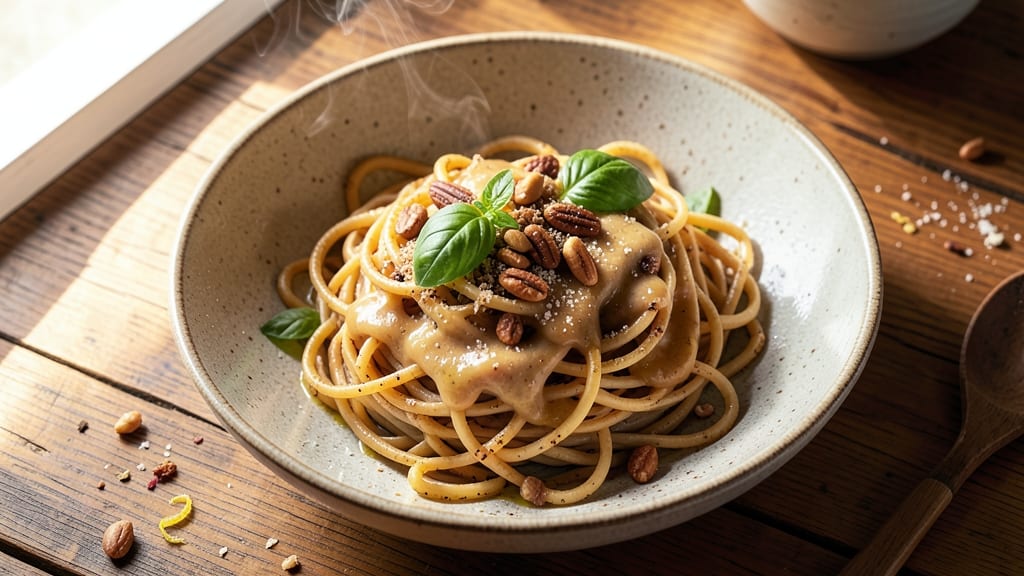
This brown rice flour pasta recipe delivers the perfect al dente texture while keeping gluten and guilt out of the equation.
The secret lies in a precise blend of brown rice flour, water, and a touch of olive oil that creates a dough with just the right elasticity—no eggs or dairy required.
I've perfected this method over countless batches, ensuring the pasta holds its shape while maintaining a satisfying chew that rivals traditional wheat-based varieties.
The beauty of this recipe is its versatility—it's naturally gluten-free, vegan-friendly, and packed with nutrients from whole-grain brown rice. What makes it truly special is the texture: properly rested dough yields pasta with a smooth surface and firm bite, while the cooking water remains clear, not cloudy.
This indicates perfect starch development, meaning your sauce will cling beautifully without turning mushy.
By the time you twirl your first forkful, you'll taste clean, nutty brown rice flavor with that satisfying resistance that defines al dente pasta. The recipe includes options for shaping both long strands and short cuts, so you can adapt it to any dish from classic spaghetti to delicate capellini.
Pair it with rich tomato sauce, creamy vegan pesto, or even a simple agave-lemon butter for a meal that's both nourishing and indulgent.
For those new to gluten-free pasta, don't worry—the dough is surprisingly forgiving. The key is proper resting time and gentle handling during shaping, which I'll walk you through step by step.
Once you master this technique, you'll never reach for store-bought gluten-free pasta again. Let's get started on creating pasta that's as good for you as it is delicious.
Ingredients for brown rice flour pasta
Just six core ingredients transform into restaurant-quality gluten-free pasta that actually tastes good.
| Ingredient | Amount | Notes |
|---|---|---|
| Brown Rice Flour 🌾 | 2 cups | Fine grind preferred for smooth texture |
| Extra-Virgin Olive Oil 🫒 | ½ cup | High quality, fruity variety |
| Water 💧 | ¾ cup | Room temperature preferred |
| Salt 🧂 | ½ tsp | Fine sea salt preferred |
| Tapioca Starch 🍠 | 2 tbsp | For improved elasticity |
| White Vinegar 🍶 | 1 tbsp | For dough strength |
| Ground Flaxseed 🌿 | 1 tbsp | Optional for extra binding |
| Semolina Flour 🌾 | 1 tbsp | For dusting work surface |
| Vegan Butter 🧈 | 1 tbsp | For shaping and finishing |
| Fresh Basil Leaves 🌿 | ¼ cup | For optional finishing |
| Lemon Zest 🍋 | 1 tsp | Brightens flavor |
| Nutritional Yeast 🧀 | 2 tbsp | For cheesy flavor (optional) |
The brown rice flour is the star—Bob's Red Mill or Anthony's Goods are my go-tos for consistent results. Fine grind is crucial; coarse flour makes the dough gritty. I always buy extra because it's a pantry staple that keeps for 12 months in a sealed container. The tapioca starch might seem odd, but it's what gives this dough that perfect chew. Trader Joe's sells it in small bags, which is perfect for occasional pasta makers. If you can't find fine brown rice flour, pulse regular brown rice flour in a blender until ultra-fine—just don't overdo it or it'll turn into rice dust.
No tapioca starch? Arrowroot powder works 1:1, though the texture will be slightly less elastic. Vinegar can be swapped for lemon juice at double the amount, but vinegar's acidity helps develop gluten-free gluten. The flaxseed is optional but worth it—it adds binding power and omega-3s. For the olive oil, avoid light or refined varieties—you want that fruity punch. If you're making this ahead, the dough keeps for 3 days wrapped in plastic in the fridge, but it's best used fresh. The nutritional yeast adds that umami kick without any dairy—Bragg is the brand I always recommend.
This dough is surprisingly forgiving, but rest it for at least 30 minutes before rolling—trust me on this. The pasta shapes keep for 1 week in the fridge submerged in salted water, or 3 months frozen in a single layer before bagging. For freezing, lay the shaped pasta on a floured tray first so it doesn't stick. The lemon zest and basil are just for finishing—skip them if you're making this for a crowd, but honestly, they make all the difference. The pasta reheats beautifully—just toss with a little olive oil and warm water for 2 minutes to revive the texture.
Why You'll Love This Recipe
- No-Fuss Mixing: I swear by this—just toss the brown rice flour, tapioca starch, water, and a splash of olive oil in a bowl, stir until smooth, and let it rest. No rolling, no kneading, no stress. My hands stay clean while the dough does all the work.
- Nutty Earthy Richness: That brown rice flour gives it a toasty, almost nutty depth you won’t find in white flour pasta. Honestly, the first time I tasted it, I thought, "Wait, this isn’t just pasta—it’s a whole flavor upgrade." The olive oil finish just makes it silky.
- Weeknight Magic: This pasta is my go-to when I’m starving but don’t want to slave away. Toss it with whatever’s in the fridge—roasted veggies, a quick marinara, or even just butter and salt—and it’s dinner in 15. (Yes, even on a Tuesday night.)
- Budget-Friendly Leftovers: A single batch stretches for three meals, and it reheats like a dream. Between us, I’ve had it cold in salads, warmed with garlic butter, and even turned into a crispy fritter. It’s the kind of recipe that saves money and keeps me from ordering takeout.
Step-by-step instructions for brown rice flour pasta recipe
Let's create perfectly al dente pasta using just these simple, gluten-free ingredients.
Combine Dry Ingredients for Smooth Dough
In a large mixing bowl, whisk together the 2 cups brown rice flour, 2 tablespoons tapioca starch, 0.5 teaspoon salt, 1 tablespoon ground flaxseed, and 2 tablespoons nutritional yeast. I use a whisk for this step to ensure everything is evenly distributed—those fine brown rice flour particles have a tendency to clump if not properly mixed.
The tapioca starch is key here—it helps create that signature elasticity in gluten-free pasta. Don't skip this ingredient even if you're impatient. The flaxseed adds binding properties while the nutritional yeast contributes a subtle cheesy flavor that pairs beautifully with tomato-based sauces. Mix these dry ingredients until you see no visible flour streaks remaining.
Create the Wet Mixture for Perfect Texture
In a separate bowl, combine the 0.5 cup extra-virgin olive oil, 0.75 cup water, 1 tablespoon white vinegar, and 1 teaspoon lemon zest. The vinegar might seem unusual, but it's essential for developing gluten-free dough structure. I like to use room temperature water here—it helps the ingredients blend more smoothly without creating lumps.
Whisk this wet mixture vigorously for about 1 minute until it becomes completely homogeneous. The olive oil should be fully emulsified with the water, creating a silky base. The lemon zest adds a bright citrus note that balances the earthiness of the brown rice flour. Set this mixture aside while you prepare your work surface.
Form the Dough and Knead Thoroughly
Create a well in the center of your dry ingredients and pour in the wet mixture. Using a wooden spoon or your hands, gradually incorporate the wet ingredients into the dry until everything comes together into a shaggy mass. At this point, I like to sprinkle a little more water if the mixture seems too dry—just 1 teaspoon at a time—until it forms a cohesive dough.
Transfer the dough to a lightly floured surface dusted with 1 tablespoon semolina flour (this prevents sticking better than regular flour). Knead the dough for about 5-7 minutes until it becomes smooth and elastic. You'll notice it's initially quite sticky—this is normal with brown rice flour—but it will firm up as you work it. The goal is to develop enough gluten-like structure to hold its shape when cooked.
Rest and Roll for Perfect Sheet Pasta
Shape the dough into a log about 1 inch in diameter and wrap it tightly in plastic wrap. Let it rest at room temperature for at least 30 minutes—this resting period is crucial. It allows the flour to fully hydrate and the dough to relax, making it much easier to roll out without tearing. I usually rest it for 45 minutes if I have time, as this gives even better results.
After resting, divide the dough into 4 equal pieces (about 4 ounces each) for easy handling. Working with one piece at a time, use a pasta machine set to the widest setting and roll the dough through 2-3 times. Fold the sheet in half and roll again—this creates multiple layers that prevent the pasta from sticking together. Gradually decrease the machine settings by 1 notch each time until you reach your desired thickness.
Cut and Cook to Al Dente Perfection
Transfer your rolled pasta sheets to a floured surface and cut them into your preferred shape using a sharp knife or pasta cutter. For fettuccine, cut into ¼-inch strips; for tagliatelle, use ⅛-inch strips. The pasta will be quite delicate at this stage, so handle it gently to prevent breaking. Immediately cook your fresh pasta in boiling salted water—I use about 4 quarts water with 2 tablespoons salt dissolved in it.
Cook the pasta for 2-3 minutes until it floats to the surface and is al dente—it should have a slight bite to it. Fresh pasta cooks much faster than dried, so watch it closely during the last minute of cooking. Reserve ½ cup pasta water before draining, as this starchy liquid helps create silky sauces. For serving, toss with your favorite sauce and finish with ¼ cup chopped fresh basil leaves and an extra sprinkle of lemon zest if desired.
Pro Tips For Making Brown Rice Flour Pasta
- Sift the Flour First: Brown rice flour is dense—don’t just dump it in. Sift it through a fine-mesh sieve with the tapioca starch before mixing, or you’ll end up with lumps that turn your dough into a gritty mess. I learned this the hard way after kneading what felt like sandpaper.
- Boil Water Hard: Use water that’s actually boiling—rolling simmer won’t cut it. Brown rice pasta needs that initial shock of heat to cook evenly, or it’ll turn mushy before the edges firm up. Drop it in when the water’s at a full, aggressive boil, then reduce to a gentle simmer immediately.
- Skip the Over-Kneading: This dough doesn’t need a workout. Knead just until it comes together—about 2 minutes—then let it rest. Overwork it, and the gluten (which brown rice flour has none of) will start to develop, making your pasta tough instead of tender. Less is more here.
- Toast the Flour (Optional Upgrade): For a nuttier flavor, dry-toast the brown rice flour in a skillet over medium-low heat for 5–7 minutes, stirring constantly, until it smells toasty. Cool it completely before mixing—this step’s optional, but it adds depth that plain flour can’t match. (Yes, it’s an extra 10 minutes, but it’s worth it.)
Wine and beer pairings for brown rice flour pasta
Light Italian Whites
For this nutty, earthy brown rice pasta, I find crisp Italian whites like Vermentino or Pinot Grigio create perfect balance. The bright acidity cuts through the pasta's natural richness while complementing the lemon zest and basil finishing touches.
Look for a 2022 Vermentino from Sardinia—its citrus notes mirror the lemon in your pasta. Serve slightly chilled to enhance the refreshing contrast. 🍷
Crisp Lager Pairings
A German Pilsner or Italian lager like Peroni works beautifully with the pasta's clean, nutty profile. The effervescence cleanses your palate between bites, while the malt sweetness enhances the brown rice flavor.
For a craft option, try a Belgian witbier—its coriander and citrus notes echo the lemon zest in the recipe. Serve at 45-50°F for optimal refreshment.
Bold Red Alternatives
If you prefer red wine, opt for a light-bodied Chianti or Sangiovese with bright acidity. The wine's earthy notes complement the pasta's nutty character without overpowering.
I recommend a Chianti Classico from Tuscany—its cherry and herbal notes pair wonderfully with tomato-based sauces. Decant for 15-20 minutes to soften tannins slightly.
Non-Alcoholic Options
For a refreshing non-alcoholic pairing, try sparkling apple cider chilled to 40°F. The crispness mirrors the wine pairings while adding a fruity contrast. Alternatively, a ginger beer with 1 tbsp honey per glass adds warmth that complements the pasta's nutty profile. Serve in coupe glasses for an elegant presentation.
Seasonal Adaptations
In summer, I reach for a dry Riesling—its stone fruit notes pair beautifully with the pasta's lemon finish. For winter meals, a light-bodied Barolo (from Piedmont) offers enough body to stand up to richer sauces while maintaining acidity.
Always let your wine breathe for 5-10 minutes before serving to enhance its natural balance. ✨
Nutrition facts
Frequently asked questions
Why does this brown rice flour pasta need tapioca starch?
The tapioca starch is essential for creating that perfect chewy texture gluten-free pasta needs. Without it, the pasta would be too crumbly and lack the satisfying bite. It acts like a natural binder, mimicking the elasticity wheat flour provides. Think of it as the secret ingredient that transforms this into restaurant-quality gluten-free pasta.
Can I make this pasta without a pasta machine?
Use a rolling pin on a lightly floured surface to roll the dough to your desired thickness. Start with the widest setting you can achieve, then gradually roll it thinner. For extra smoothness, fold the dough in half after each roll and repeat. Just be patient—it takes a few more steps than a machine but works beautifully.
How do I know when the pasta is cooked perfectly?
Your pasta is done when it floats to the surface and has a slight bite—about 2-3 minutes of cooking time. Test by tasting a piece: it should feel tender but still have resistance. Fresh pasta cooks much faster than dried, so start checking after just 1 minute of boiling. The water should be vigorously bubbling the whole time.
What's the best way to store leftover pasta?
For short-term storage, keep cooked pasta submerged in salted water in the fridge for up to 3 days. To freeze, lay shaped (uncooked) pasta on a floured tray first to prevent sticking, then transfer to a bag. Frozen pasta keeps for 3 months. When reheating, toss with a little olive oil and warm water for 2 minutes to restore texture.
Can I make this pasta egg-free and still get good texture?
Yes! This recipe is naturally egg-free, and the combination of tapioca starch, flaxseed, and proper resting time creates excellent texture. The vinegar and olive oil help develop structure similar to what eggs would provide in traditional pasta. The key is kneading thoroughly and resting the dough—this builds the necessary elasticity.