
Salads
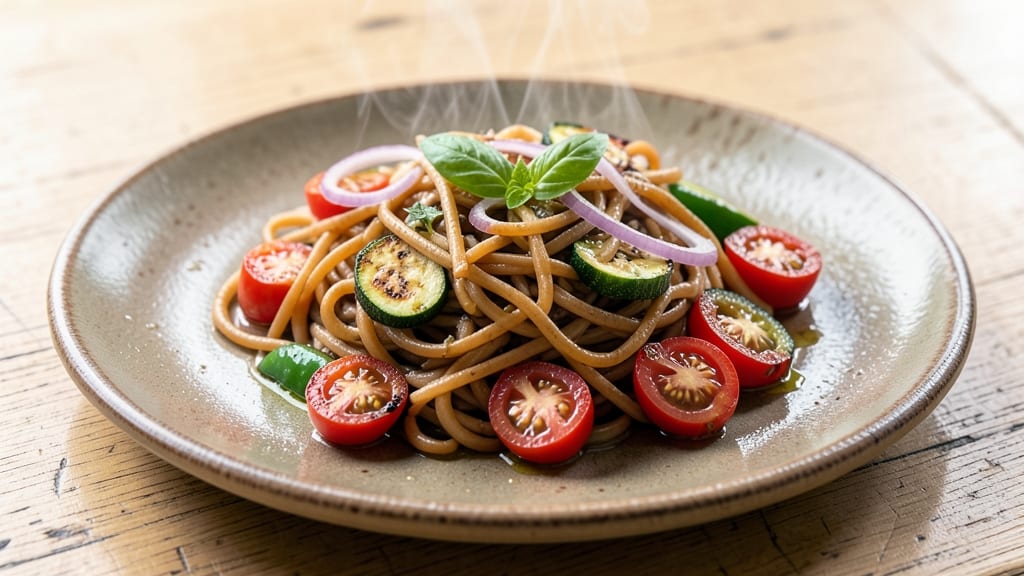
This brown rice pasta with vegetables recipe delivers a nutty, earthy base that pairs perfectly with crispy veggie bites—ideal for a hearty, plant-based meal. The secret lies in toasting the pasta first to enhance its natural flavor, then combining it with roasted vegetables for a satisfying texture contrast.
No refined grains or heavy sauces here, just wholesome ingredients that come together effortlessly.
By the end, you’ll have a crispy-edged dish packed with protein-rich grains and vibrant vegetables, all tied together with a simple garlic-infused olive oil. It’s a complete meal that’s as nutritious as it is delicious, perfect for weeknight dinners or meal prep.
Let’s get started—your taste buds (and waistline) will thank you.
Ingredients for brown rice pasta with vegetables
Nutty brown rice pasta meets crispy roasted veggies for a hearty plant-based meal.
| Ingredient | Amount | Notes |
|---|---|---|
| Brown Rice Pasta 🍜 | 12 oz | Dried, uncooked, nutty variety |
| Extra-Virgin Olive Oil 🫒 | ½ cup | High quality, fruity flavor |
| Zucchini 🥒 | 2 medium | Sliced into half-moons |
| Cherry Tomatoes 🍅 | 1 pint | Halved for even roasting |
| Bell Peppers 🌶️ | 2 medium | Assorted colors, sliced |
| Red Onion 🧅 | 1 whole | Thinly sliced into rings |
| Garlic Cloves 🧄 | 4 cloves | Minced for garlic oil |
| Fresh Basil Leaves 🌿 | ½ cup | Chopped for garnish |
| Lemon Juice 🍋 | 2 tbsp | Freshly squeezed |
| Salt 🧂 | 1 ½ tsp | Diamond Crystal preferred |
| Black Pepper 🌶️ | ½ tsp | Freshly ground |
| Nutritional Yeast 🧀 | 2 tbsp | For cheesy flavor |
| Red Pepper Flakes 🔥 | ½ tsp | Optional for heat |
The brown rice pasta is the star here—look for nutty, whole-grain varieties at Whole Foods or bulk sections. Trader Joe's has a great organic option too. Toasting it first brings out that earthy flavor, so don't skip that step. For the vegetables, farmers markets often have fresher produce with better texture. Bell peppers should be firm with vibrant color—no soft spots. Zucchini and cherry tomatoes can be swapped for sweet potatoes or asparagus if you're feeling adventurous.
No cherry tomatoes? Grape tomatoes or sun-dried tomatoes work just as well. The garlic is non-negotiable for that aromatic punch—freshly minced makes all the difference. Want more protein? Add white beans or chickpeas to the mix. The nutritional yeast gives that cheesy kick without dairy, and Bob's Red Mill brand is my go-to. For extra crunch, toast the pasta in olive oil until golden—it's worth the extra minute. The lemon juice brightens everything up, so don't skimp on freshness there.
This dish reheats beautifully—just toss with a splash of water to revive the crispiness. Keeps for 4-5 days in the fridge, or 3 months frozen. I always double the batch and portion it into containers for easy lunches. The roasted veggies can be prepped ahead and stored separately, then tossed with the pasta when ready. Fresh herbs like basil should be added just before serving to keep their vibrant flavor.
Why You'll Love This Recipe
- I swear by this trick: slice the zucchini into thick half-moons and leave the cherry tomatoes whole—half the chopping, all the flavor. The bell peppers? Just dice them while you’re watching one episode of your favorite show. It’s the kind of meal that feels effortless, even when your brain is fried.
- No-Chop Needed: I swear by this trick: slice the zucchini into thick half-moons and leave the cherry tomatoes whole—half the chopping, all the flavor. The bell peppers? Just dice them while you’re watching one episode of your favorite show. It’s the kind of meal that feels effortless, even when your brain is fried.
- Umami-Packed Pasta: That brown rice pasta soaks up the olive oil like a sponge, turning slightly nutty and rich. Add a pinch of red pepper flakes or a splash of lemon at the end, and suddenly you’ve got a dish that’s ridiculously satisfying—no fancy sauce required. The veggies caramelize just enough to make every bite taste like a little vacation.
- Lunchbox Hero: Between us, this is my go-to for meal prep. Toss the cooled pasta with a drizzle of olive oil and store it in jars—it stays fresh for days. Pack it for work, toss it in a bento box for the kids, or just reheat it for dinner. It’s the kind of leftovers that don’t make you groan when you see them in the fridge.
Step-by-step instructions for brown rice pasta with roasted vegetables
Here's how to create a vibrant, nutty dish where crispy vegetables meet perfectly al dente brown rice pasta.
🍳 Step 1: Roast the Vegetables Until Crispy
Preheat your oven to 425°F and line two baking sheets with parchment paper. This high heat is crucial for achieving those crispy edges on the vegetables that make this dish so satisfying. Arrange the sliced zucchini, bell peppers, red onion, and halved cherry tomatoes in a single layer, leaving space between each piece. You want them to brown, not steam.
Drizzle everything with 2 tablespoons of the extra-virgin olive oil and sprinkle with ½ teaspoon of the salt, ½ teaspoon of the black pepper, and the ½ teaspoon red pepper flakes if using. Toss gently to coat, then roast for 20-25 minutes until the edges are deep golden brown and slightly charred. You'll know they're perfect when they release easily from the baking sheet and have developed a caramelized aroma.
🍳 Step 2: Create the Garlic Oil Base
While the vegetables roast, heat the remaining 3 tablespoons of extra-virgin olive oil in a large skillet over medium-low heat. Add the minced garlic cloves and cook for 2-3 minutes until fragrant but not browned. This gentle cooking preserves the garlic's sweetness rather than letting it burn. Remove the skillet from heat and set aside—it will stay warm while you cook the pasta.
Here's the thing—this garlic oil will infuse the pasta with incredible flavor without overpowering the roasted vegetables. The residual heat from the skillet will keep it warm while you work, so you won't need to reheat it later. If you notice the garlic starting to color, immediately remove the pan from heat to prevent bitterness.
🍲 Step 3: Cook the Brown Rice Pasta Al Dente
Bring a large pot of well-salted water to a rolling boil—use about 4 teaspoons of salt for every pound of pasta. Add the 12 oz brown rice pasta and cook according to package instructions, usually about 9-11 minutes for al dente texture. Brown rice pasta benefits from slightly undercooking, as it continues to firm up when tossed with the warm vegetables.
Before draining, reserve ½ cup of the pasta water. This starchy liquid is essential for creating a silky sauce that clings to the pasta strands. Drain the pasta, then immediately return it to the pot and toss with the garlic oil you prepared earlier. The residual heat from the oil will help finish cooking the pasta slightly while infusing it with flavor.
🥘 Step 4: Combine Everything for Maximum Flavor
Transfer the roasted vegetables to the skillet with the pasta and garlic oil. Add the 2 tablespoons lemon juice and toss everything together vigorously. The acidity from the lemon brightens all the flavors and helps balance the richness of the olive oil. Sprinkle the 2 tablespoons nutritional yeast over the top and toss once more to distribute evenly.
If the mixture seems dry, add 2-3 tablespoons of the reserved pasta water at a time until the pasta is coated in a glossy, silky sauce. The goal is to create a harmonious blend where every bite delivers crispy vegetables, nutty pasta, and vibrant flavors. Taste and adjust seasoning if needed—you might need a pinch more salt to balance the roasted vegetables.
🌿 Step 5: Garnish and Serve Immediately
Divide the pasta among four plates and garnish each serving with 1 tablespoon of the chopped fresh basil leaves. The basil adds a fresh, herbal note that cuts through the richness of the roasted vegetables and pasta. Serve immediately while the vegetables are still crispy and the pasta retains its al dente texture.
This dish shines when served right away, as the contrast between the warm pasta and crispy vegetables is at its peak. The nutty flavor of the brown rice pairs beautifully with the sweetness of the roasted vegetables, while the nutritional yeast adds a cheesy depth without dairy. Each forkful delivers a perfect balance of textures and flavors that make this vegetarian dish incredibly satisfying.
Pro Tips For Making Brown Rice Pasta With Vegetables
- COOK PASTA AL DENTE FIRST: Brown rice pasta turns mushy fast when overcooked—pull it when it’s just firm to the bite, then finish in the pan with the veggies. I used to let it sit in the pot like regular pasta, and it’d turn into a gluey mess. Test it early, and toss it back in for 30 seconds if needed.
- SALT THE PASTA WATER LIKE THE SEA: Use 1.5 tablespoons of salt per 4 quarts of water—enough that a drop stings your tongue. Brown rice pasta absorbs flavor poorly if the water’s bland, and you can’t fix it later. Trust me, this makes a real difference in the final dish.
- CHAR THE VEGETABLES FIRST: Sear zucchini, bell peppers, and cherry tomatoes in olive oil over high heat until they blister slightly—about 5–7 minutes. This concentrates their flavor and adds texture that raw veggies can’t match. Skip this, and your dish will taste like a salad.
- TOSS PASTA WITH OIL AND GARLIC: After draining, immediately drizzle the hot pasta with 1 tablespoon of extra-virgin olive oil and a crushed garlic clove (if using). This prevents sticking and adds richness without needing extra sauce. I learned this the hard way—dry pasta clumps like cement.
Pro cooking tips for great brown rice pasta with vegetables
Toast the Pasta
Skip the boiling water and toast your brown rice pasta in a dry skillet over medium heat for 3-4 minutes before cooking. This step enhances the nutty flavor and creates a slight crispiness that pairs perfectly with the roasted vegetables.
I use a large nonstick skillet to ensure even toasting—just shake it gently to prevent burning. 🔥
High-Heat Roasting
For maximum crispiness, roast your vegetables at 425°F on the top rack of your oven. The closer they are to the heat source, the faster they'll develop those caramelized edges.
Spread them in a single layer with space between pieces to ensure even browning. I always use parchment paper for easy cleanup and to prevent sticking.
Garlic Oil Timing
Cook your garlic in olive oil over medium-low heat for just 2-3 minutes—any longer and it turns bitter. Remove the pan from heat immediately if you see the garlic starting to color.
This aromatic oil will infuse the pasta with flavor while keeping the vegetables' natural sweetness intact. Pro tip: Use freshly minced garlic for the best results.
Pasta Water Reserve
Always save ½ cup of pasta water before draining—it's liquid gold for creating a silky sauce. The starch in the water helps emulsify the olive oil and nutritional yeast, creating a glossy finish.
If your pasta seems dry after tossing, add 1-2 tablespoons of this reserved water to restore moisture without diluting flavors. 💫
Nutritional Yeast Boost
Sprinkle the 2 tablespoons of nutritional yeast over the pasta just before serving. This adds a cheesy, umami depth without dairy. For extra richness, toast the yeast in a dry pan for 1-2 minutes until fragrant before adding it to the dish.
I love Bob's Red Mill brand for its consistent flavor and nutritional benefits.
Fresh Herbs Finish
Add the chopped fresh basil right before serving to preserve its vibrant color and bright flavor. The contrast between the warm pasta, crispy vegetables, and fresh herbs makes every bite exciting.
If basil isn't available, parsley or cilantro work beautifully too. A squeeze of lemon juice at the end ties all the flavors together perfectly.
Nutrition facts
Frequently asked questions
Can I substitute regular pasta for brown rice pasta?
While you can use regular pasta, you'll miss the nutty flavor and higher fiber content that make brown rice pasta special. For a similar texture, try chickpea or lentil pasta—both offer plant-based protein and a satisfying bite. If you prefer traditional wheat pasta, look for whole grain varieties to keep it heartier.
How do I prevent the roasted vegetables from getting soggy?
Roast vegetables at 425°F until deeply caramelized, then immediately toss them with the pasta while still hot. The residual heat keeps them crispy. For extra insurance, spread them in a single layer with space between pieces and avoid overcrowding the baking sheet. Add lemon juice right before serving to brighten flavors and maintain texture.
What if I don't have nutritional yeast?
Don't worry—you can skip it or replace it with ½ teaspoon turmeric + ½ teaspoon salt for a mild cheesy flavor. For a richer alternative, use 1 tablespoon miso paste (dissolved in warm pasta water) or a sprinkle of grated Parmesan if you're not strictly vegan. The dish will still taste delicious without it!
Can I make this ahead of time?
Yes! Cook the pasta and roast the vegetables separately, then store them in airtight containers. Reheat the pasta in a skillet with a splash of water, then toss with the vegetables and garlic oil. For best results, add fresh basil and lemon juice just before serving. The flavors actually improve after resting overnight.
Why does my pasta taste bland?
Brown rice pasta absorbs flavors differently than wheat pasta, so taste as you go and adjust seasoning. Boost flavor by toasting the pasta first, using high-quality olive oil, and adding extra garlic or red pepper flakes. A splash of balsamic vinegar or soy sauce can also elevate the dish.