
Main Courses
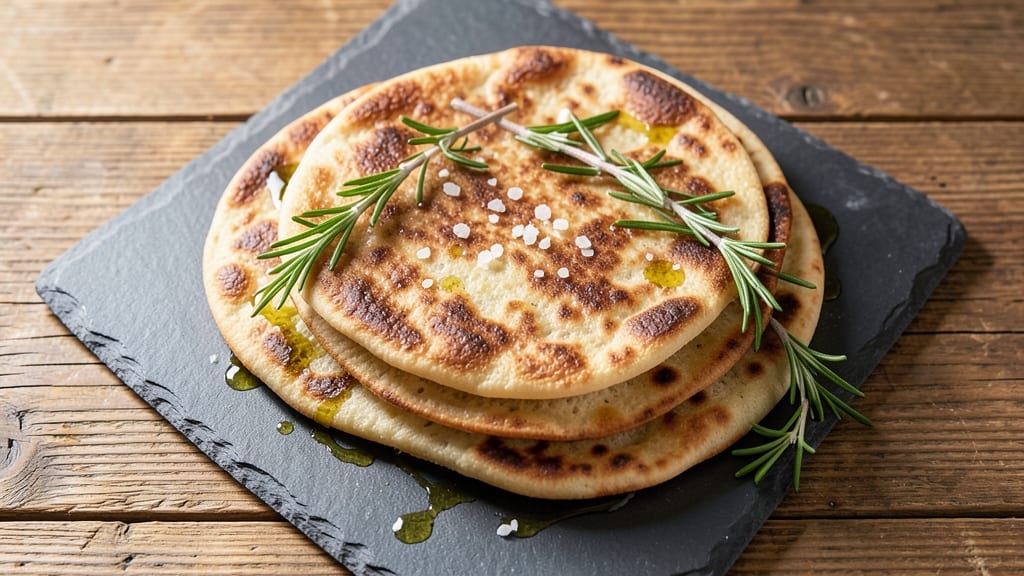
This brown rice flatbread recipe delivers the perfect balance of crispy edges and soft centers without a single yeast grain in sight. The secret lies in a simple mix of brown rice flour, warm water, and a pinch of salt that comes together in minutes.
What makes this recipe stand out is its versatility—it works as a wrap, side dish, or even a base for dips, all while keeping dietary preferences in mind.
With just five basic ingredients, you’ll achieve a golden, slightly chewy flatbread that’s lighter than traditional wheat-based versions but equally satisfying. The key is rolling the dough thin and cooking it on a hot skillet until those coveted crispy edges form.
Whether you’re serving it with curry, hummus, or simply enjoying it plain, this flatbread brings a fresh, wholesome twist to any meal.
Ingredients for brown rice flatbread
Five simple ingredients for a crispy, chewy flatbread with no yeast needed.
| Ingredient | Amount | Notes |
|---|---|---|
| Brown Rice Flour 🌾 | 1 ½ cups | Finely milled, for smooth dough |
| Warm Water 💧 | ¾ cup | 110°F for optimal hydration |
| Extra-Virgin Olive Oil 🫒 | 1 tbsp | For dough elasticity |
| Fine Sea Salt 🧂 | ½ tsp | Diamond Crystal preferred |
| Vegetable Oil 🫒 | 2 tbsp | For skillet cooking |
Brown rice flour is the star here—Bob's Red Mill or Annie's brands work best for that perfect texture. The flour should be finely milled; if you find it coarse, pulse it briefly in a food processor. Warm water is key; it activates the flour's proteins without overworking the dough. Room temperature water works in a pinch, but warm water gives you that signature crispy edge. For the olive oil, California-made brands like Bertolli or Pompeian add subtle flavor that complements the nutty rice flour.
No extra-virgin olive oil? Light olive oil or avocado oil keeps the same neutral profile. Short on vegetable oil? Ghee or coconut oil works for cooking, though it may add a slight aroma. The salt matters—Diamond Crystal dissolves more easily than table salt, so if that's all you have, reduce to 0.25 tsp. For extra crispiness, brush the cooked flatbread with a tiny bit of melted butter (vegetarian) or olive oil. If you can't find brown rice flour, white rice flour plus 1 tbsp cornstarch mimics the texture closely.
This dough keeps for 2 days in the fridge wrapped tightly in plastic. For longer storage, portion into balls and freeze for up to 3 months. Thaw at room temperature before rolling. The flatbread reheats beautifully—just 30 seconds in a dry skillet over medium heat. I like to make a batch on Sundays and freeze extras for quick weeknight meals. Store cooked flatbreads stacked with parchment paper between layers to prevent sticking.
Why You'll Love This Recipe
- Four-Ingredient Magic: I swear by this—just brown rice flour, warm water, olive oil, and salt. No yeast, no waiting, no fuss. Honestly, the dough comes together while I’m still debating what to eat for dinner.
- Nutty Earthy Crunch: That toasted brown rice flavor? It’s like a warm hug for your taste buds. The olive oil adds a subtle richness, and when you press it just right, the edges get this perfect crispy bite—like a cross between a tortilla and a cracker.
- Meal Prep MVP: I make a batch on Sundays and freeze them between parchment paper. Reheat in seconds—great for quick lunches, sandwiches, or even a fancy charcuterie board. (Yes, even on a Tuesday night.)
- Budget-Friendly Staple: Brown rice flour is cheap, and a little goes a long way. Plus, these flatbreads keep for days in the fridge or freeze beautifully. Between us, I’ve fed a houseful of hungry teens on less than $5 worth of ingredients.
Step-by-step instructions for brown rice flatbread
Here's how to create perfectly crisp-edged flatbreads with tender centers using simple ingredients.
Combine Dough Ingredients
In a medium mixing bowl, whisk together the 1.5 cups brown rice flour and 0.5 teaspoon fine sea salt. I use a fork for this step to avoid developing gluten, which keeps the flatbreads tender rather than chewy. Create a well in the center of the dry ingredients.
Pour in the 0.75 cup warm water (about 110°F) and 1 tablespoon extra-virgin olive oil. Using a wooden spoon, gently mix the ingredients until they begin to come together. The dough will be shaggy at first but will gradually form a cohesive mass. If it's too dry, add 1 teaspoon more warm water; if too sticky, add 1 tablespoon more flour.
Once combined, turn the dough out onto a lightly floured surface and knead gently for 2-3 minutes until smooth. You're not creating gluten like with wheat flour—just enough to bring the dough together. Wrap the dough tightly in plastic wrap and let it rest for 15 minutes at room temperature. This resting period allows the flour to fully hydrate and makes rolling easier.
Divide and Roll the Dough
After the dough rests, divide it into 4 equal portions (about ¼ cup each). I use a kitchen scale for accuracy, but you can eyeball it by comparing to the original dough mass. Keep the remaining portions covered with plastic wrap while you work with one piece.
On a clean work surface lightly dusted with brown rice flour, take one portion and roll it between your palms first to form a rough ball. Then, using a rolling pin, roll the ball into a ⅛-inch thick circle about 6 inches in diameter. Rotate the dough frequently as you roll to maintain even thickness. If it resists rolling, let it rest for another 2-3 minutes—the flour needs time to relax.
Repeat with the remaining dough portions, keeping them covered with a damp towel to prevent drying. The goal is consistency—each flatbread should be the same thickness for even cooking. If any dough feels too firm, let it rest longer before rolling.
Cook the Flatbreads in Vegetable Oil
Heat a 10-inch skillet over medium-high heat until it's very hot. Add 2 tablespoons vegetable oil and swirl to coat the bottom evenly. You'll know the oil is ready when it shimmers slightly—this ensures proper browning and crispiness.
Place one rolled flatbread into the skillet and cook for 1-2 minutes per side, until the edges turn golden brown and the center remains slightly pale. I press down gently on the flatbread during the first minute—this prevents it from curling and ensures even contact with the pan. Flip carefully using a thin spatula, being mindful of the hot oil.
Transfer the cooked flatbread to a paper towel-lined plate to drain excess oil. Repeat with the remaining flatbreads, adding more oil to the skillet as needed. The key to crispy edges is maintaining consistent heat—don't overcrowd the pan or the temperature will drop. Cook all four flatbreads this way, keeping them warm in a 200°F oven while you finish the batch.
Serve Immediately for Maximum Freshness
Flatbreads are best served immediately while they're still warm and slightly pliable. The contrast between the crispy golden edges and soft, slightly chewy center is what makes them special. If you need to reheat, warm in a dry skillet over medium heat for 30 seconds per side—this restores the crispiness without making them tough.
For serving, I like to brush the warm flatbreads with a thin layer of melted ghee or extra-virgin olive oil for added richness. They pair beautifully with curries, grilled meats, or as a wrap for fresh vegetables. The nutty flavor from the brown rice flour adds depth that complements both savory and slightly sweet fillings.
Pro Tips For Making Brown Rice Flatbread
- SIFT THE FLOUR FIRST: Brown rice flour is dense—don’t just dump it in. Sift it into your mixing bowl first to break up clumps and aerate the dough slightly. I learned this the hard way when my first batch turned out rock-hard because the flour packed together like sand.
- USE WARM WATER: Cold water makes the dough stiff and chewy. Warm water (not hot—just barely above room temp) helps the flour absorb moisture evenly and creates a smoother, more pliable dough. Think of it like making pancakes: warm liquids always win.
- REST THE DOUGH: Skip the resting step, and your flatbread will crack or tear when rolling. Let the dough sit covered for at least 15 minutes—this relaxes the gluten (even in brown rice flour) and makes it easier to handle. Yes, even if you’re impatient like me.
- SEAL WITH OIL, NOT WATER: Brush the rolled-out flatbread with vegetable oil (not water) before cooking—it creates a crispier, more stable crust. Extra-virgin olive oil works, but it burns faster; save that for drizzling after. A light coat is all you need—no need to drown it.
Flavor customization for this brown rice flatbread
Herb-Infused Variations
Add 1 tablespoon fresh herbs like cilantro, parsley, or dill directly to the dough for a fragrant twist. I like using cilantro for a bright, citrusy note that pairs perfectly with spicy fillings.
For a Mediterranean touch, mix in 1 teaspoon dried oregano or thyme—these earthy flavors complement grilled vegetables beautifully. 🌿
Spiced Flatbreads
Transform your flatbread into a savory spice bomb by adding ½ teaspoon each of cumin, coriander, and turmeric to the dough. For extra heat, include ¼ teaspoon cayenne pepper—this creates a warm, slightly smoky flavor that works wonders with chili or taco fillings.
I also love sprinkling garam masala on top before cooking for an aromatic finish.
Seed & Nut Enhancements
Boost texture and nutrition by mixing in 2 tablespoons toasted sesame seeds, sunflower seeds, or chopped walnuts into the dough. These add crunch and a nutty depth that balances the softness of the flatbread.
For a sweeter version, fold in 1 tablespoon honey or maple syrup along with 1 teaspoon cinnamon—perfect for dessert wraps or breakfast flatbreads.
Cheese & Savory Add-Ins
For a cheesy twist, fold ¼ cup shredded mozzarella or feta into the dough before rolling. The cheese melts slightly during cooking, creating pockets of creamy goodness. I also love adding ¼ cup finely chopped spinach or kale for a nutrient boost—just
Sweet & Breakfast-Friendly
Turn your flatbread into a breakfast star by adding 1 tablespoon ground flaxseed and 1 teaspoon cinnamon to the dough. Top with sliced banana or apple and a drizzle of honey after cooking for a delicious morning treat. For a protein-packed version, mix in 2 tablespoons almond flour and serve with nut butter and jam.
Nutrition facts
Frequently asked questions
Can I make this flatbread without a rolling pin?
If you don't have a rolling pin, flatten the dough ball between your palms or use a heavy pan. Press firmly in circular motions until you reach ⅛-inch thickness. For extra evenness, wrap the dough in plastic and gently pound it with a meat mallet or the bottom of a pot. The key is patience—let the dough rest for 2-3 minutes if it resists shaping.
Why is my brown rice flatbread turning out dense instead of crispy?
Dense flatbread usually means the dough wasn't rolled thin enough or cooked at the right temperature. Aim for ⅛-inch thickness and use a very hot skillet (medium-high heat) until the edges are golden brown. Another tip: press down gently with a spatula during the first minute of cooking to prevent curling. If the dough feels too dry, add 1 teaspoon warm water when mixing.
How can I make these flatbreads gluten-free?
This recipe is already gluten-free if using certified brown rice flour! For extra insurance, check labels to ensure no cross-contamination. If you want to boost nutrition, replace ½ cup of the brown rice flour with almond flour or tapioca starch. The texture remains similar, but almond flour adds a slight nuttiness that pairs well with savory fillings.
Can I bake these flatbreads instead of pan-frying?
Yes! Preheat your oven to 425°F and brush the rolled flatbreads with olive oil. Bake for 8-10 minutes on a parchment-lined tray until the edges are golden. For extra crispiness, place them under the broiler for the last 1-2 minutes. Baked flatbreads have a lighter texture but still hold up well for wraps—just brush with oil after baking to restore some crispness.
What's the best way to store leftover flatbread?
Keep cooked flatbreads fresh by stacking them between parchment paper in an airtight container. They'll stay soft for 2 days at room temperature. For longer storage, freeze individual flatbreads wrapped in plastic for up to 3 months. To reheat, warm in a dry skillet over medium heat for 20-30 seconds per side—this restores that perfect crispy edge without drying them out.