
Main Courses
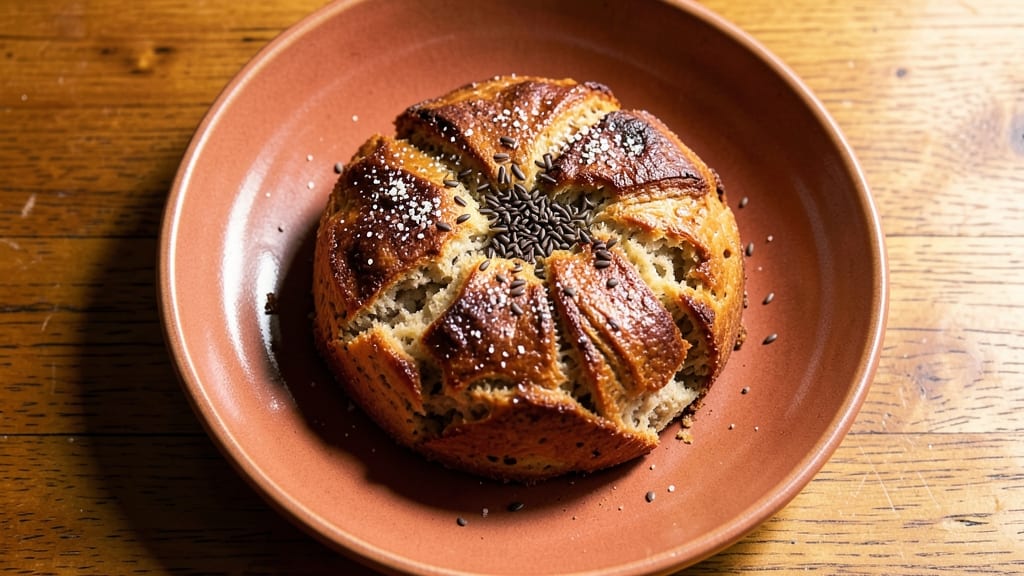
This yeast-free brown rice flour bread delivers a nutty, dense loaf that’s surprisingly easy to make with no-knead effort. The secret lies in plant-based leavening—baking powder and apple cider vinegar create lift while keeping the texture moist and hearty.
Perfect for gluten-free, grain-free, or high-fiber diets, this bread proves wholesome ingredients can still yield satisfying results.
With just a handful of simple steps, you’ll achieve a rich, flavorful loaf that’s ideal for sandwiches, toast, or serving alongside soups. The no-knead method saves time, while the brown rice flour adds a subtle earthiness that pairs beautifully with savory fillings.
Let’s get started on a bread that’s as nutritious as it is delicious.
Ingredients for brown rice flour bread recipe yeast free
Plant-based flours, natural leaveners, and strategic binders create this yeast-free loaf's signature texture.
| Ingredient | Amount | Notes |
|---|---|---|
| Brown Rice Flour 🌾 | 2 ½ cups | Fine-milled for optimal texture |
| Almond Flour 🌰 | 1 cup | Blanched preferred for neutral flavor |
| Tapioca Starch 🌿 | ½ cup | For elasticity and chewiness |
| Baking Powder 🍞 | 2 tsp | Metal-free for reliable rise |
| Apple Cider Vinegar 🍎 | 1 tbsp | Raw, unfiltered preferred |
| Ground Flaxseed 🌱 | 1 ½ tbsp | Acts as egg substitute |
| Water 💧 | 1 ¼ cups | Room temperature for best results |
| Extra-Virgin Olive Oil 🫒 | ½ cup | High-quality, fruity variety |
| Nutritional Yeast 🧀 | 2 tbsp | For cheesy flavor and B vitamins |
| Salt 🧂 | 1 ½ tsp | Diamond Crystal preferred |
| Psyllium Husk Powder 🌿 | 1 tbsp | Critical for structure and rise |
| Sunflower Seeds 🌻 | ¼ cup | Toasted for added crunch |
The brown rice flour forms the bread's nutty foundation—opt for Bob's Red Mill or Anthony's Goods for consistent milling. Almond flour adds richness, but avoid pre-ground varieties that oxidize quickly; toast your own in a dry pan for 5 minutes to deepen flavor. Tapioca starch is non-negotiable for that pull-apart chewiness—Bob's Red Mill brand works reliably. Psyllium husk powder (found in health food sections) acts as a gluten substitute, so measure precisely: too little yields crumbly bread, too much creates gumminess. For vinegar, Bragg's raw apple cider vinegar adds subtle tang without overpowering.
No flaxseed? Chia seeds work at double the amount (3 tbsp), but grind them fresh for best results. Substituting almond flour? Sunflower seed flour maintains neutral flavor but lacks fat content—add 1 tbsp extra olive oil. Nutritional yeast can be omitted for a less cheesy profile, but the Bragg's or Nutiva brands provide optimal umami depth. For the water, filtered is ideal, but tap water works if your local supply is soft. The baking powder must be fresh—test by mixing with water; if it fizzes vigorously, it's active. Diamond Crystal kosher salt is preferred for its fine grain, but Morton works in a pinch.
Store the loaf wrapped in a clean kitchen towel at room temperature for up to 3 days to maintain freshness. For longer storage, slice and freeze portions in airtight containers for up to 3 months—reheat in a 350°F oven for 5-7 minutes. The psyllium mixture can be prepped 24 hours ahead and stored in the fridge, saving active baking time. Leftovers make excellent croutons or breadcrumbs—pulse in a food processor for texture versatility.
Why You'll Love This Recipe
- No Yeast, No Stress: Mixing this dough takes about 5 minutes—just fold the brown rice flour, almond flour, and tapioca starch with a splash of apple cider vinegar. The baking powder does all the rising work, so you’re not waiting hours for proofing like with traditional bread.
- Nutty Crunch Surprise: The almond flour adds a subtle buttery richness, while the brown rice flour keeps it hearty. Honestly, the first bite reminds me of a cross between sourdough and a fancy almond biscotti—but way easier to make.
- Weeknight Sandwich Hero: This bread holds up perfectly for PB&J lunches or avocado toast breakfasts, and it freezes like a dream. I keep a loaf in the freezer for lazy mornings—just toast straight from frozen, no thawing needed.
- Pantry-Friendly Budget Win: Brown rice flour and almond flour are shelf-stable, so no last-minute grocery runs. Between us, I’ve made this with whatever I had on hand—sometimes even swapping in a little coconut flour—and it still turns out solid every time.
Step-by-step instructions for brown rice flour bread
This yeast-free loaf delivers a nutty, dense crumb with no-knead convenience and perfect rise.
Combine Dry Ingredients for Optimal Texture
In a large mixing bowl, whisk together the 2.5 cups brown rice flour, 1 cup almond flour, 0.5 cup tapioca starch, 2 tsp baking powder, 2 tbsp nutritional yeast, and 1.5 tsp salt. Sift the dry ingredients through a fine-mesh sieve directly into the bowl to eliminate any lumps and ensure even distribution of the baking powder. This step creates the foundation for your bread's structure and rise.
The tapioca starch and psyllium husk powder will later bind the moist ingredients, while the almond flour adds richness. I recommend using a whisk for this step to fully aerate the dry ingredients before adding liquids. Set this mixture aside while you prepare the wet components.
Create the Flaxseed Egg Substitute and Wet Mixture
In a separate small bowl, combine the 1.5 tbsp ground flaxseed with 3 tbsp of the 1.25 cups water. Let this mixture sit for 5 minutes to thicken into a gel-like consistency that mimics egg. This flaxseed mixture is crucial for binding the bread together without traditional eggs.
In another medium bowl, whisk together the remaining 1 cup water, 0.5 cup extra-virgin olive oil, 1 tbsp apple cider vinegar, and the thickened flaxseed mixture. The vinegar will react with the baking powder later to create lift. Measure the water precisely—too much will make the dough too wet, while too little will result in a dense, dry loaf.
Mix Wet and Dry Ingredients to Form a Cohesive Dough
Gradually pour the wet mixture into the bowl of dry ingredients while stirring with a wooden spoon or silicone spatula. Mix until just combined—you should have a thick, sticky dough that pulls away from the sides of the bowl. Avoid overmixing, which can develop gluten and make the bread tough.
At this stage, the dough will be quite wet and may appear under-mixed. Add the 1 tbsp psyllium husk powder and mix again until fully incorporated. The psyllium will absorb moisture and create the necessary structure for a proper rise. Let the dough rest for 5 minutes while you prepare your baking vessel.
Prepare and Bake the Loaf for Perfect Rise
Preheat your oven to 350°F. Lightly grease a 9x5-inch loaf pan with olive oil or line it with parchment paper for easy removal. Transfer the dough to the prepared pan and smooth the top with a wet spatula. Sprinkle the 0.25 cup sunflower seeds evenly over the top for added crunch and visual appeal.
Bake for 50-55 minutes, until the top is golden brown and a toothpick inserted into the center comes out clean. The bread should have risen significantly in the pan, with a firm yet slightly springy texture when pressed gently. If the top browns too quickly, tent the pan with foil after 30 minutes to prevent over-browning while ensuring even cooking.
Cool and Serve for Maximum Flavor Development
Remove the bread from the oven and let it cool in the pan for 10 minutes. Then transfer it to a wire rack to cool completely for at least 30 minutes. This cooling period allows the internal structure to set and prevents a gummy texture. The bread will continue to firm up as it cools, developing its characteristic nutty flavor.
Slice the bread with a serrated knife for clean cuts. Serve warm or at room temperature with olive oil for dipping or alongside soups and stews. Store any leftovers in an airtight container at room temperature for up to 3 days or freeze for longer storage. The flavor actually improves slightly over time as the starches retrograde.
Pro Tips For Making Brown Rice Flour Bread Recipe Yeast Free
- Sift the Flours Together: Don’t just dump the brown rice flour and almond flour into the bowl—sift them first, especially if you’re using almond flour straight from the bag. Those little clumps are sneaky and can make your bread dense, even with tapioca starch to help. I learned this the hard way when my first batch turned out like a brick.
- Measure the Vinegar Precisely: Apple cider vinegar is your leavening stand-in, so don’t eyeball it. Use a kitchen scale or a proper measuring spoon (1 tablespoon is 15 mL, not "a splash"). Too little, and your bread won’t rise; too much, and it’ll taste sharp. I was skeptical until I tried it—now I measure like my life depends on it.
- Don’t Overmix the Batter: Once you add the wet ingredients, stir just until combined. Gluten-free flours like brown rice and almond don’t need kneading, and overmixing makes the texture gummy. Fold in the tapioca starch last—it’s your secret weapon for keeping things light. I skip this when I’m lazy, but the bread is noticeably better when I don’t.
- Bake with a Steam Trick: Place a small ramekin of water in the oven before preheating, then slide it onto the lower rack when you put your bread in. The steam helps the crust form without drying out the crumb—critical for gluten-free bread, which can turn tough fast. Sounds weird, but it works: my first batch with this trick actually had a crispy edge without being dry inside.
Flavor customization for brown rice flour bread recipe yeast free
Sweet Variations
Transform your yeast-free loaf into a sweet breakfast bread by swapping 2 tbsp of the brown rice flour for cinnamon and adding ½ cup raisins or chopped dates. Boost moisture with ¼ cup maple syrup—fold it into the wet mixture for natural sweetness.
For extra richness, replace ½ cup almond flour with oat flour (blend rolled oats) and sprinkle the top with pearl sugar before baking. 🍯
Herb-Infused Twists
Elevate the savory profile with fresh herbs like 1 tbsp chopped rosemary or thyme mixed into the dry ingredients. For a Mediterranean touch, add 2 tbsp sun-dried tomato paste to the wet mixture along with 1 tsp garlic powder.
Finish with a sprinkle of flaky sea salt and black sesame seeds on top before baking. The herbs infuse beautifully into the dense crumb. 🌿
Spiced & Smoky
Create a smoky-sweet loaf by adding 1 tsp smoked paprika and ½ tsp ground coriander to the dry ingredients. For depth, stir 1 tbsp liquid smoke (like Alaskan Smokehouse) into the wet mixture.
Top with crushed red pepper flakes and toasted pumpkin seeds for contrast. This variation pairs perfectly with chili or BBQ dishes. 🔥
Seed & Nut Enhancements
Boost texture and nutrition by folding in ¼ cup toasted pecans or walnuts (chopped) and 2 tbsp hemp seeds into the dough. For a nutty crunch, press extra seeds into the top before baking.
Swap sunflower seeds for pumpkin seeds or chia seeds for a different flavor profile. These additions add protein and healthy fats without altering the bread’s structure. 🌰
Citrus Zest Brightness
Add a refreshing twist with 1 tbsp lemon or orange zest mixed into the wet ingredients. Pair with 1 tsp grated lemon juice for brightness. The citrus cuts through the richness of the almond flour and complements the nutty brown rice base.
Garnish with dehydrated citrus slices on top for visual appeal. 🍋
Savory Cheese Boost
For a cheesy variation, stir in ½ cup shredded vegan cheese (like Miyoko’s Mozzarella) or nutritional yeast into the dry ingredients. Add ½ tsp garlic powder and ½ tsp onion powder for depth.
Top with everything bagel seasoning** before baking. This version excels with soups or as a sandwich base. 🧀
Nutrition facts
Frequently asked questions
Why does my brown rice flour bread turn out dense instead of light?
Brown rice flour lacks gluten, so the texture will always be denser than wheat bread. To improve rise, ensure your baking powder is fresh (test by mixing with water—it should fizz) and measure the psyllium husk powder precisely (too little = dense crumb). Let the dough rest 10 minutes after mixing to hydrate properly.
Can I substitute almond flour with another nut flour?
Yes! Swap almond flour for cashew flour (neutral flavor) or sunflower seed flour (nut-free). Add 1 tbsp extra olive oil if using sunflower flour since it lacks fat. Avoid coconut flour—it absorbs too much moisture and requires additional liquid. Toast your flour first to enhance flavor.
How do I prevent the bread from sticking to the pan?
Line your loaf pan with parchment paper or use a well-greased pan. For extra insurance, brush the sides with olive oil before adding the dough. If the dough feels too sticky, add 1 tsp more psyllium husk powder (it acts as a binder). Avoid overgreasing—the bread needs to set properly during cooling.
What’s the best way to revive stale brown rice flour bread?
Wrap the bread in a damp kitchen towel and microwave for 10-15 seconds to restore moisture. For a crispier texture, toast slices in a 350°F oven for 3-5 minutes. Store leftovers in an airtight container with a slice of apple or banana to slow staling.
Can I make this bread without psyllium husk?
Yes, but the texture will be crumbly. Replace psyllium with 1 tbsp ground chia seeds or flaxseed mixed with 3 tbsp water (let sit 5 minutes to gel). For structure, add 2 tbsp extra tapioca starch** to the dry ingredients. The bread will be less elastic but still flavorful.