
Main Courses
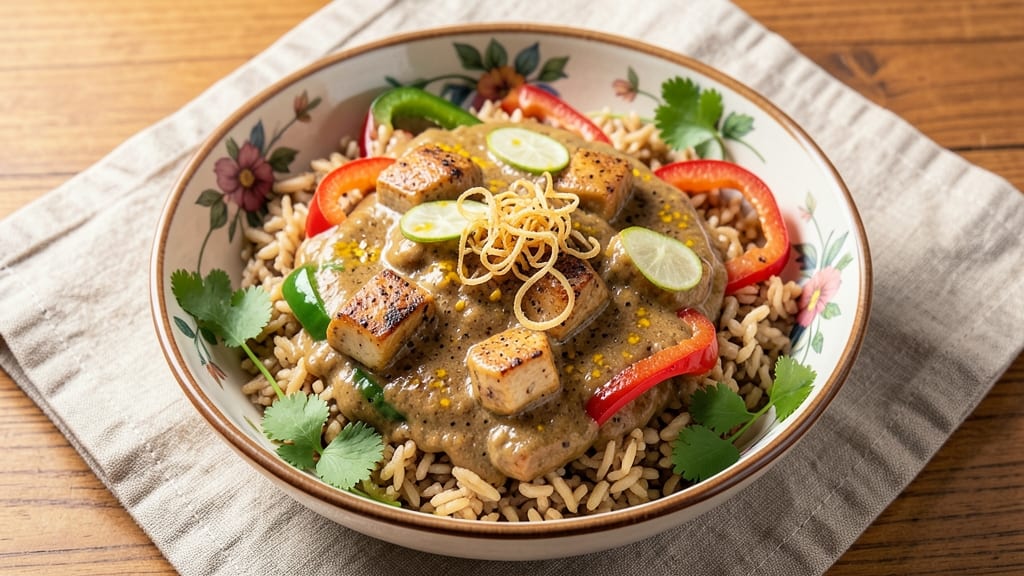
This brown rice curry recipe transforms simple ingredients into a fragrant, aromatic dish where coconut milk and turmeric create a spice harmony that lingers long after the last bite.
The secret lies in toasting whole spices to unlock their full potential, then simmering everything together until the rice absorbs the rich, velvety sauce.
What sets this curry apart is the perfect balance of texture—tender brown rice with a slight chew, soft vegetables, and a sauce that's neither too thick nor too thin.
The turmeric infuses warmth, while ginger and garlic add depth, all wrapped in creamy coconut milk for a restaurant-quality result you can make at home in under an hour.
Ingredients for brown rice curry
Simple pantry staples elevate to restaurant-quality curry with toasting and simmering.
| Ingredient | Amount | Notes |
|---|---|---|
| Brown Rice 🍚 | 1 cup | Uncooked, long-grain preferred |
| Coconut Milk 🥥 | 1 can (13.5 oz) | Full-fat for creaminess |
| Turmeric Powder 🌿 | 1 tbsp | Freshly ground preferred |
| Ground Cumin 🌿 | 1 tsp | Toasted for deeper flavor |
| Ground Coriander 🌿 | 1 tsp | Freshly ground preferred |
| Ginger Root 🧅 | 1 tbsp | Freshly grated, peeled |
| Garlic Cloves 🧄 | 4 cloves | Minced for even distribution |
| Onion 🧅 | 1 medium | Diced, yellow or red |
| Carrots 🥕 | 2 medium | Diced, peeled |
| Canned Diced Tomatoes 🍅 | 1 can (14.5 oz) | San Marzano preferred |
| Vegetable Broth 💧 | 1 cup | Low-sodium preferred |
| Olive Oil 🫒 | 2 tbsp | Extra-virgin for richness |
| Salt 🧂 | ½ tsp | Kosher or sea salt |
| Black Pepper 🌶️ | ¼ tsp | Freshly ground preferred |
The brown rice is the foundation—long-grain varieties hold up best to the sauce. For spices, Penzeys or bulk bins offer the freshest ground options, but pre-ground works in a pinch. Coconut milk matters here: full-fat gives that velvety texture, while light versions thin the sauce. I always grab San Marzano tomatoes when possible—they're sweeter and less acidic, which balances the spices perfectly. Toasting whole spices (cumin, coriander) in the olive oil first unlocks their flavors, so don't skip that step.
No fresh ginger? Powdered ginger at half the amount works, but you'll lose some depth. Swap carrots for cauliflower or sweet potatoes if you prefer. The vegetable broth can be subbed with water, but low-sodium is key—you don't want to over-salt the dish. For a quicker version, use pre-diced onions and carrots (the Trader Joe's frozen diced mix is perfect for this). The turmeric is non-negotiable—it's what gives that signature golden color and earthy warmth, so don't skip it.
Rice keeps best in an airtight container for 4-5 days in the fridge, but the curry sauce reheats even better—flavors meld overnight. Freeze portions of the sauce separately for up to 3 months. I like to make a double batch: one for dinner, one for lunches. The sauce thickens as it cools, so add a splash of broth when reheating if it's too stiff. Store fresh ginger in the freezer to preserve its potency—just grate it frozen right into the pot.
Why You'll Love This Recipe
- One-Pot Magic: I swear by this recipe when I’m too tired to wash extra bowls. Just brown rice, coconut milk, and a pinch of spices—simmer it all together, and boom, dinner’s done. No straining, no fussing, just rich, fragrant layers of flavor in one pot.
- Golden Spice Bomb: That first whiff of cumin and coriander hitting the coconut milk? Pure comfort. The turmeric gives it that warm, earthy glow, while the rice soaks up all the creamy, slightly spiced goodness. It’s the kind of dish that tastes even better the second day—if you can wait.
- Meal Prep MVP: Between us, this curry is my lunchbox lifesaver. Cook a big batch on Sunday, and you’ve got flavor-packed lunches for the week. The rice holds up perfectly, and the spices only get deeper as it sits. (Yes, even on a Tuesday night.)
- Budget-Friendly Luxury: Brown rice and coconut milk stretch like crazy, so you’re feeding a crowd without breaking the bank. Honestly, I make this when I’m testing out new veggies or proteins—it’s the ultimate flavor amplifier. Leftovers? Even better.
Step-by-step instructions for brown rice curry
Here's how to build a rich, aromatic curry with perfectly cooked brown rice and vibrant spices.
Toast the Spices for Maximum Flavor
Heat a large skillet over medium heat and add the 2 tablespoons olive oil. Once the oil shimmers, add the 1 tablespoon turmeric powder, 1 teaspoon ground cumin, and 1 teaspoon ground coriander. Toast for 30 seconds until the spices release their aroma and turn slightly darker in color.
This step is crucial—it deepens the spice flavors by releasing their essential oils. Watch carefully; you want them to smell fragrant but not burn. Immediately add the 1 tablespoon grated ginger root and 4 minced garlic cloves, cooking for another 1 minute until the garlic becomes golden and fragrant.
Sauté the Vegetables Until Tender
Add the 1 diced medium onion and 2 diced medium carrots to the skillet. Stir to coat in the spice mixture and cook for 5-6 minutes until the onions soften and begin to caramelize slightly at the edges. The carrots should also become tender but still hold their shape.
This cooking time ensures the vegetables develop sweetness while maintaining their texture. If the onions start to brown too quickly, reduce the heat slightly. You want them to be translucent with just a hint of color—this prevents bitterness in your curry.
Build the Curry Base with Tomatoes and Broth
Pour in the 1 can (14.5 oz) canned diced tomatoes and stir to combine with the vegetables. Cook for 3-4 minutes until the tomatoes break down slightly and the mixture thickens. Add the 1 cup vegetable broth and bring to a gentle simmer.
The tomatoes should soften enough to create a rich base while retaining some texture. If the mixture seems too thick, add 2-3 tablespoons water to achieve a smooth, spoonable consistency. This is the foundation of your curry—don't rush this step.
Cook the Brown Rice Separately
While the curry simmers, rinse the 1 cup brown rice under cold water until the water runs clear. In a separate pot, combine the rinsed rice with 2 cups water (or enough to cover by about 1 inch) and bring to a boil. Reduce heat to low and simmer for 30-40 minutes until the rice is tender and the liquid is absorbed.
Brown rice takes longer than white rice, but this separate cooking prevents a mushy curry. The rice should be al dente with a slight bite. If you prefer softer rice, add an extra ¼ cup water and cook for another 5 minutes.
Combine and Finish with Coconut Milk
Once the rice is cooked, stir the 1 can (13.5 oz) full-fat coconut milk into the curry base. Add the 0.5 teaspoon salt and 0.25 teaspoon black pepper, then simmer for 5-7 minutes until the flavors meld and the curry reaches your desired consistency.
The coconut milk should create a creamy texture while keeping the curry vibrant in color. Taste and adjust seasoning—you may need a pinch more salt or a splash of broth if the curry is too thick. Serve the curry immediately over the cooked brown rice for the perfect balance of texture and flavor.
Pro Tips For Making Brown Rice Curry
- Toast the spices first: I learned this the hard way—skipping the toasting step makes your cumin and coriander taste dull. Dry-toast them in a pan for 30 seconds until fragrant before adding oil; that’s when their flavors actually wake up and blend into the coconut milk properly.
- Use thick coconut milk: Thin coconut milk releases too much water and turns your curry into soup. Grab the full-fat canned version (like Thai Kitchen) and stir in just the bottom layer’s creamier bit—it’ll make the sauce richer without thinning it out.
- Cook the rice separately: Dumping brown rice into the curry pot guarantees mushy grains and uneven texture. Cook it first in a separate pot (or microwave it covered with water for 40 minutes), then fold it into the finished curry. Trust me, the texture stays perfect.
- Bloom the turmeric early: Add turmeric powder to the dry spices before the oil—this lets it dissolve fully and prevents splotchy color. Skip this, and you’ll end up with weird yellow streaks instead of a smooth, vibrant base.
Health benefits of this recipe
Digestive Harmony
Brown rice is a whole grain powerhouse, packed with fiber that supports healthy digestion and keeps you full longer. The 5 grams of fiber per cup helps regulate blood sugar and promotes gut health, making this curry a satisfying, balanced meal.
Pair it with the curry’s gentle spices for a digestive-friendly combination that’s easier on your system than many processed meals. 🌱
Anti-Inflammatory Spice Blend
The turmeric and ginger in this curry are natural anti-inflammatory stars. Turmeric contains curcumin, a compound linked to reduced inflammation and joint health, while ginger aids digestion and may help with nausea.
Together, they create a flavor profile that’s as good for your body as it is for your taste buds. I always notice a difference in how I feel after eating this dish regularly.
Plant-Based Protein Boost
While not a complete protein on its own, this curry delivers plant-based protein from the brown rice and coconut milk. A serving provides about 7-8 grams of protein, which helps with muscle repair and satiety.
For extra protein, add chickpeas or tofu—both blend seamlessly into the curry’s creamy texture. This makes it a great option for vegetarian or vegan diets.
Heart-Healthy Fats
The full-fat coconut milk adds richness while contributing medium-chain triglycerides (MCTs), a type of fat that supports heart health and energy levels. These fats are metabolized quickly, providing a steady energy boost without the crash.
Just ½ cup of coconut milk delivers about 5 grams of healthy fats, making this curry a smarter choice than many creamy dishes. 💛
Nutrient-Dense Vegetables
Carrots and onions bring vitamin A, vitamin C, and potassium to the table. Carrots are rich in beta-carotene, which supports eye health, while onions add flavonoids that may help reduce inflammation.
The combination of these veggies ensures you’re getting a dose of essential vitamins and minerals with every bite. I love how their natural sweetness balances the spices.
Blood Sugar Balance
Brown rice has a lower glycemic index than white rice, meaning it releases glucose more slowly into your bloodstream. This helps maintain steady energy levels and prevents blood sugar spikes.
The fiber in brown rice also slows digestion, keeping you full and satisfied. It’s a smart choice for anyone watching their blood sugar or managing diabetes. 💡
Nutrition facts
Frequently asked questions
Can I substitute white rice for brown rice in this curry?
While you can use white rice, it won't have the same nutritional benefits or texture. Brown rice adds a satisfying chew and absorbs the curry sauce beautifully. If you're short on time, cook white rice first, then simmer it in the curry sauce for 5-10 minutes to soften it further. The flavor will still be delicious, but the dish won't be as hearty or fiber-rich.
How can I make this curry spicier without adding heat?
For more depth and warmth, increase the spices gradually. Start with an extra ½ teaspoon of ground cumin and ½ teaspoon of ground coriander, then add ½ teaspoon of freshly grated ginger. Toast these spices for 30-45 seconds to enhance their flavor. For a smoky touch, add ¼ teaspoon of smoked paprika when toasting the spices. This builds complexity without overwhelming heat.
What’s the best way to reheat leftover brown rice curry?
Reheat gently on the stovetop over low heat with 1-2 tablespoons of water or broth to prevent drying. Stir frequently and cover with a lid to retain moisture. If the sauce thickens too much, add a splash of coconut milk or broth. Microwaving works too—heat for 1-2 minutes with a damp paper towel over the dish to keep it moist. Avoid reheating more than once to preserve texture and flavor.
Can I make this curry ahead of time?
The curry sauce actually tastes better the next day as flavors meld. Cook the rice separately and store it in an airtight container for up to 4 days. Store the curry sauce separately in the fridge for up to 5 days or freeze for 3 months. Reheat the sauce first, then mix with rice just before serving to keep it tender. The spices will deepen in flavor overnight.
What are good sides to serve with this curry?
This curry pairs beautifully with cooling sides like mango chutney, raita (yogurt dip), or a simple cucumber salad. For extra protein, serve with garlic naan or steamed basmati rice. A sprinkle of fresh cilantro or lime wedges brightens the dish. If you want a heartier meal, add a side of roasted chickpeas or sautéed spinach.