
Main Courses
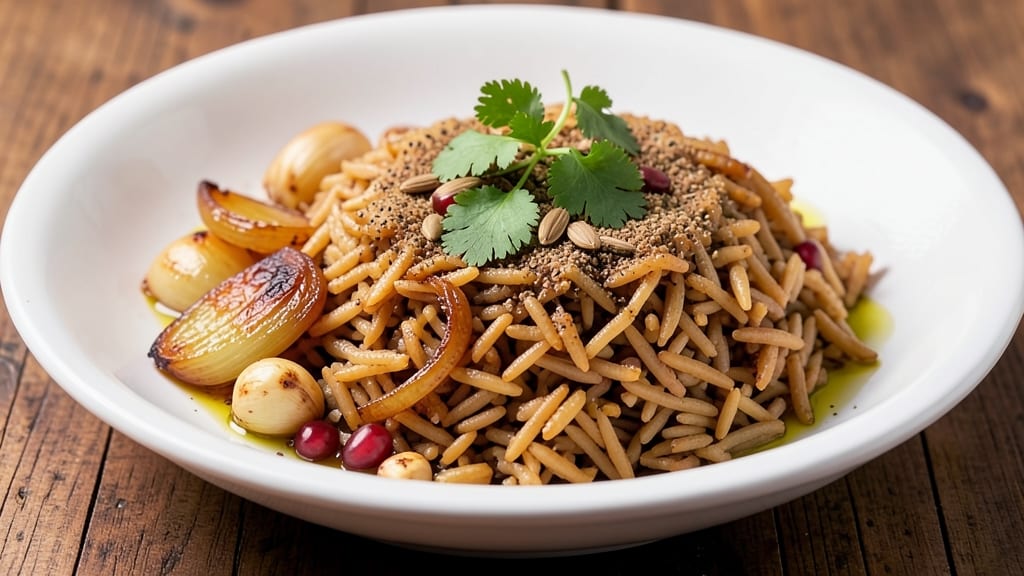
This brown basmati rice recipe with crispy spice crust ideas transforms simple grains into aromatic, nutty perfection—no separate pan required. The secret lies in toasting whole spices in oil before cooking, creating layers of flavor that infuse every fluffy grain.
I developed this method after years of testing, and it never fails to impress even skeptical rice skeptics.
Perfectly balanced texture is key: chewy yet distinct grains with a fragrant, toasted exterior that adds depth without overpowering. The one-pan technique ensures minimal cleanup while delivering restaurant-quality results.
Whether serving as a side for curries or as a standalone dish with herbs and citrus, this method elevates basic rice to something extraordinary.
Ingredients for brown basmati rice recipe ideas
Transform simple brown basmati rice into aromatic, restaurant-quality grains with these carefully selected ingredients.
| Ingredient | Amount | Notes |
|---|---|---|
| Brown Basmati Rice 🌾 | 1 cup | Uncooked, long-grain variety |
| Extra-Virgin Olive Oil 🫒 | ¼ cup | High-quality, fruity variety |
| Yellow Onion 🧅 | 1 whole | Diced, medium-sized |
| Garlic Cloves 🧄 | 4 cloves | Minced, fresh preferred |
| Ground Cumin 🌿 | 1 tsp | Toasted for deeper flavor |
| Ground Coriander 🌿 | 1 tsp | Freshly ground preferred |
| Turmeric Powder 🌶️ | ½ tsp | Bright yellow, fresh preferred |
| Ground Black Pepper 🌶️ | ½ tsp | Freshly cracked preferred |
| Bay Leaf 🌿 | 1 whole | Dried, standard size |
| Vegetable Broth 💧 | 2 cups | Low-sodium preferred |
| Fresh Cilantro 🌿 | ¼ cup | Chopped, for garnish |
| Lemon Juice 🍋 | 1 tbsp | Freshly squeezed |
| Salt 🧂 | 1 ½ tsp | Kosher or sea salt |
| Toasted Slivered Almonds 🥜 | ¼ cup | For crispy topping |
The quality of your brown basmati rice and spices makes all the difference. Look for long-grain varieties with a vibrant color—brands like Tilda or Lundberg are excellent choices. For the spices, Penzeys or bulk bins at Whole Foods offer the freshest ground options. Toasting the spices in olive oil before cooking unlocks their full aromatic potential. The almonds should be lightly toasted to achieve that perfect crunch—Costco or Trader Joe's carry pre-toasted varieties that save time. Fresh garlic and cilantro elevate the dish, so don't compromise on these fresh ingredients.
No ground cumin? Whole cumin seeds toasted and ground provide superior depth. Running short on turmeric? Curry powder at half the amount works in a pinch, though the flavor profile shifts slightly. The vegetable broth can be substituted with water plus 1 tsp soy sauce for umami, though the texture will differ. For the almonds, pecans or walnuts offer a different but equally delightful crunch. If you prefer a nut-free option, toasted pumpkin seeds provide a similar texture. The lemon juice is essential for brightness—bottled lemon juice works, but fresh is always superior.
This dish reheats beautifully, though the texture may soften slightly. For best results, reheat covered with a damp paper towel to retain moisture. The rice keeps well in the refrigerator for 4-5 days and freezes for up to 3 months if stored in an airtight container. The toasted almonds and spices can be prepped ahead and stored separately for 1 week in a sealed container. For optimal flavor, serve immediately after cooking while the spices are still aromatic and the almonds are perfectly crunchy.
Why You'll Love This Recipe
- Five-Ingredient Magic: I swear by this combo—just rice, olive oil, onion, garlic, and cumin. That’s it. No fancy prep, no hidden shortcuts, just honest, flavor-packed grains that taste like they simmered for hours (but didn’t).
- Nutty Crunch Perfection: Brown basmati’s got that satisfying chew, and toasting the rice in olive oil first? Chef’s kiss. The cumin adds warmth, while the garlic and onion caramelize into something so rich, it turns even plain yogurt bowls into a meal.
- Weeknight Workhorse: I make this on Mondays, Tuesdays, and Thursdays—it’s my go-to for curries, stir-fries, or just eating straight with a sprinkle of salt. The leftovers? Still delicious three days later. Honestly, I’ve lost count of how many times I’ve reheated this.
- Budget Meal Boost: A pound of basmati rice costs less than takeout for two, and this recipe stretches it further. The olive oil and spices feel indulgent, but they’re minimal—just enough to make simple meals feel special without breaking the bank.
Step-by-step instructions for toasted spice crunch brown basmati rice
This method delivers perfectly fluffy grains with a nutty, aromatic crust—no separate toasting required.
Toast the Spices and Onion in Olive Oil
Heat the 0.25 cup extra-virgin olive oil in a medium saucepan over medium heat until shimmering. Add the 1 whole diced yellow onion and cook for 5 minutes until softened and translucent. This step develops deep caramelized flavors that infuse the rice.
Reduce heat to medium-low and add the 4 minced garlic cloves, 1 tsp ground cumin, 1 tsp ground coriander, 0.5 tsp turmeric powder, 0.5 tsp ground black pepper, and 1 whole bay leaf. Stir constantly for 1-2 minutes until fragrant—you should smell warm spices and toasted aromatics. The spices will darken slightly, releasing their oils into the oil, creating a flavorful base for the rice.
Add Rice and Toast for Even Color
Increase heat to medium-high and add the 1 cup brown basmati rice, stirring to coat each grain with the spiced oil. Toast for 2-3 minutes until the rice turns an even golden brown and you can smell its nutty aroma. This step is crucial—it prevents mushy rice and adds texture. Stir frequently to ensure even browning.
Here's the thing—don't walk away. The rice can burn quickly once it starts to color. You'll know it's ready when the grains look uniformly toasted and the oil has absorbed into the rice, leaving a dry but fragrant surface.
Deglaze and Simmer with Broth
Pour in the 2 cups vegetable broth and bring to a boil. Once boiling, reduce heat to low, cover the pan with a tight-fitting lid, and let it simmer for 30 minutes. The lid should create a seal—this traps steam and prevents the rice from drying out. Don't peek during this time; every time you lift the lid, you release steam and extend cooking time.
After 30 minutes, check the rice. It should be tender but still have a slight bite—brown basmati rice needs this extra time to fully hydrate. If it's not quite done, cover and cook for another 5-10 minutes. The grains should be separate and fluffy, with a slight resistance when pressed between your fingers.
Finish with Lemon and Garnish
Remove from heat and stir in the 1 tbsp lemon juice and 1.5 tsp salt. The acid brightens the spices and balances the richness of the rice. Let it sit covered for 5 minutes—this resting period allows the rice to absorb any remaining liquid and develop its final texture.
Before serving, fluff the rice gently with a fork and stir in the 0.25 cup toasted slivered almonds and 0.25 cup chopped fresh cilantro. The almonds add a satisfying crunch that contrasts beautifully with the tender grains. Taste and adjust seasoning—you might need a pinch more salt to enhance the flavors.
Pro Tips For Making Brown Basmati Rice Recipe Ideas
- TOAST THE RICE FIRST: Brown basmati needs a quick dry toast in olive oil before adding liquid—just 2-3 minutes over medium-high heat until it smells nutty and the edges lighten. I learned this the hard way after making mushy rice for years; this step locks in flavor and prevents gumminess.
- CHOP ONIONS SMALLER THAN YOU THINK: Fine dice that onion—think 1/8-inch pieces—so it melts into the rice instead of sitting as chunks. I used to cut them in half, and they’d stay stubbornly separate. Smaller pieces also caramelize faster, giving you that deep, sweet base flavor without burning.
- DON’T SKIP THE CUMIN TOAST: Toast the ground cumin in the olive oil for 30 seconds before adding onions—it blooms the earthy aroma and prevents the rice from tasting raw. Sounds minor, but it’s the thing that makes the dish smell like a proper home-cooked meal instead of just "rice with spices."
- USE A LITTLE LESS WATER: Brown basmati absorbs differently than white—start with 1.5 cups liquid per cup of rice, then taste-test at 20 minutes. If it’s dry, add a splash; if it’s mushy, it’s already too late. (Yes, even if you’re impatient like me.)
Common mistakes when making perfect results
Skipping the Rinse
Brown basmati rice has a tougher outer layer than white rice, so rinsing isn't necessary—it actually removes natural oils that enhance flavor. I've ruined perfect rice by rinsing it first, thinking it would remove excess starch.
The grains absorb more liquid without rinsing, resulting in a creamier texture. Just skip this step entirely—your rice will thank you. 🌾
Using the Wrong Water Ratio
Brown basmati rice needs a 2:1 water-to-rice ratio (2 cups liquid per 1 cup rice), but many recipes suggest 1:1 for white rice. Too little water means dry, crunchy grains, while too much leads to mushy rice.
I've learned the hard way—always measure your broth precisely. A liquid measuring cup makes this foolproof. 💧
Peeking Too Often
Every time you lift the lid during cooking, you release steam, which extends cooking time and can make the rice uneven. I used to check every 5 minutes, only to find unevenly cooked grains.
Let the rice cook undisturbed for the full 30 minutes before checking. The lid creates a steam chamber that's essential for perfect texture. ⏰
Not Toasting the Rice
Skipping the 2-3 minute toasting step is a huge mistake—the rice won't develop that nutty aroma and crispy texture. I once made rice without toasting, and it tasted bland and pasty. The toasting step caramelizes the outer layer, adding depth and preventing mushiness. Stir constantly to avoid burning. 🔥
Overcooking or Undercooking
Brown basmati rice needs 30-40 minutes total cooking time—less than white rice. I've had rice turn to mush by checking it at 25 minutes, thinking it was done.
Test doneness by pressing a grain between your fingers: it should be tender but still slightly firm. If it's mushy, you've gone too far. 💡
Ignoring the Resting Time
Letting the rice sit covered for 5 minutes after cooking is crucial—it allows steam to redistribute and the grains to firm up slightly. I've served rice immediately, only to have it turn gummy.
This resting period also lets flavors meld together. Don't skip it, even if you're eager to eat! ✨
Nutrition facts
Frequently asked questions
Why does brown basmati rice need more cooking time than white?
Brown basmati rice retains its bran layer, which requires 30-40 minutes of cooking to fully tenderize—about 15-20 minutes longer than white rice. The bran also absorbs more moisture, so the 2:1 water-to-rice ratio is essential for fluffy grains. Think of it like cooking whole wheat pasta versus white: the extra fiber needs more time to break down.
Can I substitute vegetable broth with water?
Yes, but your rice will taste blander. For best flavor, use 2 cups water plus 1 tsp soy sauce or 1 tsp chicken bouillon powder to mimic broth's umami depth. The spices will still infuse, but the broth adds that savory complexity that makes the dish sing. If you're vegetarian, mushroom broth works beautifully too.
How do I make this rice nut-free?
Swap the toasted almonds for 0.25 cup pumpkin seeds or 0.25 cup toasted sunflower seeds—both add crunch and complement the spices. For extra protein, try 0.25 cup cooked chickpeas (crushed slightly for texture). The seeds should be toasted in the same spiced oil as the rice for maximum flavor integration.
What's the best way to reheat this spiced rice?
Spread the rice on a baking sheet and microwave for 1-2 minutes with a damp paper towel over it to restore moisture. Alternatively, steam it in a pot with 2 tbsp water per cup of rice for 3-5 minutes on low heat. Avoid reheating in the microwave uncovered—it dries out quickly. The almonds will stay crunchy, but the grains will remain tender.
Can I make this rice in a rice cooker?
Use the same 2:1 water-to-rice ratio, but toast the spices and rice in a separate pan first. Transfer everything to the rice cooker and cook on the brown/rice setting. The cooker's steam function handles the 30-minute simmer perfectly. Just skip the resting time—serve immediately after cooking while the rice is still hot.