
Main Courses
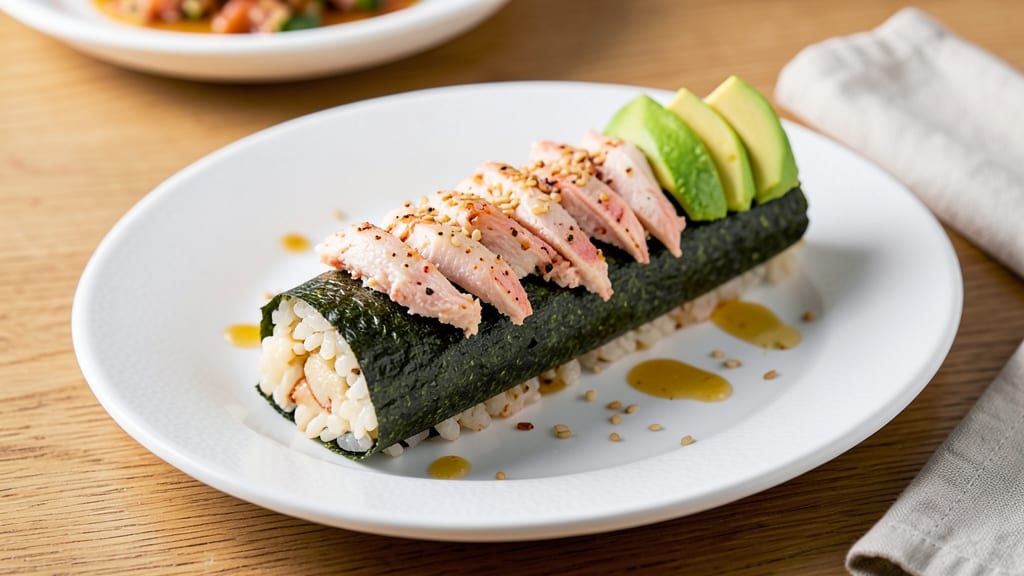
This brown rice California roll recipe delivers the perfect balance of crispy tempura crunch and creamy crab filling—without compromising on authentic sushi technique. 🔥 The secret lies in properly seasoned brown rice that stays firm yet flavorful, wrapped tightly around a filling of sweet imitation crab, avocado, and cucumber for that signature California roll texture.
What sets this recipe apart is the tempura crust—lightly battered and fried to golden perfection—which adds an irresistible crunch while keeping the interior silky and cohesive.
The vinegar-sugar-salt rice seasoning transforms ordinary brown rice into the ideal sushi base, and rolling with a bamboo mat ensures clean, professional slices every time. Each bite combines crispy exterior, creamy crab, and fresh avocado in perfect harmony.
Ingredients for brown rice california roll
Authentic sushi technique meets crispy tempura perfection with these carefully chosen ingredients.
| Ingredient | Amount | Notes |
|---|---|---|
| Short-Grain Brown Rice 🍚 | 1 ½ cups | Rinsed thoroughly before cooking |
| Rice Vinegar 🍶 | ¼ cup | White or seasoned variety |
| Granulated Sugar 🍚 | 2 tbsp | Fine grain preferred |
| Kosher Salt 🧂 | 1 ½ tsp | Diamond Crystal preferred |
| Imitation Crab Meat 🦞 | 12 oz | Sweet or surimi style |
| Ripe Avocado 🥑 | 1 whole | Pitted, sliced into strips |
| English Cucumber 🥒 | 1 whole | Seeded, cut into thin strips |
| All-Purpose Flour 🌾 | ½ cup | For tempura batter |
| Ice Cold Water 💧 | ½ cup | For tempura batter |
| Vegetable Oil 🫒 | 2 cups | For deep frying |
| Nori Sheets 🍣 | 4 whole | Standard 7-inch sheets |
| Sesame Seeds 🌾 | 1 tbsp | Toasted for garnish |
| Soy Sauce 🍶 | 1 tbsp | For dipping sauce |
| Wasabi Paste 🌶️ | 1 tsp | Optional for serving |
| Bamboo Sushi Mat 🍣 | 1 whole | For rolling |
The brown rice is the foundation here—short-grain varieties like Koshihikari are essential for that signature sushi texture. Rinse it thoroughly to remove excess starch, which prevents gumminess. For the vinegar seasoning, Kikkoman or Makunouchi brands work best, but any good quality rice vinegar will do. The imitation crab should be sweet and finely flaked—brands like King Crab or New Bay are reliable choices. Avocados should be ripe but firm to prevent browning during prep; purchase them a day ahead if possible. The nori sheets are critical—look for fresh, vibrant green sheets with no visible cracks or discoloration.
No imitation crab? Fresh lump crab meat works beautifully, though it requires more careful handling. For the avocado, substitute mashed sweet potato if you're avoiding avocado, though texture will differ slightly. The tempura batter can be made with cornstarch instead of flour for a lighter crust, though flour creates a slightly crispier exterior. If you can't find English cucumbers, seedless Persian cucumbers work well. The vegetable oil for frying should have a high smoke point—peanut or canola oil are excellent choices. For the dipping sauce, add a touch of honey if you prefer a sweeter profile, though traditional soy sauce is perfectly balanced.
Store uncooked rice in an airtight container in a cool, dark place for up to 6 months. Once cooked, the seasoned rice should be used within 3 days for optimal texture. Nori sheets keep well in their original packaging for up to 3 months if stored properly. The imitation crab can be refrigerated for up to 2 weeks after opening, though it's best used within a week for peak flavor. For the tempura batter, mix the ingredients just before frying to maintain crispiness. Any leftover filling can be refrigerated for 2 days and reheated gently before rolling.
Why You'll Love This Recipe
- No-Rice-Cooker Needed: I swear by this trick—just simmer the short-grain brown rice in the same pot with rice vinegar, sugar, and salt until it’s tender. No fancy equipment, no waiting for a rice cooker to finish its cycle. That tangy vinegar-sweet balance soaks right into the grains while you prep the crab.
- Crab That Stays Creamy: The imitation crab here? It’s the star. I mix it with a splash of rice vinegar and a pinch of salt while it’s still warm—just enough to keep it fluffy and bright, not dry or rubbery. That’s the secret: don’t overwork it. One bowl, five minutes, and you’ve got restaurant-quality texture.
- Lunchbox Hero: Between us, this is my go-to for packed lunches. The rice holds up for days (yes, really), and the crab stays moist when wrapped in nori. My kids actually eat their veggies when I roll in avocado or cucumber—call me a genius, but it’s the nori’s fault. Plus, it’s the only roll that doesn’t turn to mush by noon.
- Budget Meal Prep Gold: Honestly, this recipe costs me half what store-bought rolls do. Brown rice is cheaper than white, and imitation crab stretches farther than real. I make a big batch on Sundays, portion it out, and boom—easy weeknight dinners. Leftovers? Taste just as good reheated (microwave with a damp paper towel, trust me).
Step-by-step instructions for brown rice California rolls
Master the art of crispy tempura and creamy fillings with these precise assembly techniques.
👨🍳 Step 1: Cook and Season the Brown Rice
Rinse the 1.5 cups short-grain brown rice thoroughly under cold water until the water runs clear. This removes excess starch that would make the rolls gummy. Drain well in a fine-mesh strainer and transfer to a pot with 2 cups water, 1.5 tsp kosher salt, and 2 tbsp granulated sugar. Bring to a boil over high heat, then reduce to a simmer and cook uncovered for 40-45 minutes until all liquid is absorbed and the rice is tender.
Here's the thing—brown rice needs that sugar to balance the earthy flavor. Once cooked, spread the rice on a tray and let it cool completely before proceeding. Warm rice sticks together better when rolling, but it must be cool enough to handle without melting the imitation crab filling.
🥘 Step 2: Prepare the Tempura Crunch Layer
In a bowl, whisk together the 0.5 cup all-purpose flour and 0.5 cup ice cold water until smooth—no lumps allowed. The batter should be thick enough to coat the back of a spoon but still flow freely. Heat 2 cups vegetable oil in a deep fryer or heavy pot to 350°F—use a thermometer to monitor this precisely. The oil is ready when a small piece of bread browns in 30 seconds.
Cut the 1 whole ripe avocado and 1 whole english cucumber into thin strips (about ¼-inch thick). Working quickly, dip each strip into the batter, letting excess drip off, then carefully lower into the hot oil. Fry for 1-2 minutes until golden brown and crispy—don't overcrowd the pan or the temperature will drop. Transfer to paper towels to drain and keep warm.
🍳 Step 3: Assemble the Filling Components
In a small bowl, gently mix the 12 oz imitation crab meat with 1 tbsp soy sauce and 1 tsp wasabi paste (if using). The crab should be just combined—don't overmix or it'll get stringy. Set aside. For the dipping sauce, whisk together 0.25 cup rice vinegar and 1 tbsp soy sauce in a small bowl.
Toast the 1 tbsp sesame seeds in a dry skillet over medium heat for 1-2 minutes until fragrant. Keep them nearby for garnishing. The key here is balance—sweet from the crab, tangy from the vinegar, and nutty from the sesame. Taste the filling before assembling to ensure proper seasoning.
🥘 Step 4: Roll the California Rolls with Precision
Place a nori sheet shiny-side down on the bamboo sushi mat. Spread ½ cup of the cooled brown rice evenly over the nori, leaving a ½-inch border at the top. Using wet hands, gently press the rice to adhere. This border is crucial—it prevents the roll from unraveling during slicing.
Arrange ¼ of the tempura strips, ¼ of the crab mixture, and a few cucumber strips horizontally in the center of the rice, about 1 inch from the bottom edge. Roll tightly using the mat, applying gentle but firm pressure. Seal the edge with a dab of rice to secure. Repeat with remaining ingredients for 4 total rolls.
⏰ Step 5: Chill and Serve with Crispy Perfection
Refrigerate the completed rolls for at least 30 minutes to firm up before slicing. This resting period ensures clean cuts and prevents the tempura from becoming soggy. When ready, use a sharp, wet knife to slice each roll into 6 even pieces. The tempura should remain crispy if properly fried and handled gently.
Serve immediately with the rice vinegar dipping sauce and extra sesame seeds sprinkled on top. Each bite should deliver the crispy tempura crunch followed by the creamy crab filling and fresh vegetables. For presentation, arrange rolls on a platter with the dipping sauce in small bowls at each place setting.
Pro Tips For Making Brown Rice California Roll
- Rinse Rice Twice: I learned this the hard way—skipping the rinse leaves your brown rice gummy and pasty. Use a fine-mesh strainer and swirl the rice under cold water until it runs clear (about 30 seconds). This removes excess starch, which is especially important for California rolls where texture matters.
- Soak Rice 30 Minutes: Don’t just dump brown rice into boiling water and expect magic. Soak it in cold water for 30 minutes first—this cuts cooking time by 20% and guarantees even grains. Use a 1:1.5 rice-to-water ratio, then drain before cooking.
- Season Crab Early: Imitation crab tastes bland if you add seasoning after cooking. Mix in rice vinegar, sugar, and salt while heating the crab in a pan (low and slow for 3–4 minutes). This lets flavors meld instead of sitting on top like sad, unabsorbed garnish.
- Chill Rice Before Rolling: Warm rice sticks to nori like glue. Spread cooked rice on a tray, cover with plastic wrap, and refrigerate for 10 minutes. Cold rice rolls cleanly and stays together—no more sad, crumbling sushi disasters. (Yes, even if you’re impatient like me.)
Serving suggestions for this brown rice california roll
Plating Like a Pro
Arrange your California rolls on a slate serving board or ceramic platter for an elegant touch. Place each roll vertically with the tempura side facing up to showcase the crispy texture. Garnish with toasted sesame seeds and a few thin cucumber ribbons for color contrast.
I like adding edible gold leaf flakes for a special occasion feel—just a pinch on each roll elevates the presentation instantly. 🌟
Dipping Sauce Variations
Beyond the classic rice vinegar-soy sauce dip, try a spicy mayo by mixing 2 tbsp mayonnaise with 1 tsp sriracha and ½ tsp lime juice. For a sweeter option, whisk 1 tbsp mirin with 1 tbsp soy sauce and ½ tsp grated ginger.
Serve dipping sauces in small ceramic crocks or glass bowls with chopsticks for a complete experience. Always keep sauces chilled until serving.
Garnish Game-Changers
Add microgreens like mizuna or pea shoots for a fresh, vibrant pop of color. A sprinkle of furikake seasoning (Japanese rice seasoning) adds umami depth. For a smoky touch, drizzle with a few drops of chili oil right before serving.
I’ve even seen chefs use crumbled wasabi peas for a sweet-spicy crunch—just a teaspoon per platter makes a big difference. 💫
Family-Style Serving
For gatherings, serve rolls family-style on a large platter with extra nori sheets on the side for DIY rolling. Include small bowls of spicy mayo, soy sauce, and wasabi so everyone can customize their bites.
Use wooden chopsticks and small ceramic spoons for serving—it feels more interactive and fun. Keep the tempura strips separate in a small basket for those who want extra crunch.
Leftovers Strategy
Store leftover rolls in an airtight container with a paper towel on top to absorb moisture. Reheat in a steamer basket over simmering water for 2-3 minutes to revive the tempura crispiness.
Avoid microwaving—it turns the tempura soggy. For a quick fix, lightly toast slices in a skillet with a touch of oil over medium heat for 30 seconds per side. 🔥
Nutrition facts
Frequently asked questions
Why does my brown rice turn out mushy when making sushi?
Mushy rice happens when brown rice isn't rinsed properly or cooked with too much water. Always rinse until the water runs clear to remove excess starch, and use exactly 2 cups water per 1.5 cups rice. Brown rice needs 40-45 minutes of simmering—don't rush it! Spread the cooked rice on a tray to cool completely before using, as warm rice sticks together but melts fillings.
Can I make these rolls without a bamboo mat?
Use a tightly wrapped burrito-style towel or even plastic wrap as a substitute. Wet your hands and the wrap to prevent sticking. The key is rolling firmly but evenly—press gently but consistently to avoid gaps. For extra security, seal edges with a dab of rice or a tiny bit of soy sauce to mimic the mat's adhesive effect.
How do I keep the tempura from getting soggy?
Fry the tempura strips just until golden brown (about 1-2 minutes) and drain on paper towels. Keep them warm in a 200°F oven while you finish rolling. When slicing, use a sharp, wet knife and cut quickly—don't press down. Chill the completed rolls for 30 minutes before serving to help maintain crispiness.
What's the best way to store leftover California rolls?
Store in an airtight container with a paper towel on top to absorb moisture. Reheat in a steamer basket over simmering water for 2-3 minutes—never microwave! For extra crispiness, lightly toast slices in a skillet with oil for 30 seconds before serving. Leftovers keep well for 2 days in the fridge.
Can I substitute imitation crab with fresh crab?
Yes! Use 12 oz fresh lump crab meat instead, but handle it gently to avoid breaking up the chunks. Mix with 1 tbsp soy sauce and ½ tsp wasabi (less than imitation crab since fresh crab is saltier). For extra creaminess, add 1 tsp mayo. Fresh crab gives a firmer texture but requires more careful rolling to prevent filling from leaking out.