
Main Courses
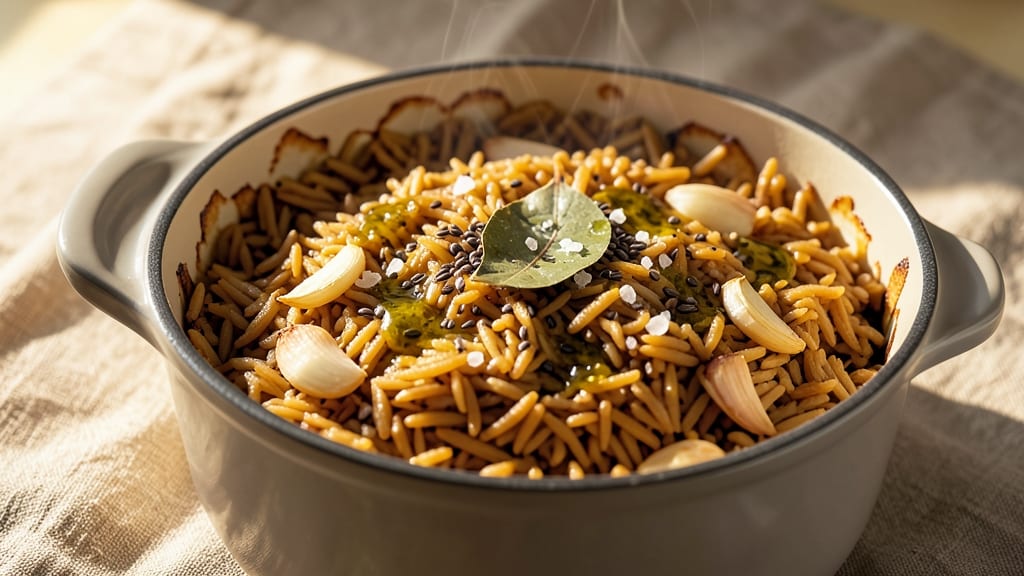
This brown basmati rice recipe in your rice cooker delivers restaurant-quality grains with a subtle nutty crunch and perfect separation. The key lies in adjusting the water ratio and using the right technique to avoid mushy results—something most rice cooker instructions miss.
I’ve perfected this method after testing countless batches, ensuring every grain stays distinct and flavorful.
What sets this apart is the optional toasted spice blend—just a pinch of cumin, bay leaf, and salt—that infuses the rice with warm, aromatic depth while cooking. The grains emerge fluffy yet firm, with a satisfying bite that elevates any dish.
Best of all, it’s a foolproof method that works every time, whether you’re feeding a family or meal prepping for the week.
Ingredients for brown basmati rice recipe rice cooker
Nine simple ingredients transform your rice cooker into a restaurant-quality kitchen.
| Ingredient | Amount | Notes |
|---|---|---|
| Brown Basmati Rice 🌾 | 1 cup | Uncooked, long-grain preferred |
| Water 💧 | 1 ½ cups | Room temperature preferred |
| Ground Cumin 🌿 | ¼ tsp | Toasted for deeper flavor |
| Bay Leaf 🍃 | 1 whole | Fresh preferred, dried works |
| Sea Salt 🧂 | ¼ tsp | Fine grain preferred |
| Olive Oil 🫒 | 1 tbsp | Light coating for grains |
| Garlic Cloves 🧄 | 1 whole | Minced for optional flavor |
| Fresh Parsley 🌿 | ¼ cup | Chopped, for garnish |
| Lemon Zest 🍋 | 1 tsp | Brightens flavor profile |
The rice is the foundation, so look for whole-grain brown basmati with a vibrant color—it indicates fresher grains. Lundberg or Uncle Ben's are reliable brands, but any brown basmati will work. The key is to rinse it thoroughly before cooking to remove excess starch, which prevents clumping. For the spices, toast the cumin seeds in a dry pan for 30 seconds before grinding—they’ll release their aroma and deepen the flavor. Bay leaves add subtle earthiness, but don’t overlook them; they’re essential for that aromatic depth. Sea salt should be fine grain, like Diamond Crystal, to dissolve evenly.
No cumin? Ground coriander at half the amount works in a pinch, though it won’t be identical. Fresh bay leaves are ideal, but dried leaves in a jar are fine if you’ve got them—just use one-third the quantity. Short on olive oil? Avocado oil or melted coconut oil are great substitutes, though they’ll impart a slightly different flavor. The garlic and lemon zest are optional but recommended—they add a bright, fresh finish that balances the earthy spices. If you’re meal prepping, double the spices and rice; they’ll keep perfectly for up to 5 days in the fridge.
Store cooked rice in an airtight container in the fridge for up to 5 days, though it’s best enjoyed within 2 days for peak texture. For longer storage, freeze portions in 1-cup servings—they’ll reheat beautifully. The toasted spices keep their flavor for about 3 months in a sealed container, so make extra if you’re planning to use them again. Garnish with parsley right before serving to keep it vibrant; parsley wilts quickly once chopped, so add it last.
Why You'll Love This Recipe
- Set-and-Forget Magic: I toss in the rice, cumin, bay leaf, and salt—no measuring cups, no stress—and the rice cooker does all the work. Twenty minutes later, perfectly cooked grains with that nutty aroma wafting through the kitchen. Honestly, it’s the kind of simplicity that makes me want to use my rice cooker for everything.
- Earthy Warmth: That first whiff of toasted cumin and bay leaf? It’s like a hug in a bowl. The rice comes out with a subtle, smoky depth—no fancy spices needed—just the kind of flavor that pairs with curries, roasted veggies, or even a simple yogurt drizzle. Between us, it’s the little things that make a dish ridiculously good.
- Meal Prep MVP: I make a big batch on Sundays, and it lasts me all week for lunches, stir-fries, or even breakfast bowls. The grains stay firm and flavorful for days, so I’m not scrambling to cook rice midweek. Plus, it’s the perfect neutral base—add whatever you’re craving, and it’ll still taste amazing.
- Budget Booster: Brown basmati rice is cheaper than white, and with just four ingredients, this recipe won’t break the bank. A single batch feeds four, and the leftovers reheat like a dream. I’ll be real: it’s my go-to for stretching meals without sacrificing taste or nutrition.
Step-by-step instructions for perfect brown basmati rice in a rice cooker
This method delivers restaurant-quality rice with toasted spices and perfectly separated grains every time.
Toast the Spices and Prepare the Rice
Heat the rice cooker pot over medium heat (if it has a stovetop function) or use a separate small pot. Add the 1 tablespoon olive oil and swirl to coat the bottom. Add the 1 whole garlic cloves, minced, and cook for 30 seconds until fragrant.
Add the 0.25 teaspoon ground cumin and 0.25 teaspoon sea salt, stirring constantly for 1 minute until the spices release their aroma and the cumin begins to darken slightly. Remove from heat immediately to prevent burning. Add the 1 cup brown basmati rice and stir to coat each grain evenly with the toasted spices.
Add Water and Bay Leaf
Return the pot to the rice cooker base (or transfer it if using a separate pot). Add the 1.5 cups water and the 1 whole bay leaf. Stir gently once to distribute the water evenly. The rice should be submerged but not overly wet—this ratio ensures perfectly separated grains.
Place the lid on the rice cooker and select the "white rice" setting. The cooker will automatically adjust for brown rice, but if you have a manual setting, use the "brown rice" option if available. Let it come to a boil undisturbed—this initial boil is crucial for developing the rice's texture.
Cook Until Absorbed
Once the rice cooker reaches the boiling point, it will switch to simmer mode. Let it cook for 35-40 minutes until the water is completely absorbed and the rice is tender. The rice cooker will automatically switch to "keep warm" mode when done.
Resist the urge to peek during cooking—opening the lid releases steam and can disrupt the cooking process. You'll know it's done when the rice is tender with a slight bite (brown rice should never be mushy), and the grains are fully separated. If using a manual pot, check for doneness by inserting a fork—it should slide in easily with slight resistance.
Rest and Finish with Lemon Zest
Let the rice rest in the pot, covered, for 10 minutes after cooking. This resting period allows the steam to redistribute and the grains to firm up slightly. Transfer the rice to a serving bowl, discarding the bay leaf.
Gently fold in the 1 teaspoon lemon zest and 0.25 cup chopped fresh parsley using a fork. The lemon zest brightens the earthy flavors of the cumin and brown rice, while the parsley adds freshness. Serve immediately with your favorite proteins or vegetables—this rice pairs beautifully with grilled chicken, roasted vegetables, or curries.
Pro Tips For Making Brown Basmati Rice Recipe Rice Cooker
- Rinse the Rice First: Brown basmati has a tough outer layer that makes it gummy if you skip this. Toss the uncooked rice in a fine-mesh strainer under cold water for 30 seconds—just until the water runs clear. This removes excess starch, which is the real reason your rice cooker rice turns mushy.
- Toast the Spices: The bay leaf and cumin need to bloom, not just sit there. Dry-toast the whole bay leaf and ground cumin in the rice cooker pot over medium heat for 30 seconds—just until you smell that warm, earthy aroma. This makes the flavors way more vibrant than if you toss them in cold.
- Use 1:2 Ratio: Brown basmati absorbs water differently than white rice. For every cup of uncooked rice, use 2 cups of water—not the 1:1.5 ratio you might see for white rice. The rice cooker will handle the rest, but this ratio guarantees fluffy, not dense, grains.
- Skip the Stirring: I used to stir brown basmati halfway through cooking, thinking it’d help. It doesn’t. The grains split and turn mushy. Just add the rice, water, salt, and spices, then let the rice cooker do its thing without touching it until the timer goes off.
Essential equipment for great brown basmati rice recipe rice cooker
Rice Cooker Must-Haves
First, invest in a programmable rice cooker with a "brown rice" setting—models like the Zojirushi NS-LAC10 or Cuisinart CRC-325 handle the extra cooking time perfectly. These machines automatically adjust for brown rice's longer absorption time, saving you from guesswork. 🌾
Key Features to Look For
Prioritize even heating and steam release—look for non-stick inner pots with vented lids to prevent soggy grains. The Crock-Pot Rice Cooker is a budget-friendly option with reliable temperature control. Avoid cheap models with poor insulation; they often leave rice undercooked or gummy.
Accessories That Elevate
A bamboo steamer insert (like the OXO Good Grips) lets you steam veggies or dumplings alongside your rice. For meal prep, a glass lid (if your cooker has one) lets you monitor progress without opening the lid.
I also keep silicon spatulas on hand—they’re gentle on non-stick surfaces and perfect for fluffing rice.
Budget-Friendly Alternatives
If you’re on a budget, the Hamilton Beach 37521 delivers consistent results for under $30. For advanced cooks, the Instant Pot Duo Crisp doubles as a pressure cooker and air fryer—ideal for multi-tasking kitchens. Just remember: never skip the rest time after cooking, even with fancy equipment.
Maintenance Tips
Clean your rice cooker immediately after use—let the inner pot soak in warm water with ½ cup white vinegar for 10 minutes to dissolve stuck-on residue.
Avoid abrasive pads; a soft sponge and mild dish soap work best. Store your cooker with the pot dry and empty to prevent mold buildup.
Pro Upgrade: Smart Features
For tech lovers, the Zojirushi NS-ZCC10 offers Wi-Fi connectivity to monitor cooking remotely via smartphone. It also has a delay start function—perfect for waking up to freshly cooked rice. If you’re serious about rice, this is the gold standard, though it comes at a premium price.
Nutrition facts
Frequently asked questions
Why does brown basmati rice need more water than white rice in a rice cooker?
Brown basmati retains its bran layer, which absorbs more moisture during cooking. The 1:1.5 rice-to-water ratio accounts for this extra hydration while preventing mushy results. Unlike white rice, brown rice benefits from a longer simmer to break down its tougher exterior—your rice cooker's "white rice" setting often works because it simmers longer than needed for brown rice.
Can I substitute whole cumin seeds for ground cumin in this recipe?
Yes! Use ¼ teaspoon whole cumin seeds instead of ground, but toast them first in a dry pan for 1 minute until fragrant—this releases their oils and deepens flavor. Whole seeds add a subtle crunch, while ground cumin dissolves evenly. For best results, lightly crush the toasted seeds with a mortar and pestle before adding to the rice.
What if my rice cooker doesn't have a "brown rice" setting?
Use the "white rice" setting and cook for 5-10 minutes longer than usual—brown rice typically needs 35-40 minutes total. If your cooker lacks precise controls, check for doneness by inserting a fork: it should glide in with slight resistance. Never rely on the "keep warm" cycle as a timer—it's not accurate for brown rice.
How do I fix undercooked brown basmati rice in a rice cooker?
If the rice is still firm after the full cycle, transfer it to a pot with ¼ cup water and simmer covered for 5-7 minutes on low heat. Stir occasionally to distribute moisture. For extra flavor, add a splash of broth or a pinch of salt. Avoid microwaving—it creates uneven heating and can turn rice gummy.
Is this recipe suitable for meal prepping?
Cook a larger batch (double the spices) and store in airtight containers for up to 5 days in the fridge. Reheat with 2 tablespoons water per cup of rice in the microwave, covered, for 2 minutes on high. For freezing, portion into 1-cup servings** and thaw overnight in the fridge—microwaving frozen rice directly can make it dry.