
Side Dishes
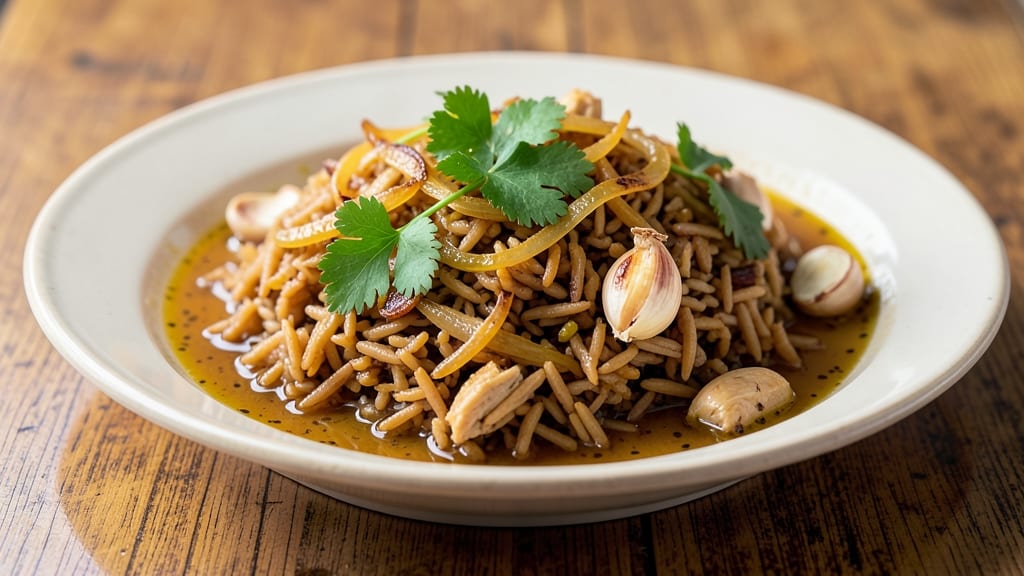
This brown basmati rice pilaf recipe transforms simple ingredients into a fragrant, nutty side dish with perfectly chewy grains and aromatic layers. The pilaf method—slow-cooking rice in broth with toasted spices—creates a texture and depth you won’t find in basic white rice preparations.
It’s the kind of dish that elevates any meal, whether served alongside roasted meats or as a hearty vegetarian centerpiece.
The key to success lies in proper soaking, gentle toasting of spices, and layering flavors gradually. Unlike quick-cook rice, this method yields grains that stay distinct yet tender, with a nutty aroma that fills your kitchen.
Whether you’re cooking for a family dinner or meal prepping for the week, this pilaf delivers restaurant-quality results with minimal effort. Let’s get started on creating your perfect one-pot masterpiece.
Ingredients for brown basmati rice pilaf
Simple, aromatic ingredients create restaurant-quality brown basmati rice pilaf with nutty depth and fluffy texture.
| Ingredient | Amount | Notes |
|---|---|---|
| Brown Basmati Rice 🌾 | 1 ½ cups | Uncooked, long-grain variety |
| Chicken Broth 🍲 | 3 cups | Low-sodium preferred |
| Extra-Virgin Olive Oil 🫒 | ¼ cup | For toasting spices |
| Yellow Onion 🧅 | 1 whole | Diced finely |
| Garlic Cloves 🧄 | 4 cloves | Minced finely |
| Ground Cumin 🌿 | 1 tsp | Toasted for depth |
| Ground Coriander 🌿 | 1 tsp | Freshly ground preferred |
| Turmeric Powder 🌶️ | ½ tsp | Bright yellow color |
| Ground Ginger 🌿 | ½ tsp | Warmth without bite |
| Salt 🧂 | 1 tsp | Kosher or sea salt |
| Fresh Parsley 🌿 | ¼ cup | Chopped for garnish |
| Toasted Almond Slices 🥜 | ¼ cup | For garnish and crunch |
| Lemon Zest 🍋 | 1 tsp | Brightens flavors |
| Freshly Ground Black Pepper 🌶️ | ¼ tsp | Freshly cracked |
The brown basmati rice is the foundation—look for long-grain varieties at specialty stores or the international aisle. Whole Foods and Trader Joe's carry excellent options, but any reputable brand works. Soak the rice for 30 minutes before cooking to reduce cooking time and improve texture. The chicken broth should be low-sodium to avoid over-salting; homemade is ideal, but quality store-bought brands like Pacific Foods or Kitchen Basics work well. For extra richness, use a mix of chicken and vegetable broth.
No extra-virgin olive oil? Avocado or grapeseed oil works just as well for toasting spices. Fresh spices make all the difference—toast whole cumin and coriander seeds in a dry pan for 30 seconds before grinding if you have them. The yellow onion can be swapped for shallots if you prefer a milder flavor. If you're missing any of the spices, garlic powder and smoked paprika can bridge the gap. For the garnish, toasted pine nuts make a great alternative to almonds, though they're pricier. The lemon zest can be omitted if you're not a fan, but it adds a bright finish that balances the earthy flavors.
Store cooked pilaf in an airtight container in the fridge for up to 5 days, though it reheats best when fresh. For longer storage, freeze portions for 3 months. To reheat, add a splash of broth and cover tightly—steam reheats the rice evenly. The pilaf tastes even better the next day as flavors meld. Meal prep tip: Double the recipe and freeze half for quick weeknight meals. The almonds and parsley can be added fresh when serving to maintain texture and brightness.
Why You'll Love This Recipe
- One-Pot Magic: I swear by this—just brown the rice in olive oil, toss in the onions and garlic, pour on the broth, and walk away. No straining, no extra bowls, just hands-off cooking while you prep whatever else you’re serving.
- Nutty, Toasty Goodness: That brown basmati? It’s got a chewy texture and a nutty depth that’s chef’s kiss when toasted in olive oil. Add the warm chicken broth, and you’ve got a dish that tastes like it simmered all day—even if it didn’t.
- Weeknight & Weekend Ally: Between us, this is the rice I make when I’m feeding the family and the in-laws. It’s hearty enough for a Sunday dinner but simple enough to throw together when I’m too tired to think. (Yes, even on a Tuesday night.)
- Budget-Friendly Staple: Brown rice is cheaper than white, and this recipe stretches easily for leftovers—reheat with a splash of broth, and it’s just as good the next day. Honestly, I make a double batch every time and thank myself later.
Step-by-step instructions for brown basmati rice pilaf
This method delivers perfectly fluffy grains with deep nutty aromatics—no special equipment required.
Toast the Spices in Olive Oil
Heat the ¼ cup extra-virgin olive oil in a heavy-bottomed pot over medium heat until shimmering but not smoking. Add the 1 whole yellow onion and cook for 5-6 minutes until soft and translucent, stirring occasionally. This develops sweetness that forms the pilaf's foundation.
Add the 4 minced garlic cloves, 1 teaspoon ground cumin, 1 teaspoon ground coriander, ½ teaspoon turmeric powder, and ½ teaspoon ground ginger. Stir continuously for 1 minute until fragrant—you'll smell the warm spices releasing their oils. This toasting step unlocks maximum flavor, so don't skip it. The spices should be sizzling but not burning.
Add Rice and Toast Until Nuttier
Increase heat to medium-high and add the 1½ cups brown basmati rice, stirring vigorously for 2-3 minutes until the grains become translucent at the edges and slightly toasted. This brief toasting enhances the rice's natural nuttiness and prevents a bland final texture. Watch closely—the rice should turn a pale golden color before adding liquid.
I press down gently on the rice with a wooden spoon during the first minute to ensure even contact with the hot oil. This prevents the rice from clumping and guarantees uniform toasting. The pot should smell distinctly nutty by this point—this is your cue that the rice is properly toasted.
Deglaze and Simmer with Broth
Pour in the 3 cups chicken broth and add the 1 teaspoon salt and ¼ teaspoon freshly ground black pepper. Stir once to distribute the seasoning, then bring to a gentle boil. Once boiling, reduce heat to low and cover tightly with a lid. The broth should just barely bubble at the edges—this maintains even cooking.
Simmer for 30 minutes without lifting the lid. Brown basmati rice needs this undisturbed time to absorb moisture evenly and develop its characteristic fluffy texture. If you peek too early, steam escapes and the rice may dry out. The pot should feel warm but not hot to the touch when you check after 20 minutes.
Rest and Finish with Bright Flavors
After 30 minutes, turn off the heat and let the rice sit covered for 10 minutes. This resting period allows residual steam to finish cooking the grains and redistribute moisture throughout. The rice should be tender but still slightly firm—it will continue cooking off the heat.
Remove the lid and fluff the rice gently with a fork. Stir in the 1 teaspoon lemon zest and ¼ cup chopped fresh parsley. The lemon zest brightens the earthy spices while the parsley adds freshness. For the final touch, sprinkle with ¼ cup toasted almond slices—their crunch contrasts beautifully with the tender rice.
Serve Immediately with Garnish
Transfer the pilaf to a serving dish and garnish with additional toasted almond slices and chopped parsley for color and texture. The almonds should be lightly toasted to maintain their delicate crunch. Serve warm, as the flavors meld best when the rice is still hot.
Each bite should deliver a perfect balance of nutty rice, aromatic spices, bright citrus, and crunchy almonds. The grains should be separate but tender, with no hard centers. If the rice feels slightly underdone after resting, cover and let it sit another 5 minutes—the residual heat will finish the cooking process.
Pro Tips For Making Brown Basmati Rice Pilaf
- Toast the Rice First: Brown basmati needs a quick dry toast in olive oil before adding liquid—just 2-3 minutes until it smells nutty and fragrant. I learned this the hard way after making bland rice for years; the toasted flavor cuts through the broth’s richness and keeps the grains distinct.
- Use Cold Broth: Pour cold chicken broth over the rice instead of hot—it gives you time to stir in aromatics (like onions and garlic) without overcooking them. My grandmother swore by this, and she was right: the rice absorbs heat gradually, resulting in evenly cooked grains every time.
- Don’t Stir After Adding Broth: Once the broth hits the rice, walk away and resist the urge to check on it—stirring releases starches that make the rice mushy. After burning three batches, I finally figured out that patience here guarantees fluffy, separate grains.
- Finish with a Splash of Oil: Toss the cooked rice with 1 tablespoon of warm olive oil while it’s still in the pot—this coats each grain and adds a subtle richness. Sounds weird, but it works: the rice stays moist longer and has a professional restaurant texture. (Yes, even if you’re impatient like me.)
Make-ahead tips for this brown basmati rice pilaf
Prep Ahead Strategy
Start by toasting your spices and cooking the onions the night before—store them in an airtight container in the fridge. This saves 15 minutes of active prep time on cooking day.
The aromatics keep well for 2 days this way, maintaining their depth. I like to label containers with dates to track freshness. 📅
Broth Prep Shortcut
Make a big batch of low-sodium chicken broth (I use Pacific Foods) and freeze it in 1-cup portions for quick access. Thaw overnight in the fridge before using—this ensures even cooking.
For extra flavor, add a bay leaf and 1-inch cinnamon stick while simmering. The broth stays flavorful for 3 months in the freezer.
Rice Soaking Hack
Soak your brown basmati rice in cold water for 30 minutes the night before, then drain well. This reduces cooking time by 5-7 minutes and prevents mushy grains.
I use a fine-mesh strainer for thorough draining—never skip this step! Store soaked rice in a sealed container with a damp paper towel to prevent drying out.
Flavor Layering Tip
Pre-mix your spices in a small bowl with the lemon zest and black pepper ahead of time. Store in a spice jar with a tight lid. This ensures even distribution when cooking and adds 10 minutes of prep time savings.
The zest keeps for 3 days in the fridge when mixed with spices—just add fresh parsley when serving.
Make-Ahead Serving
Cook the complete pilaf up to 2 days ahead and refrigerate in an airtight container. Reheat by adding 2 tablespoons broth per cup of rice, covering tightly, and steaming on the stove for 10 minutes over low heat.
For freezer storage, cool completely, portion into quart-sized bags, and freeze for up to 3 months. Thaw overnight in the fridge before reheating.
Garnish Fresh Daily
Keep your toasted almonds and fresh parsley separate until serving to maintain crispness. Toast almonds fresh when reheating—just 2 minutes in a dry pan over medium heat.
The parsley should be added last minute to preserve its vibrant color and fresh flavor. This final touch makes all the difference in presentation and taste. ✨
Nutrition facts
Frequently asked questions
Why does brown basmati rice need soaking before cooking?
Soaking for 30 minutes reduces cooking time by 5-7 minutes and prevents mushy grains. Brown rice has a tough outer layer that absorbs water slowly—soaking softens it while maintaining the rice's distinct texture. This method also helps release nutrients and improves digestibility.
Can I substitute white basmati rice in this recipe?
While possible, white basmati rice will yield a different texture—lighter and less nutty. Brown basmati's chewy bite and deeper flavor come from its bran layer, which gives this pilaf its signature character. If you must use white, reduce cooking time to 20 minutes after simmering. The spices will still shine, but the texture won't be identical.
What's the best way to prevent my pilaf from drying out?
Never lift the lid during cooking—steam is crucial for moisture retention. Use a tight-fitting lid and check only once after 20 minutes. If the rice feels dry after resting, add 1-2 tablespoons broth and cover again for 5 minutes. Brown rice absorbs more liquid than white, so start with 3 cups broth for 1.5 cups dry rice.
How do I make this vegetarian?
Swap chicken broth for vegetable broth and add 1 cup diced mushrooms or 1 can chickpeas (drained) during the toasting step. For extra protein, stir in ½ cup crumbled feta cheese after cooking. The spices and lemon zest will still shine, creating a flavorful plant-based dish. The texture remains perfect with these adjustments.
Why does my pilaf taste bland?
Bland flavor usually means insufficient toasting of spices or onions. Always toast spices in oil until fragrant (1 minute) and onions until soft (5-6 minutes). Use freshly ground spices—pre-ground spices lose potency quickly. For depth, add ½ teaspoon smoked paprika or a pinch of cardamom during the toasting step. Taste as you go!