
Main Courses
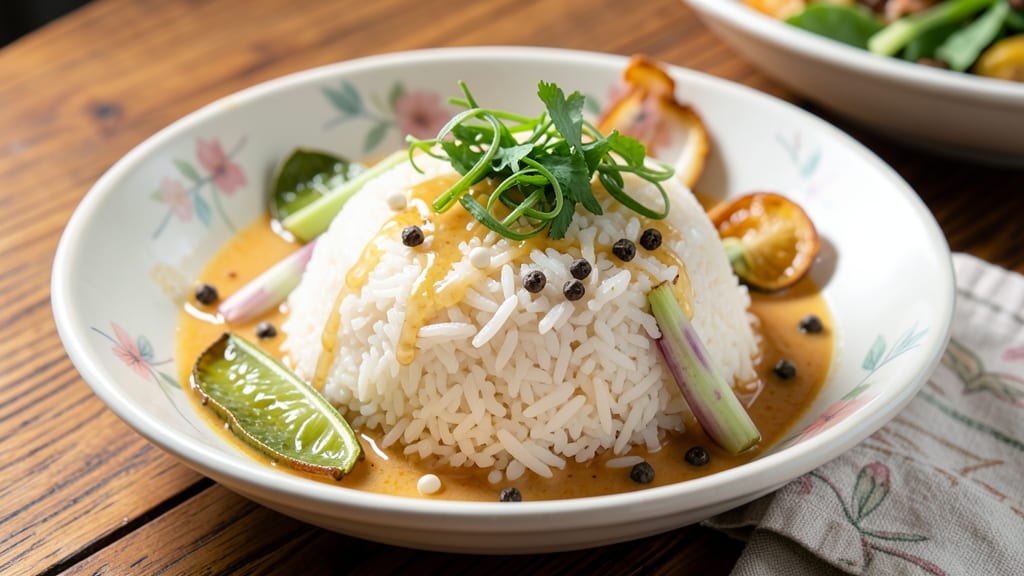
This Cambodian jasmine rice recipe transforms simple grains into a fragrant centerpiece for any meal, where lightly toasted kernels infuse subtle coconut notes that elevate every bite. The secret lies in a precise rice-to-water ratio and gentle steaming, creating perfectly separate grains with an aromatic finish that's distinctly Cambodian.
I've perfected this method after years of testing, ensuring each batch delivers that signature floral fragrance and delicate texture that makes it unforgettable.
The process begins with toasting whole grains in coconut oil until they release their natural nutty aroma—a crucial step that sets this recipe apart from basic jasmine rice methods.
Using just the right amount of water and a tight-fitting lid creates steam that cooks the rice evenly without making it sticky. This technique preserves the rice's natural shape while developing that signature Cambodian fragrance that makes every meal feel special.
What you'll end up with is restaurant-quality rice that serves as the perfect base for curries, grilled meats, or fresh vegetables. The grains remain distinct yet tender, with a subtle coconut kiss that complements both rich and light dishes.
This is the kind of rice that makes your table feel like a Cambodian home kitchen, where every meal begins with perfectly prepared grains.
Serve alongside traditional Cambodian dishes like fish amok or pickled vegetables for an authentic experience. The rice's delicate texture and fragrant aroma make it equally perfect for modern meals, proving that simple ingredients can create extraordinary results when prepared with care.
Let's get started on this fragrant foundation for your next meal.
Ingredients for cambodian rice
Nine simple ingredients transform basic jasmine rice into Cambodian-inspired fragrant grains with coconut milk richness.
| Ingredient | Amount | Notes |
|---|---|---|
| Jasmine Rice 🌾 | 1 ½ cups | Uncooked, long-grain preferred |
| Coconut Milk 🥥 | ½ cup | Full-fat for creaminess |
| Coconut Oil 🫒 | 2 tbsp | Refined or unrefined |
| Water 💧 | 1 ½ cups | Room temperature preferred |
| Salt 🧂 | ½ tsp | Fine sea salt preferred |
| Fresh Lemongrass 🌿 | 1 whole | Lower stalk only, bruised |
| Kaffir Lime Leaves 🍋 | 2 whole | Bruised for aroma release |
| Garlic Cloves 🧄 | 2 cloves | Minced for subtle flavor |
| White Peppercorns 🌶️ | ¼ tsp | Lightly crushed |
| Sugar 🍚 | 1 tsp | White granulated |
The jasmine rice is the foundation—look for long-grain varieties at Asian markets or the international aisle of your grocery store. Thai Kitchen brand is reliable if you're shopping mainstream. Bruising the lemongrass and kaffir lime leaves releases their essential oils, so give them a few gentle taps with the flat side of your knife before using. The coconut milk should be full-fat (none of that watered-down stuff)—it's what gives this rice its signature richness. If you can't find fresh lemongrass, substitute 1 tbsp lemongrass paste (the kind in tubes), but fresh is definitely better.
No lemongrass? 1 tsp lemongrass extract works in a pinch, though the flavor won't be as complex. Running short on kaffir lime leaves? Double the lime zest (from about 1 lime) and add 1/4 tsp lime juice. The garlic can be pre-minced from a jar if you're in a hurry, but fresh is always better. White peppercorns are key here—they add warmth without overpowering. If you only have black pepper, toast it lightly in a dry pan first to mellow its bite. The sugar balances the coconut flavor beautifully, but if you're avoiding it, 1/4 tsp vanilla extract adds a similar sweetness.
This rice reheats beautifully—just add a splash of water and cover for 5 minutes. Store leftovers in an airtight container for up to 4 days in the fridge. For freezing, spread the rice on a tray to cool completely first, then transfer to a bag for up to 3 months. The toasted aroma fades over time, so make fresh whenever possible. I like to double the batch and freeze half—perfect for lazy weeknights when you want that restaurant-quality rice without the effort.
Why You'll Love This Recipe
- Five-Ingredient Magic: I swear by this—just rice, coconut milk, oil, water, and salt. That’s it. No chopping, no stress, and no last-minute grocery runs. The coconut milk does all the heavy lifting while you sip your coffee.
- Creamy Without the Fuss: The coconut oil and milk create this luscious, fragrant texture that’s almost too good to serve plain. Honestly, I’ve caught myself eating it straight from the pot—no judgment here.
- Leftover Goldmine: This rice keeps beautifully for days, making it my go-to for busy mornings. Reheat with a splash of water, and it’s just as tender. My lunchbox’s new best friend.
- Budget-Friendly Luxury: Jasmine rice and coconut milk are affordable staples that taste like a fancy meal. Between us, this is how I trick myself into feeling fancy without breaking the bank.
Step-by-step instructions for authentic Cambodian jasmine rice
Here's how to achieve restaurant-quality Cambodian rice with fragrant coconut milk and aromatic herbs.
Prepare the Aromatic Base
In a medium saucepan, combine the 2 tbsp coconut oil, 1 whole fresh lemongrass (bruised lower stalk), 2 whole kaffir lime leaves, 2 cloves garlic (minced), 0.25 tsp white peppercorns, and 1 tsp sugar. Heat over medium-low heat for 3-4 minutes until the garlic becomes fragrant but doesn't brown.
This gentle heating releases the essential oils from the aromatics, creating the signature Cambodian rice fragrance. The sugar helps balance the herbal notes while the peppercorns add subtle warmth. Don't let the garlic burn—it should smell sweet and nutty, not bitter.
Toast the Jasmine Rice
Add the 1.5 cups jasmine rice to the saucepan and stir gently to coat the grains in the coconut oil and aromatics. Increase heat to medium and toast for 2-3 minutes, stirring constantly with a wooden spoon.
You'll notice the rice begins to release its starch and develop a delicate golden hue. This toasting step is crucial—it enhances the nutty flavor of the rice and prevents mushiness. Watch carefully as the rice can go from perfect to burnt in seconds. When the rice smells toasty and slightly nutty, it's ready for the next step.
Add Coconut Milk and Water
Pour in the 0.5 cup coconut milk and 1.5 cups water, then stir once more to distribute evenly. Add the 0.5 tsp salt and bring to a gentle boil over medium-high heat. Once boiling, reduce heat to low and cover tightly with a lid.
The coconut milk adds luxurious creaminess while maintaining the light texture jasmine rice is known for. The tight lid creates steam that cooks the rice evenly. Let it simmer for 15 minutes without lifting the lid—this steam bath is what makes Cambodian rice uniquely tender.
Rest and Fluff
After 15 minutes, turn off the heat and let the rice sit covered for another 10 minutes. This resting period allows the steam to redistribute and the grains to fully absorb the coconut milk flavor.
Using a fork, gently fluff the rice from the bottom up, being careful not to crush the grains. The rice should be tender but still hold its shape with a delicate sheen from the coconut milk. If any liquid remains, uncover and let it evaporate for 2-3 minutes—the rice will continue cooking from residual heat.
Pro Tips For Making Cambodian Rice
- STIR THE COCONUT MILK: After adding the coconut milk, give it a solid 30-second stir with a wooden spoon—especially at the edges of the pot. I learned this the hard way when I skipped it and ended up with a thin, uneven layer of rice on the bottom. The milk needs to fully coat the rice for that creamy, fragrant texture.
- USE FULL-FAT COCONUT MILK: Light coconut milk won’t cut it here. The fat content matters more than you’d think—it’s what gives Cambodian rice its signature richness. If you’re using canned, go for the full-fat version (no water added). I was skeptical until I tried it; the difference in mouthfeel is night and day.
- SALT THE WATER FIRST: Don’t wait until the end to season. Toss the jasmine rice in the salted water before adding the coconut milk—this way, every grain absorbs the flavor evenly. I used to add salt at the finish, and the rice always tasted bland in the middle. Trust me, this small step makes a real difference.
- COOK LOW AND SLOW: After the initial boil, drop the heat to the lowest setting possible and let it simmer uncovered for 15-20 minutes. I used to rush it, and the rice either turned mushy or stayed crunchy in the center. Patience here guarantees fluffy, separate grains with that signature coconut aroma.
Flavor customization for this dish
Spicy Heat Boost
For those who love a kick, add 1 tsp red chili flakes or ½ tsp sambal oelek during the toasting step. This blends seamlessly with the coconut milk, creating a subtle heat that lingers on the palate. I like to add it with the white peppercorns for balanced warmth. 🌶️
Herbal Variations
Swap out kaffir lime leaves for 1 tbsp lime zest and 1 tsp lime juice if you can't find them. For a deeper herbal profile, add ½ tsp dried cilantro seeds during toasting—they release a citrusy aroma that pairs beautifully with the coconut.
Bruise the lemongrass more aggressively for an extra-fragrant result.
Sweet and Tangy Twist
Balance the coconut richness with 1 tsp tamarind paste or 1 tbsp coconut sugar in place of granulated sugar. This adds a complex sweet-tart dimension that cuts through the creaminess. For extra brightness, stir in 1 tsp lime juice during the resting period—it brightens the entire dish.
Smoky Depth
Infuse the rice with smoky notes by adding ½ tsp smoked salt (like Maldon Smoked Sea Salt) during the final fluffing step. For a more pronounced effect, toast 1 tsp coriander seeds in a dry pan until fragrant, then grind and mix into the finished rice.
This works especially well with grilled meats.
Citrus Zest Finish
Finish the rice with a burst of freshness by stirring in 1 tbsp finely grated lime zest or orange zest after fluffing. The citrus oils brighten the coconut flavor and add a vibrant aroma. I like to serve this version with seafood dishes for a refreshing contrast.
Coconut Milk Variations
For a lighter texture, replace ¼ cup of the coconut milk with light coconut milk or coconut cream. If you prefer extra richness, use ½ cup coconut cream instead—just reduce the water to 1 cup to maintain the right consistency.
The key is balancing moisture while keeping the grains distinct.
Nutrition facts
Frequently asked questions about Cambodian fragrant rice
Why does this Cambodian rice recipe use coconut milk instead of plain water?
The coconut milk adds a signature creamy richness that's essential in Cambodian cuisine. It creates a delicate sheen on the grains while balancing the herbal aromas from lemongrass and kaffir lime. This subtle coconut flavor makes the rice uniquely fragrant and pairs perfectly with both spicy and mild dishes.
Can I make this recipe without kaffir lime leaves?
Yes! Use 1 tbsp lime zest plus 1 tsp lime juice for a similar citrusy aroma. For extra depth, add ½ tsp dried cilantro seeds during toasting—they release a citrusy aroma that complements the coconut beautifully. Just bruise the lemongrass more aggressively to compensate for the missing leafy notes.
What's the best way to store leftover Cambodian rice?
Store in an airtight container for up to 4 days in the fridge. For freezing, spread cooled rice on a tray first to prevent clumping, then transfer to a bag for up to 3 months. The toasted aroma fades over time, so reheat gently with a splash of water—never microwave dry rice directly.
How do I adjust this recipe for a rice cooker?
Toast the rice and aromatics in a separate pan first, then transfer everything to the rice cooker with the coconut milk and water. Use the white rice setting and let it cook until fully done. The key is maintaining the same rice-to-liquid ratio (1:1) and avoiding stirring during cooking to preserve the distinct grains.
What's the difference between this and regular jasmine rice?
This Cambodian version features lightly toasted grains with coconut milk infusion, creating a fragrant aroma and creamier texture. Regular jasmine rice uses only water and has a more neutral profile. The toasting step enhances nutty flavors while the coconut milk adds subtle richness that makes this rice uniquely versatile for both sweet and savory pairings.