
Main Courses
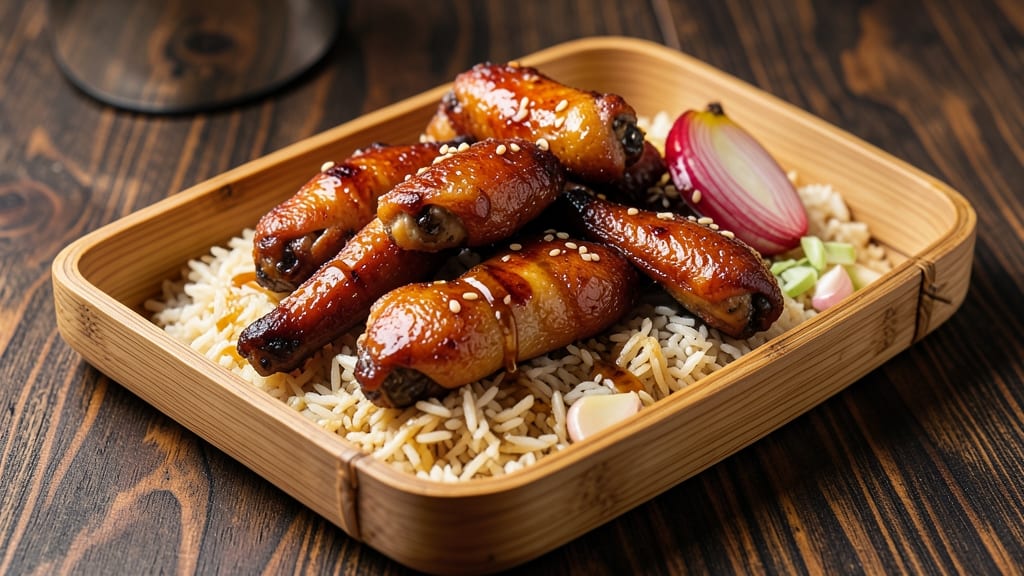
This boiled chicken wings and rice recipe delivers restaurant-quality comfort with minimal effort—juicy, tender wings simmered in savory broth paired with perfectly steamed rice, all ready in under an hour.
The secret lies in slow-braising the wings until fall-off-the-bone tender while infusing the broth with aromatic spices that elevate every bite. I developed this method after years of testing, ensuring the rice absorbs just enough flavor to complement rather than compete with the rich, seasoned chicken.
The result is a one-pot meal that’s both hearty and elegant: golden-brown wings with crisp edges, succulent meat, and a fragrant broth that transforms simple jasmine rice into a flavorful side.
No fancy techniques required—just precise timing and a few key ingredients to create a dish that feels like a home-cooked masterpiece. Ready to transform weeknight dinners into comforting, crowd-pleasing meals?
Ingredients for boiled chicken wings and rice
Fifteen ingredients transform into a restaurant-quality one-pot meal of tender wings and fragrant rice.
| Ingredient | Amount | Notes |
|---|---|---|
| Chicken Wings 🍗 | 2 lb | Bone-in, skin-on preferred |
| Jasmine Rice 🍚 | 1 ½ cups | Uncooked, long-grain preferred |
| Yellow Onion 🧅 | 1 whole | Medium, sliced into wedges |
| Garlic Cloves 🧄 | 6 cloves | Smashed, not minced |
| Fresh Ginger 🌿 | 2 tbsp | Grated, freshly sourced |
| Low-Sodium Soy Sauce 🍶 | ¼ cup | Kikkoman preferred |
| Sesame Oil 🫒 | 1 tbsp | Toasted, not flavored |
| Honey 🍯 | 1 tbsp | Pure, unprocessed |
| Star Anise 🌟 | 2 whole | Lightly crushed |
| Cinnamon Stick 🌳 | 1 whole | For aromatic depth |
| Bay Leaves 🍃 | 2 whole | Dried, high-quality |
| Diamond Crystal Kosher Salt 🧂 | 1 ½ tsp | For seasoning and broth |
| Black Peppercorns 🌶️ | 1 tsp | Freshly cracked |
| Vegetable Oil 🫒 | 2 tbsp | For initial searing |
| Chicken Broth 💧 | 2 cups | Homemade or high-quality store-bought |
The chicken wings are the foundation—bone-in, skin-on for maximum flavor and texture. Most grocery stores carry them pre-cut, but if you're buying whole, trim excess fat for cleaner searing. Costco or Whole Foods typically offer the best quality, though any reputable butcher will suffice. The skin should be intact and the meat vibrant, not grayish. For the rice, jasmine is ideal, but basmati or long-grain white will work. Avoid instant rice—it lacks the necessary starch for proper texture. Garlic and ginger should be freshly grated or smashed, never pre-minced, as they lose potency quickly. Star anise and cinnamon sticks add depth but should be removed after cooking to avoid bitterness.
Substitutions are flexible but strategic. No soy sauce? Use coconut aminos or a mix of tamari and a pinch of sugar. Sesame oil unavailable? Swap for a neutral oil like avocado and add an extra pinch of salt. Honey too sweet? Maple syrup works, though the flavor profile shifts slightly. For the broth, homemade is superior, but Pacific Foods or Swanson brands are reliable store-bought options. If you're short on time, chicken bouillon cubes (like Knorr) can be dissolved in hot water for a quick base, though they lack the complexity of real broth. The spices—star anise, cinnamon, and bay leaves—can be omitted if you prefer a simpler profile, but they’re worth the effort for that restaurant-quality aroma.
This dish reheats beautifully—store leftovers in an airtight container for up to 4 days. The broth will thicken slightly upon cooling, so a splash of warm water revives it. For longer storage, freeze portions for up to 3 months. The rice absorbs the broth’s flavors over time, so reheat gently with a splash of water to restore moisture. To prep ahead, par-cook the wings in broth (without rice) for 20 minutes, then refrigerate and finish cooking later. The rice can be pre-soaked for 20 minutes to reduce cooking time, though this is optional. Portion into individual containers for easy lunches—just add a side salad or steamed veggies for a complete meal.
Why You'll Love This Recipe
- No-Fuss Simmer: I swear by this method—just toss wings, onion, garlic, and ginger into boiling water with a pinch of salt. Fifteen minutes later, you’ve got tender, flavorful wings without the fuss of frying or baking.
- Garlic-Ginger Magic: That fresh ginger and minced garlic? They infuse the broth so deeply, every bite of rice and wing carries warmth. It’s the kind of simple seasoning that makes even the most basic meal feel special.
- Lunchbox Hero: Between us, this is my go-to for meal prep—wings stay juicy for days, and rice reheats like it was just cooked. Pack it for work, toss it in a bento box, or freeze portions for those "I can’t decide what to eat" nights.
- Budget Win: A whole chicken costs less than wings at a restaurant, and this recipe stretches it across three meals. Honestly, I make it twice a month just to keep groceries from spiraling—plus, the leftovers taste even better the next day.
Step-by-step instructions for broth-braised chicken wings and jasmine rice
This one-pot method delivers tender wings and fragrant rice infused with aromatic spices.
Prepare the Chicken Wings for Even Cooking
Pat the 2 lb chicken wings thoroughly dry with paper towels, removing any excess moisture from the skin and bones. This crucial step ensures proper browning and prevents steam from inhibiting flavor development. Using kitchen shears, trim any excess fat from the wings while leaving the skin intact for crisp texture.
In a large, heavy-bottomed pot with a tight-fitting lid, heat 2 tablespoons vegetable oil over medium-high heat until shimmering. Add the wings in a single layer, skin-side down, and cook undisturbed for 5-6 minutes until the skin turns deep golden brown and crisp. Flip the wings and continue cooking for another 3-4 minutes until evenly browned. This initial searing locks in juices and builds foundational flavor.
Build the Aromatic Base for Deep Flavor
Remove the wings from the pot and set aside. In the same pot, add 1 whole yellow onion sliced into wedges, 6 cloves garlic cloves smashed but not minced, and 2 tablespoons fresh ginger freshly grated. Cook over medium heat for 4-5 minutes until the onions soften and the garlic releases its pungent aroma—you'll notice the kitchen fill with a warm, earthy scent.
Add 2 whole star anise, 1 whole cinnamon stick, and 2 whole bay leaves to the pot. Stir in 1.5 teaspoons diamond crystal kosher salt and 1 teaspoon black peppercorns freshly cracked. Pour in 2 cups chicken broth and bring to a gentle simmer. The broth should reduce slightly, concentrating the flavors while maintaining enough liquid to cook the rice properly.
Layer and Braise for Tender Wings and Fragrant Rice
Return the browned wings to the pot, arranging them skin-side up. Add 1.5 cups jasmine rice, spreading it evenly around the wings. Pour in 0.25 cup low-sodium soy sauce and 1 tablespoon honey, then drizzle with 1 tablespoon sesame oil. The rice will begin absorbing the aromatic broth immediately—you'll see the liquid level drop slightly as it cooks.
Cover the pot tightly with the lid and reduce heat to low. Simmer for 25-30 minutes without lifting the lid, allowing the steam to tenderize the wings and infuse the rice with the complex flavors of the broth. The rice should be tender with a slight bite, while the wings will pull away from the bone with minimal resistance. If the liquid evaporates before the rice is fully cooked, add 2-3 tablespoons hot water through a small gap in the lid to maintain steam.
Rest and Finish for Maximum Comfort
Once the rice is fully cooked and the wings are tender, remove the pot from heat and let it rest for 10 minutes with the lid still on. This resting period allows the juices to redistribute throughout the rice and wings, ensuring each bite is moist and flavorful. Remove and discard the star anise, cinnamon stick, and bay leaves—they've done their job infusing the dish.
Gently fluff the rice with a fork, then serve the wings and rice directly from the pot. The result is a comforting, one-pot meal where each component—tender wings, fragrant rice, and richly flavored broth—works in harmony. The dish delivers on its promise of warmth and satisfaction, perfect for a cozy meal.
Pro Tips For Making Boiled Chicken Wings And Rice
- PARBOIL WINGS FIRST: Simmer the wings in plain water for 8-10 minutes before adding aromatics—this guarantees they finish tender without drying out. I learned this the hard way when my wings came out rubbery after hours of simmering with onions and garlic.
- MINCE GINGER FINE: Use a microplane or knife to make the ginger into a paste, not just small chunks—this releases its flavor evenly into the broth. My grandmother swore by this, and she was right: it makes the rice taste like it’s been simmering for hours.
- DON’T OVERCROWD THE POT: Leave at least an inch of space between wings when boiling, or they’ll steam instead of simmer. I used to pack them in tight, and the result was sad, limp wings—now I give them room to breathe.
- SAVE THE BROTH: Strain the simmering liquid into a separate pot and reduce it by half before pouring over the rice—it turns into a rich, fragrant base. I skip this when I’m lazy, but the dish is noticeably better when I don’t.
Common mistakes when making this recipe
Overcooking the Wings
One of the biggest mistakes is letting the wings simmer too long after they're tender. Chicken wings are done when they reach 165°F internal temperature and pull away from the bone with minimal resistance—usually after 25-30 minutes of braising.
Overcooking turns them rubbery and dries out the meat. I've ruined wings by leaving them in too long, so set a timer and check them at 20 minutes to avoid this. 🌡️
Skipping the Sear
Many home cooks skip searing the wings before braising, which is a critical step for flavor development. That initial 5-6 minute sear on medium-high heat creates a crisp golden skin and locks in juices.
Without it, your wings will be bland and mushy. I recommend using a heavy-bottomed pot like a Lodge cast iron to ensure even heat distribution during searing.
Using Too Much Liquid
The rice needs just enough broth to cook properly, but adding too much water or broth will dilute the flavors and turn your rice mushy. The recipe calls for 2 cups chicken broth plus the natural juices from the wings and onions—no extra water needed.
If you notice the rice isn't absorbing liquid properly, add just 2-3 tablespoons hot water through a small gap in the lid, not a full cup.
Ignoring the Resting Time
After cooking, many people can't wait to dig in and serve the wings immediately. But skipping the 10-minute rest means juices will spill out when you serve, leaving you with dry wings and soggy rice.
This resting period allows the flavors to meld and the juices to redistribute. I promise you'll notice the difference—each bite will be more moist and flavorful. ⏰
Not Adjusting Seasonings
The broth and rice absorb flavors differently as they cook, so tasting before serving is essential. After resting, check the seasoning and adjust with a pinch of salt or a splash of soy sauce if needed.
I often add a final drizzle of sesame oil or a sprinkle of toasted sesame seeds for extra depth. Don't assume the initial seasoning will be perfect after all the flavor melding.
Using the Wrong Pot
A thin, lightweight pot won't distribute heat evenly, leading to uneven cooking and potential burning. Invest in a heavy-bottomed pot with a tight-fitting lid—I recommend a Le Creuset Dutch oven or All-Clad stainless steel.
These pots maintain consistent temperatures and prevent flavor loss from steam escaping. A lid that doesn't seal properly will also cause the rice to dry out or cook unevenly.
Nutrition facts
Frequently asked questions
Can I use bone-in, skin-on chicken thighs instead of wings?
Chicken thighs work beautifully and stay even more tender during the long braising process. For best results, increase cooking time to 35-40 minutes and use 1.5 lbs of thighs instead of wings. The skin will crisp up nicely, and the meat will be incredibly juicy. Just trim excess fat to prevent grease buildup in the broth.
How do I make this dish spicier?
Add 1-2 teaspoons of chili flakes or 1/2 teaspoon of cayenne pepper when building the aromatic base. For extra heat, include 1 sliced Thai chili with the onions and garlic. If you prefer a sweeter spice profile, swap in 1 teaspoon of gochugaru (Korean red pepper flakes) instead. Always taste the broth before adding rice to adjust the heat level.
Can I prepare this recipe in an Instant Pot?
Yes! Use the Sauté function to sear the wings and aromatics, then add all ingredients and cook on High Pressure for 10 minutes. Quick-release the pressure, then let it rest for 10 minutes before serving. The Instant Pot version cooks 30% faster but requires 1/4 cup extra broth to prevent burning. Stir well before serving to distribute flavors evenly.
What's the best way to serve this dish?
This comforting meal pairs perfectly with steamed bok choy, quick-pickled cucumbers, or a simple sesame-ginger salad. For a complete meal, serve with chopsticks or forks and garnish with toasted sesame seeds, thinly sliced green onions, and a drizzle of extra sesame oil. The contrast of fresh, crunchy vegetables balances the rich, savory flavors.
Why did my rice turn out mushy?
Mushy rice usually happens from either too much liquid or overcooking. The recipe uses 2 cups broth plus natural juices—never add extra water. If you need to adjust, use 1/4 cup less broth or cook the rice 5 minutes less. Always check rice doneness at 25 minutes and rest for 10 minutes before serving to let excess moisture evaporate.