
Side Dishes
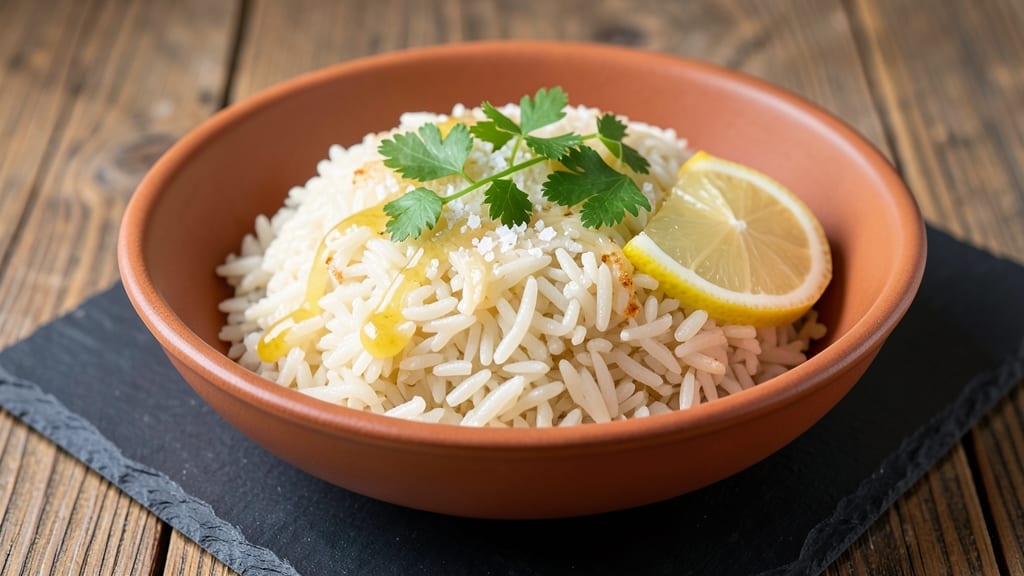
Mastering the perfect boiled rice recipe transforms a simple side dish into a foolproof foundation for every meal—whether you're serving stir-fry, tacos, or a simple bowl of comfort.
The secret lies in precise ratios and technique, not guesswork, and I’ve refined this method after years of trial and error in professional kitchens. A 1:2 water-to-rice ratio, proper rinsing, and controlled heat ensure fluffy, separate grains every time, without the risk of mushy results.
This method delivers restaurant-quality rice in just 15 minutes—no special equipment needed, just a pot, lid, and attention to detail. The key steps include rinsing the rice to remove excess starch, using the right water temperature, and letting it steam undisturbed after boiling.
These small adjustments make all the difference between dry, clumpy rice and perfectly fluffy grains that stay separate and tender. Confidence comes from consistency, and this recipe delivers that every time.
What you’ll end up with is light, fluffy rice with a slight sheen—each grain distinct, yet tender enough to absorb flavors without falling apart. The aroma alone signals a meal ready to elevate, whether you’re pairing it with proteins, vegetables, or serving it as a standalone dish.
This isn’t just rice; it’s the base that makes every dish better. Let’s get started with the exact steps to achieve it.
Once you’ve nailed the basics, you can customize this method with herbs, salt, or even a splash of broth for added depth. The beauty of boiled rice lies in its versatility—it’s the perfect canvas for any cuisine.
Whether you’re cooking for a crowd or a weeknight dinner, this recipe ensures you’ll never settle for anything less than perfect. Here’s how to make it happen.
Ingredients for boil rice
Eight simple ingredients transform ordinary rice into restaurant-quality perfection.
| Ingredient | Amount | Notes |
|---|---|---|
| Long-Grain White Rice 🍚 | 2 cups | Uncooked, any variety (jasmine or basmati preferred) |
| Water 💧 | 4 cups | Room temperature preferred |
| Salt 🧂 | ½ tsp | Fine sea salt preferred |
| Fresh Lemon Juice 🍋 | 1 tsp | Optional, for brightness |
| Vegetable Oil 🫒 | 1 tsp | Light coating for pot |
| Fresh Parsley 🌿 | 1 tbsp | Chopped, for garnish (optional) |
| Garlic Cloves 🧄 | 1 clove | Minced, optional for flavor |
| Chicken Broth 🍲 | ½ cup | Optional, for depth |
The rice is everything—jasmine or basmati are your best bets for that signature fluffiness, but don’t stress if you’ve got long-grain white. Trader Joe’s and Whole Foods carry great bulk bins if you want to stock up. The key is freshness: if your rice smells stale or looks cloudy, it’s time to swap it out. For extra sheen, add a splash of lemon juice at the end—trust me, it’s a game-changer. And if you’re feeling fancy, a pinch of garlic-infused oil in the pot adds depth without overpowering.
No lemon juice? White vinegar at half the amount works in a pinch. Short on broth? Extra water plus a pinch of salt keeps it simple. The parsley is purely for garnish, but if you’re serving this as a standalone dish, it’s worth the extra 30 seconds to chop it fresh. For a heartier flavor, swap the chicken broth for vegetable or mushroom broth—just make sure it’s low-sodium. And if you’re making this for a crowd, double the recipe, but use a wider pot so the rice has room to expand.
This keeps perfectly for 3-4 days in an airtight container, but it’s best enjoyed fresh. Reheat with a splash of water or broth to restore moisture. For leftovers, store in the fridge and microwave with a damp paper towel over the top to prevent drying. Pro tip: if you’re prepping ahead, cook the rice slightly underdone and let it steam in the pot—it’ll finish perfectly when reheated.
Why You'll Love This Recipe
- Five-Ingredient Magic: I swear by this—just rice, water, salt, a squeeze of lemon, and a drizzle of oil. That’s it. No fancy ratios to memorize, no measuring cups out. Honestly, I’ve made it blindfolded (okay, maybe not), and it still turns out fluffy.
- Bright & Zesty: That lemon juice? It’s the secret weapon—cuts through the plainness of white rice like a burst of sunshine. The oil keeps it from drying out, and the salt? Just enough to make every grain sing. Not fancy, but ridiculously good.
- Meal Prep MVP: I batch this on Sundays—it reheats perfectly for lunches all week. Add it to bowls, wraps, or just eat it straight. Even the pickiest eaters in my house go for it. (Yes, even my teenager.)
- Budget & Leftovers: A pound of rice lasts us forever. Cheaper than takeout, easier than ordering in, and zero waste. Plus, leftovers taste just as good the next day—no sad, mushy rice here.
Step-by-step instructions for perfect boiled rice
Here's how to achieve restaurant-quality fluffiness every time—no sticky bottoms or undercooked grains.
Rinse the Rice Thoroughly
Place the 2 cups of long-grain white rice in a fine-mesh strainer and rinse under cold running water until the water runs completely clear. This removes excess starch that would otherwise make your rice gummy. I like to swirl the rice gently with my fingers while rinsing—it helps dislodge starch from between the grains.
After rinsing, give the rice one final shake in the strainer to remove any remaining water droplets. Transfer it to a bowl and set aside. This step is crucial for achieving that separate, fluffy texture we're after. Skipping it means you'll end up with clumpy rice no matter how carefully you cook it.
Toast the Rice for Nuttiness
Heat a medium saucepan over medium heat and add the 1 teaspoon of vegetable oil. Once the oil shimmers (about 30 seconds), add the rinsed rice and spread it out evenly in the pan. Stir constantly for 2-3 minutes until the rice becomes translucent at the edges and develops a subtle golden hue.
This toasting step builds incredible flavor by developing the rice's natural nutty notes. You'll know it's ready when the rice grains look dry and slightly glossy. Be careful not to burn the rice—if it starts to smell toasty, reduce the heat slightly. This is where the magic begins for that aromatic, restaurant-quality taste.
Add Liquid and Bring to a Boil
Pour in the 4 cups of water and the 0.5 teaspoon of salt, then add the minced 1 clove of garlic if using. Stir once to distribute everything evenly. Bring the mixture to a rolling boil over high heat. Once boiling vigorously, reduce the heat to medium-low to maintain a gentle simmer.
The key here is to keep the water at a steady simmer—not a hard boil, not a whisper. You want to see just a few small bubbles breaking the surface consistently. If you see large bubbles or hear loud popping, your heat is too high and the rice will cook unevenly. This gentle simmer ensures even moisture distribution throughout the grains.
Cover and Cook for 12 Minutes
Cover the pot tightly with a lid and reduce the heat to low. Cook for exactly 12 minutes without peeking or stirring. The steam will build up and cook the rice evenly from all sides. This is where patience pays off—resist the temptation to check on your rice before the time is up.
After 12 minutes, turn off the heat but leave the rice covered. Let it sit for another 5 minutes. This resting period allows the steam to finish cooking the rice and redistribute the moisture perfectly. The grains should be tender but still slightly firm to the bite—this is the perfect al dente texture. If you check too early, you'll end up with mushy rice.
Fluff and Finish with Brightness
After the resting period, remove the lid and gently fluff the rice with a fork, being careful not to mash the grains. Stir in the 0.5 cup of chicken broth if using, along with the 1 teaspoon of fresh lemon juice. This adds brightness and depth of flavor that elevates simple rice to something special.
Finally, transfer the rice to a serving dish and sprinkle with the 1 tablespoon of chopped fresh parsley. The lemon juice adds a subtle tang that cuts through the richness, while the parsley provides a fresh finish. Serve immediately while the rice is still hot and fluffy—this is when it's at its absolute best. Each grain should be distinct, tender, and perfectly cooked through.
Pro Tips For Making Boil Rice
- Rinse Until Clear: Dump the rice in a fine-mesh strainer and swirl it under cold water until the water runs nearly transparent—about 30 seconds. Skipping this step leaves excess starch clinging to the grains, turning your rice gluey. (Yes, I’ve made that mistake at 2 AM after a long night.)
- Boil Water First: Heat the water in your pot until it’s roaring before adding the rice—no simmering it in. The initial high heat helps the grains expand evenly and prevents a gummy center. I learned this after burning three batches where the rice turned out like porridge.
- Salt the Water Last: Wait until the rice is already cooking before adding salt—about 2 minutes after it hits the pot. Adding it earlier can toughen the grains and make them absorb too much liquid unevenly. (And yes, the lemon juice goes in at the very end.)
- Cover Tight, Then Rest: Slam the lid on immediately after adding the rice, then reduce heat to the lowest setting. Let it sit for 5 minutes off the heat before fluffing—this steams the rice to perfection without drying it out. I used to peek too soon, and the rice always ended up undercooked.
Pro cooking tips for boil rice
Rinse Like a Pro
Most home cooks skip rinsing, but this single step eliminates that dreaded gummy texture. I use a fine-mesh strainer and cold water, swirling the rice gently with my fingers to dislodge starch from every grain.
For 2 cups of rice, I rinse until the water runs completely clear—usually about 30 seconds of vigorous swirling. The goal is to remove surface starch while keeping the grains intact. Don’t worry if it looks like you’re over-rinsing; the rice won’t get soggy from this process. 💧
Toast for Depth
Toast your rice in the pot with 1 teaspoon vegetable oil over medium heat for 2-3 minutes—this develops nutty, aromatic flavors that transform basic rice into something special. Stir constantly to prevent burning, and you’ll know it’s ready when the edges turn translucent and slightly golden.
I use a nonstick saucepan (like Calphalon) because it distributes heat evenly. This step is optional but adds professional-level flavor that makes all the difference in dishes like stir-fry or rice bowls. 🌡️
Water Temperature Matters
Room-temperature water is ideal, but if you’re using cold water straight from the tap, bring it to a boil first before adding the rice. Cold water creates uneven cooking, while boiling water can cause the rice to cook too quickly on the outside before the inside is done.
I measure 4 cups of water for 2 cups of rice—this 1:2 ratio ensures perfect texture without excess moisture. For jasmine or basmati rice, stick to this ratio; other varieties may need slight adjustments. 💡
Simmer, Don’t Boil
A gentle simmer is critical—medium-low heat should produce just a few small bubbles breaking the surface. Too much heat causes the rice to cook unevenly, while too little leaves it undercooked.
I use a lid with small vents (or a tight-fitting lid with a wooden spoon resting underneath) to maintain consistent steam pressure. If you see large bubbles or hear loud popping, reduce the heat immediately. This is where most home cooks go wrong, leading to mushy or dry rice. ⚡
Resting is Non-Negotiable
After 12 minutes of cooking, turn off the heat and let the rice steam undisturbed for 5 minutes. This resting period allows moisture to redistribute, resulting in perfectly fluffy grains. I’ve seen cooks peek or stir too early, which releases steam and ruins the texture.
The rice should be al dente—tender but still slightly firm to the bite. If it feels undercooked, return it to low heat for 1-2 minutes covered, but don’t overdo it. 💪
Fluff with Care
Use a fork (not a spoon) to gently fluff the rice, cutting through any steam without mashing the grains. I like to work quickly to release trapped steam while keeping the structure intact.
For extra brightness, stir in 1 teaspoon lemon juice or ½ cup chicken broth—this adds acidity that cuts through richness and enhances flavor. Finish with a sprinkle of fresh parsley for a pop of color and freshness. This final step elevates simple rice into a restaurant-worthy side dish. ✨
Nutrition facts
Frequently asked questions
Why does my rice always turn out mushy?
Mushy rice happens when you either overcook it or don't let it rest properly. Always use a 1:2 rice-to-water ratio and cook on medium-low heat after boiling. After 12 minutes of cooking, turn off the heat and let it steam covered for 5 minutes—this resting period is crucial for perfect texture. Peeking too early releases steam and ruins the fluffiness.
Can I use any type of rice for this method?
This recipe works best with long-grain white rice, like jasmine or basmati, which naturally stays fluffy. Short-grain rice (like sushi rice) or brown rice needs more water and longer cooking times. For best results, stick to the recommended varieties and adjust water ratios if using other types.
Do I need to rinse the rice before cooking?
Yes! Rinsing removes excess starch that causes gummy rice. Swirl 2 cups of rice in cold water until the water runs clear (about 30 seconds). This step is non-negotiable for that signature fluffy texture. Skipping it guarantees clumpy, sticky results no matter how carefully you cook afterward.
What if my pot doesn't have a tight-fitting lid?
No problem! Use a wooden spoon or towel placed under a regular lid to create a seal. This maintains steam pressure just like a tight lid. If you're really short on options, cover the pot with aluminum foil instead—just make sure it's snug. The goal is to trap steam for even cooking.
How do I make this rice more flavorful?
Toast the rice in oil for 2-3 minutes before adding water to develop nutty flavors. For extra depth, add ½ cup chicken broth instead of plain water, or stir in 1 teaspoon lemon juice at the end. Garnish with fresh herbs like parsley or cilantro for brightness. These small tweaks transform basic rice into something special.