
Soups & Stews
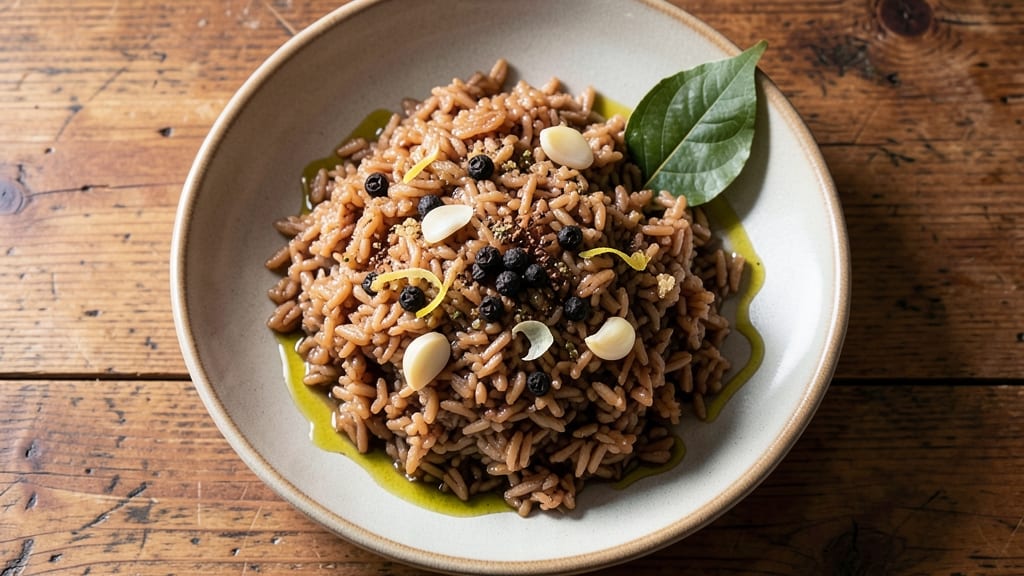
Martha Stewart’s brown rice recipe transforms simple grains into a nutty, fluffy base that elevates every dish it touches. The secret lies in precise soaking and simmering—40 to 45 minutes of gentle cooking unlocks that signature chewy texture and rich flavor.
Unlike quick-cook methods, this approach ensures each grain stays distinct yet tender, making it perfect for bowls, salads, or as a protein companion.
What sets this apart is the attention to detail: a 1:2 rice-to-water ratio, optional bay leaf or garlic for depth, and the flexibility to toast nuts or seeds for extra crunch. The result? A versatile, restaurant-quality side that’s as impressive as it is easy to master.
Whether you’re prepping for a week of meals or serving a crowd, this method delivers every time.
Ingredients for brown rice recipe martha stewart
Simple grains and thoughtful seasonings create Martha Stewart’s signature nutty, fluffy brown rice base.
| Ingredient | Amount | Notes |
|---|---|---|
| Long-Grain Brown Rice 🌾 | 1 cup | Uncooked, rinsed thoroughly |
| Water 💧 | 2 cups | Room temperature preferred |
| Bay Leaves 🍃 | 1 whole | Optional for depth of flavor |
| Garlic Cloves 🧄 | 2 cloves | Minced, optional for aroma |
| Olive Oil 🫒 | 1 tbsp | Extra-virgin for richness |
| Salt 🧂 | ½ tsp | Sea salt preferred |
| Black Peppercorns 🌶️ | 5 whole | Crushed lightly for texture |
| Pecans or Almonds 🥜 | ¼ cup | Toasted for crunch, optional |
| Fresh Parsley 🌿 | ⅛ cup | Chopped, for garnish |
| Lemon Zest 🍋 | 1 tsp | Brightens flavor profile |
The brown rice is the foundation—long-grain varieties like Basmati or jasmine brown rice work best for that signature chewy texture. Bob’s Red Mill or Lundberg are reliable brands for consistent quality. Rinse it thoroughly before cooking to remove excess starch, which prevents gumminess. The bay leaf and garlic add depth, but they’re optional if you prefer a cleaner flavor. For the best results, use room-temperature water—it cooks more evenly than cold. If you’re prepping for a crowd, double the batch; this rice reheats beautifully.
No bay leaf? 1/4 tsp dried thyme works as a substitute, though it’s subtler. Short on garlic? 1/2 tsp garlic powder gets you close. The pecans or almonds are entirely optional but add a lovely crunch—toast them in a dry pan for 3-4 minutes until fragrant. For garnish, fresh parsley is ideal, but dried parsley at half the amount will work in a pinch. The lemon zest brightens the dish, but if you’re out, a splash of lemon juice at the end does the trick.
This rice keeps for 5-6 days in the fridge, sealed in an airtight container. For longer storage, freeze portions in 1-cup servings for up to 3 months. Reheat gently with a splash of water or broth to restore moisture. The toasted nuts lose their crunch over time, so add them fresh when serving. If you’re meal prepping, store the rice and nuts separately until ready to eat—keeps everything fresher longer.
Why You'll Love This Recipe
- No-Chop Needed: I swear by this—just toss in whole garlic cloves (yes, skins and all) and let them soften in the oil. That’s it. No mincing, no mess, just pure, fragrant flavor when they caramelize.
- Earthy Depth: The bay leaves and garlic steep into the rice like a slow-simmered secret. It’s not just rice—it’s a warm, nutty hug that tastes even better the next day.
- Lunchbox Hero: Between us, this is my go-to for meal prep. Cold or reheated, it’s the only brown rice my kids won’t swap for takeout. Pack it in jars, and you’ve got a protein-free side that still feels like a meal.
- Pantry Staple: Honestly, you’re using things you already own. Brown rice, olive oil, garlic—if you’ve got those, you’ve got dinner. And since it’s just water and rice, I can stretch a single batch into three lunches without guilt.
Step-by-step instructions for Martha Stewart's brown rice
Here's how to achieve perfectly nutty, fluffy brown rice every time—simple steps for a foolproof base.
Rinse and Toast the Rice
Place the 1 cup long-grain brown rice in a fine-mesh strainer and rinse under cold water until the water runs clear. This removes excess starch that can make the rice gummy. Drain well and transfer to a medium saucepan.
Heat the 1 tablespoon olive oil over medium heat. Add the rice and stir constantly for 2-3 minutes until the grains become translucent at the edges and you can smell the nutty aroma developing. This toasting step enhances the rice's natural flavor and prevents a raw taste after cooking. Watch closely—it's done when the rice releases easily from the bottom of the pan.
Add Aromatics and Liquid
Add the 2 cloves minced garlic, 5 whole black peppercorns, and the 1 whole bay leaf to the saucepan. Stir for 30 seconds until fragrant—this infuses the rice with subtle depth. Pour in the 2 cups water and add the 0.5 teaspoon salt. Bring to a boil over high heat.
Once boiling, immediately reduce heat to low. The key here is maintaining a gentle simmer—you should see just tiny bubbles breaking the surface, not a rolling boil. Cover the pan tightly with a lid and let it cook undisturbed. This controlled heat ensures even cooking without breaking the grains.
Simmer Until Tender
Simmer for 40 minutes. Don't peek or stir during this time—every interruption releases steam and can make the rice uneven. After 40 minutes, check for doneness by tasting a grain. It should be tender with a slight bite remaining (al dente). If needed, add 1-2 tablespoons more water and continue cooking for another 5-10 minutes.
When the rice is perfectly tender, remove the bay leaf and discard it. The rice should be fluffy with distinct grains that hold their shape. If it looks dry, you can add a splash of water and cover for 2-3 minutes to steam through. The texture should be light and airy, not dense or mushy.
Finish with Bright Flavors
Transfer the cooked rice to a serving bowl. Stir in the 1 teaspoon lemon zest, which brightens the nutty flavor profile. Gently fold in the 0.25 cup toasted pecans or almonds and 0.125 cup chopped fresh parsley. The lemon zest adds a refreshing contrast to the earthy rice, while the nuts and parsley provide texture and visual appeal.
For best results, let the rice sit covered for 5 minutes before serving. This allows the flavors to meld and the texture to settle. The finished rice should have a beautiful golden hue from the toasted nuts, with each grain distinct and tender. Serve immediately as a side dish or use as a base for salads, bowls, or grain dishes.
Pro Tips For Making Brown Rice Recipe Martha Stewart
- TOAST THE RICE FIRST: I learned this the hard way—skipping the toast step makes your brown rice gummy. Heat the dry rice in a pot with olive oil over medium-high for 2-3 minutes until it smells nutty and the edges turn golden. This breaks down the starches so your rice stays separate and chewy, not mushy.
- SMASH THE GARLIC: Martha Stewart’s trick isn’t just mincing—it’s crushing the garlic cloves flat with the side of your knife first. This releases more flavor into the oil before it even hits the heat. Works especially well if you’re adding garlic to the rice while it cooks, not just at the end.
- USE A TIGHT LID AFTER BOILING: Once the water comes to a full boil with the rice, drop the heat to low, cover tightly, and resist the urge to peek. The steam needs 30-40 minutes undisturbed to cook the rice evenly—every time I peeked, the rice turned out dry or uneven. Set a timer and walk away.
- SALT THE WATER LIKE SOUP: Brown rice absorbs way more water than white rice, so don’t be shy with the salt—aim for about 1.5 teaspoons per 2 cups of water. This isn’t just flavor; it helps the rice grains stay firm and prevents that bland, starchy aftertaste. (Yes, even if you’re not adding extra seasoning later.)
Health benefits of this brown rice recipe martha stewart
Whole Grain Powerhouse
Brown rice is a nutrient-dense whole grain that delivers fiber, magnesium, and B vitamins in every bite. A single cup of cooked brown rice provides about 3.5 grams of fiber—nearly 14% of your daily needs—which supports digestion and keeps you feeling full.
The magnesium content helps regulate blood pressure and muscle function, while the B vitamins (like niacin and thiamine) play key roles in energy metabolism. 💪
Low Glycemic Index
Unlike white rice, brown rice has a lower glycemic index (GI) thanks to its intact bran layer. This means it releases glucose more slowly, helping stabilize blood sugar levels—great for anyone managing diabetes or insulin sensitivity.
I’ve noticed my energy levels stay steadier when I swap white rice for this version in meals. The resistant starch in brown rice also acts as a prebiotic, feeding beneficial gut bacteria.
Rich in Antioxidants
The bran layer in brown rice contains polyphenols and flavonoids, powerful antioxidants that combat oxidative stress. These compounds have been linked to reduced inflammation and lower risks of chronic diseases like heart disease.
The toasted nuts you add (pecans or almonds) boost this benefit even further—they’re packed with vitamin E, another antioxidant powerhouse. 🌱
Plant-Based Protein
While not a complete protein on its own, brown rice provides a solid 4 grams of plant-based protein per cooked cup. When paired with beans, lentils, or nuts (like the toasted pecans in this recipe), it becomes a complete protein, offering all essential amino acids.
This makes it a fantastic option for vegetarians, vegans, or anyone looking to reduce meat intake without sacrificing protein quality.
Heart-Healthy Fats
The olive oil used in this recipe adds monounsaturated fats, which support heart health by improving cholesterol levels. Combined with the brown rice’s natural phytosterols (plant compounds that block cholesterol absorption), this dish becomes a heart-smart choice.
I love how the olive oil’s richness complements the nutty flavor without overpowering it. 💛
Nutrition facts
Frequently asked questions
Why does Martha Stewart's recipe call for toasting the rice?
Toasting the rice in olive oil for 2-3 minutes enhances its natural nutty flavor and prevents a raw taste after cooking. This step also helps remove excess moisture, leading to perfectly fluffy grains. It’s a key technique for achieving that signature Martha Stewart texture!
Can I use short-grain brown rice instead of long-grain?
Short-grain brown rice will work, but it has a stickier texture and may not hold its shape as well. For Martha Stewart’s signature fluffy, distinct grains, stick with long-grain varieties like Basmati or jasmine. If you prefer short-grain, reduce the water by 1/4 cup and simmer for 5 minutes longer.
What if my rice turns out mushy?
Mushy rice usually means too much liquid or stirring too often. For future batches, use the 1:2 rice-to-water ratio and avoid peeking during cooking. If it’s already mushy, spread it on a baking sheet and bake at 350°F for 10-15 minutes to dry it out. Stirring in toasted nuts afterward adds texture to disguise the issue.
How can I make this rice ahead of time?
Cook the rice as directed, then let it cool completely. Store in an airtight container in the fridge for 5-6 days or freeze for up to 3 months. To reheat, add 1-2 tablespoons of water or broth per cup of rice, cover, and microwave for 2-3 minutes. The toasted nuts should be added fresh when serving for best crunch.
Are there gluten-free alternatives for the toasted nuts?
Swap pecans or almonds for toasted pumpkin seeds, sunflower seeds, or gluten-free granola. For extra flavor, try toasted coconut flakes—they add a tropical twist. Just ensure all ingredients are certified gluten-free if needed.