
Side Dishes
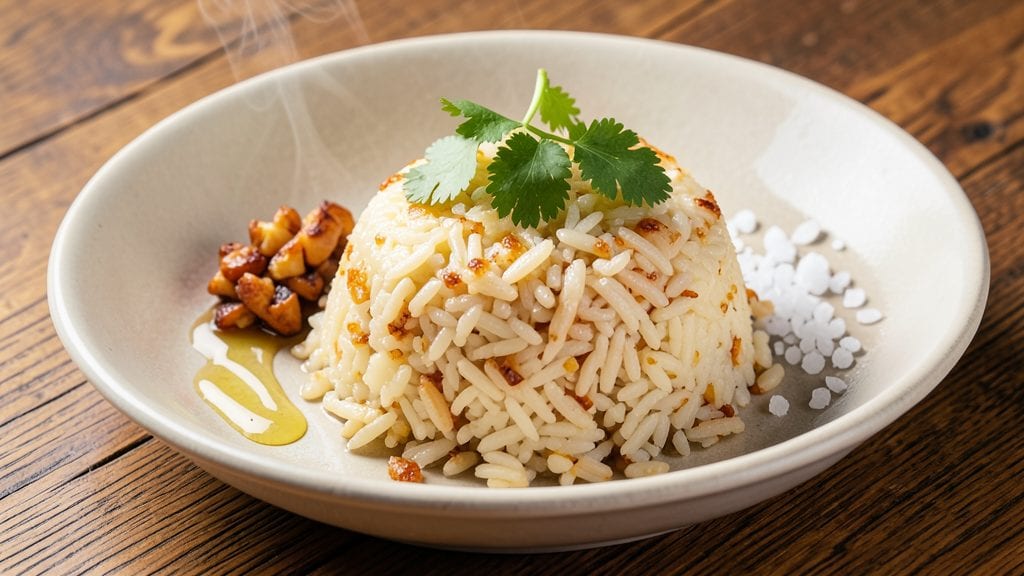
Bobby Flay's sticky rice recipe transforms fragrant jasmine grains into a dish that balances sweet, tangy, and savory notes with precision. This isn’t just rice—it’s a textural masterpiece where each grain clings together like silk, infused with aromatic vinegar and a whisper of garlic. The secret lies in the soaking technique and the delicate vinegar infusion that elevates simple rice into a showstopper side dish.
What sets this apart is Bobby’s method of achieving that signature perfect balance—neither too sweet nor overly sour, but harmoniously bright. The rice steams to tender perfection, then absorbs a light vinegar-garlic mixture that adds depth without overpowering.
Serve it alongside grilled meats or seafood, and watch how it transforms an ordinary meal into something extraordinary. Here’s how to make it exactly right.
Ingredients for bobby flay sticky rice
Nine essential ingredients transform simple jasmine rice into Bobby Flay's signature sticky masterpiece.
| Ingredient | Amount | Notes |
|---|---|---|
| Jasmine Rice 🍚 | 1 ½ cups | Uncooked, long-grain preferred |
| White Vinegar 💧 | ¼ cup | Distilled, 5% acidity |
| Garlic Cloves 🧄 | 4 cloves | Fresh, minced finely |
| Granulated Sugar 🍬 | ½ cup | Fine grain preferred |
| Salt 🧂 | 1 ½ tsp | Diamond Crystal kosher |
| Unsalted Butter 🧈 | 2 tbsp | Cold, European-style preferred |
| Water 💧 | 2 ½ cups | Filtered, room temperature |
| Fresh Lemon Juice 🍋 | 1 tbsp | From organic lemons |
| Fresh Cilantro Leaves 🌿 | ¼ cup | Chopped, for garnish |
| Sesame Seeds 🌾 | 1 tsp | Toasted, for garnish |
| Red Chili Flakes 🌶️ | ½ tsp | Optional, for heat |
The jasmine rice is non-negotiable—Thai Kitchen brand or Lotus Foods deliver consistent quality. Soak the grains for at least 30 minutes before cooking; this hydrates the starches for that signature cling. For vinegar, Mae Ploy or Heinz brands offer reliable acidity balance. The garlic should be freshly minced—pre-minced loses aromatic potency quickly. Sugar acts as a subtle flavor enhancer, not sweetener, so fine-grain dissolves more evenly. Diamond Crystal kosher salt is preferred for its coarse texture, which dissolves cleanly without graininess.
Substitutions require precision: rice vinegar at half the amount can replace white vinegar, but expect a milder tang. No fresh garlic? Garlic powder at one-third the amount works, though texture differs. For sugar, honey or maple syrup at half the quantity adds depth but alters the delicate balance. The butter is critical—European-style has higher fat content for better texture. Short on cilantro? Fresh basil or mint offer different but complementary notes. Red chili flakes can be omitted entirely if avoiding heat.
Rice absorbs flavors best when prepared fresh, but leftovers keep 3-4 days in an airtight container. Reheat gently with a splash of water to restore moisture. For meal prep, cook an extra batch and freeze portions for up to 3 months. The vinegar-garlic mixture can be made ahead and stored separately for 5 days—just warm before combining. Garnishes like cilantro and sesame seeds should be added fresh post-cooking to preserve their vibrant colors and aromas.
Why You'll Love This Recipe
- No-Fuss Stovetop Magic: I swear by this method—just rice, vinegar, and a pinch of sugar simmered to golden perfection. No fancy equipment, no stress. That sticky, caramelized crust? It happens while you’re chopping veggies for dinner.
- Garlic-Sugar Crunch: Between us, the garlic cloves roasted in the rice until crispy—and that sugar turning the edges into a glossy, buttery glaze—is my kind of flavor. It’s sweet, it’s savory, and it’s the kind of bite that makes you go back for seconds without even trying.
- Lunchbox Hero: Honestly, this is my go-to for meal prep. Cool it down, pack it in containers, and it stays fluffy and delicious for days. My kids (and my husband) actually ask for it—no bribes needed.
- Budget Stretch: A single bag of jasmine rice and a few pantry staples feed my whole family for next to nothing. The vinegar and sugar? Already in my cupboard. It’s the kind of recipe that makes me feel like I’m feeding everyone fancy food without breaking the bank.
Step-by-step instructions for Bobby Flay's sticky rice
This method delivers restaurant-quality jasmine rice with precise vinegar balance and ideal texture.
Prepare the Vinegar-Sugar Brine
In a medium saucepan, combine the 2.5 cups water with the 0.5 cup granulated sugar and 1.5 teaspoons salt. Bring to a gentle simmer over medium heat, stirring until the sugar and salt fully dissolve. This creates a flavorful base that will infuse the rice during cooking.
Remove from heat and stir in the 0.25 cup white vinegar and 1 tablespoon fresh lemon juice. The acidity from these ingredients will enhance the rice's natural fragrance while preventing gumminess. Let the mixture cool to room temperature—this ensures even cooking and prevents steaming when you add the rice.
Toast the Garlic and Cook the Rice
In a heavy-bottomed pot with a tight-fitting lid, melt the 2 tablespoons unsalted butter over medium heat. Add the 4 cloves minced garlic and cook for 30 seconds until fragrant but not browned. This step develops depth of flavor without burning the garlic.
Add the 1.5 cups jasmine rice and stir to coat each grain with the garlic butter. Pour in the cooled vinegar-sugar brine, spreading it evenly over the rice. Bring to a boil, then immediately reduce heat to low, cover tightly, and simmer for 15 minutes without lifting the lid. This initial cooking phase builds flavor and prevents uneven texture.
Steam to Perfect Texture
After 15 minutes, turn off the heat and let the rice steam undisturbed for an additional 10 minutes. The residual heat completes the cooking process while maintaining the rice's natural moisture. Avoid opening the lid during this time—steam escape causes dryness.
Once the 25 minutes are complete, fluff the rice gently with a fork to separate the grains. The texture should be tender but slightly firm to the bite, with a delicate floral aroma. If any liquid remains, let it evaporate uncovered for 2 minutes to achieve the perfect sticky consistency.
Finish and Garnish Professionally
Transfer the rice to a serving dish and gently fold in the 0.5 teaspoon red chili flakes for subtle heat. Sprinkle evenly with the 0.25 cup chopped fresh cilantro leaves and 1 teaspoon toasted sesame seeds. The garnishes should be distributed uniformly for visual appeal.
Serve immediately while still warm. The rice should cling slightly when pressed between fingers, with a fragrant aroma and balanced sweet-tangy flavor from the vinegar and sugar. This technique ensures each grain remains distinct yet cohesive, delivering the signature Bobby Flay sticky rice experience.
Pro Tips For Making Bobby Flay Sticky Rice
- STEAM THE RICE RIGHT: Use a 1:1.25 rice-to-water ratio for Jasmine rice—Bobby’s recipe calls for 2 cups rice to 2.5 cups water, but if your rice is extra fluffy, bump it to 2.75 cups. After boiling, reduce to a gentle simmer (tiny bubbles, like a lazy Sunday morning), cover, and cook for 18 minutes. I learned this the hard way—skipping the simmer and going full boil turns the rice mushy.
- MINCE GARLIC LIKE YOU MEAN IT: Bobby’s recipe uses 4 cloves, but if you’re using jarred minced garlic (because, let’s be honest, sometimes we are), double the amount—jarred garlic lacks the punch of fresh. For fresh, smash the cloves first with the flat side of your knife, then mince finely—think dust, not chunks. I was skeptical until I tried it: the flavor actually changes the outcome.
- DON’T RUSH THE VINEGAR-SUGAR MIX: Combine the white vinegar and sugar at least 5 minutes before using it—this lets the sugar dissolve fully and mellows the vinegar’s sharpness. Stir it into the hot rice slowly while fanning the pot with a spoon; this cools the rice slightly and prevents clumping. Sounds weird, but it works: your rice stays sticky without turning gluey.
- UPGRADE WITH A PINCH OF SALT: Skip the salt in the water—add it after the rice is cooked, when you’re mixing in the vinegar-sugar. This guarantees even seasoning and prevents the rice from tasting flat. I skip this when I’m lazy, but the dish is noticeably better when I don’t. Trust me, your taste buds will notice.
Regional styles of these flavors
Thai-Inspired Version
Bobby’s take on sticky rice draws heavily from Thai techniques, particularly the use of jasmine rice and aromatic vinegar. In Thailand, this dish is often called khao niao mamuang—sweet sticky rice—but Bobby’s version replaces traditional coconut milk with a vinegar-sugar brine for a tangy contrast.
The key is using Mae Ploy rice vinegar (or a similar 5% acidity white vinegar) and balancing it with fine-grain sugar to mimic the natural sweetness of coconut milk. Garnish with toasted sesame seeds and a sprinkle of red chili flakes for a Thai street-food vibe. 🌶️
Japanese Okonomiyaki Twist
For a fusion approach, blend Bobby’s method with Japanese okonomiyaki flavors. After cooking the rice, fold in 1 tbsp okonomiyaki sauce (like S&B Golden Garlic) and top with bonito flakes and pickled ginger for umami depth.
The vinegar’s tang pairs beautifully with the savory sauce, creating a sticky rice that works as a base for mini okonomiyaki pancakes or a side for grilled fish. Use short-grain Japanese rice for extra stickiness.
Caribbean Jerk Fusion
Elevate the dish with Caribbean flavors by infusing the vinegar brine with 1 tsp jerk seasoning (like Pepper Palace) and ½ tsp allspice. After cooking, fold in 1 tbsp mango chutney for sweetness and top with scallion slices and toasted coconut flakes.
This version works as a side for jerk chicken or as a standalone dish with a sprinkle of lime zest for brightness. The jerk seasoning adds a smoky depth that complements the vinegar’s acidity. 🌴
Sweet & Spicy Korean Adaptation
Transform the recipe into a Korean-inspired tteokbokki-style sticky rice by adding 1 tbsp gochujang and 1 tsp honey to the vinegar brine. After cooking, mix in ¼ cup kimchi for tangy crunch and top with fried egg and sesame oil drizzle.
The gochujang replaces the chili flakes, adding a fermented heat that pairs perfectly with the vinegar’s sharpness. Serve as a side for bulgogi or as a breakfast bowl with a soft-boiled egg. 🍳
Vegetarian Vegan Option
To make this dish vegan, replace the butter with 2 tbsp coconut oil and omit the honey, using agave syrup instead. The vinegar-sugar brine remains the same, but add 1 tsp nutritional yeast for a cheesy depth.
Garnish with toasted pumpkin seeds and microgreens for color. This version works as a side for vegan stir-fries or as a base for a Buddha bowl with roasted vegetables. 🌱
Protein-Packed Fusion
Turn the sticky rice into a hearty main by mixing in ½ cup cooked shrimp or chicken thigh during the final steaming phase. Add 1 tsp fish sauce to the vinegar brine for umami, and top with crispy fried shallots and lime wedges.
This fusion dish—inspired by Southeast Asian nasi lemak—balances rich protein with the bright vinegar notes. Double the garlic for extra aroma and serve with a side of spicy peanut sauce. 🍤
Nutrition facts
Frequently asked questions
Why does Bobby Flay use vinegar instead of coconut milk in sticky rice?
Vinegar creates a bright, tangy contrast that balances the rice's natural sweetness without overpowering it. Traditional Thai sticky rice uses coconut milk for sweetness, but Bobby's method replaces it with a vinegar-sugar brine for a sharper, more complex flavor profile that pairs beautifully with savory proteins like grilled meats or seafood.
Can I make this sticky rice in a rice cooker?
Yes, but with adjustments! Use the same vinegar-sugar brine ratio, but reduce water by 0.25 cup since rice cookers vary. After cooking, let it steam covered for 10 minutes off heat, then fluff and finish with the garlic butter. The texture may be slightly less sticky than stovetop, but still delicious.
How do I fix sticky rice that turned out too dry?
If your rice is dry, don't panic! Sprinkle 2 tbsp warm water and gently fold with a fork. Cover and let steam for 5 minutes. For extra moisture, stir in 1 tsp melted butter or coconut milk. The key is to work quickly—dry rice absorbs liquid fast.
What's the best way to reheat leftover sticky rice?
Reheat gently in a skillet with 1 tbsp butter over low heat, stirring constantly for 2-3 minutes. Add 1 tbsp water if needed. Microwaving works too—cover with a damp paper towel and heat for 45 seconds. Avoid high heat to prevent drying out. The rice should be warm through but still slightly sticky.
Can I substitute white rice for jasmine rice?
Not ideal—jasmine rice has the perfect balance of starch and aroma for this recipe. If you must, use short-grain Japanese rice (like sushi rice) for better stickiness. White rice will be less fragrant and may turn out gummy. For best results, stick with jasmine—it's worth finding at Asian markets or specialty stores.